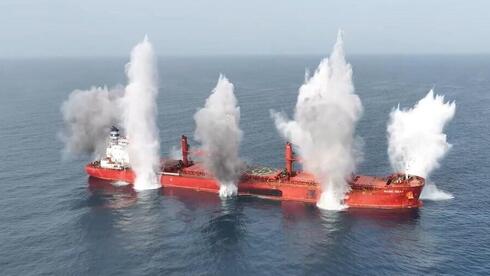
A 40-vessel Gaza-bound flotilla resumed its journey from Crete after a two-day pause, with Italian and Spanish naval ships nearby to monitor and support its passage amid tensions and recent attacks, aiming to break Israel's naval blockade of Gaza.
Israel plans to intercept and potentially seize or sink vessels of the Global Sumud Flotilla attempting to deliver aid to Gaza, with negotiations failing and the ships under military and international scrutiny.
The Houthis in Yemen have threatened to escalate their naval blockade against Israel by targeting any ships dealing with Israeli ports, regardless of their flag, as part of their ongoing conflict related to Gaza, marking a significant escalation in their attacks in the Red Sea which have already impacted global maritime trade.
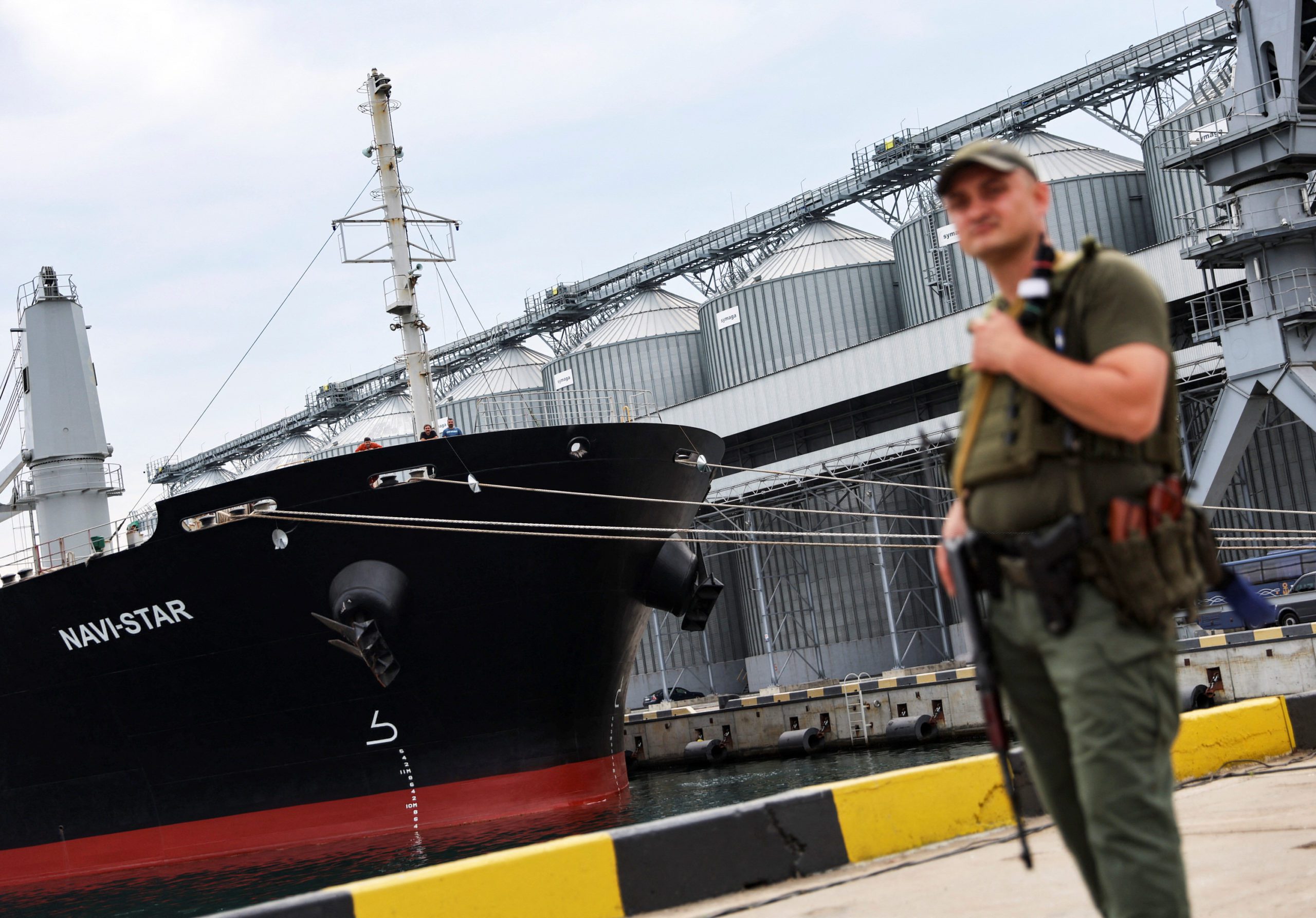
Despite Russia's naval blockade, Ukraine has successfully resumed its grain exports through the Black Sea, thanks to a combination of brave decisions, successful military operations, and international support. Ukrainian and Romanian port infrastructure near the Danube River mouth has played a crucial role in increasing export volumes, with Romanian support being central to this success. The Ukrainian military has challenged Russian naval superiority in the Black Sea, pushing the Russian navy back and opening the way for shipping to resume. The West could do more to support Ukraine and develop a Black Sea strategy that discourages further Russian aggression.
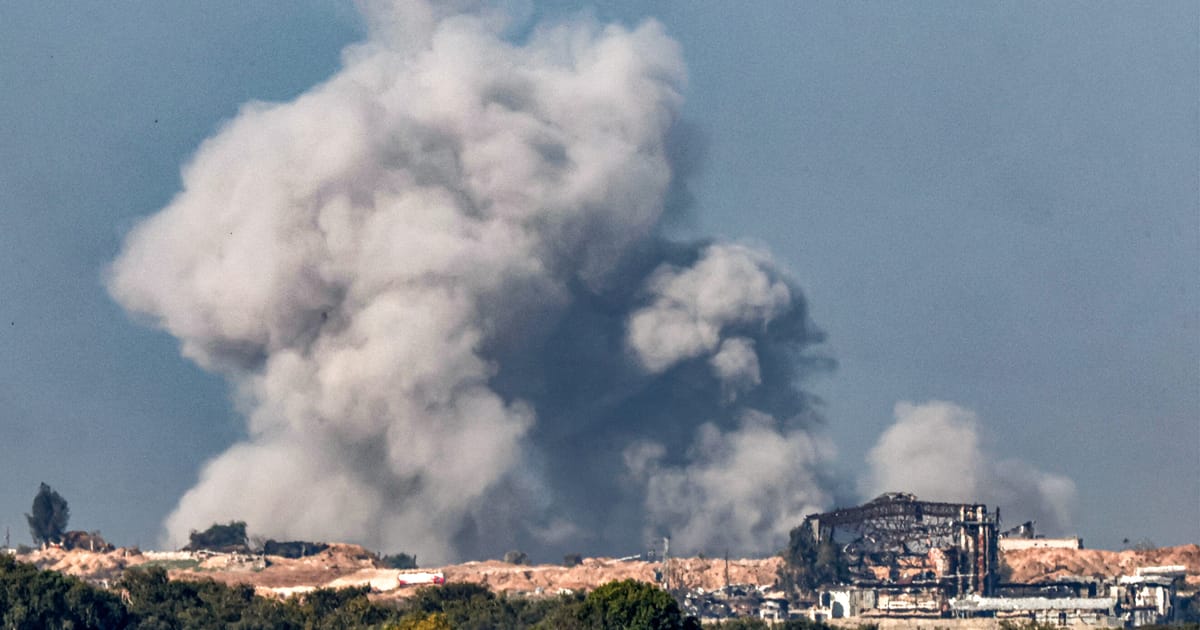
Israel has agreed to allow European countries to send humanitarian aid directly to Gaza via a sea corridor through Cyprus, potentially easing the naval blockade imposed since 2007. This development comes amidst intensified Israeli air strikes in Gaza, resulting in significant casualties and displacement of Palestinians. The Israeli government is facing calls for an independent inquiry into its failure to prevent an earlier attack by Hamas, while the conflict is expected to continue for an extended period despite international calls for a ceasefire.
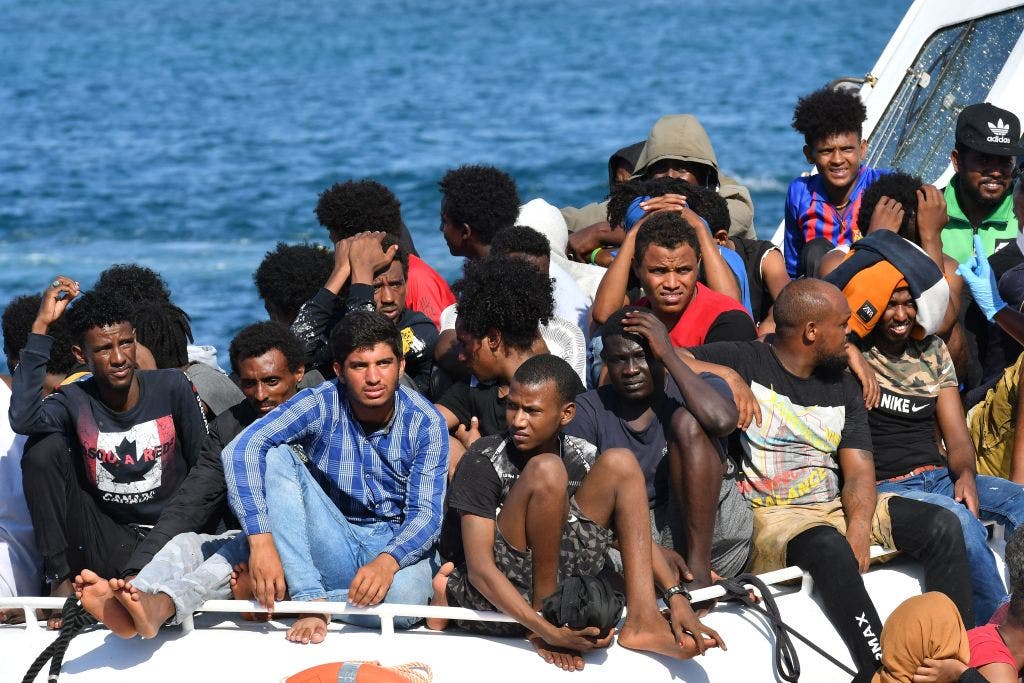
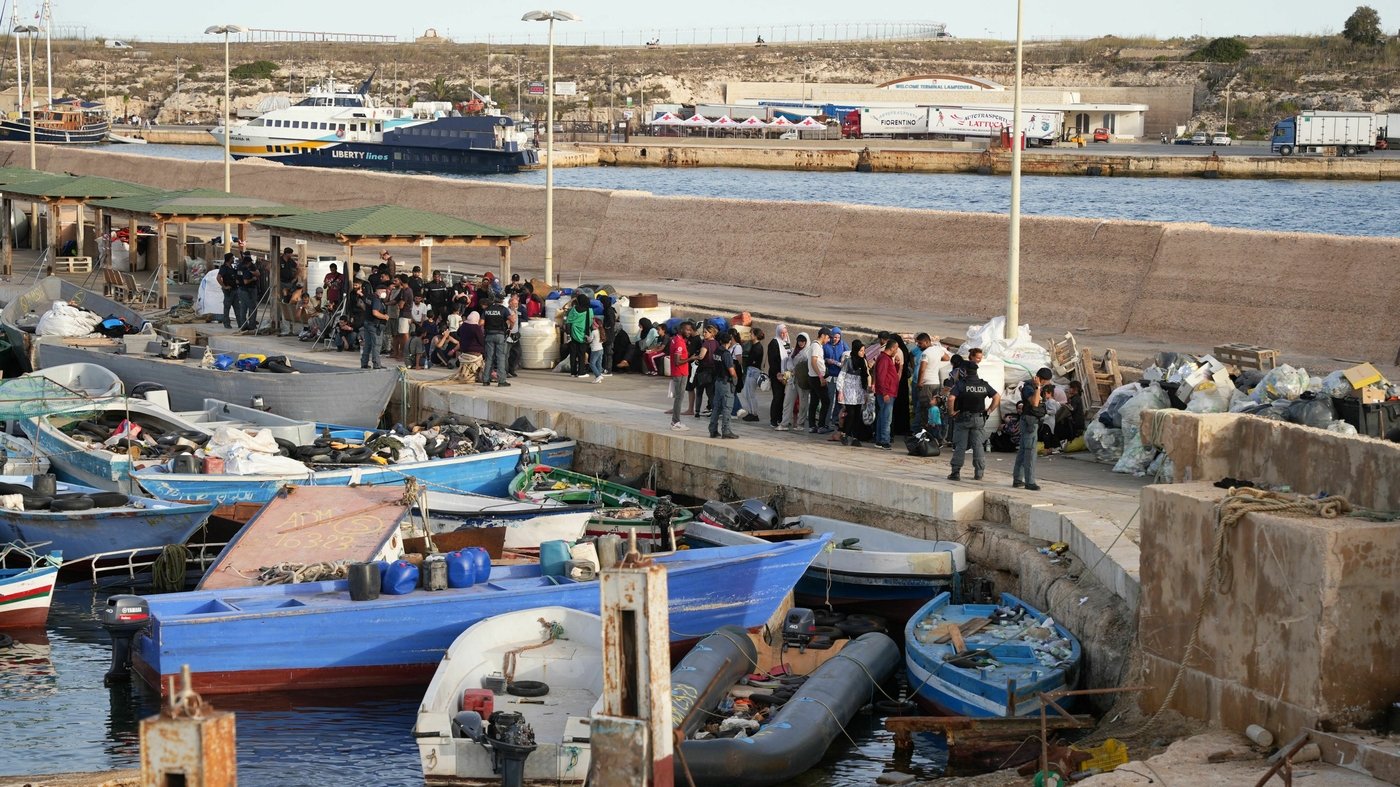
Italian Prime Minister Giorgia Meloni has called on the European Union to create a naval blockade in the Mediterranean Sea to stem the flow of migrants, stating that the future of Europe is at stake. Meloni's plea comes as more than 10,000 migrants arrived on the small Italian island of Lampedusa last week, surpassing its permanent population. While European Commission President Ursula von der Leyen has pledged support for Italy and proposed a 10-point plan to manage the crisis, experts believe that Italy may have to act decisively on its own, including deploying its navy, as other European powers are unlikely to provide significant assistance.
An explosion occurred on a ship sailing to Ukraine near Romania, prompting authorities to search for possible mines. The ship, flying the flag of Togo, was waiting to use the Ukrainian Bystroe Canal when the blast occurred. The Romanian Naval Authority stated that there are no indications of a mine attack. The Danube Delta has become a crucial route for boats to reach or leave Ukraine due to Russia's naval blockade. Meanwhile, Iran's president accused the US of fueling bloodshed in Ukraine, denying accusations of Iranian involvement in aiding Russia's campaign. Ukrainian President Zelenskyy is set to address the UN Security Council, facing Russia for the first time since the war began. Additionally, eight people died in a Russian strike against Kupiansk, and Russian forces are preparing to renew their attacks in the region.
Italy has approved new measures to crack down on migration, including extending the detention period for migrants who don't qualify for asylum to 18 months and increasing the number of detention centers. Premier Giorgia Meloni has called for a naval blockade off North Africa to prevent human traffickers from launching smuggling boats. The European Commission has expressed support for exploring this possibility. The influx of migrants is challenging unity within the EU, with member states objecting to the way the EU-Tunisia deal was pushed through. France has shifted right on migration and security issues and is not prepared to take in migrants arriving in Lampedusa.
Ukraine's Navy has announced temporary routes for ships to navigate the Black Sea, which have been effectively blockaded by Russia since last month. The initiative aims to allow ships to exit three deep-sea Ukrainian ports, despite Russia's threats and the perceived risks. Shipowners and insurers have been cautious due to the dangerous conditions, but some vessels may be willing to use the routes. Ukraine seeks to reopen trade routes despite the Kremlin's opposition, with the hope that trade will restart once stuck ships safely sail through the corridors.
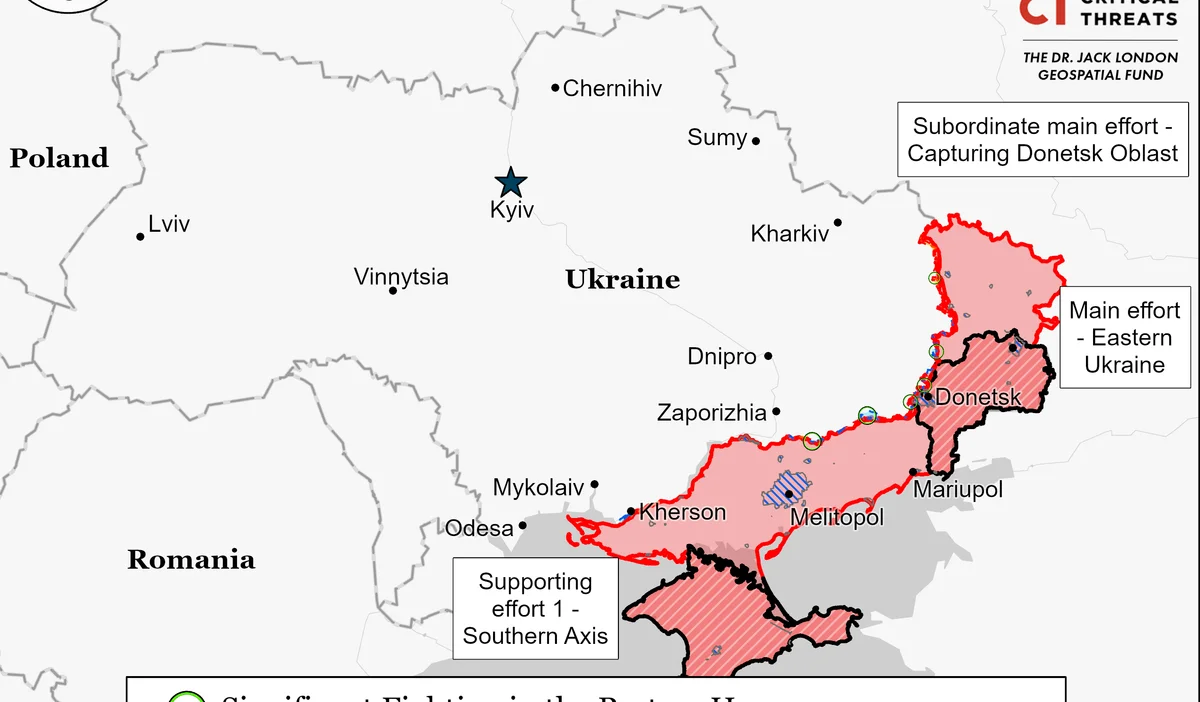
Ukrainian forces conducted counteroffensive operations in multiple sectors, making advances near Bakhmut, while Russian naval posturing in the Black Sea aims to impose a de facto blockade on Ukrainian ports. Russian President Putin reassured African partner states during the Russia-Africa Summit, but the Kremlin shows little interest in an unspecific peace plan proposed by African heads of state. Russian authorities may be concerned about public opinion on the war ahead of upcoming elections. The first batch of refurbished US Abrams tanks is expected to arrive in Ukraine in September. Russian forces conducted offensive operations and made advances in certain areas, while Ukrainian forces continued counteroffensive operations. The Russian Federation Council approved measures to equip the Russian National Guard and increase the conscription age range. Ukrainian teenagers are being deported to Russia under the guise of summer camp programs.
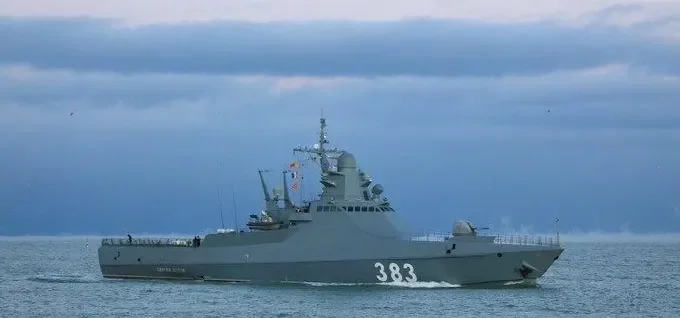
The Russian navy has positioned one of its warships, the corvette Sergey Kotov, in the southern Black Sea to intercept commercial vessels heading to Ukraine after Russia unilaterally withdrew from the Black Sea Grain Initiative. With the collapse of the initiative, commercial shippers are reluctant to risk their ships on the route to Odesa. Ukrainian drone boats have already approached Sergey Kotov, highlighting the growing problem of unmanned surface vehicles for the Russian fleet. While Sergey Kotov may not survive her mission, her presence is enough to potentially enforce a blockade of Ukraine's grain ports.
The conflict between Russia and Ukraine continues to escalate as the US confirms the use of banned cluster bombs by Ukraine against Russian forces. Ukraine warns of targeting all shipping out of Russian and Russian-occupied ports and signals readiness to fight on the Black Sea. The UN's atomic watchdog is unable to inspect Ukraine's Zaporizhzhia nuclear power plant occupied by Russian forces. EU foreign ministers discuss a proposal for a 20 billion euro fund to support Ukraine militarily, while prolonging sanctions against Russia. Wheat prices rise following Russia's withdrawal from a UN-backed grain deal. The US imposes sanctions on individuals and entities aiding Russia's war against Ukraine. Airstrikes by Russia result in casualties in southern Ukrainian port cities. Russia imposes restrictions on British diplomats, and Britain removes sanctions on Oleg Tinkov. Eugene Shvidler, an ally of Roman Abramovich, challenges sanctions imposed on him. Ukraine's deputy economy minister holds talks with China's vice-commerce minister.
Two US experts argue that Ukraine can isolate and attack Crimea without retaking it from Russia by using unmanned boats to attack Russian forces and blockade the peninsula. Defending the Crimean Peninsula has historically presented a quandary, and a land invasion from the northwest must cross the narrow and easily defended Perekop isthmus between the peninsula and the mainland. The Ukrainian navy is much too weak to take on Russia's Black Sea Fleet, but Ukraine could use unmanned surface vessels laden with explosives to damage and destroy Russian ships.