Tag

Nasal Rinsing

All articles tagged with #nasal rinsing

health7 months ago

Texas Woman Dies from Brain-Eating Amoeba After Using Tap Water

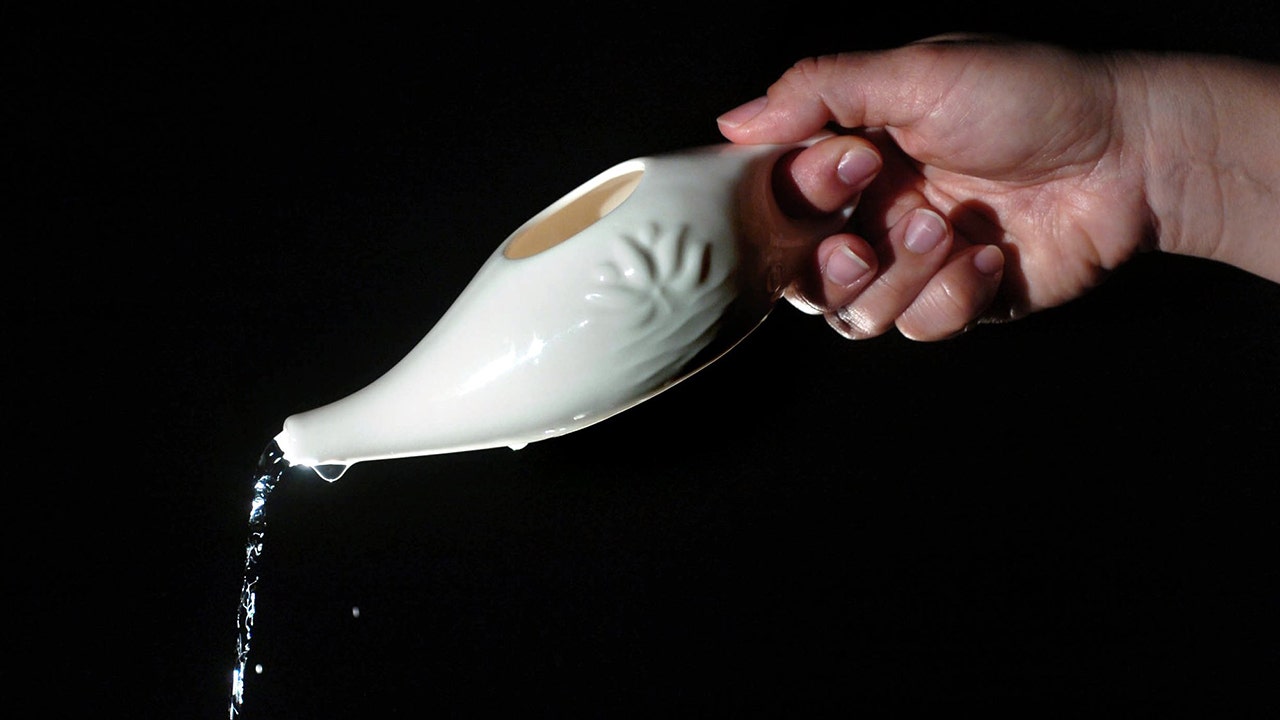
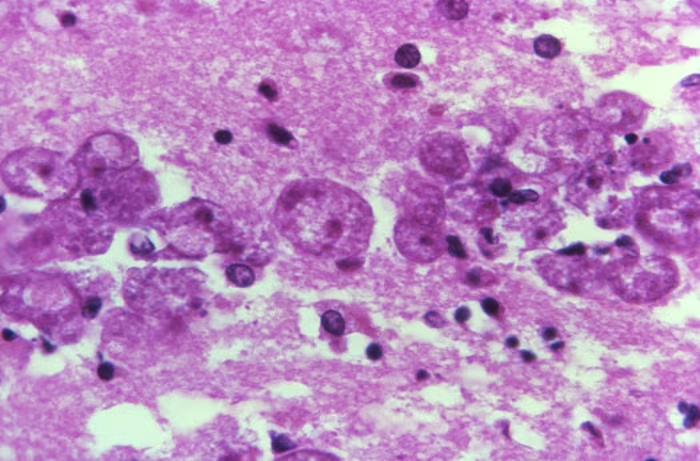
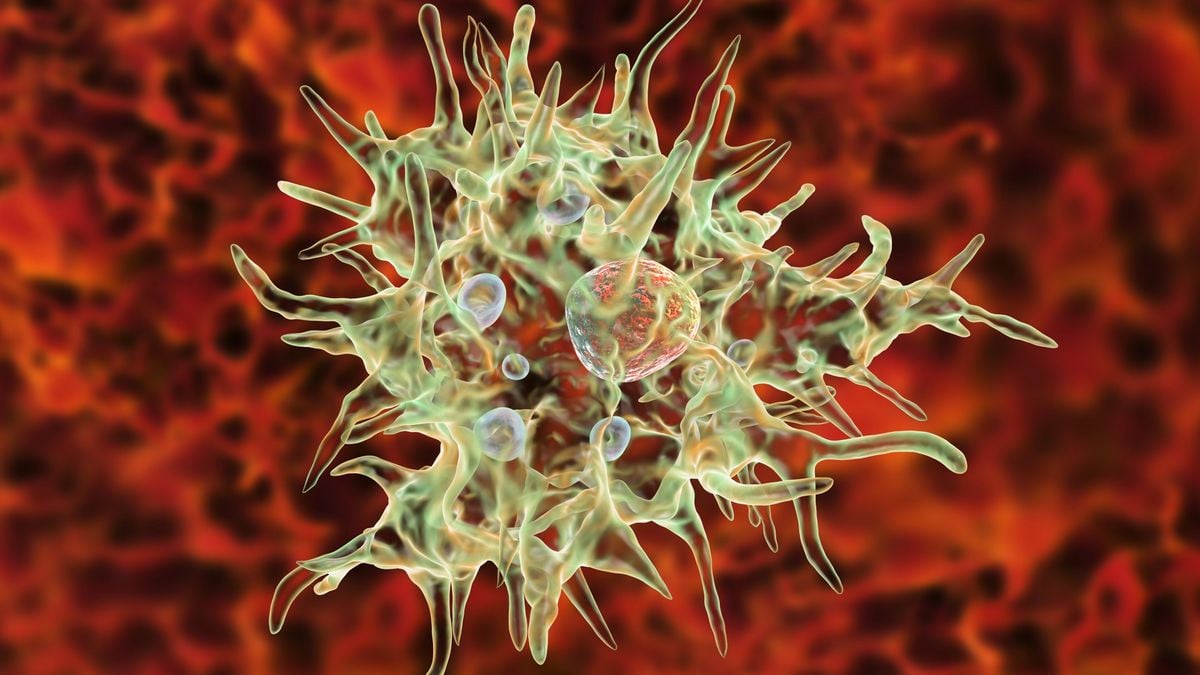
A 71-year-old woman in Texas died from a brain-eating infection caused by Naegleria fowleri, likely contracted from rinsing her sinuses with tap water from an RV at a campground. The amoeba, which is rare and only infects through the nose, causes a deadly brain infection with symptoms progressing rapidly. Experts warn against nasal rinsing with unboiled water and highlight the importance of water safety, especially in warm freshwater environments where the amoeba thrives.

health1 year ago

"Potential Dangers of Nasal Rinsing for Hayfever Relief"

Nasal rinsing, a popular technique for managing hayfever, poses risks if not done with sterile water, as it can introduce germs into the body and potentially lead to fatal infections, especially for those with weakened immune systems. The nose's proximity to blood vessels and sinuses makes it a danger zone for pathogens to enter the bloodstream, potentially causing serious infections. It's important to use sterile saline solution for nasal rinsing, and if tap water must be used, it should be boiled and cooled first.

health1 year ago

"CDC Warns of Deadly Amoeba Risk from Nasal Rinsing"

The CDC has reported cases of Acanthamoeba infections resulting from nasal rinsing with unsterile tap water, leading to skin diseases and a rare brain infection called granulomatous amoebic encephalitis (GAE). Three out of 10 infected individuals died, all of whom had weakened immune systems. The CDC recommends using boiled, sterile, or distilled water for nasal rinsing to prevent such infections.

health1 year ago

"Risks of Deadly Amoeba Infections from Nasal Rinsing Devices"

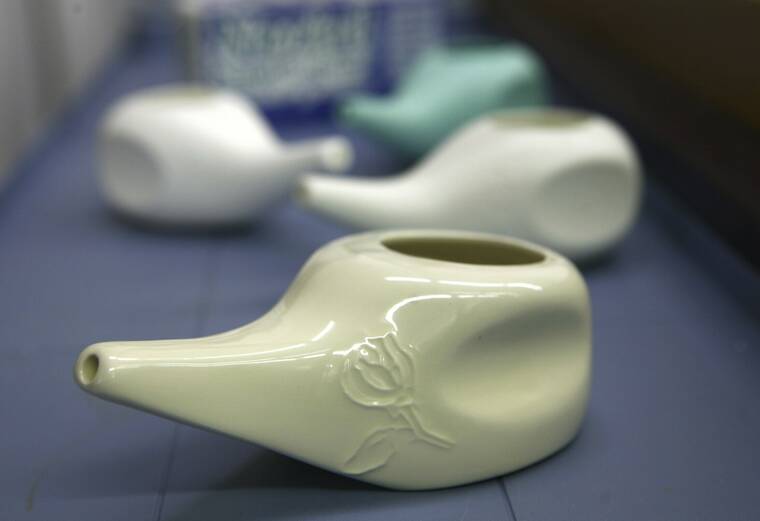
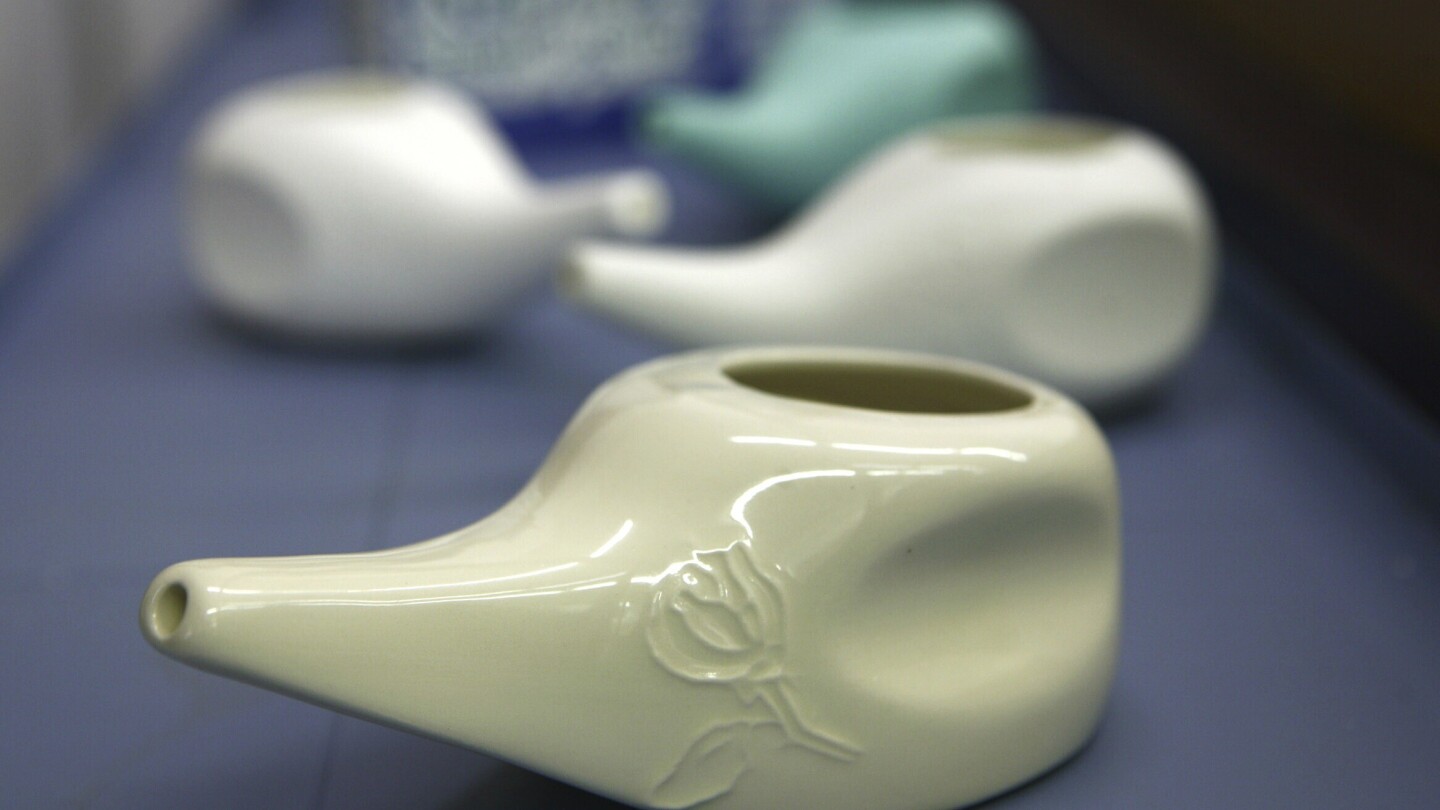
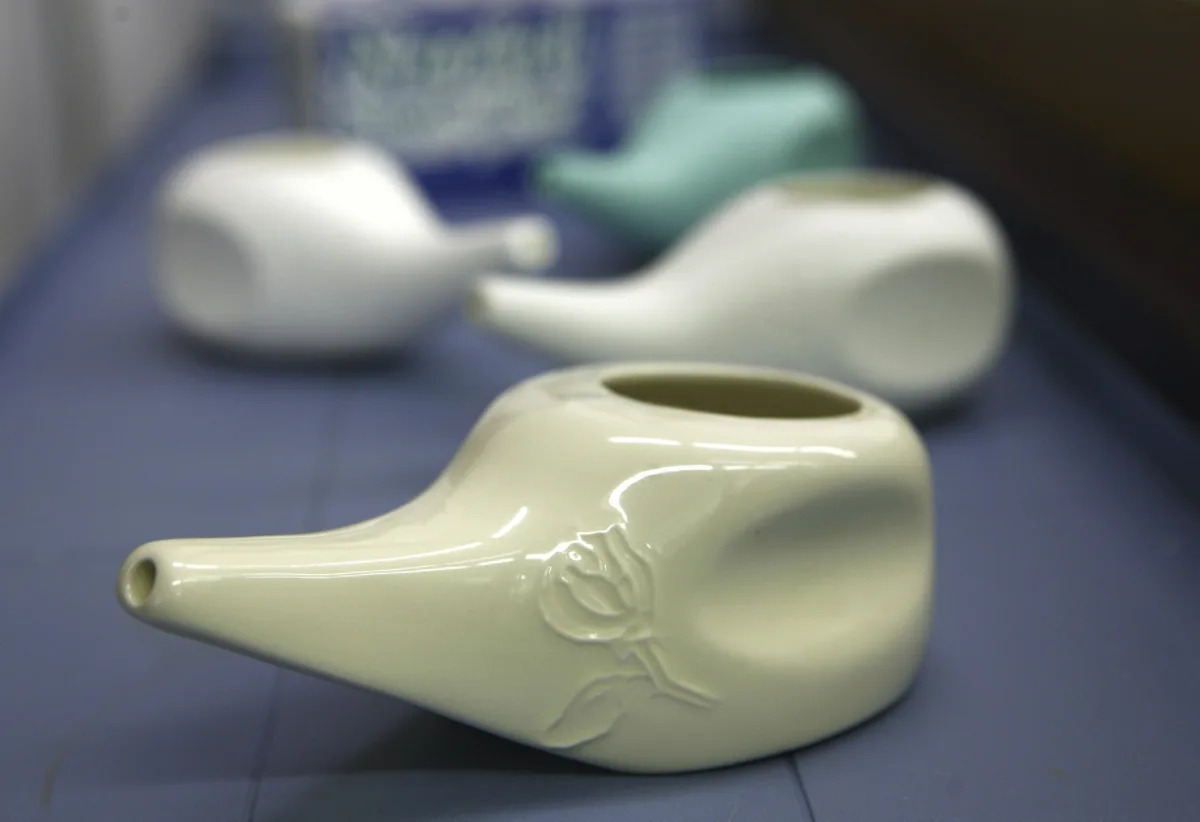
The CDC has linked neti pots and other nasal rinsing devices to potentially deadly acanthamoeba infections, with 10 cases reported between 1994 and 2022, three of which were fatal. The FDA has long warned against improper use, such as using tap water, which can increase the risk of infection. Health officials recommend using boiled and cooled water or buying distilled or sterile water for nasal rinsing to prevent infections, and urge healthcare providers to educate patients on safe practices.

health1 year ago

"Tap Water Warning: Deadly Amoeba Linked to Nasal Rinsing"

The CDC has linked Acanthamoeba infections to nasal rinsing, particularly through the use of neti pots, and poor hygiene in people who use contact lenses. Acanthamoeba is a dangerous amoeba found in the environment that can cause rare but severe illness and death. Symptoms of infection can include eye discomfort, skin infections, and serious neurological problems. The CDC recommends using boiled, sterile, or distilled water for nasal rinsing and following strict hygiene practices for contact lens use to prevent infection.

health1 year ago

"Warning: Neti Pot Users at Risk of Deadly Brain-Eating Amoeba from Tap Water"

The Centers for Disease Control and Prevention has linked Acanthamoeba infections to the use of neti pots and other nasal rinsing devices, renewing warnings about the potential dangers of using tap water for nasal irrigation. Acanthamoeba, a deadly amoeba, can cause serious and potentially life-threatening illnesses, particularly in individuals with weakened immune systems. The CDC recommends using boiled, sterile, or distilled water for nasal rinsing to avoid the risk of infection.

health1 year ago

"Risks of Deadly Brain Amoeba from Neti Pots and Nasal Rinsing with Tap Water"

The CDC has linked Acanthamoeba infections to nasal rinsing devices like neti pots, renewing warnings about the potential dangers of using tap water for nasal irrigation. Acanthamoeba, a deadly amoeba found in lakes, rivers, and soil, can cause serious and life-threatening illnesses, particularly in individuals with weakened immune systems. The CDC recommends using boiled, sterile, or distilled water for nasal rinsing to reduce the risk of infection.

health1 year ago

"Risks of Amoebas in Neti Pots: What You Need to Know"

The CDC has linked Acanthamoeba infections to neti pots and nasal rinsing, renewing warnings about the potential dangers of using tap water for nasal irrigation. A study focused on 10 patients who fell ill between 1994 and 2022, three of whom died, revealed commonalities such as weakened immune systems and nasal rinsing practices. Acanthamoeba, found naturally in the environment, can cause serious and potentially deadly illnesses, with health officials identifying about 180 infections since 1956. The CDC recommends using boiled, sterile, or distilled water for nasal rinsing to reduce the risk of infection.

health1 year ago

"Risks of Amoebic Infection from Neti Pots: What You Need to Know"

The CDC has linked Acanthamoeba infections to neti pots and nasal rinsing, renewing warnings about the potential dangers of using tap water for nasal irrigation. A study focused on 10 patients who fell ill between 1994 and 2022, three of whom died, revealed commonalities such as weakened immune systems and nasal rinsing practices. Acanthamoeba, a deadly amoeba found in tap water, can cause serious and potentially life-threatening illnesses, with a fatality rate of 85% in reported cases. The CDC recommends using boiled, sterile, or distilled water for nasal rinsing to mitigate the risk of infection.

health1 year ago

"CDC Warns Against Tap Water Nasal Rinsing After Deadly Amoeba Infections"

The CDC has warned against using tap water for nasal rinsing after 10 patients contracted deadly brain infections from the amoeba Acanthamoeba, found in over 50% of US tap water samples. The amoeba can cause severe illness and even death, particularly among immunocompromised individuals. The CDC recommends using boiled, sterile, or distilled water for nasal rinsing to prevent invasive Acanthamoeba infections. It's important to educate the public about the risks associated with using tap water for nasal rinsing, as many people are unaware of the potential dangers.