Scientists at the University of Maryland have experimentally measured a phenomenon called imaginary time, a concept from quantum theory, by observing how microwave radiation interacts with materials. This discovery could enhance sensing and storage technologies and improve understanding of how information is affected as light travels through different media.
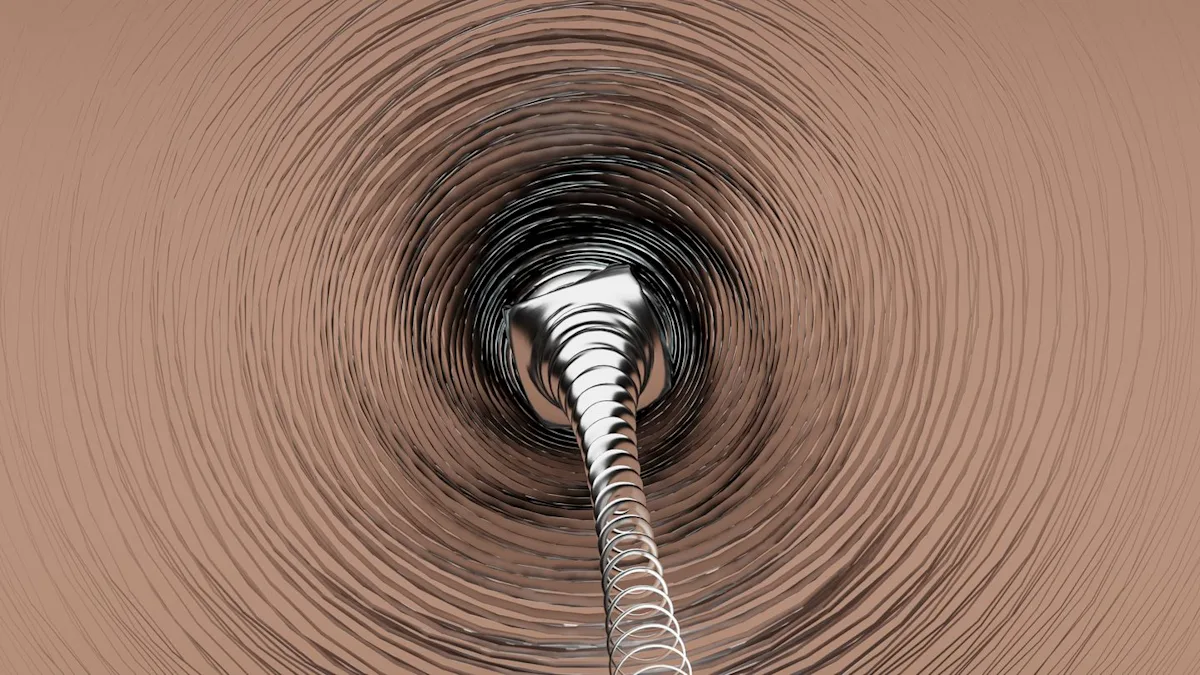
Physicists have experimentally observed how light behaves during 'imaginary time' using microwave pulses in a circular cable setup, revealing that imaginary numbers can describe real, measurable processes in light transmission, thus providing new insights into the behavior of light and electromagnetic interactions.
Physicists have experimentally observed how light behaves in 'imaginary time' using microwave pulses in a circular cable setup, revealing that imaginary numbers can describe real, measurable processes in light transmission, thus providing new insights into the behavior of light and electromagnetic interactions.