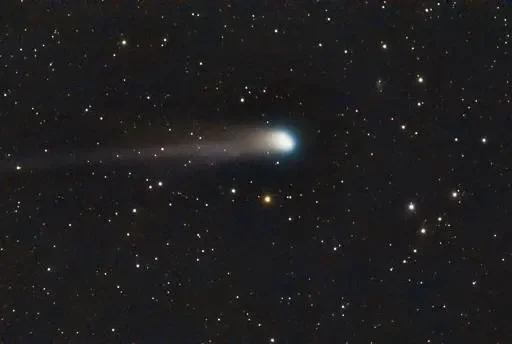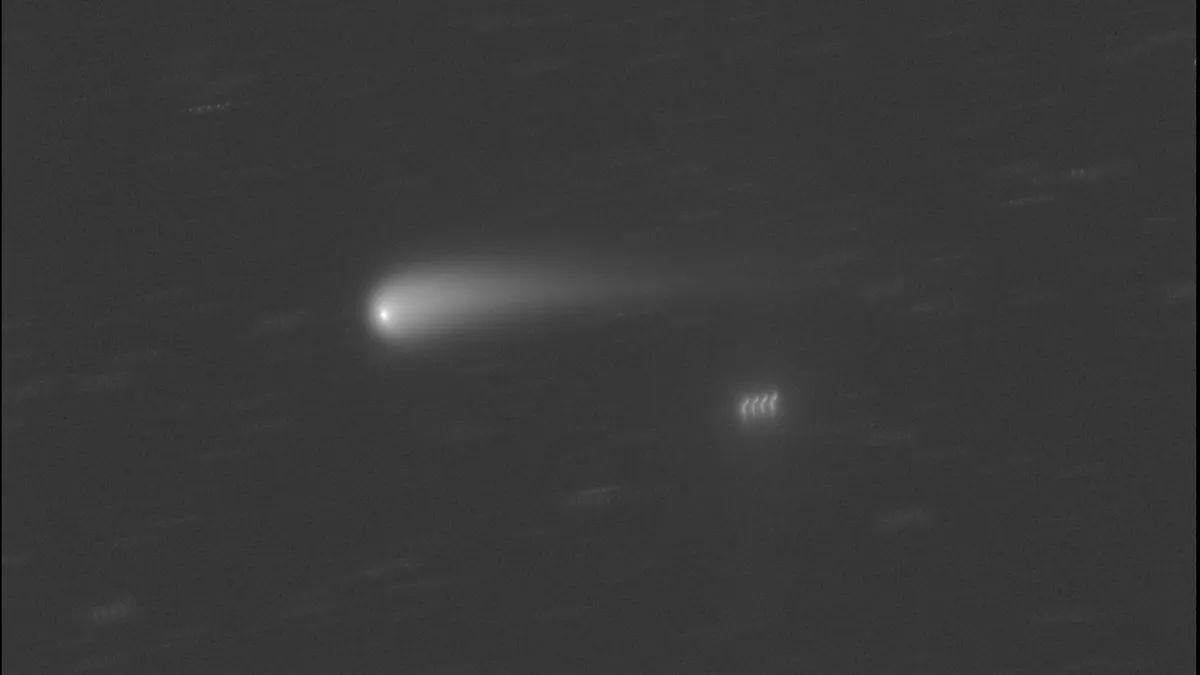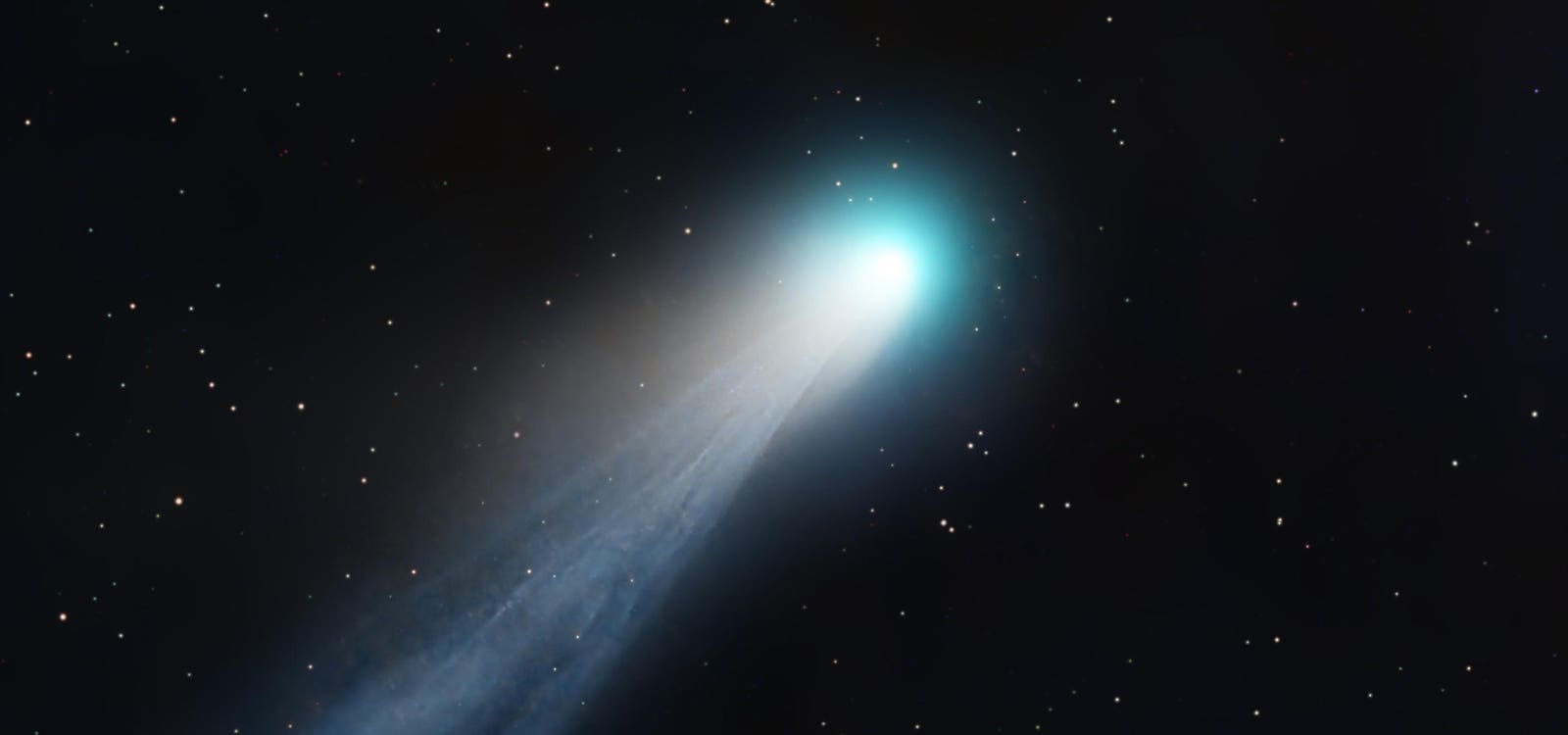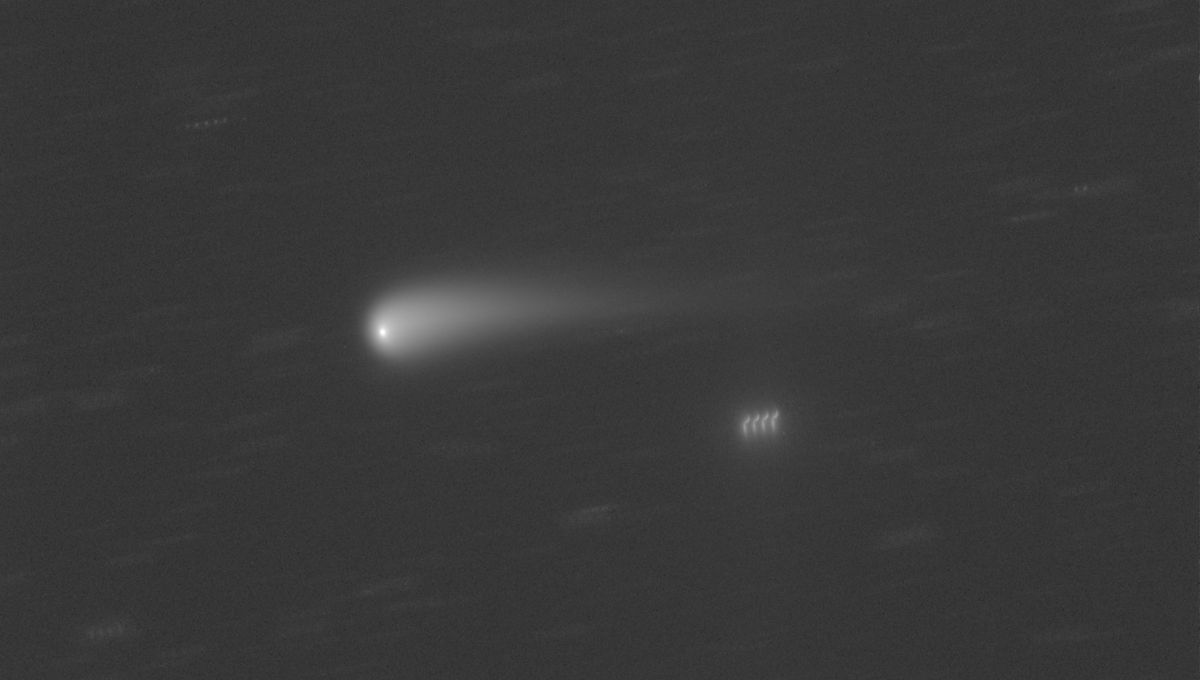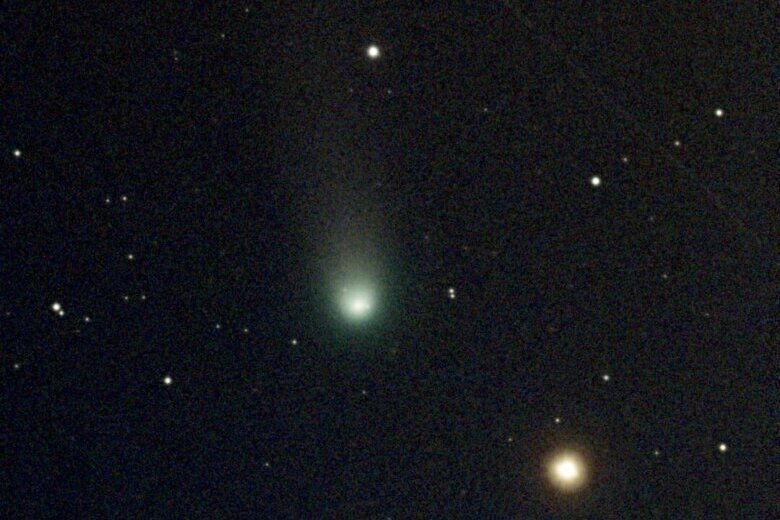
Comet C/2025 A6 Lemmon is becoming bright enough to be visible to the naked eye in the coming days, offering a great opportunity for sky watchers to observe it with minimal equipment, especially in dark, clear skies before dawn or after sunset. The comet's brightness is expected to increase through October and possibly November, and viewers are encouraged to use telescopes, binoculars, and cameras for a better experience.
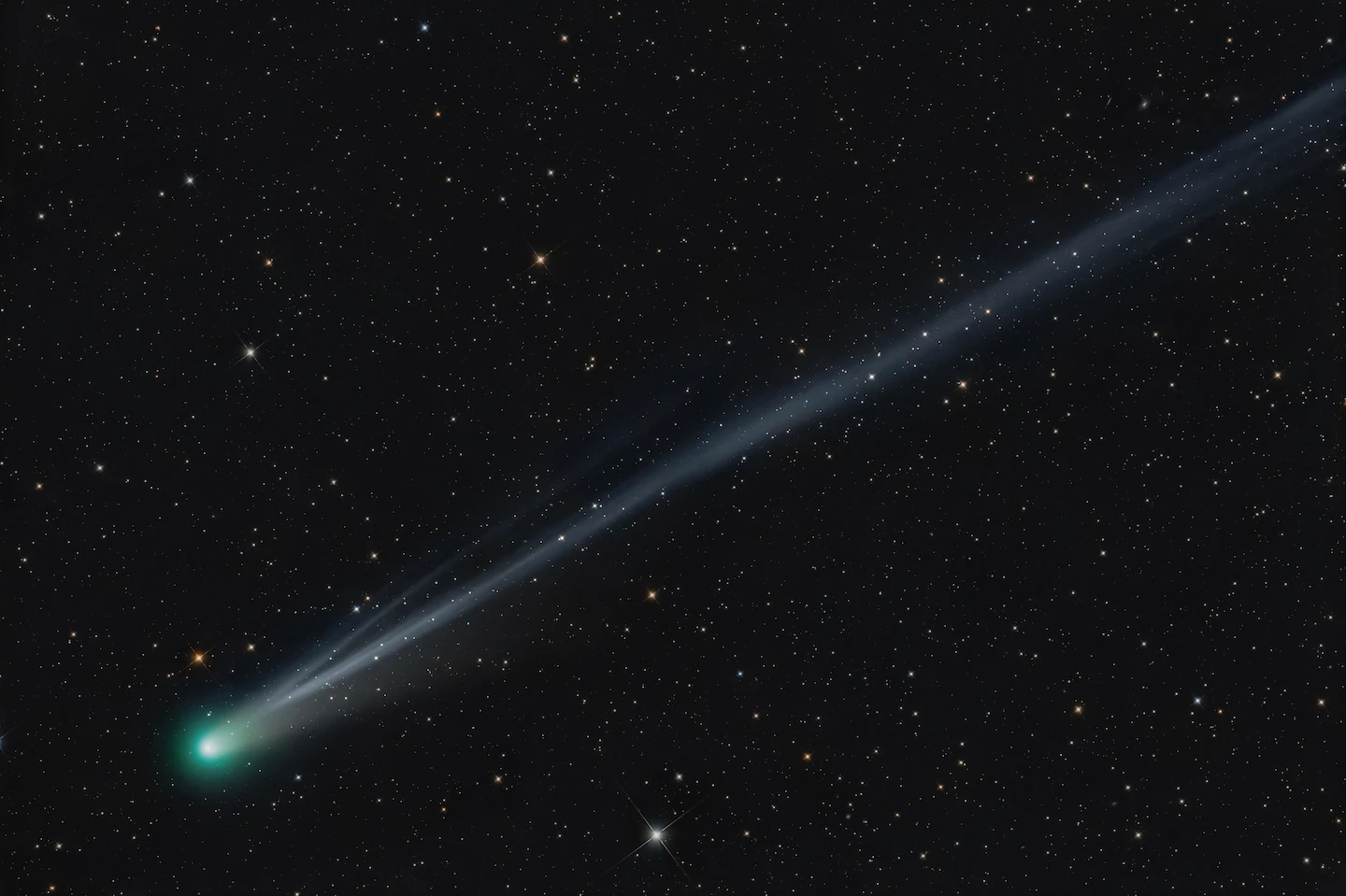
Two rare bright comets, C/2025 A6 Lemmon and C/2025 R2 SWAN, are visible this month, offering a once-in-a-lifetime opportunity to see them with the naked eye, especially in the second half of the month from the northern hemisphere.
Two rare green comets, Lemmon and SWAN, are visible in October 2025, with Lemmon visible before sunrise in the northeast and SWAN after sunset in the southwest, offering a rare double sighting for skywatchers with binoculars or small telescopes.
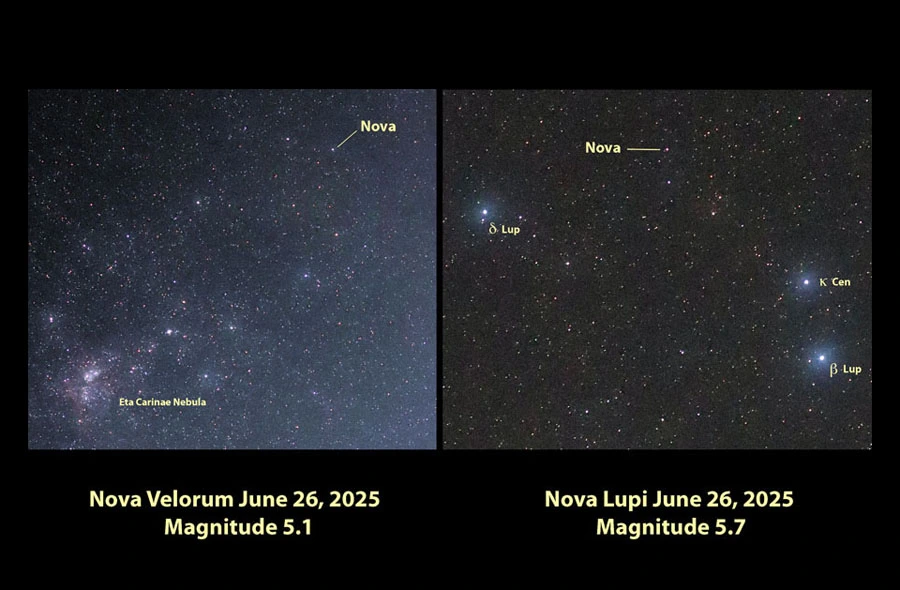
This summer, amateur astronomers can witness a rare event: two novae, V462 Lupi and Vela, visible to the naked eye simultaneously, offering a unique opportunity to observe these cosmic phenomena without optical aid.
Comet C/2023 A3 (Tsuchinshan-ATLAS) may become visible to the naked eye in October 2024, potentially brightening to first or second magnitude and developing a notable tail. However, as a first-time visitor from the Oort cloud, its brightness could falter, making its visibility uncertain. Observers in the Southern Hemisphere will track its progress this summer.
Comet Tsuchinshan-ATLAS (C/2023 A3) is expected to become visible to the naked eye in October 2024, potentially reaching a brightness comparable to Venus. This long-period comet, discovered in February 2023, will be best viewed from the northern hemisphere just after sunset following its closest approach to the sun on October 10, 2024.
Comet C/2023 A3 (Tsuchinshan–ATLAS) is expected to become visible to the naked eye by late summer or early autumn, potentially reaching a brightness comparable to Venus. It will make its closest approach to the Sun on September 27 and to Earth on October 12, offering a spectacular view if it brightens as predicted.