Tag

Molecular Mechanism

All articles tagged with #molecular mechanism

biology4 months ago

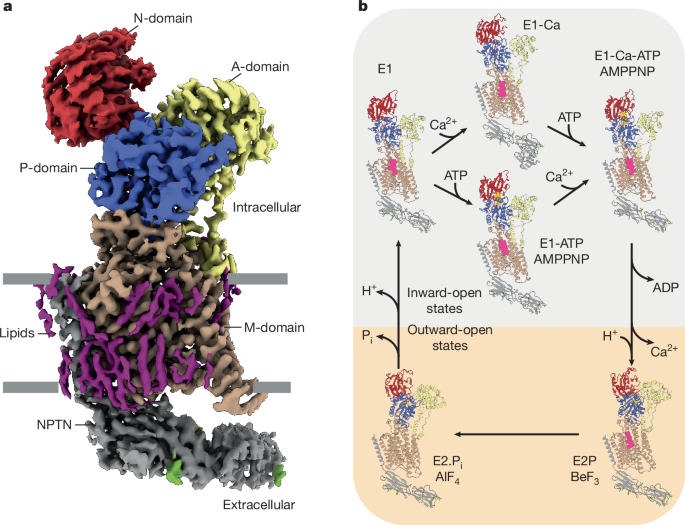
Revealing the Ultrafast Calcium Transport Mechanism of Plasma Membrane Ca2+-ATPases

This article explores the molecular structure and function of plasma membrane Ca2+-ATPases (PMCAs), revealing how they achieve ultrafast calcium transport through specific structural features, interactions with phospholipids like PtdIns(4,5)P2, and conformational changes during their transport cycle, with implications for understanding their role in cellular calcium signaling and potential drug targeting.

science1 year ago

"Bacterial Flagellum: Unveiling the Structural Basis of Directional Switching"

Researchers have used cryo-electron microscopy (cryo-EM) to investigate the structural basis of directional switching by the bacterial flagellum, a molecular motor that propels bacteria. The study provides atomic-level insights into the mechanisms underlying the ability of the flagellum to change direction, shedding light on the complex molecular machinery involved in this process. The data and code used for the analysis are publicly available, and the findings contribute to our understanding of bacterial motility and could have implications for the development of novel antimicrobial strategies.

biology2 years ago

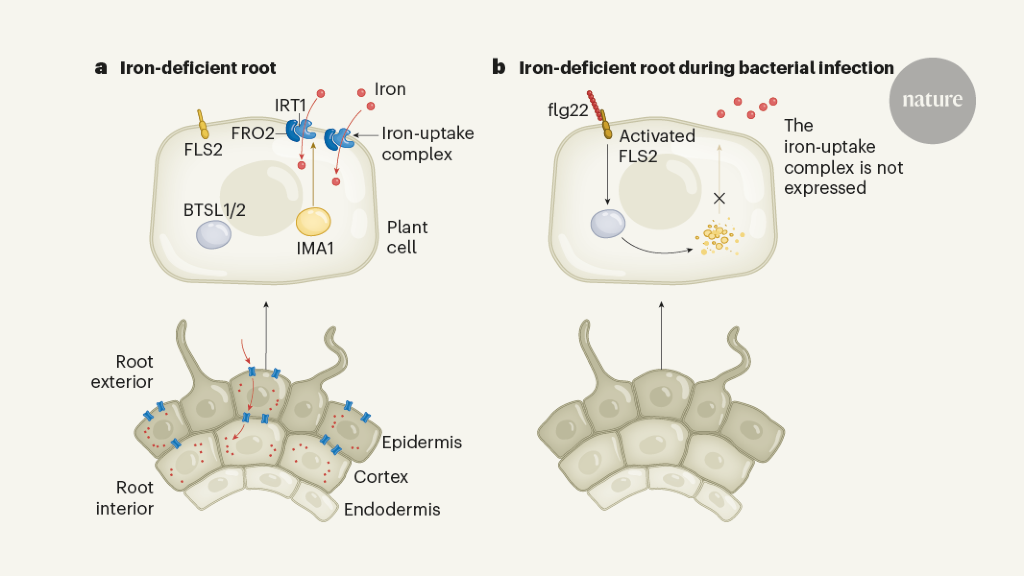
"Balancing Growth and Defense: Spatial Regulation of Root Iron Acquisition"

Plants have a complex interplay between regulating iron uptake for growth and nourishing non-harmful microbes while inhibiting pathogens. A recent study provides insights into the molecular mechanism of crosstalk between iron and immunity during iron deficiency, shedding light on how plants manage the competing interests of growth and defense. This involves suppressing root acquisition of iron upon pathogen recognition, highlighting the intricate relationship between plants and their commensal and pathogenic bacteria.

biology2 years ago

Cracking the Centennial Enigma: Unveiling the Molecular Dice that Determine Bee Sex

Researchers from Heinrich Heine University Düsseldorf have identified a key gene, known as Csd (Complementary sex determiner), and the molecular mechanism associated with it, solving a genetic mystery that has persisted for over a century. The Csd gene, which can have over 100 variations, plays a crucial role in determining the sex of bees. When two different variants of the Csd gene are present, a female bee develops, while the presence of the same variants results in a male bee. The study sheds light on the intricate process of bee sex determination and may contribute to advancements in bee breeding.

health2 years ago

"Breakthrough Discovery: Harvard Scientists Solve Breast Cancer Mystery"

Harvard Medical School researchers have discovered a novel molecular mechanism that may account for up to one-third of breast cancer cases, showing estrogen not only fuels cancer growth, but directly alters cell DNA, leading to cancer-causing genomic rearrangements. This finding, while not immediately applicable to therapy, could influence the design of tests to monitor treatment response and cancer recurrence.

health2 years ago

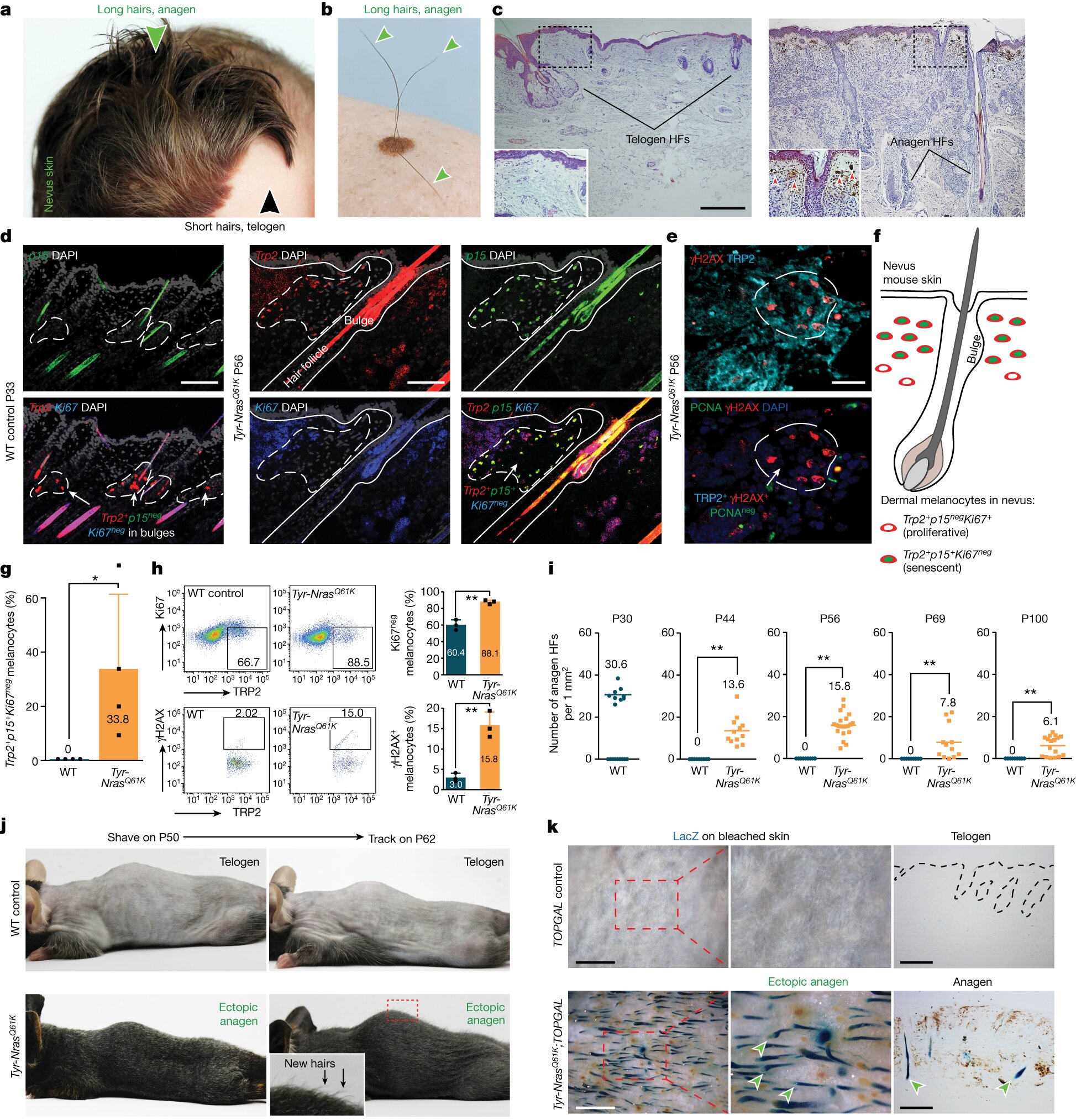
New discoveries in hair growth research offer potential cure for baldness.

Researchers from the University of California, Irvine, have identified a new molecular mechanism for stimulating hair growth. The study found that senescent pigment cells produce a signaling molecule called osteopontin, which activates hair follicles' stem cells for robust growth of long and thick hairs. The discovery may offer a road map for an entirely new generation of molecular therapies for androgenetic alopecia, a common form of hair loss in both women and men.

health2 years ago

Israeli Scientists Discover Potential Method to Regulate Autism Symptoms.

Israeli scientists have identified a molecular mechanism that may be involved in autism, involving nitric oxide, a common molecule and neurotransmitter in the body that plays a key role in neuronal functions. The researchers found that increased nitric oxide in the brain might be one of the mechanisms that lead to autism. The findings are based on experiments on lab animals, clinical blood samples and human stem cells. The study provides a new direction for drug development for brain disorders, but the challenge is to create a new dynamic equilibrium of brain nitric oxide in autistic children without changing nitric oxide in other organs.

science2 years ago

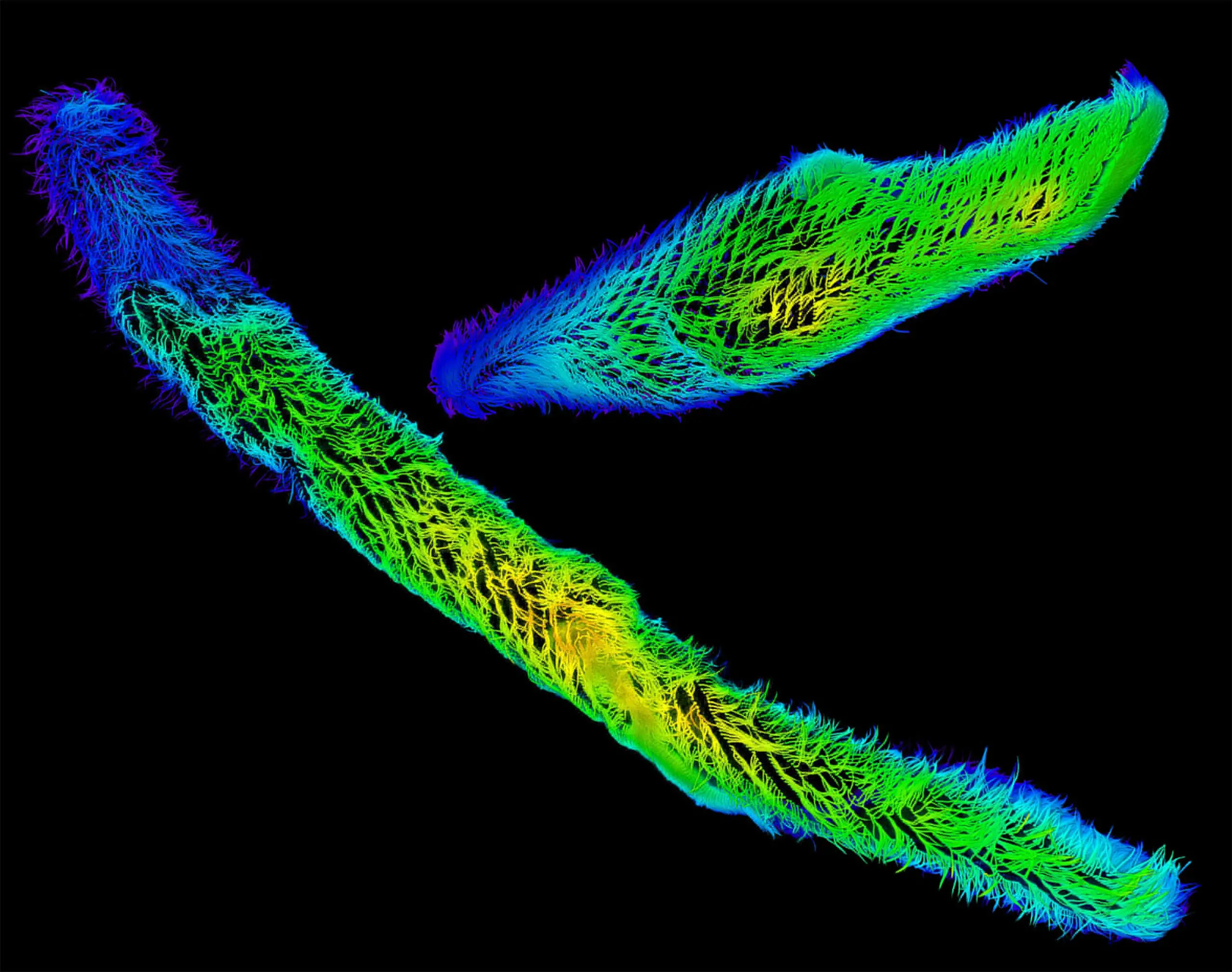
Unveiling the Giant Proteins Behind the World's Fastest Biological Movement.

Chinese scientists have discovered the molecular basis for the ultrafast contraction of Spirostomum, a genus of millimeter-scale single-celled protists known for their incredibly rapid movement, using a high-quality genome obtained from RNAi. The contractile structure was found to be composed of two giant proteins and two Ca2+ binding proteins, providing a blueprint for the design and construction of ultrafast contractile micromachines. This study is significant for understanding the molecular mechanism of ultrafast cell contraction.