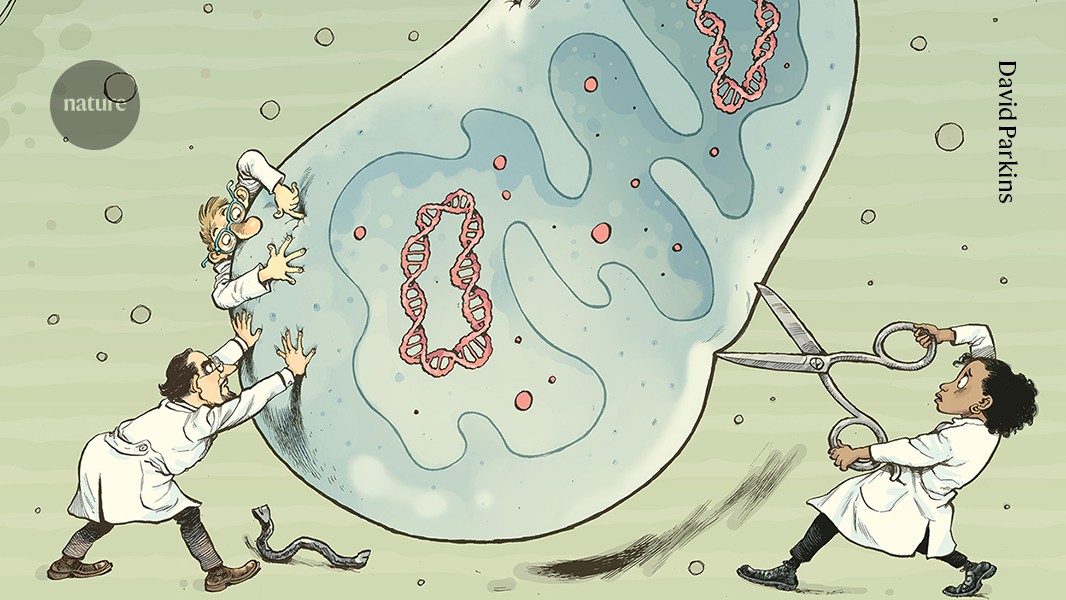
Researchers are developing new methods to precisely edit mitochondrial DNA, which is crucial for understanding and potentially treating mitochondrial diseases, as traditional CRISPR techniques cannot easily access mitochondria due to their membrane barriers. Innovations like DddA-based base editing and TALENs are promising tools that could lead to cures for these incurable genetic disorders.
UK scientists successfully used a three-parent IVF technique called Mitochondrial Donation Treatment to deliver eight healthy babies free from severe mitochondrial diseases, raising both hope and ethical questions about genetic intervention.
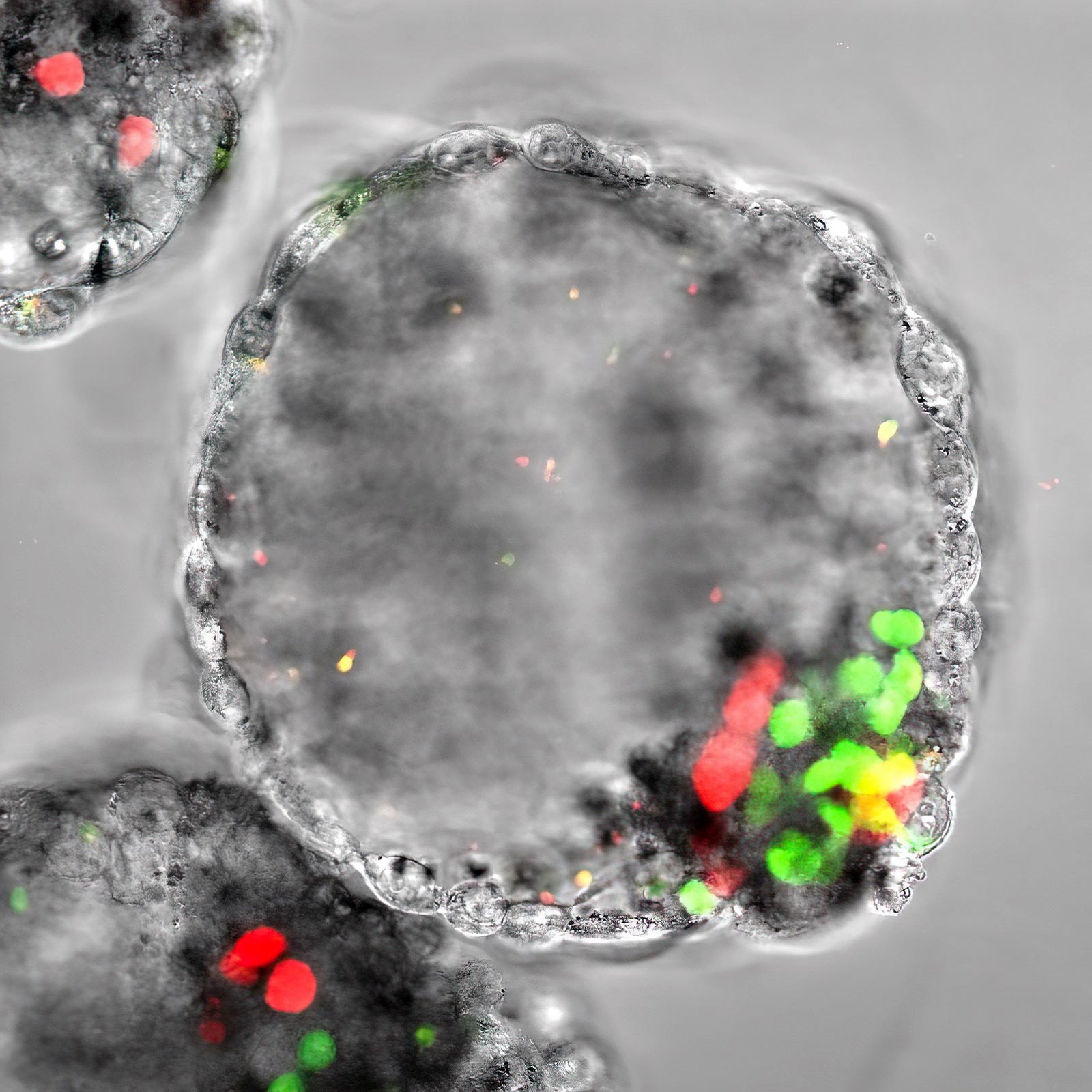
A baby has been born in the UK using DNA from three people, in an attempt to prevent mitochondrial diseases. The technique is a modified form of IVF that uses mitochondria from a healthy donor egg. Fewer than five such babies have been born, but no further details have been released. Mitochondrial diseases are incurable and can be fatal within days or even hours of birth.
A new high-throughput single-cell single-mitochondrial genome sequencing technology called iMiGseq has enabled researchers to uncover previously hidden mutations in mitochondrial DNA (mtDNA) that cause maternally inherited diseases. The technology has also revealed complex patterns of pathogenic mtDNA mutations, including single nucleotide variants and large structural variants, that were undetectable with conventional next-generation sequencing. Additionally, iMiGseq has shown the potential risks of unintended off-target mutations in a mitochondrial genome editing method called mitoTALEN, highlighting the need for more sensitive methods to assess the safety of editing strategies. The iMiGseq method provides a novel means to accurately depict the complete haplotypes of individual mtDNA in single cells, offering an ideal platform for explaining the cause of mitochondrial mutation-related diseases, evaluating the safety of various mtDNA editing strategies, and unraveling the links between mtDNA mutations, aging, and the development of complex diseases.