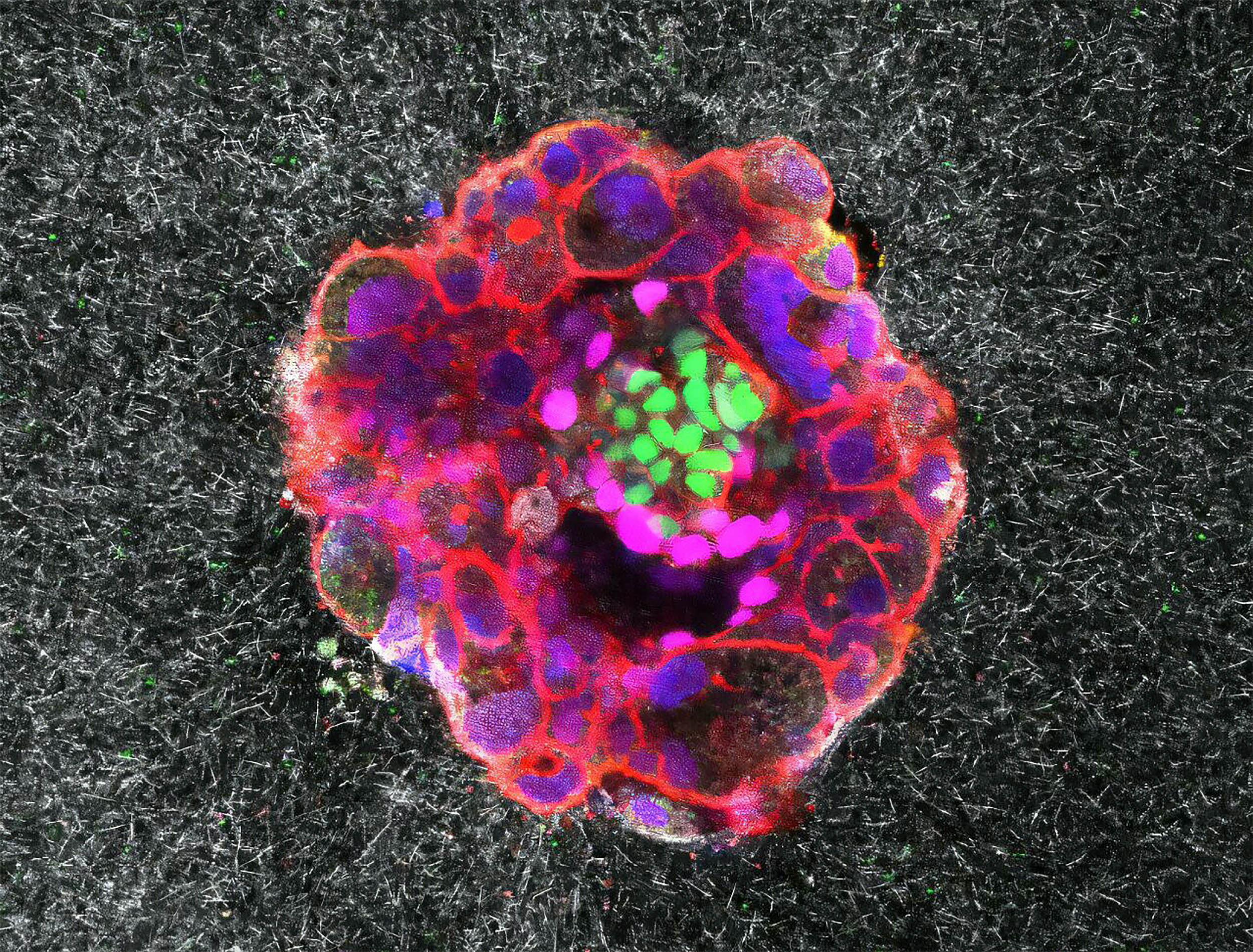
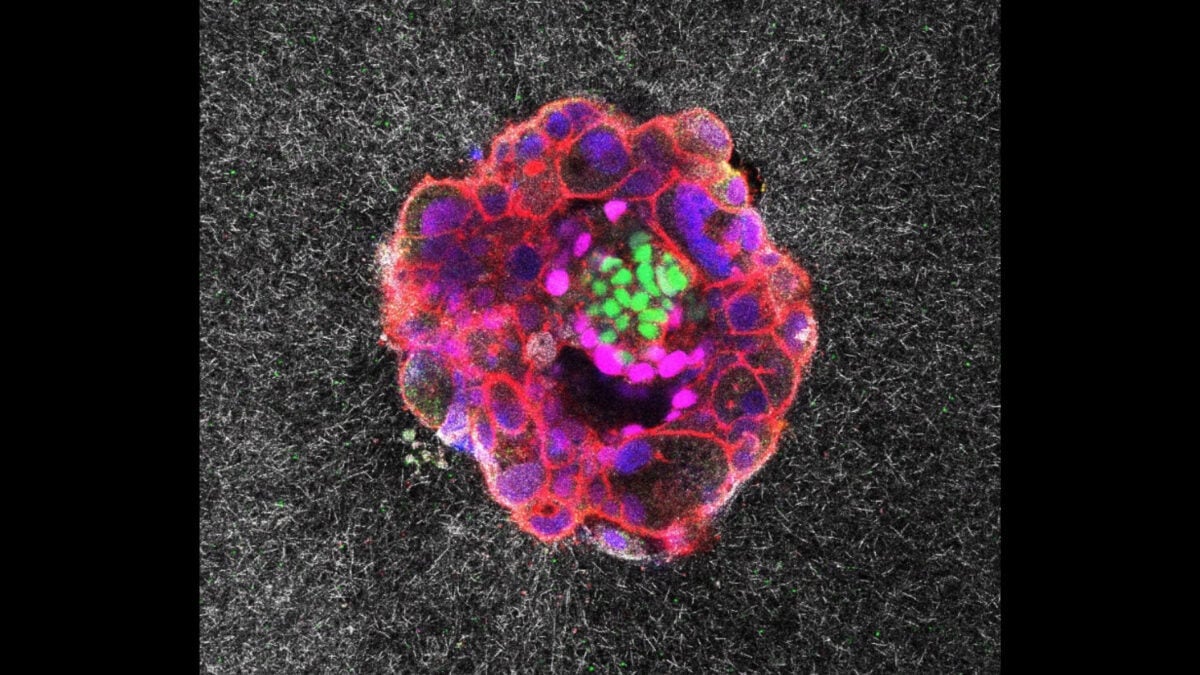
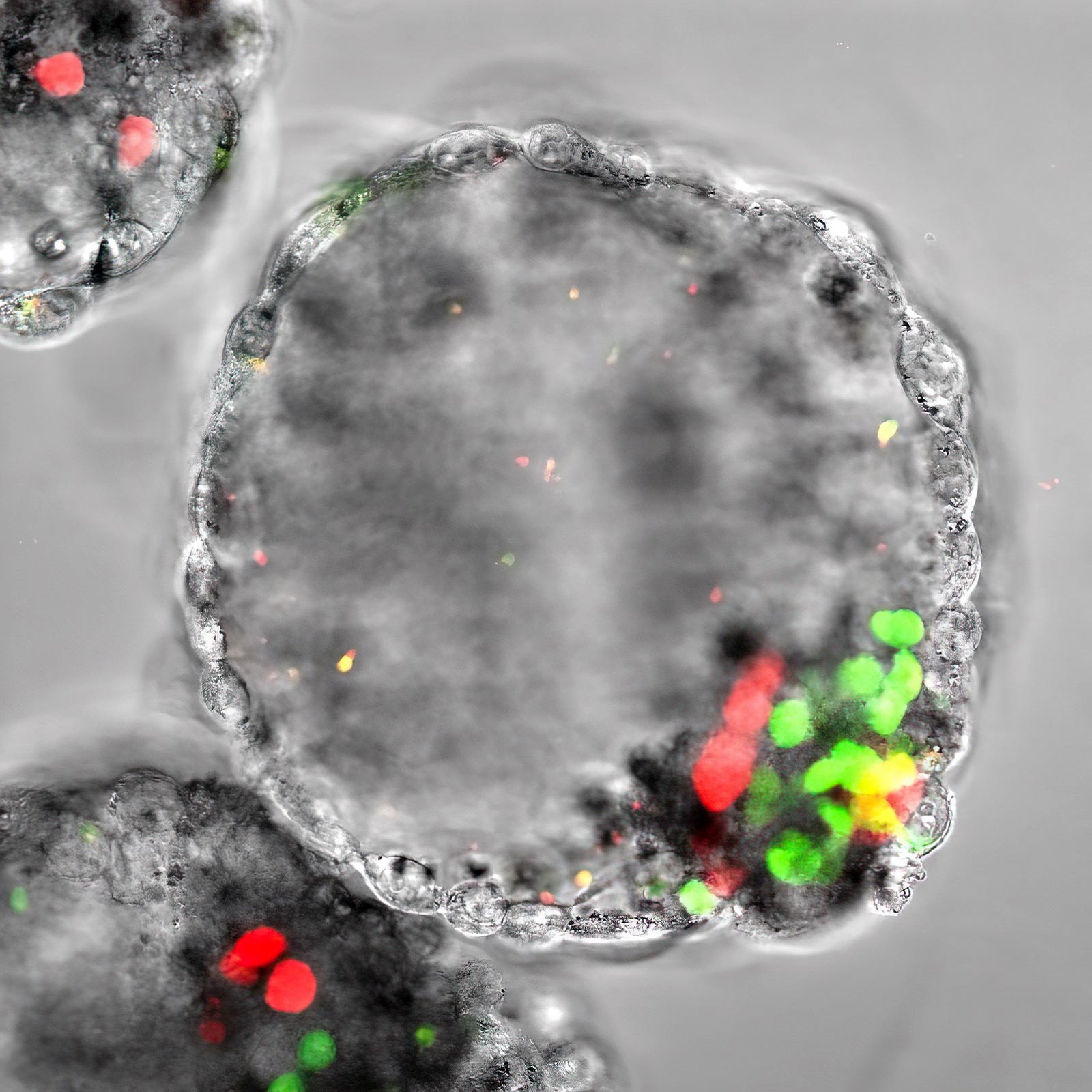
Scientists have successfully created a replica human womb lining in the lab, allowing them to observe early embryo implantation and chemical communication, which could lead to improved understanding of pregnancy failures and enhance IVF success rates.
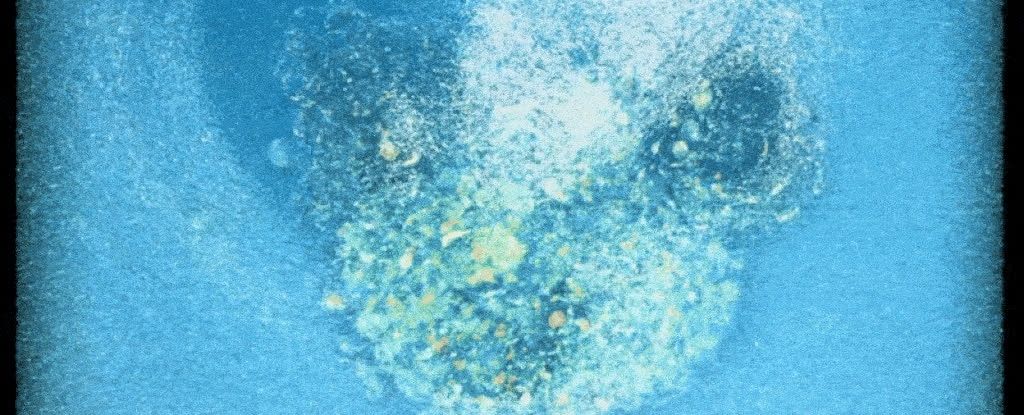
Scientists at IBEC have captured the first real-time 3D videos of human embryo implantation, revealing that embryos actively invade the uterine tissue by exerting mechanical forces and remodeling their environment, which could improve fertility treatments and understanding of early human development.
Scientists have for the first time filmed the dynamic process of human embryo implantation in a lab setting, providing new insights into early development and potential improvements in fertility treatments.
Scientists at IBEC and Dexeus University Hospital captured the first real-time footage of human embryo implantation, revealing that human embryos use force to burrow into the uterus, which could lead to improved fertility treatments and a better understanding of early pregnancy failures.
A new high-throughput single-cell single-mitochondrial genome sequencing technology called iMiGseq has enabled researchers to uncover previously hidden mutations in mitochondrial DNA (mtDNA) that cause maternally inherited diseases. The technology has also revealed complex patterns of pathogenic mtDNA mutations, including single nucleotide variants and large structural variants, that were undetectable with conventional next-generation sequencing. Additionally, iMiGseq has shown the potential risks of unintended off-target mutations in a mitochondrial genome editing method called mitoTALEN, highlighting the need for more sensitive methods to assess the safety of editing strategies. The iMiGseq method provides a novel means to accurately depict the complete haplotypes of individual mtDNA in single cells, offering an ideal platform for explaining the cause of mitochondrial mutation-related diseases, evaluating the safety of various mtDNA editing strategies, and unraveling the links between mtDNA mutations, aging, and the development of complex diseases.