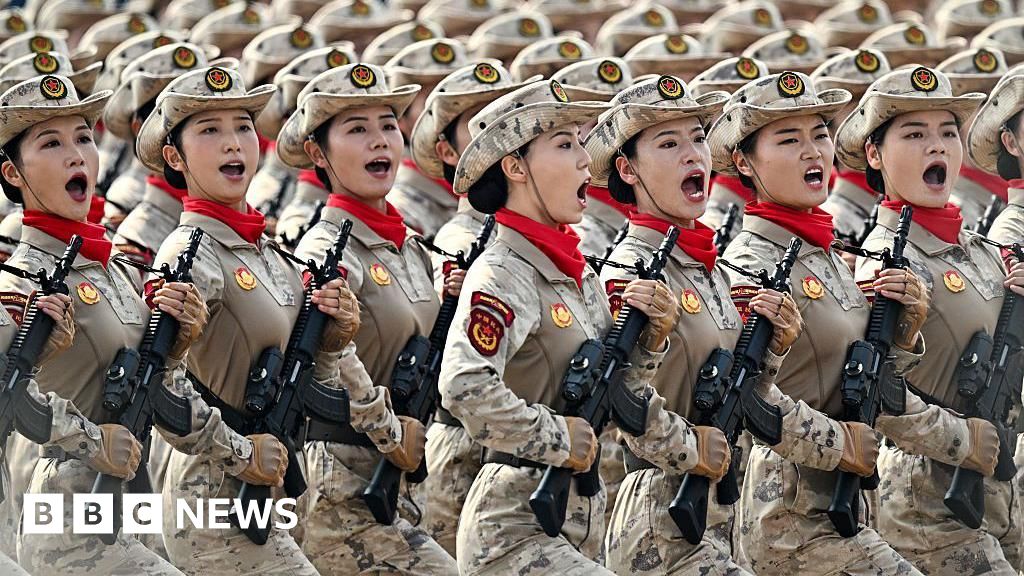
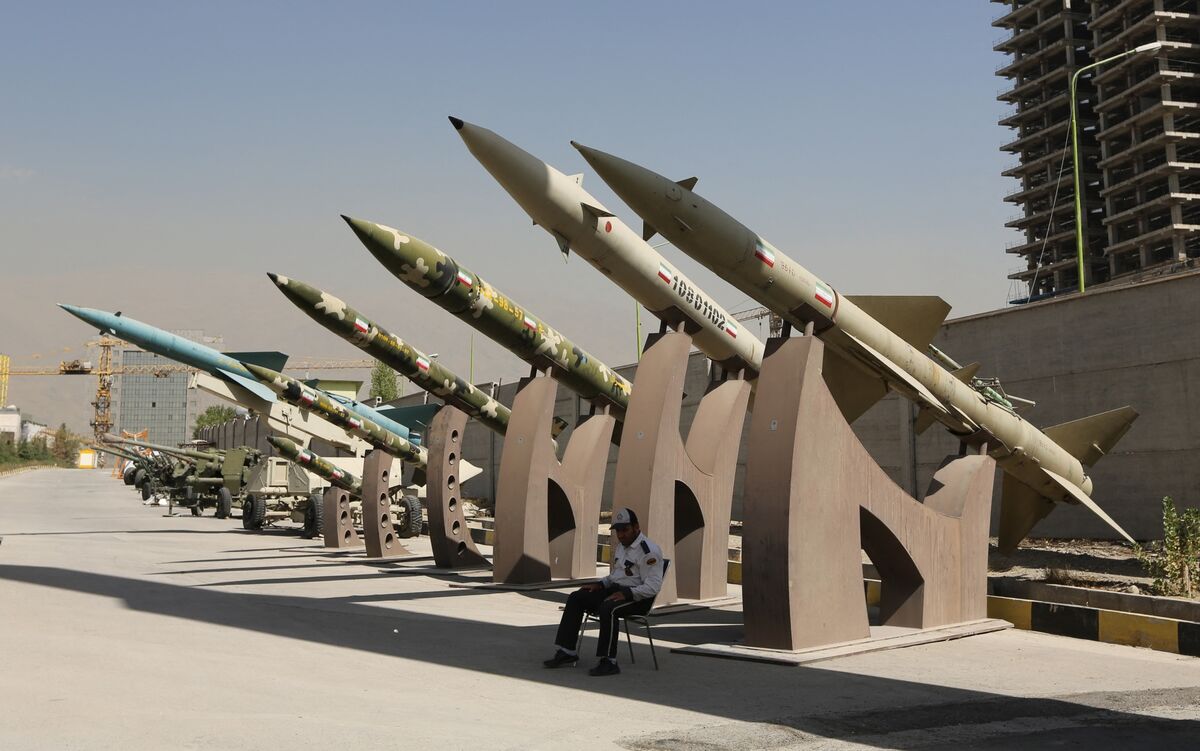
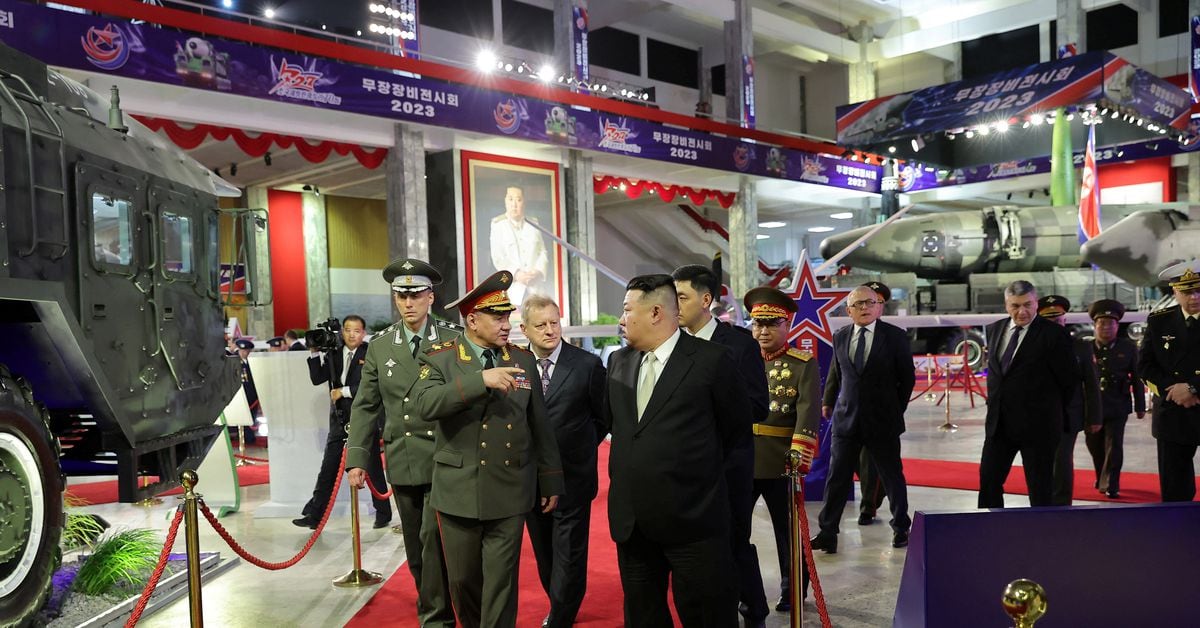
China showcased a wide array of advanced military hardware, including missiles, drones, and AI-powered systems, signaling its growing military strength and technological capabilities, while also aiming to strengthen international influence and counter US military dominance.
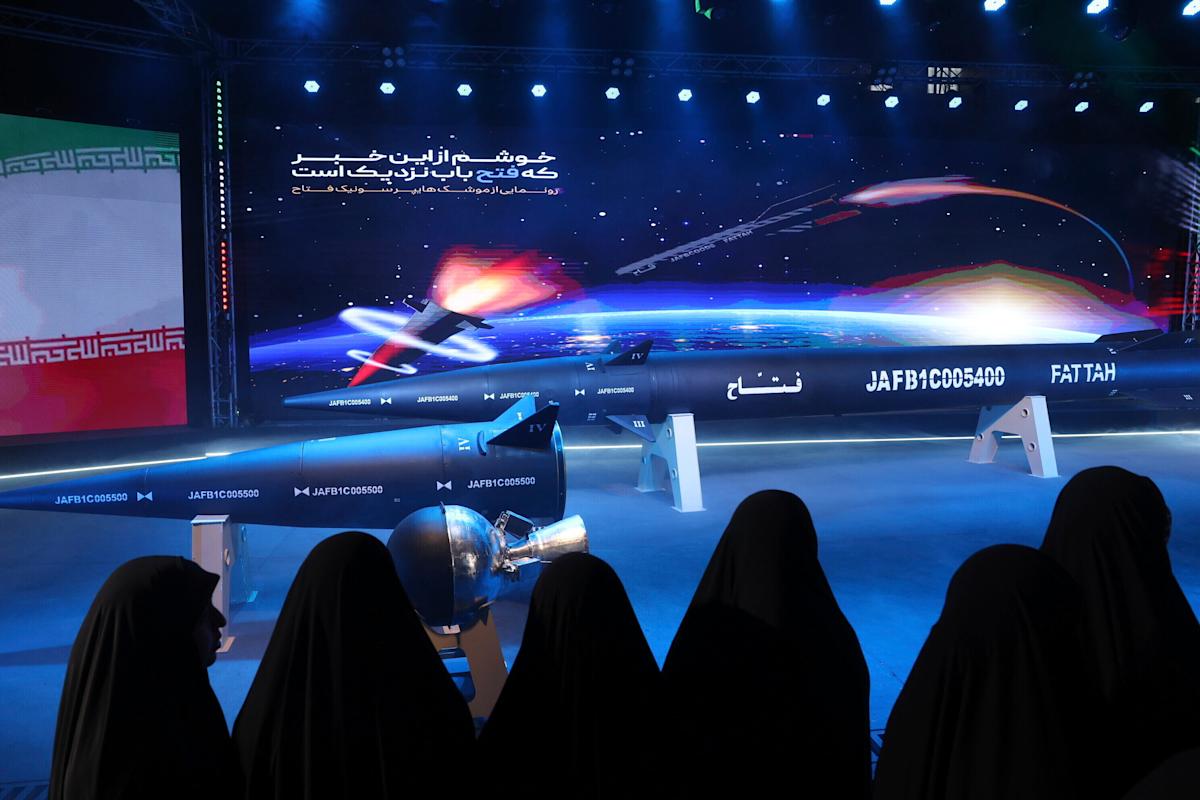
Iran claims to have fired hypersonic missiles at Israel, but experts are skeptical about the authenticity of these claims and the capabilities of Iran's missile technology. Hypersonic missiles, which travel faster than Mach 5 and are highly maneuverable, pose a significant challenge to missile defense systems, but currently only the US and China have developed advanced hypersonic weapons. Russia has claimed to use hypersonic missiles in Ukraine, though experts debate their true capabilities. The development and deployment of hypersonic weapons continue to influence global military dynamics and security concerns.
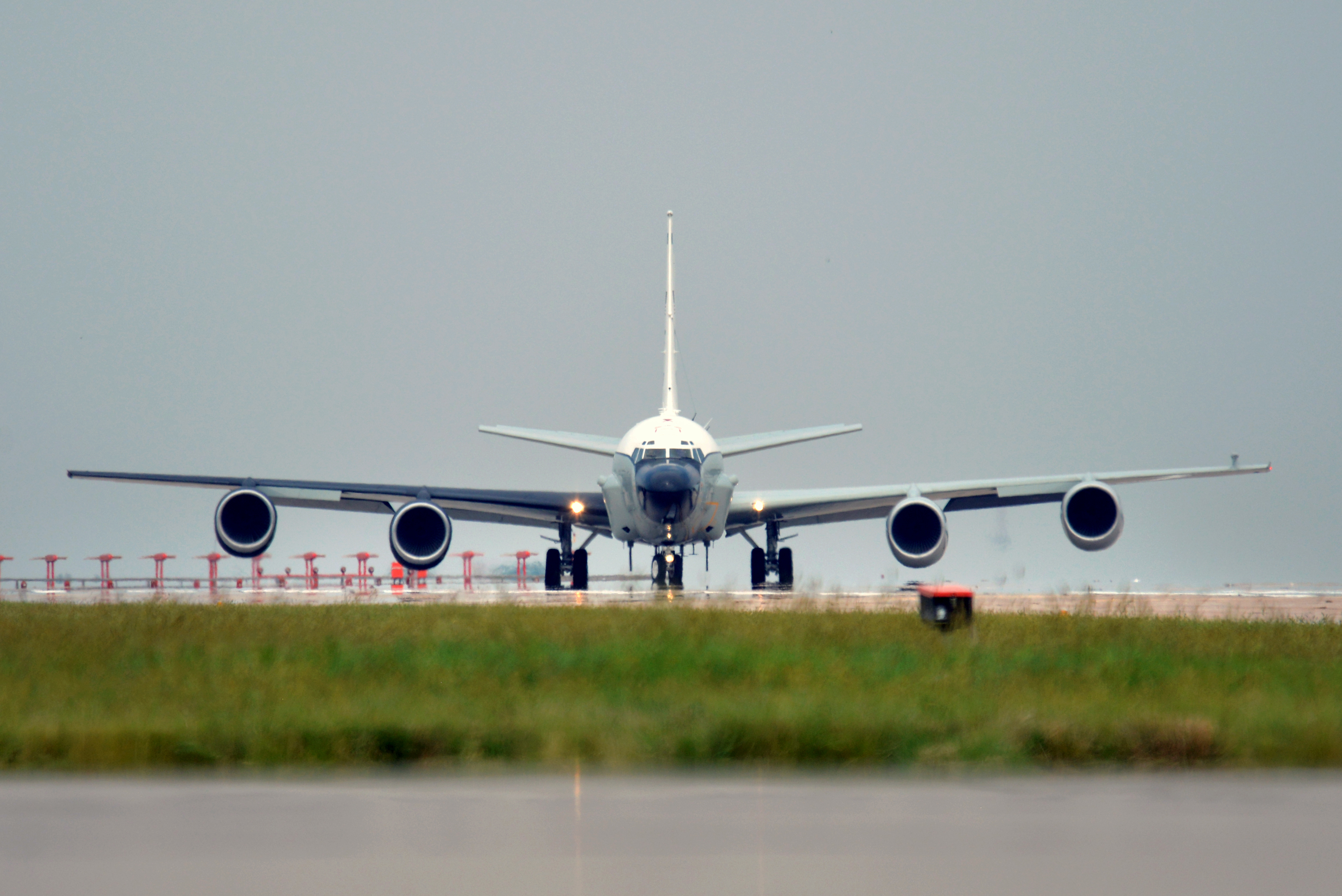
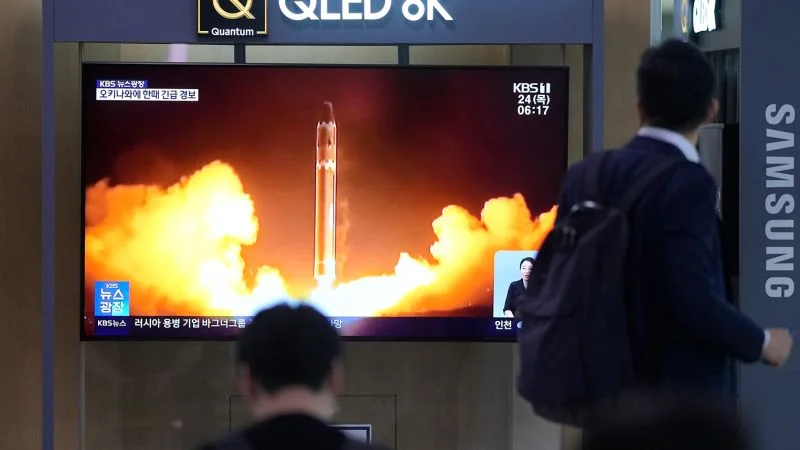
The US Air Force's RC-135S Cobra Ball reconnaissance plane was strategically positioned to gather data on North Korea's failed satellite launch, which ended in a midair explosion. The mission, part of a broader effort to monitor Pyongyang's missile activities, involved real-time data sharing with Japan and South Korea. North Korea blamed the failure on a new engine and vowed to continue its satellite program, while condemning US reconnaissance activities as espionage.
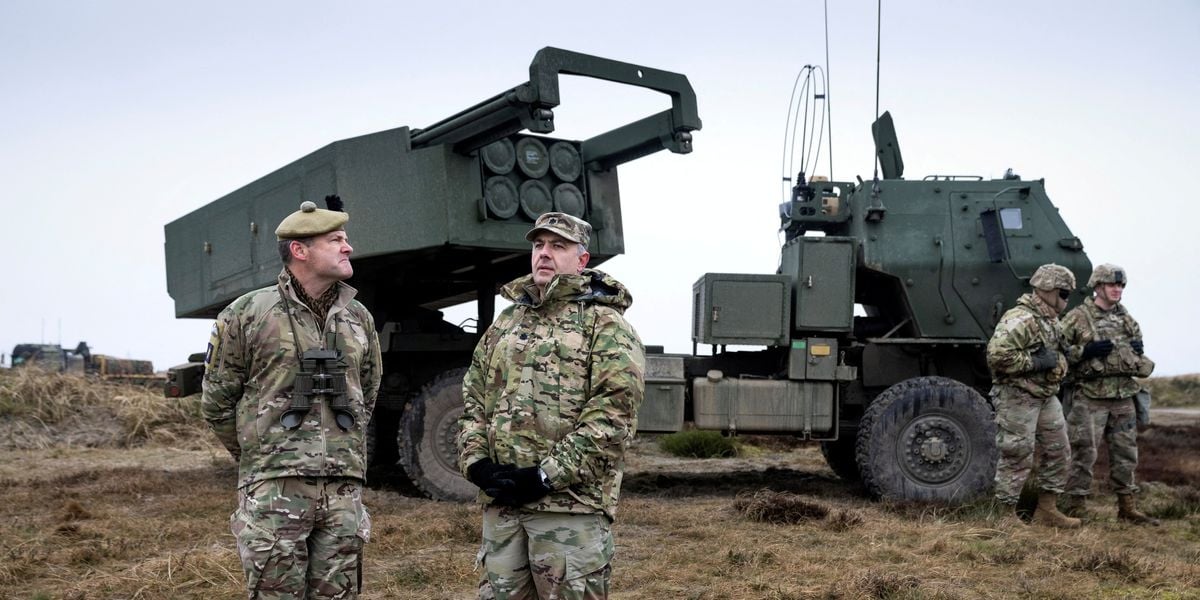
The Ukraine war has prompted the US to reconsider its reliance on expensive, precision-guided weapons, as they have proven vulnerable to Russian electronic warfare tactics. The use of older, sensor-guided artillery and relatively cheap drones by Ukraine has highlighted the limitations of US missile technology and tactics. Lessons from the conflict are expected to influence the US' next National Defense Strategy, with a focus on ground warfare, information warfare, and long-range fire capability.
A report by Conflict Armament Research reveals that a North Korean missile fired by Russia in Ukraine contained components from US and European companies, highlighting the challenge of preventing Western technology from being used in weapons by North Korea, Iran, and Russia. The investigation found that 75% of the missile's components were from US-based companies, with an additional 16% from European companies. The Biden administration has been grappling with this issue and established a task force to address it. The report also raises concerns about North Korea's ability to produce advanced weapons despite UN sanctions, and the growing strategic partnership between North Korea and Russia, with Russia using North Korean missiles in the conflict in Ukraine.
Ukraine's hopes for a decisive offensive victory against Russia with Western-supplied missiles are flawed, as Russian forces have the capability to adapt and counter these weapons. The belief that Russia is running critically low on munitions is also contradicted by evidence, as they have sustained long-range strike capabilities. Western-provided missiles can impose operational costs on Russian forces, but they are unlikely to decisively defeat them. It is crucial for Ukraine's backers to develop a realistic theory of victory that acknowledges the dire conditions faced by Ukraine and offers a sustainable framework for war termination.
Iran's recent missile attacks revealed the Khaibar-Shekan ballistic missile, capable of reaching Israel, marking a significant addition to the country's long-range arsenal and potentially altering the regional military dynamics.
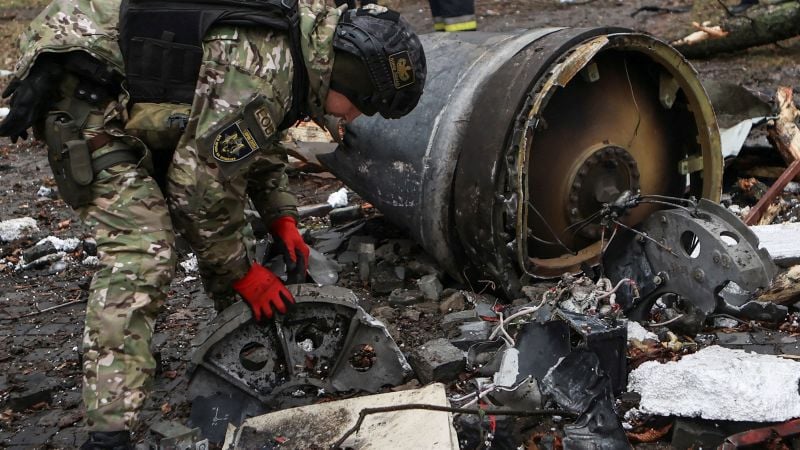
Russia's use of North Korean missiles in Ukraine is providing valuable insights for the US and its allies to assess the effectiveness of these missiles in a real-world battle scenario. Military analysts believe that the wreckage of these missiles will reveal crucial details that can be used to improve Western-made weapons and air defense systems. The use of these missiles in Ukraine is seen as a unique opportunity to gather information on their accuracy, range, and Ukraine's ability to intercept them, which could ultimately help in countering North Korea's missile threat.
South Korea has warned North Korea to halt its planned spy satellite launch, suggesting that it could suspend an agreement to reduce tensions and resume front-line aerial surveillance. North Korea has failed its first two attempts to put a spy satellite in space but vows to conduct a third attempt in October. The UN Security Council has banned North Korea from launching satellites, viewing them as disguised missile tests. South Korean officials believe the launch's delay is due to North Korea receiving technology assistance from Russia, as the two countries seek to increase transfers of weapons and technology.
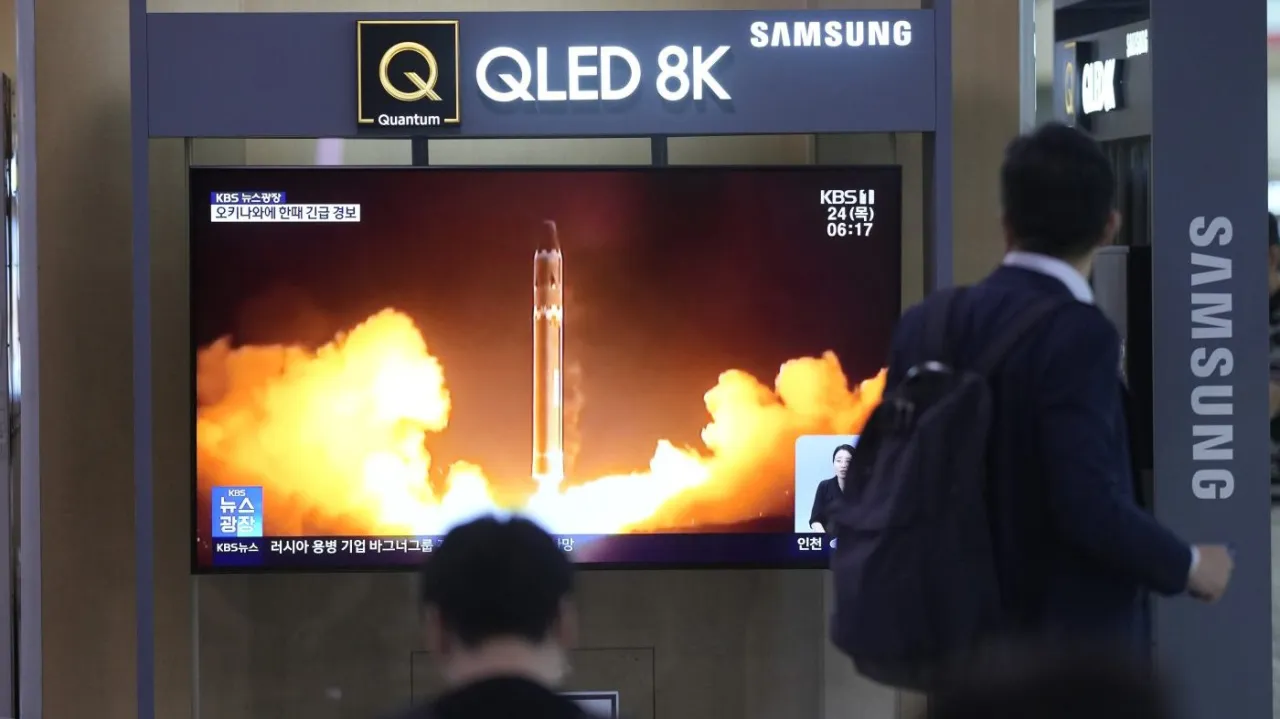
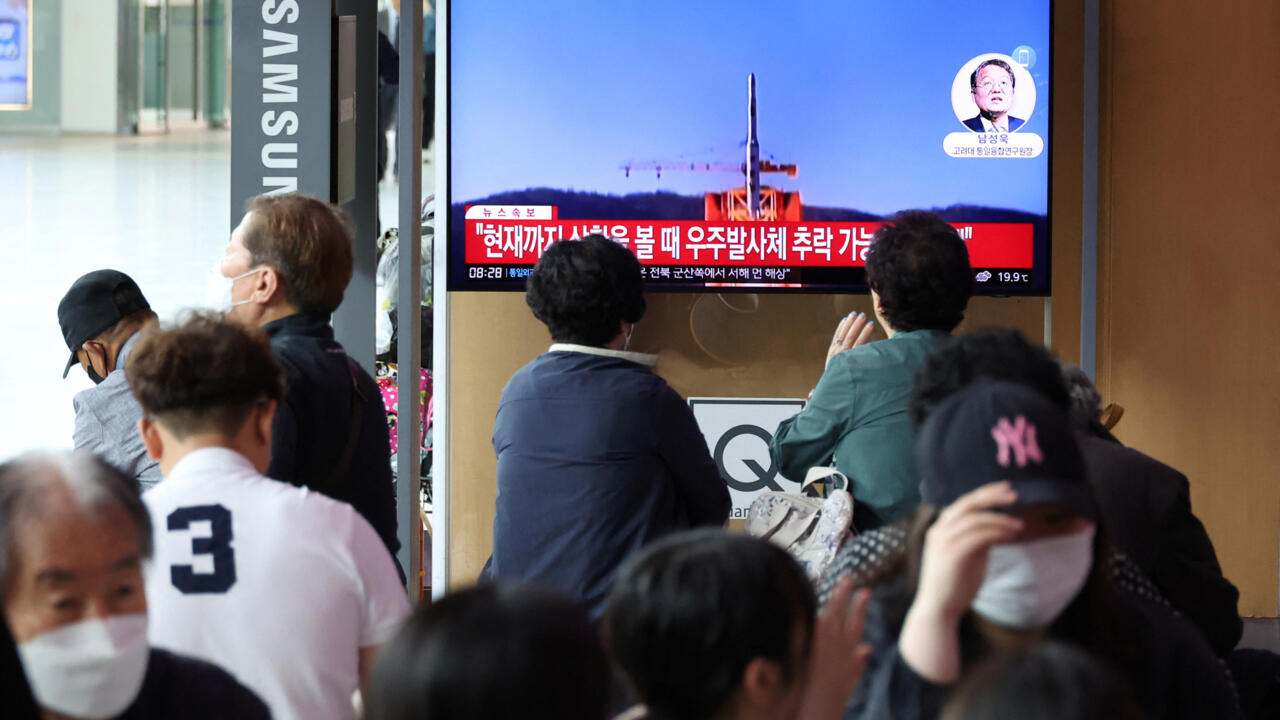
North Korea's second attempt to launch a spy satellite into orbit failed due to a malfunction in the rocket's third stage. The launch, condemned by Japan, South Korea, and the United States, used ballistic missile technology and violated UN Security Council resolutions. The design of the satellite was deemed too rudimentary to fulfill its function even if it had been successfully launched. Japan issued an emergency call for evacuation, which has since been lifted. North Korea plans to attempt another launch in October.
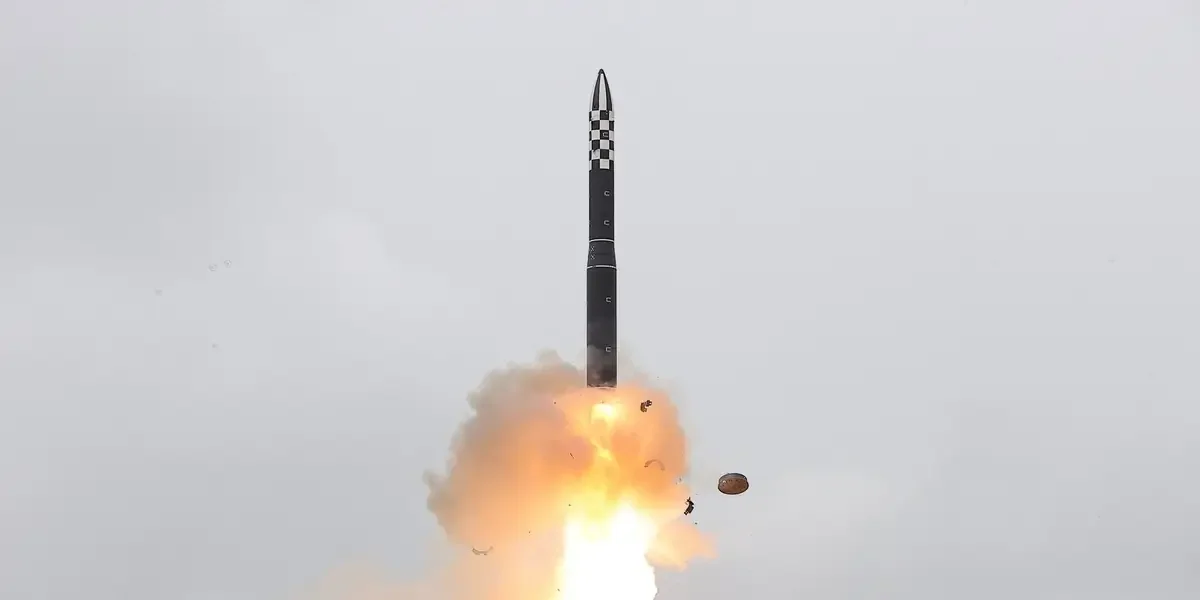
Experts suggest that Russia likely provided technical cooperation to North Korea for the development of its new Hwasong-18 intercontinental ballistic missile (ICBM). The missile, capable of carrying nuclear warheads, is equipped with solid-fueled technology and countermeasures, making it more threatening and difficult to intercept. The missile's flight trajectory and physical dimensions closely resemble those of the Russian Topol-M ICBM. The report from the Center for Strategic and International Studies (CSIS) indicates that the sudden appearance of these advanced capabilities is difficult to explain without Russian cooperation. The development of the Hwasong-18 raises concerns and may require the United States to consider additional concepts for missile defense.
North Korean hackers, known as ScarCruft and Lazarus, breached the computer networks of NPO Mashinostroyeniya, a major Russian missile developer, for at least five months last year. The hackers installed stealthy digital backdoors into the systems, allowing them to read email traffic, extract data, and move between networks. It is unclear if any data was taken or if the breach was related to North Korea's banned ballistic missile program. The incident highlights North Korea's willingness to target even its allies, such as Russia, in order to acquire critical technologies. NPO Mashinostroyeniya is a pioneer developer of hypersonic missiles, satellite technologies, and ballistic armaments, areas of interest to North Korea in its pursuit of an Intercontinental Ballistic Missile (ICBM) capable of striking the mainland United States.
North Korea's ruling party has criticised officials responsible for the failed launch of a military spy satellite on 31 May, calling it the "gravest failure". The Central Committee of the Workers' Party of Korea demanded a probe into the "serious" failure and reiterated a pledge to soon successfully launch its spy satellite. The US, South Korea and Japan denounced the launch, which violated UN resolutions. Analysts have said there is significant technological overlap between the development of intercontinental ballistic missiles and space launch capabilities.
North Korea has notified Japan of its plan to launch a satellite in the coming days, which may be an attempt to put Pyongyang's first military reconnaissance satellite into orbit. Japan's coast guard issued a safety warning for ships in the area due to the possible risks from falling debris. To launch a satellite into space, North Korea would have to use long-range missile technology banned by U.N. Security Council resolutions. Japan's Chief Cabinet Secretary said the launch would violate U.N. resolutions and was a "threat to the peace and safety of Japan, the region and the international community."
North Korean leader Kim Jong Un inspected a military spy satellite that his country is expected to launch soon, describing space-based reconnaissance as crucial for countering the US and South Korea. The launch would use long-range missile technology banned by past UN Security Council resolutions, although previous missile and rocket tests have demonstrated North Korea's ability to deliver a satellite into space. Some South Korean analysts say the satellite shown in North Korean state media photos appears too small and crudely designed to support high-resolution imagery.