Originally Published 2 months ago — by Rolling Stone
Jamie Lee Curtis clarified that her previous comments about Charlie Kirk were mistranslated, emphasizing she was referring to his faith in God, not endorsing his views, and discussed the importance of holding complex, contradictory ideas in today's polarized environment.
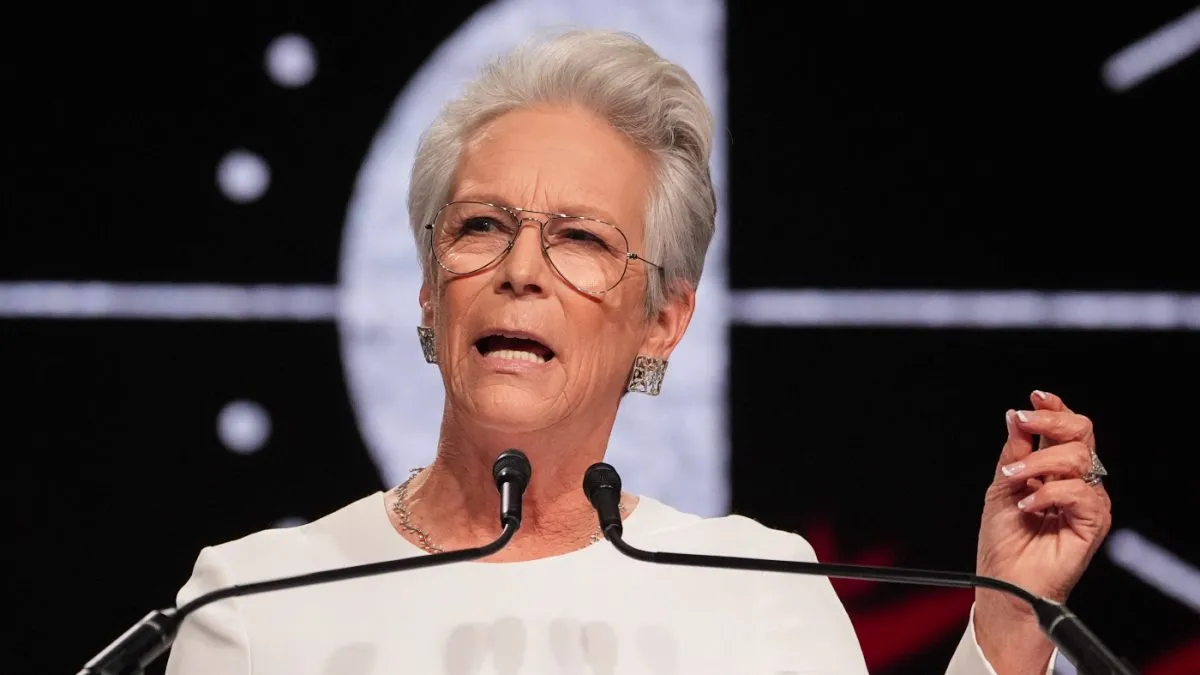
Jamie Lee Curtis clarified that her previous comments about conservative activist Charlie Kirk, which she described as a 'mistranslation,' were actually about his faith and not a positive remark on his character, amidst ongoing controversy following his death.
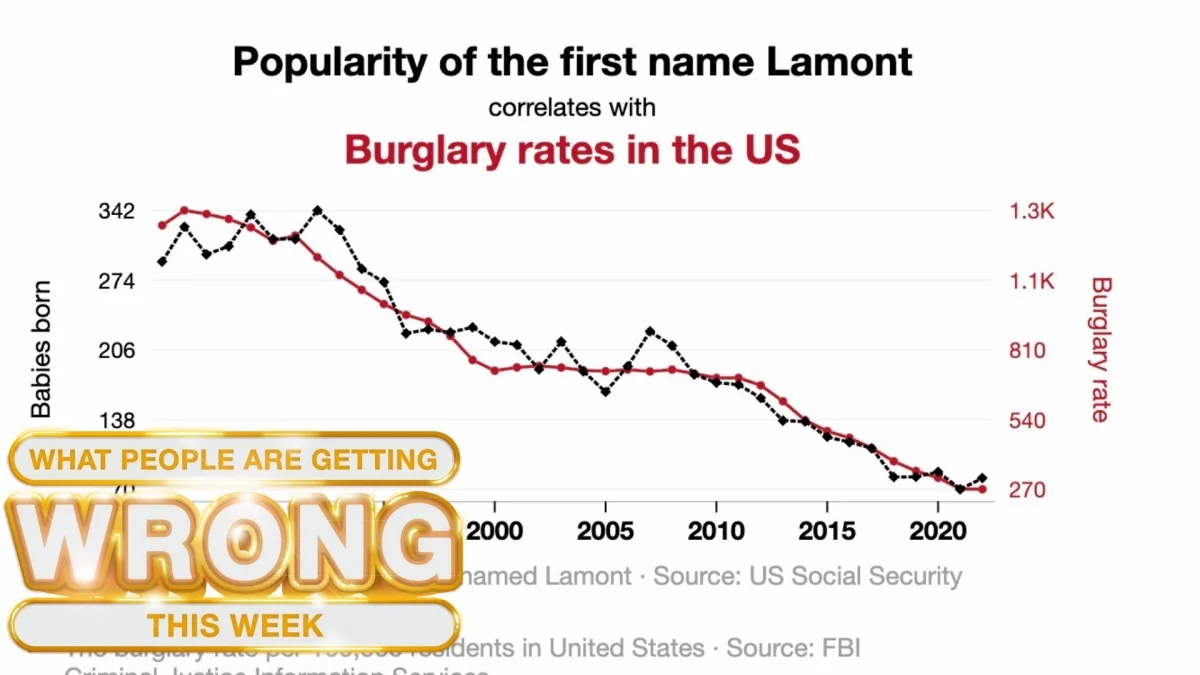
The article discusses common misunderstandings between correlation and causation, emphasizing the importance of correctly interpreting statistical data to avoid false conclusions.
A widely circulated claim that a Harvard report revealed 377,000 Gazans are missing is based on a misreading of Israeli military data and a non-Harvard study by Yaakov Garb. The figure stems from an incorrect interpretation of population clusters and has been debunked, with actual casualties and displacement figures provided by Gaza's health ministry and UN estimates.
Bruce Springsteen's "Born in the U.S.A." has been widely misinterpreted as a patriotic anthem, despite its critical message about the struggles of Vietnam veterans. The song's powerful, anthemic sound has led to its co-option by conservative figures, including U.S. presidents, who often overlook its protest roots. The song's dual nature as both a soaring anthem and a protest song has made it a cultural touchstone, but also a subject of significant misinterpretation over the past 40 years.
Geneticists express unease over a figure in a high-profile Nature paper from the All of Us program, fearing it could reinforce racist beliefs. The figure, depicting genetic relationships and self-described race and ethnicity, has reignited debate about how to discuss and depict race and ethnicity in genetics research. Concerns have been raised about the potential for misinterpretation and the responsibility of geneticists to ensure their research is not used to justify violence or spread pseudoscientific beliefs. While some call for retraction, others emphasize the need for responsible communication of data and adherence to best practices for using population descriptors in genetics research.
The blue octopus has become the center of controversy, with some accusing it of being an antisemitic symbol. Instances involving climate activist Greta Thunberg and a trivia team from Oxford sparked a viral debate on social media. While there is historical precedent for the use of the octopus in antisemitic propaganda, the recent panic surrounding it seems to have given it unintended meaning. Far-right groups have adopted it as an ironic antisemitic symbol, amplifying the claim. However, experts emphasize the importance of context in interpreting symbols and caution against inadvertently giving hateful groups more attention and relevance.
Jobseekers are feeling duped and frustrated after discovering that the salary ranges listed in job postings may not accurately reflect the actual pay they can expect. Some employers exploit the vague language of pay-transparency laws, setting wide salary ranges or reducing the figures during the interview process. Recruiters argue that candidates often misunderstand what a salary range represents, with companies intending to hire in the middle of the range and leaving room for raises over time. The murky nature of pay-transparency laws adds to the frustration, with no standardized enforcement or definition of terms. Jobseekers are adjusting their application strategies to account for potential discrepancies in salary ranges.
Alicia Keys faced backlash and accusations of referencing the Israel-Hamas conflict with a social media post about wanting to learn paragliding. The singer clarified that her post was unrelated to the conflict and expressed her support for peace. Her former manager defended her, emphasizing her commitment to human rights. Keys likely mentioned paragliding due to living near a gliderport in San Diego.
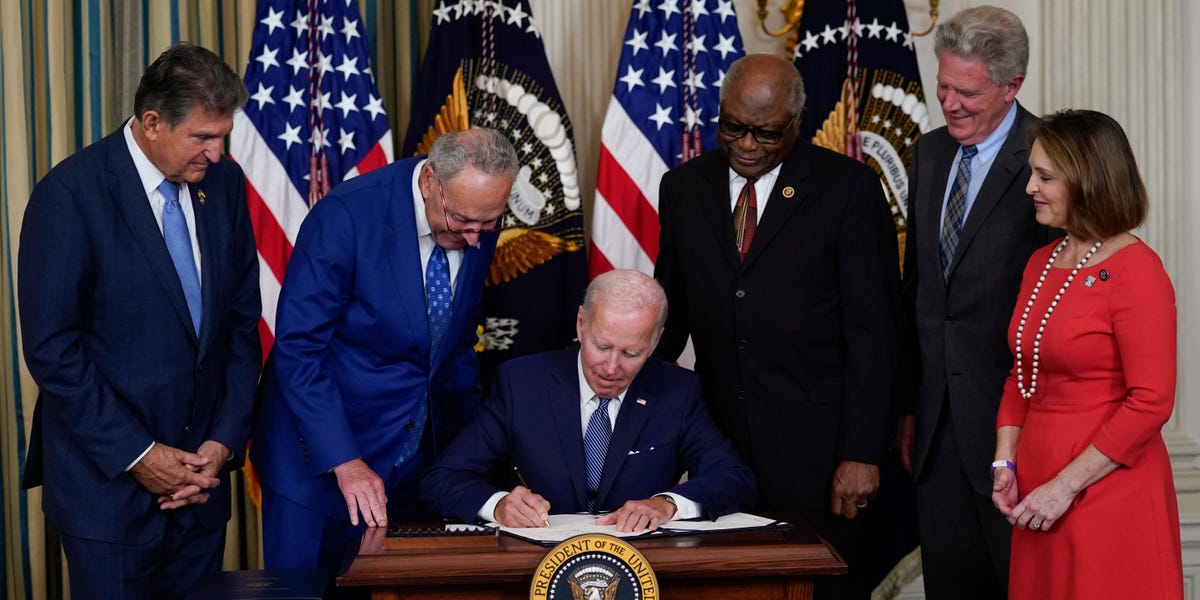
Biden administration officials believe that Senator Joe Manchin, a key player in crafting the Inflation Reduction Act (IRA), has sometimes misinterpreted provisions of the law. Manchin, who sees the law as focused on energy, has clashed with the administration over its application and demands. Officials view Manchin's actions as potentially violating the law and hindering its implementation. The senator's criticisms of the White House may boost his standing in his deep red state of West Virginia, where Biden remains unpopular. Manchin's frustrations with Biden's approach to the law center around energy security and his perception that the administration is prioritizing climate over other aspects of the legislation.
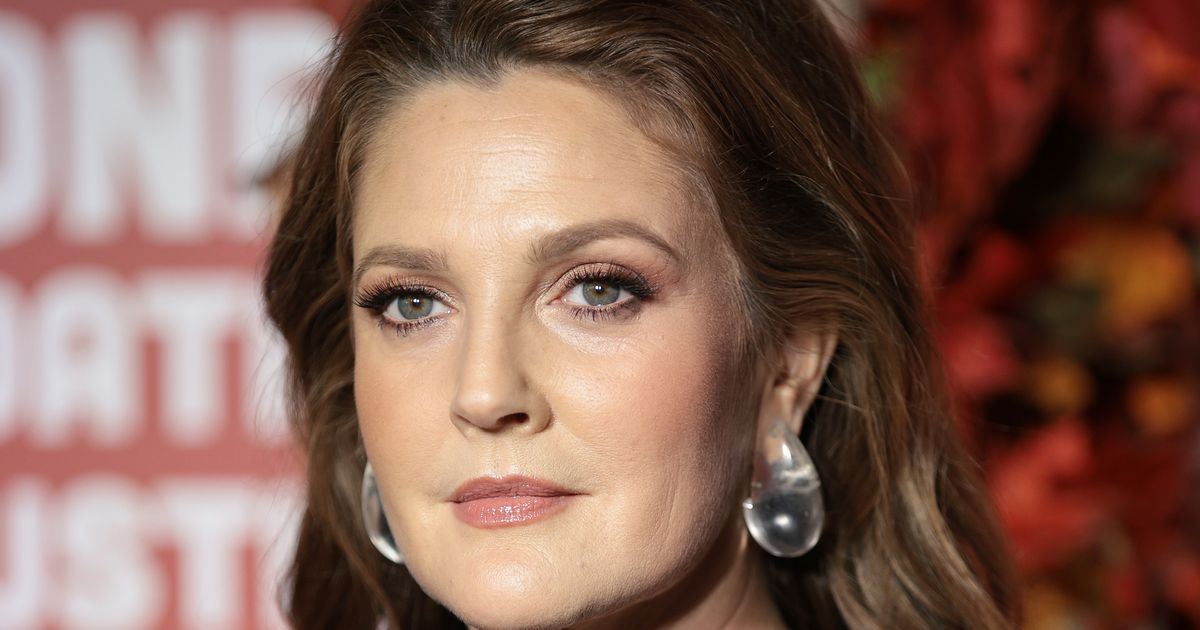
Drew Barrymore has criticized tabloids for twisting her comments about her complex relationship with her mother and former manager into claims that she wishes her mom was dead. In an Instagram video, Barrymore clarified that by saying she “cannot wait,” she did not mean she was excited for her mother to die but that she’s not going to wait for her death to process their relationship. She also slammed tabloids for misinterpreting her words and putting false claims in her mouth.
An IT employee in England sued her former boss for sexual harassment and discrimination, claiming that his email abbreviations were codes for sexual advances. The judge threw out the case, ruling that the employee had a skewed perception of everyday events and demonstrated a tendency to make extraordinary allegations without evidence. The employee was ordered to pay £5,000 to the company to cover costs.
An IT worker, Karina Gasparova, sued her boss for sexual harassment, claiming that his use of "xx", "yy", and "????" in an email was a coded way of asking for sexual relations. She also claimed that her boss staring at her and renaming a work file with his initials 'ajg' was an abbreviation of "A Jumbo Genital". However, the employment tribunal at London Central Court rejected her claims, stating that her perception of events was "skewed" and that she demonstrated a tendency to make extraordinary allegations without evidence.
Recent shootings have reignited the debate over "stand your ground" and "castle doctrine" self-defense laws. These laws give a person the right to use lethal force outside of their home when they reasonably perceive a threat is present. At least 28 states and Puerto Rico have some form of a self-defense law that does not require a person to retreat from an attacker if they are in a place lawfully. The recent shootings highlight the complexity of the laws and how easily they can be misinterpreted.