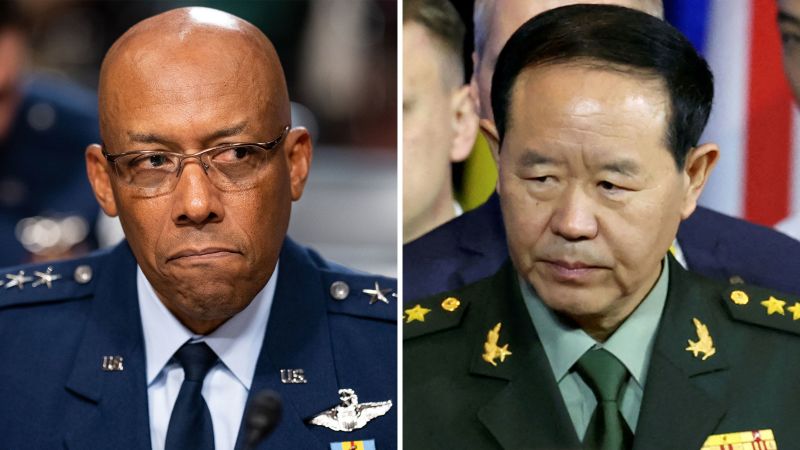
The US and China held their 19th annual Defense Policy Coordination Talks in December 2025, focusing on enhancing military communication, supporting strategic stability, and managing crisis de-escalation, with US emphasizing the importance of stable US-China relations and defending interests in the Indo-Pacific.
The US and China have agreed to establish direct military communication channels to prevent conflicts and promote stability, with officials from both nations discussing the details amidst ongoing diplomatic efforts and regional security concerns.
U.S. and China are considering rebooting military hotlines to improve communication amid rising tensions in the South China Sea and across the Taiwan Strait, with discussions focusing on establishing a relationship based on respect and peaceful coexistence, though progress may be slow due to past communication breakdowns.
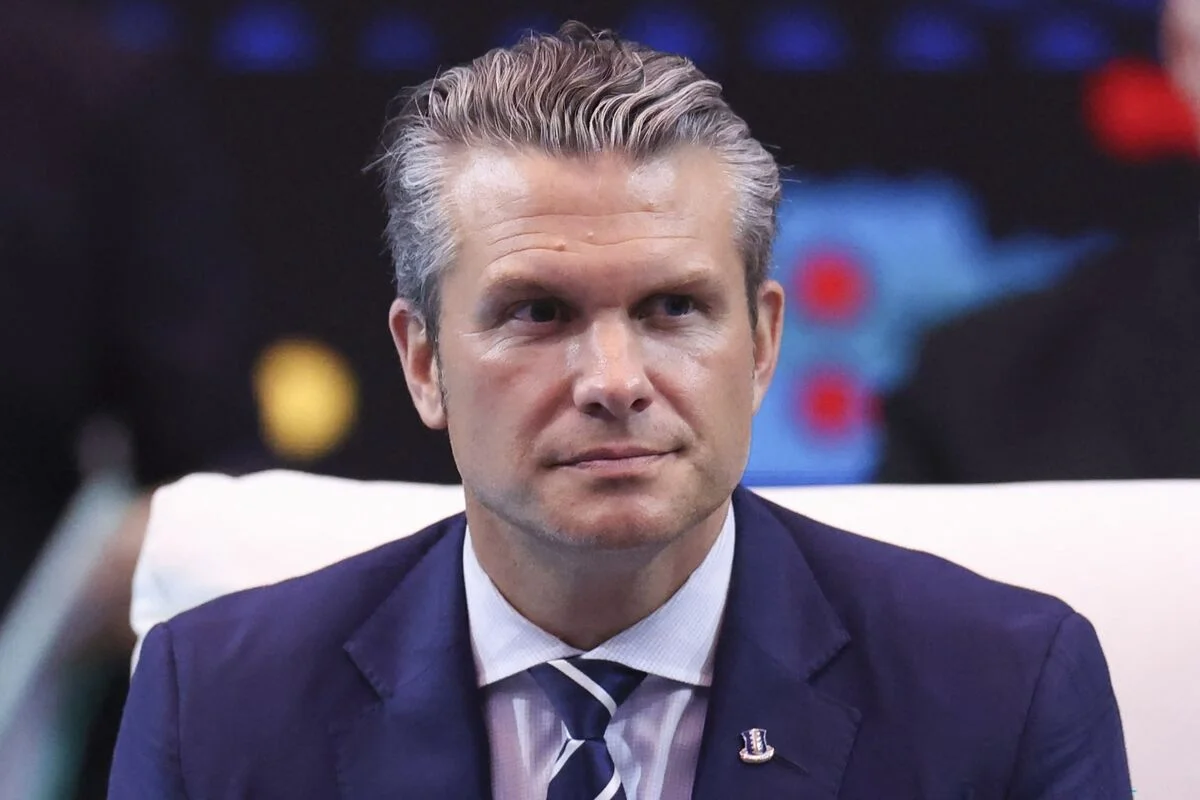
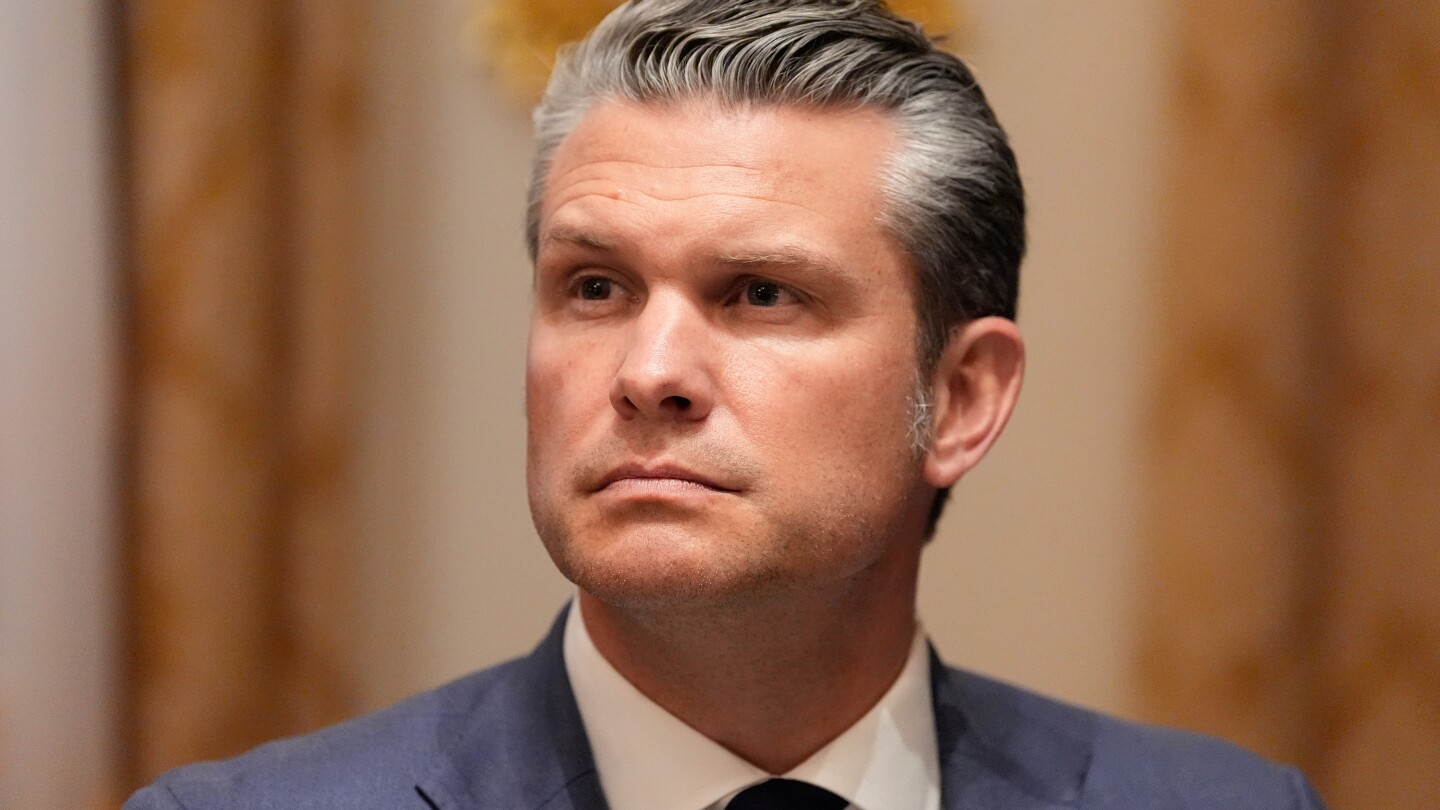
Pentagon officials, including the Joint Chiefs of Staff, are now required to seek permission before communicating with Congress, as part of Defense Secretary Pete Hegseth’s efforts to tighten control over department communications, amid broader political and military developments in the US.
Pentagon officials now require prior approval before communicating with Congress, reflecting tighter control by Defense Secretary Hegseth. Meanwhile, Russia conducted nuclear drills amid a stalled summit with Trump, North Korea tested ballistic missiles ahead of Trump’s Asia trip, and Japan plans to bolster its military capabilities in response to regional tensions.
Defense Secretary Pete Hegseth has issued a memo requiring nearly all Defense Department personnel to obtain prior approval before engaging with Congress or state lawmakers, aiming to improve communication accuracy and coordination, but raising concerns about potential restrictions on information flow and logistical challenges.
Secretary of Defense Lloyd J. Austin III met with Admiral Dong Jun of China in Singapore to discuss U.S.-China defense relations and regional security. Austin emphasized the importance of open military communication, expressed concerns over China's activities around Taiwan, and reaffirmed the U.S. commitment to the one China policy. He also highlighted the need for freedom of navigation in the South China Sea and discussed China's support for Russia amid the Ukraine conflict. Future engagements between U.S. and Chinese defense officials were also planned.
Secretary of Defense Lloyd J. Austin III and People's Republic of China (PRC) Minister of National Defense Admiral Dong Jun discussed U.S.-PRC defense relations, emphasizing the importance of military-to-military communication and the resumption of telephone conversations between theater commanders. Austin reiterated the U.S.' commitment to freedom of navigation, expressed concerns about Russia's actions in Ukraine and provocations from North Korea, and reaffirmed the one China policy. The call follows previous high-level meetings between U.S. and PRC leaders, and the Department plans to continue engaging in discussions with PRC counterparts at various levels.
The 17th U.S.-PRC Defense Policy Coordination Talks took place at the Pentagon, with discussions focusing on maintaining open lines of military-to-military communication to prevent conflict, emphasizing operational safety in the Indo-Pacific region, and addressing regional and global security issues. The talks also reaffirmed the U.S. commitment to allies in the Indo-Pacific, expressed concerns about PRC harassment in the South China Sea, Russia's actions in Ukraine, and provocations from North Korea, and reiterated the U.S. commitment to the one China policy. These discussions follow recent engagements between President Biden and PRC President Xi Jinping, as well as between military officials, with plans for future engagements at multiple levels.
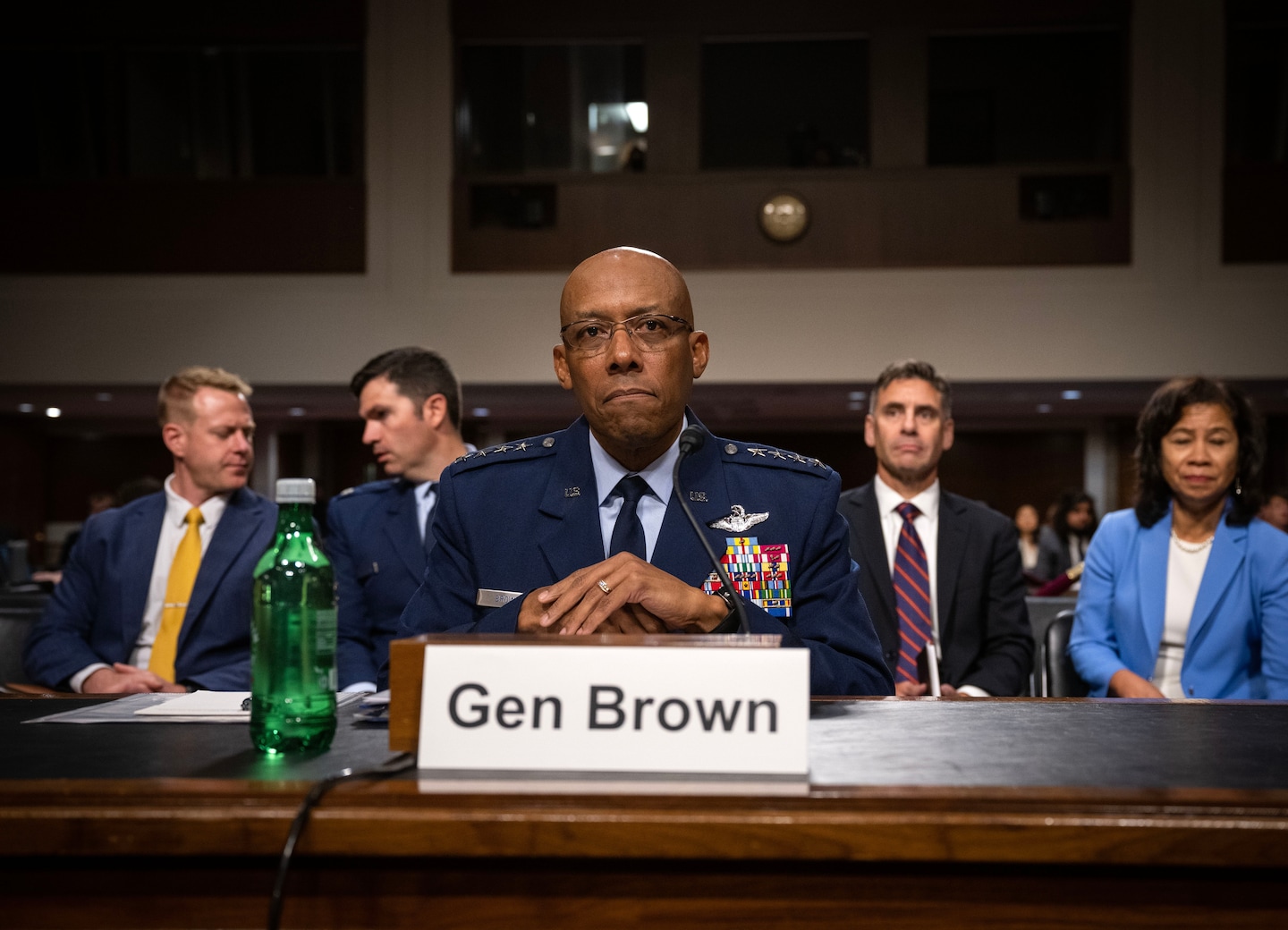
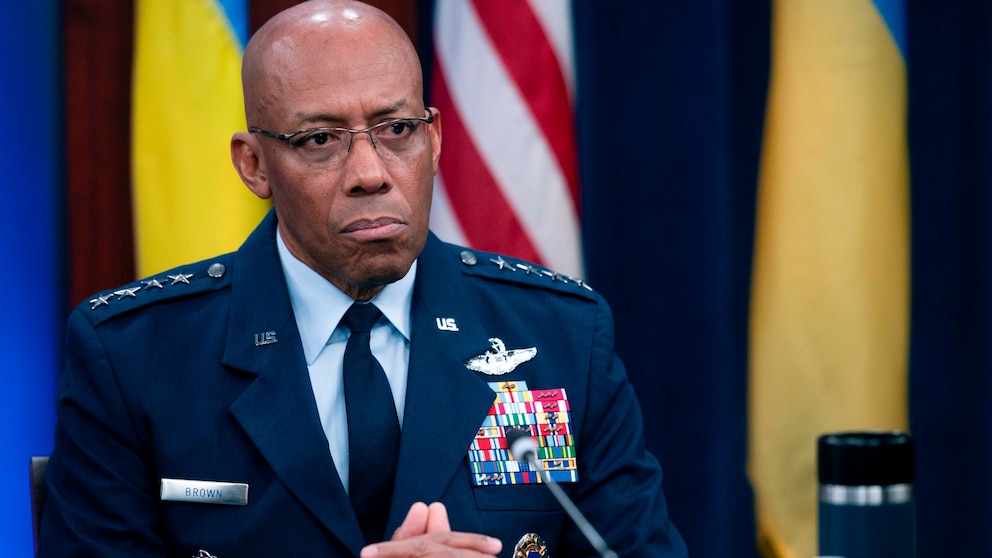
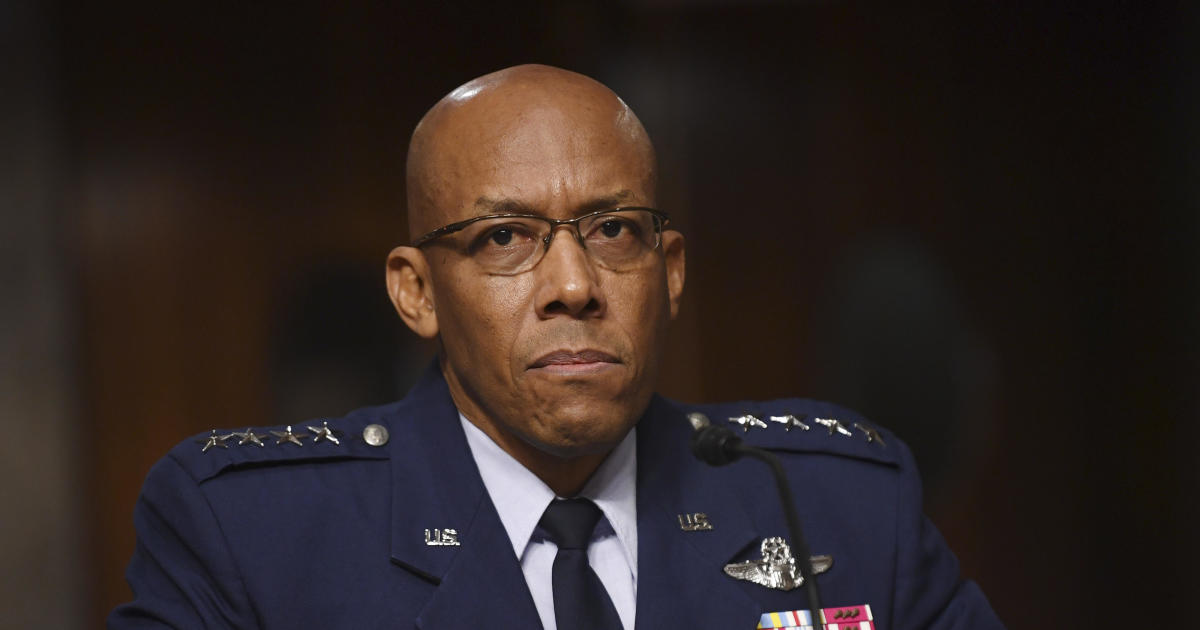
The U.S. military's top general, Gen. Charles Q. Brown Jr., spoke with his Chinese counterpart, Gen. Liu Zhenli, marking the first meeting between the two since 2022. The call focused on the importance of managing competition, avoiding miscalculations, and maintaining open lines of communication. The Chinese Defense Ministry confirmed the call, but also emphasized its opposition to foreign interference in Taiwan. Top-level military discussions between the U.S. and China have been rare due to rising tensions, and Defense Secretary Lloyd Austin is not expected to converse with his Chinese counterpart until at least spring 2023. The lack of communication has been concerning as the two nations navigate various disputes.
The top military officers of the US and China, Gen. CQ Brown Jr. and Gen. Liu Zhenli, held a video-conference call, marking the first communication between the two nations' military leaders since July 2022. The discussion focused on the importance of maintaining open lines of communication to avoid misunderstandings and miscalculations. The call comes after President Joe Biden and Chinese President Xi Jinping agreed to rebuild military-to-military contacts during their meeting at the APEC summit. The Pentagon has emphasized the need for dialogue to prevent potential conflicts, particularly in light of increased Chinese military activity around Taiwan.
The top US and Chinese military officials, Gen. CQ Brown, Jr. and Gen. Liu Zhenli, spoke for the first time in over a year, signaling the end of a strained silence between the two countries. They discussed the importance of managing competition, avoiding miscalculations, and maintaining open lines of communication. The lack of communication had deeply concerned the Pentagon, but restoring it was a priority in recent talks between President Joe Biden and China's Xi Jinping. The US military had expressed significant concern over the silence from China, and efforts to establish communication have been ongoing.
The Chairman of the Joint Chiefs of Staff, Gen. Charles Q. Brown, held a video call with his Chinese counterpart, Gen. Liu Zhenli, marking the highest level of military communication between the two countries since July 2022. The call is a result of the commitment by President Biden and Chinese President Xi to resume this type of communication. The lack of military-to-military communication became a concern during the Chinese spy balloon incident, and the resumption of communication aims to prevent competition from escalating into conflict.
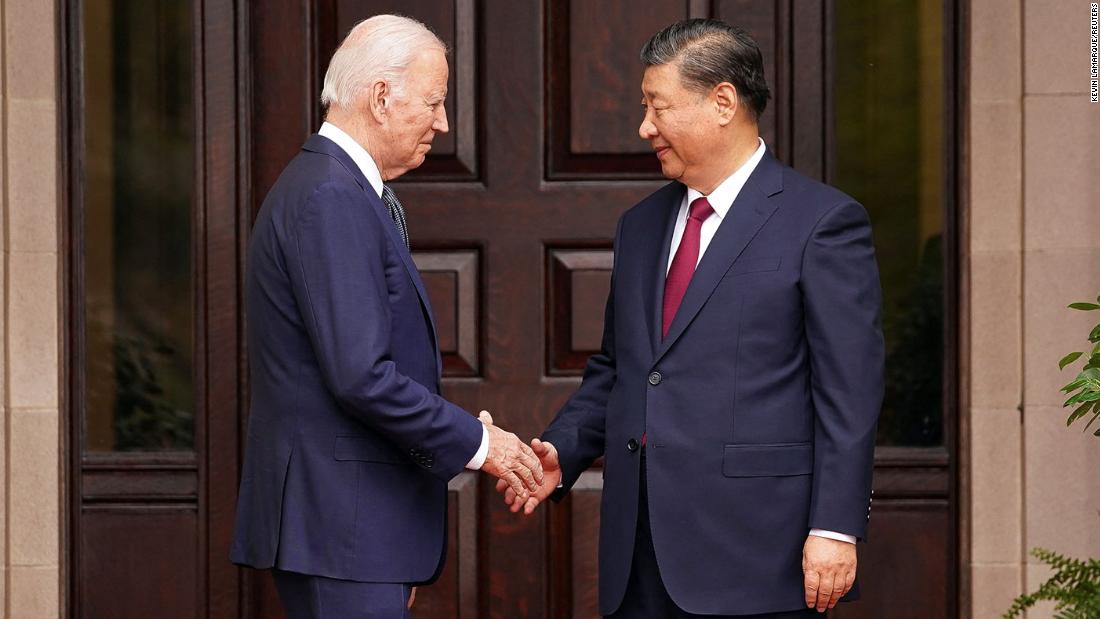
US President Joe Biden described his meeting with Chinese President Xi Jinping as constructive and productive, emphasizing the need for a rational and manageable relationship between the two countries. They discussed various issues, including curbing the flow of fentanyl, restoring military communication, and working together on artificial intelligence. Biden raised concerns about human rights and detained US citizens, while Xi urged the US to honor its commitment of not supporting "Taiwan independence." Both leaders emphasized the importance of mutual respect, peaceful coexistence, and conflict prevention. Progress was made on fentanyl production and military communication, but no joint statement or declaration of cooperation was issued.
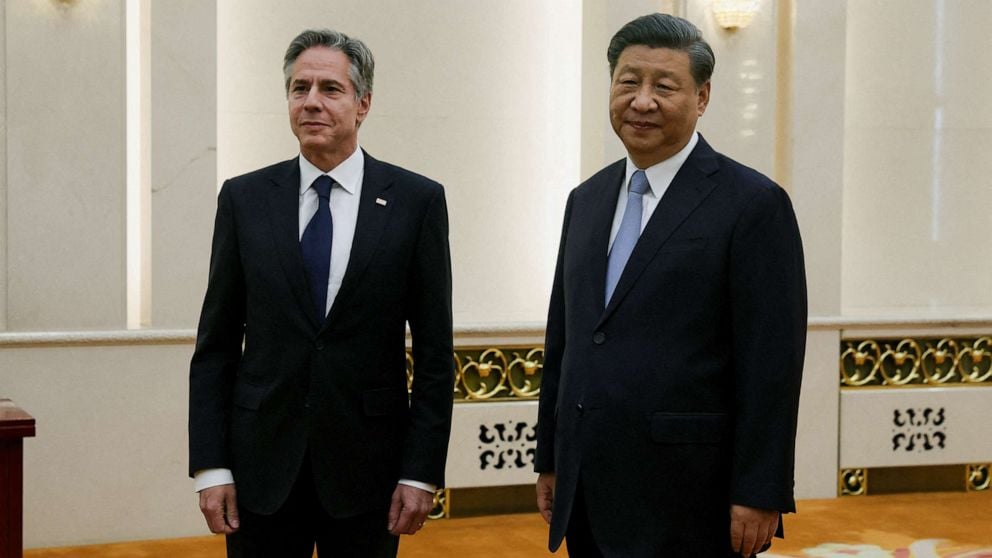
Secretary of State Antony Blinken's visit to Beijing aimed to strengthen communication between the US and China, but the relationship's future depends on what happens in the coming weeks. Blinken was unable to make significant progress on revitalizing military-to-military communication, which is vital for deescalating accidental incidents. The most important engagement during his trip was a sit-down with President Xi Jinping, which came together during the final hours of his visit. Additional dialogue is expected to take place in the aftermath of Blinken's visit, and officials from both countries have speculated that President Biden and Xi could sit down again in November.