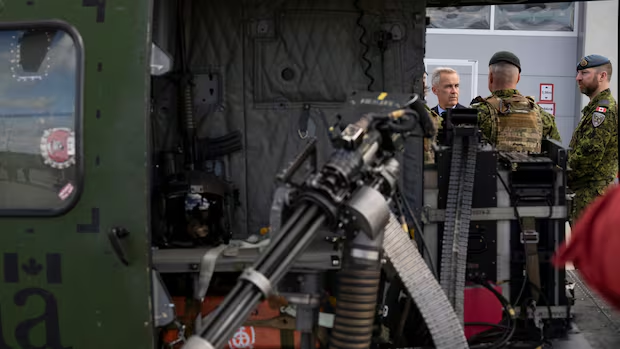
Canada is considering establishing permanent military bases in Latvia to sustain its NATO deployment and enhance deterrence against Russian aggression, with discussions ongoing about the feasibility and implications of such a move, which would be a significant shift from the current rotational presence.
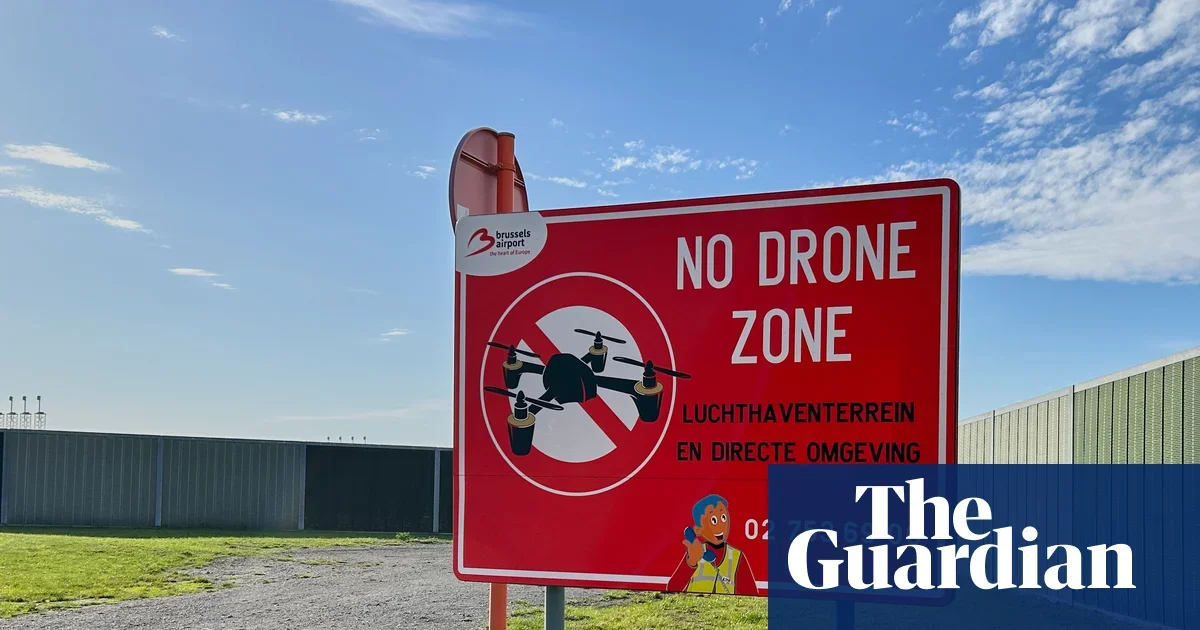
Belgium's security council is convening after recent drone sightings at airports and military bases, causing travel chaos and raising concerns of coordinated, possibly state-sponsored, attacks amid heightened tensions with Russia and increased drone incursions across Europe.
The Danish public is alarmed by a series of mysterious drone flights over military bases and airports, leading to increased sales of emergency supplies and heightened concerns about national security.
The Trump administration has opened what could be the largest immigration detention site in the U.S. at Fort Bliss, Texas, using military facilities to detain up to 5,000 people in harsh conditions, raising concerns about militarization, transparency, and human rights violations, with plans to expand to other bases amid significant federal funding and historical misuse of military sites for detention.
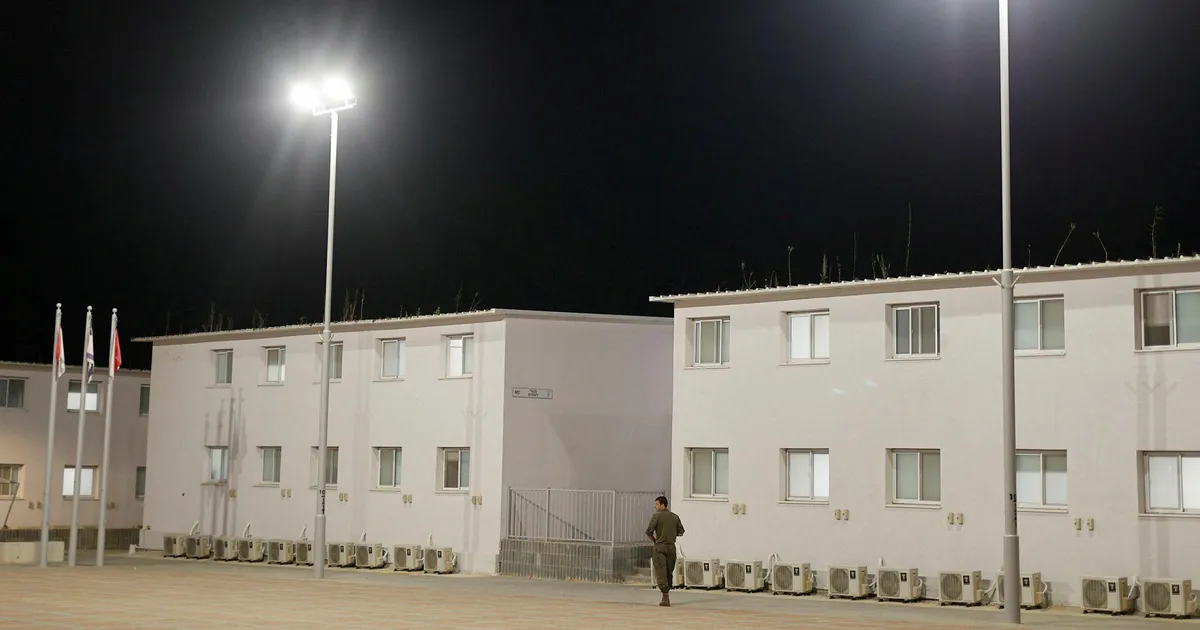
Iranian missiles reportedly hit five Israeli military bases during ongoing hostilities, with reports suggesting significant damage and strategic implications, including the use of advanced missile systems and international support, while narratives around the conflict vary between official reports and media coverage.
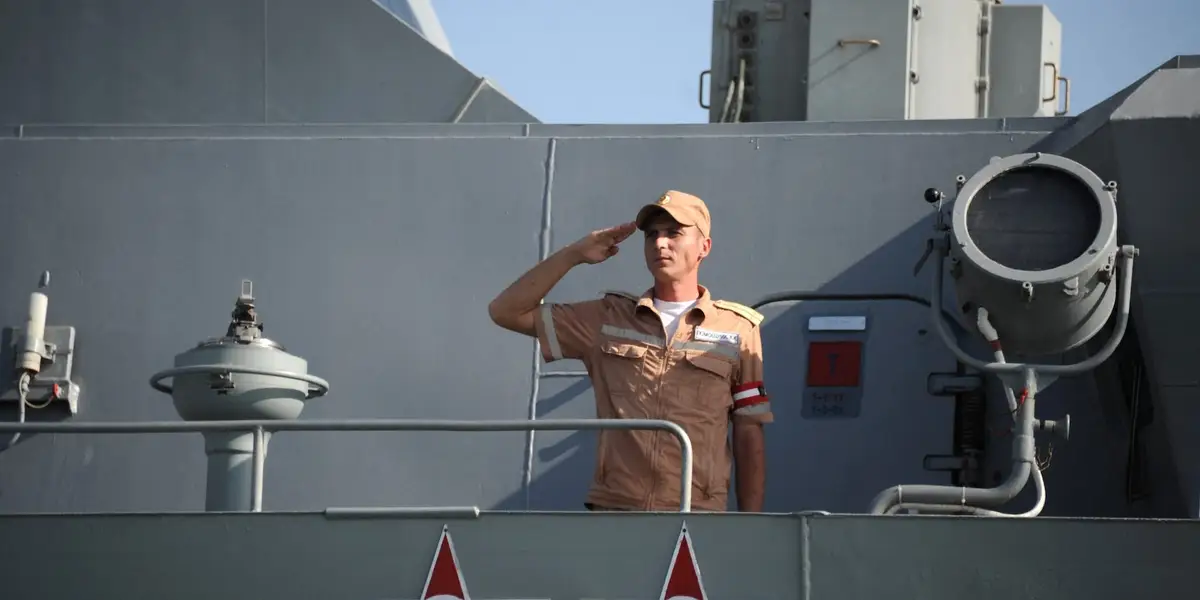
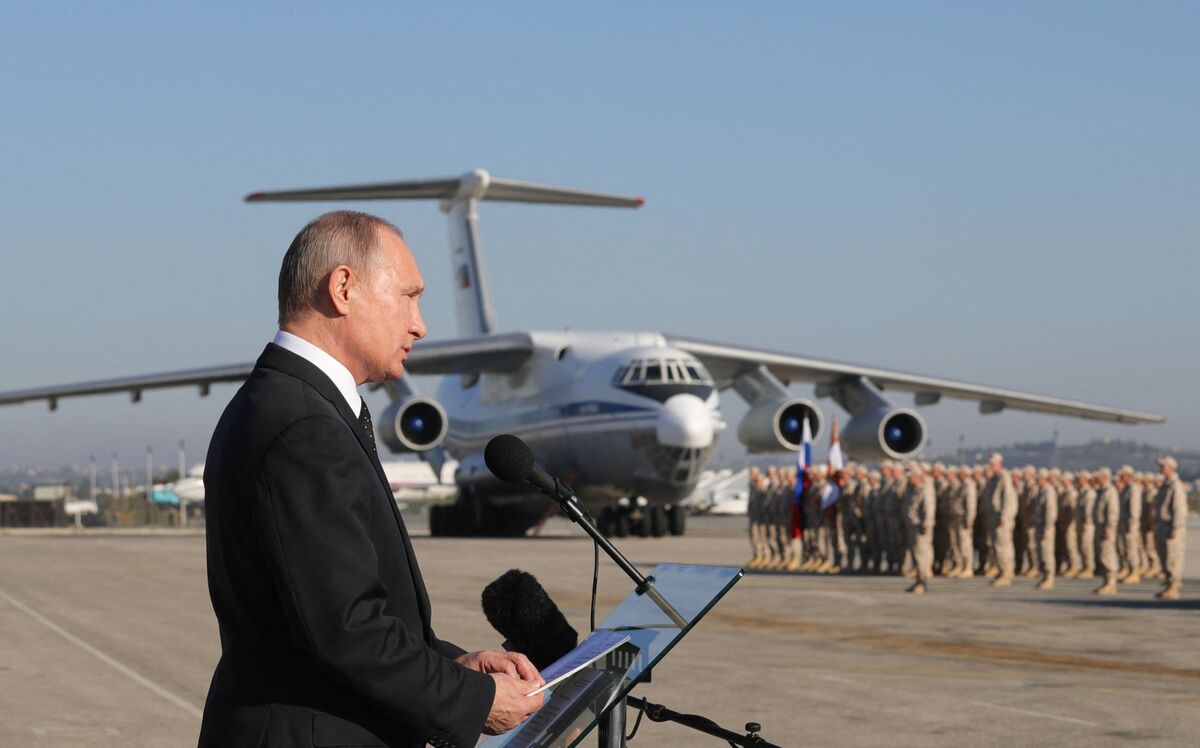
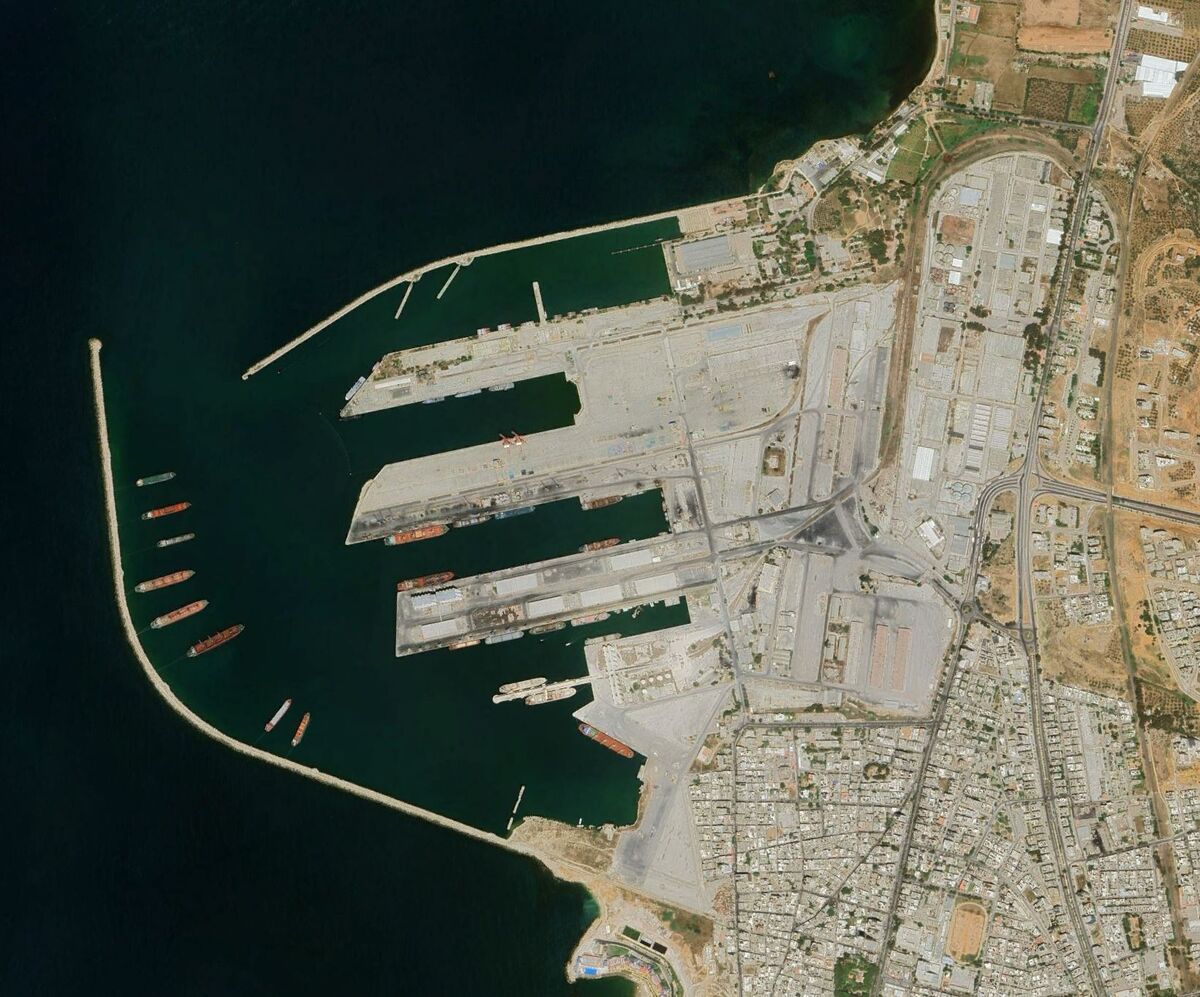
Russia faces the potential loss of its military bases in Syria following the ouster of its ally, President Bashar Assad. The future of these bases, crucial for Russian influence in the Middle East, is uncertain as Russia negotiates with the new Syrian leadership, led by Hay'at Tahrir al-Sham. While Russia has a 49-year lease agreement for these bases, the new authorities may not tolerate a long-term Russian presence. Russia's options include negotiating lucrative deals, maintaining a reduced footprint, or a complete withdrawal, which would significantly impact its power projection in the region.
Russia is close to securing an agreement with Syria's new leadership to maintain its military presence at the naval port in Tartus and the air base at Hmeimim, following the fall of President Bashar al-Assad. This move is part of Russia's strategic objectives in the region.
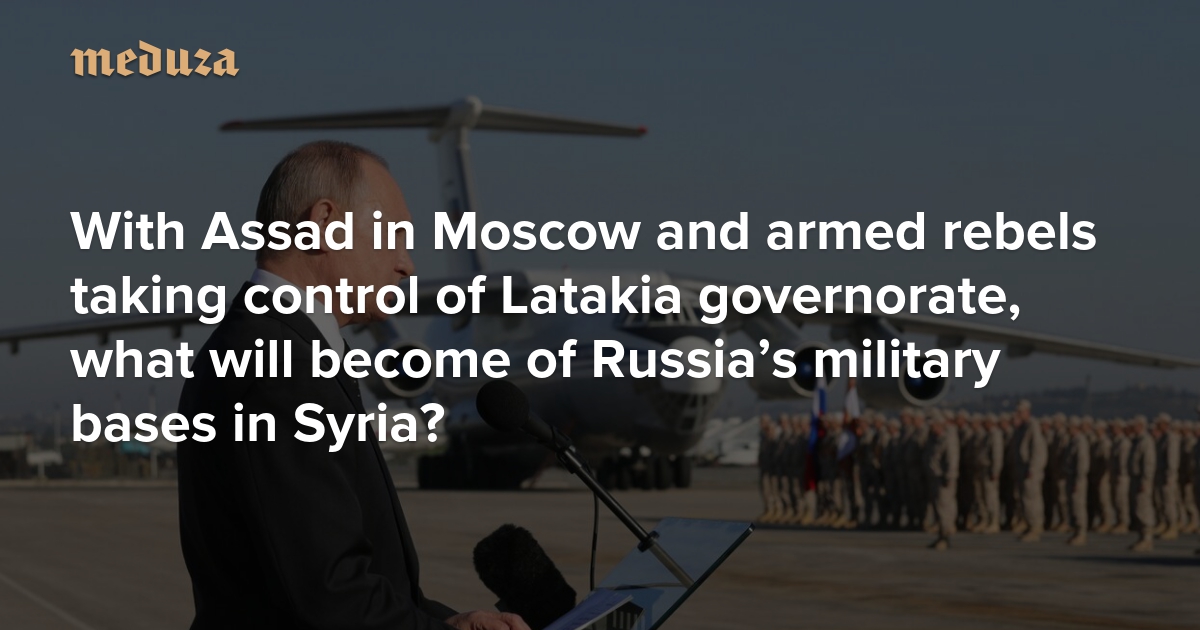
Following the overthrow of Bashar al-Assad's regime, Russia faces uncertainty over its military bases in Syria, particularly in the rebel-controlled Latakia governorate. Russia's naval base in Tartus and airfield at Khmeimim are crucial for its military operations, but their future is uncertain as Syrian opposition forces have not clarified their stance on Russian presence. While Moscow reportedly received commitments to maintain its bases during a transition, the extent to which Syrian rebels will honor these remains unclear. The situation is complicated by logistical challenges and the proximity of rebel forces.
The potential fall of Bashar al-Assad in Syria poses a significant strategic setback for Russian President Vladimir Putin, threatening Russia's naval and air bases in the region. These bases are crucial for Moscow's military operations and global influence, but their value is diminishing as Russia's focus shifts to its invasion of Ukraine.
Philippine President Ferdinand Marcos Jr. stated that there are no plans to grant the US access to additional military bases in the country, emphasizing that the existing American military presence was a response to China's aggressive actions in the South China Sea. The decision to allow US forces access to four additional bases last year had raised concerns in China. President Marcos highlighted China's assertive actions in the region and emphasized the importance of media exposure to such actions. Additionally, he mentioned that the 1951 Mutual Defense Treaty between the US and the Philippines could be invoked if Filipino servicemen are attacked by a foreign power.
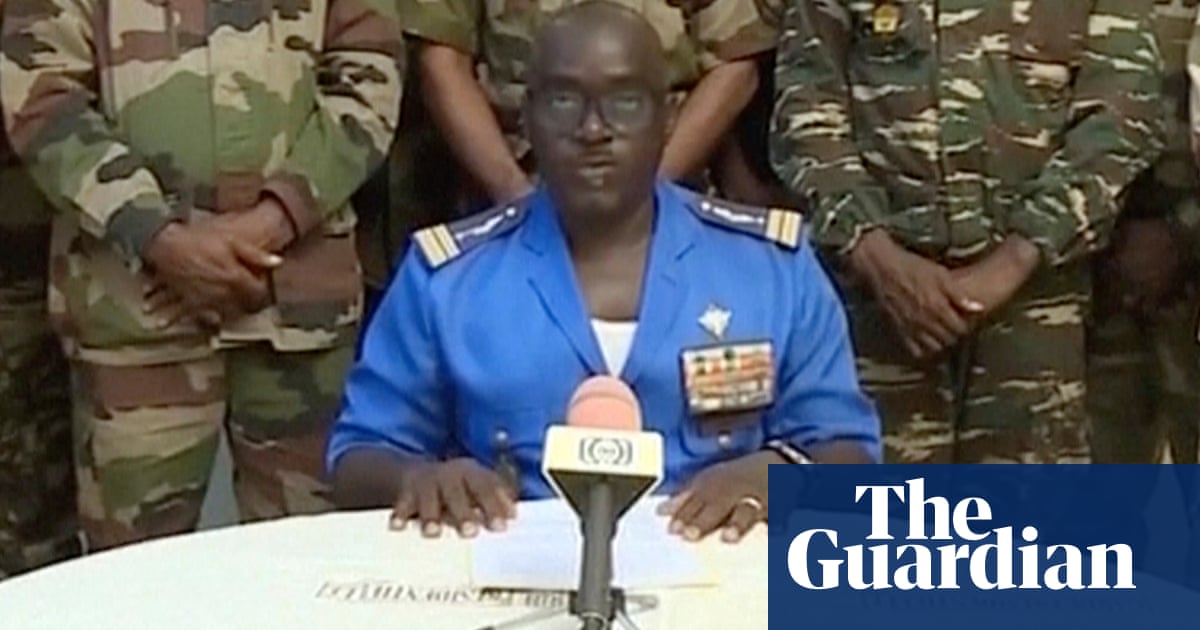
Niger's ruling military junta has revoked a military accord allowing US military personnel and civilian staff on its soil, following a visit by US officials that the junta claims did not follow diplomatic protocol. The junta alleges that the US delegation attempted to deny Niger the right to choose its partners in the fight against terrorism and denounced the condescending attitude and threat of retaliation from the head of the American delegation. The US has invested heavily in training Niger's military and operates out of two bases in the country, but the junta claims the US presence is illegal and unilaterally imposed.
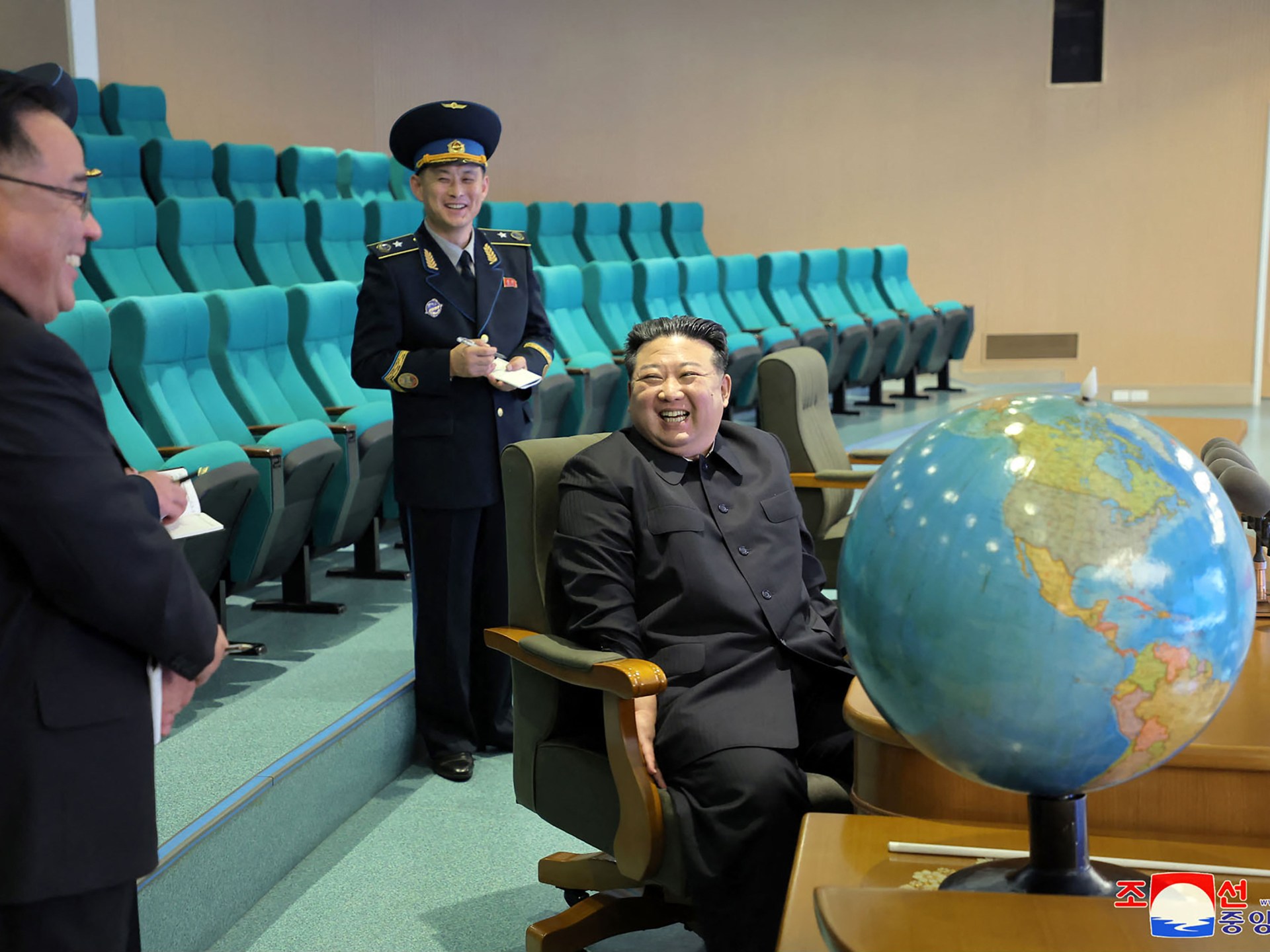
North Korean leader Kim Jong Un inspected satellite images of major target regions, including the US military base at Pearl Harbor and the South Korean capital, Seoul. The images also included several US and South Korean military bases, as well as cities hosting military installations. This comes after North Korea successfully placed its first spy satellite into orbit, with assistance from Russia. The United States, Japan, and South Korea condemned the satellite launch, which violated UN sanctions. South Korean defense officials believe North Korea's claims are an exaggeration given the short time since the launch.
Active duty military members are not considered veterans under US law. As of 2021, there were around 19 million veterans in the US, with the majority serving in the Gulf War. The US has the highest military spending at $876.9 billion, followed by China, Russia, India, and Saudi Arabia. The US maintains around 750 military bases across 80 countries, with Japan having the highest number of bases within its borders.
Armenia's Prime Minister, Nikol Pashinyan, stated in an interview with the Wall Street Journal that Armenia sees no advantage in hosting Russian military bases on its territory after Azerbaijan regained control of the disputed region of Nagorno-Karabakh. Pashinyan mentioned the need to diversify relationships in the security sphere. Russia has maintained a military presence in Armenia, considering itself the guarantor of Armenia's security in the oil and gas-rich South Caucasus region. The Kremlin has expressed unawareness of Pashinyan's comments.
Many former U.S. military bases, closed between 1988 and 2005, remain contaminated with poisonous pollution, including unexploded ordnance, lead fragments, industrial solvents, and explosives residue. The promised cleanup and restoration for civilian use has been slow and costly, with projected costs escalating to $65 billion from $43 billion. Some sites are so contaminated that they will never be suitable for habitation. Controversial cases include the Hunters Point Naval Shipyard in San Francisco, where fraud and flawed cleanup efforts have caused setbacks, and the former Seneca Army Munitions Depot in upstate New York, where the cost of demolition is unaffordable for the local community. While there have been success stories, such as the former Lowry Air Force Base near Denver, many communities are still waiting for the toxic legacy of closed military bases to be addressed.