Copper Prices Surge to Decade-High Levels, Signaling Economic Growth
Copper prices have experienced their largest increase in over a decade, highlighting significant shifts in the commodity market.

All articles tagged with #copper prices
Copper prices have experienced their largest increase in over a decade, highlighting significant shifts in the commodity market.
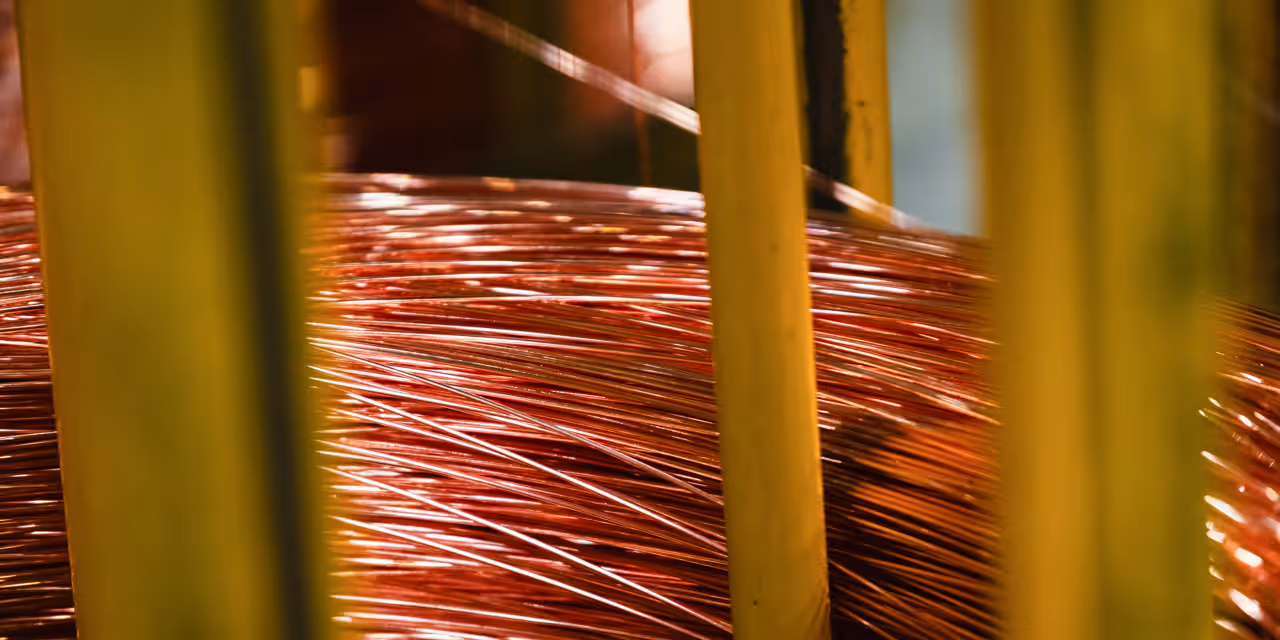
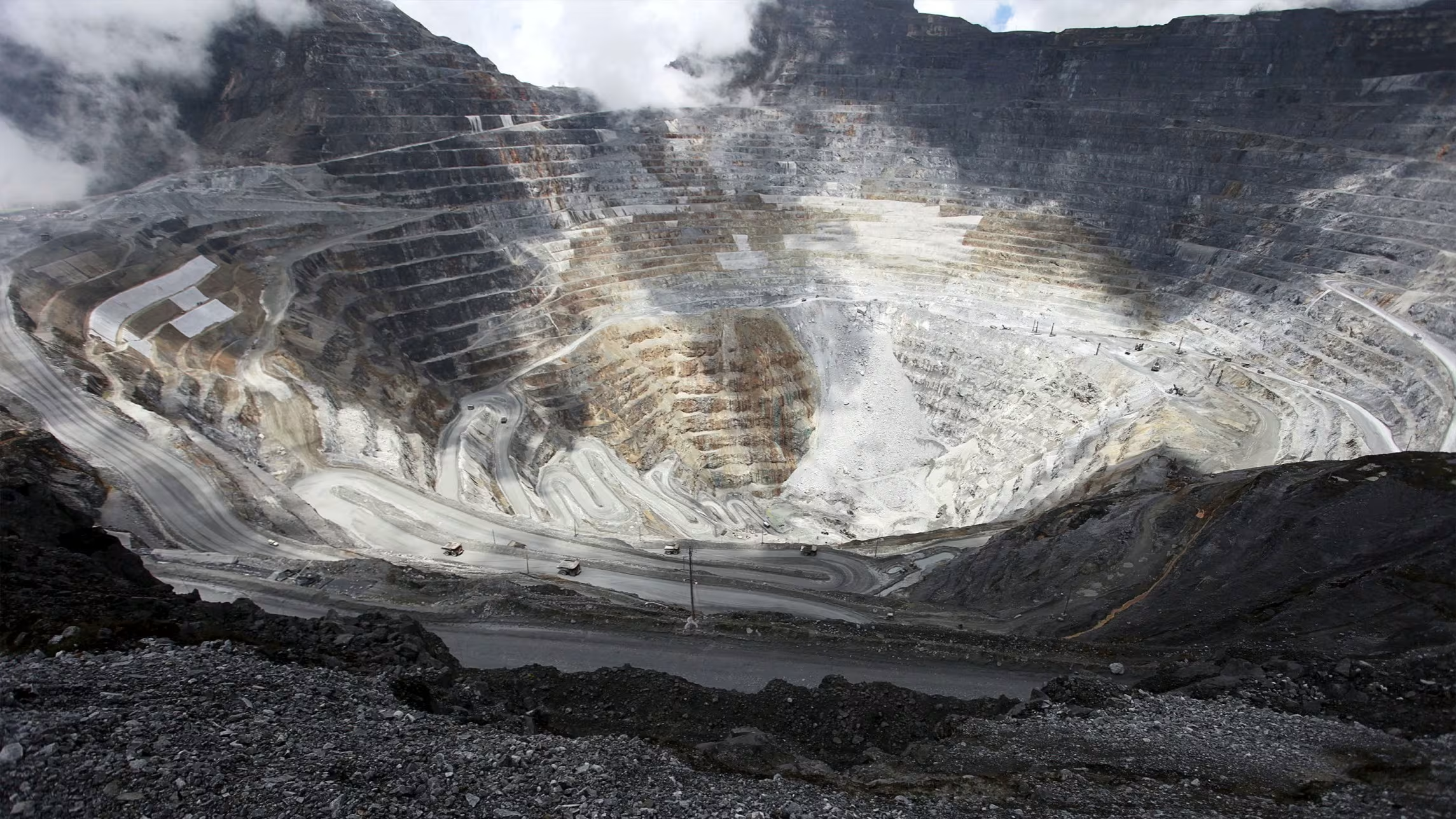
The Freeport Grasberg mine accident has temporarily impacted copper supply, shifting the 2025 global copper balance from a surplus to a deficit, which could support higher copper prices. Despite market volatility, Wall Street favors diversified miner Glencore as the preferred copper stock, with overall positive demand driven by electric vehicles and AI data centers, though near-term prices may dip slightly before potentially rising again.
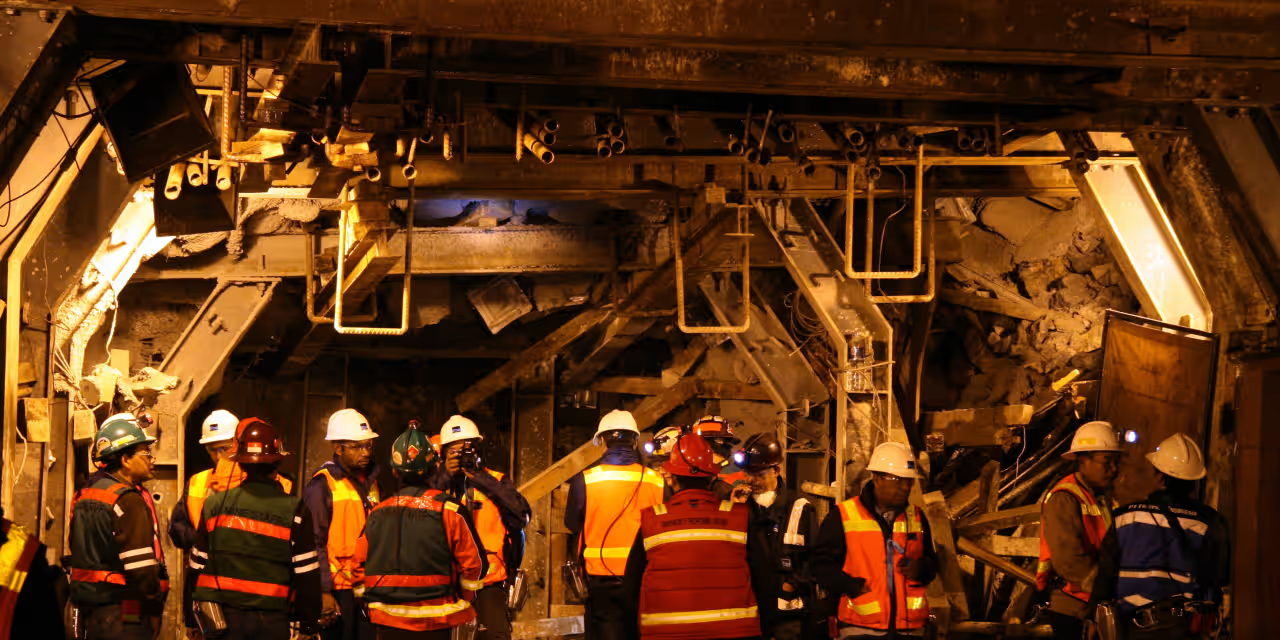
A mud rush at Freeport McMoRan's Grasberg copper mine in Indonesia resulted in two deaths and disrupted production until 2026, causing a 17% drop in Freeport's stock and impacting global copper supply, though copper prices rose slightly. Analysts are divided on the stock's outlook, with some upgrading and others downgrading based on the incident's long-term effects.
Copper prices surged after US miner Freeport announced it will not meet its contractual obligations with customers, signaling potential supply concerns and impacting the commodity market.
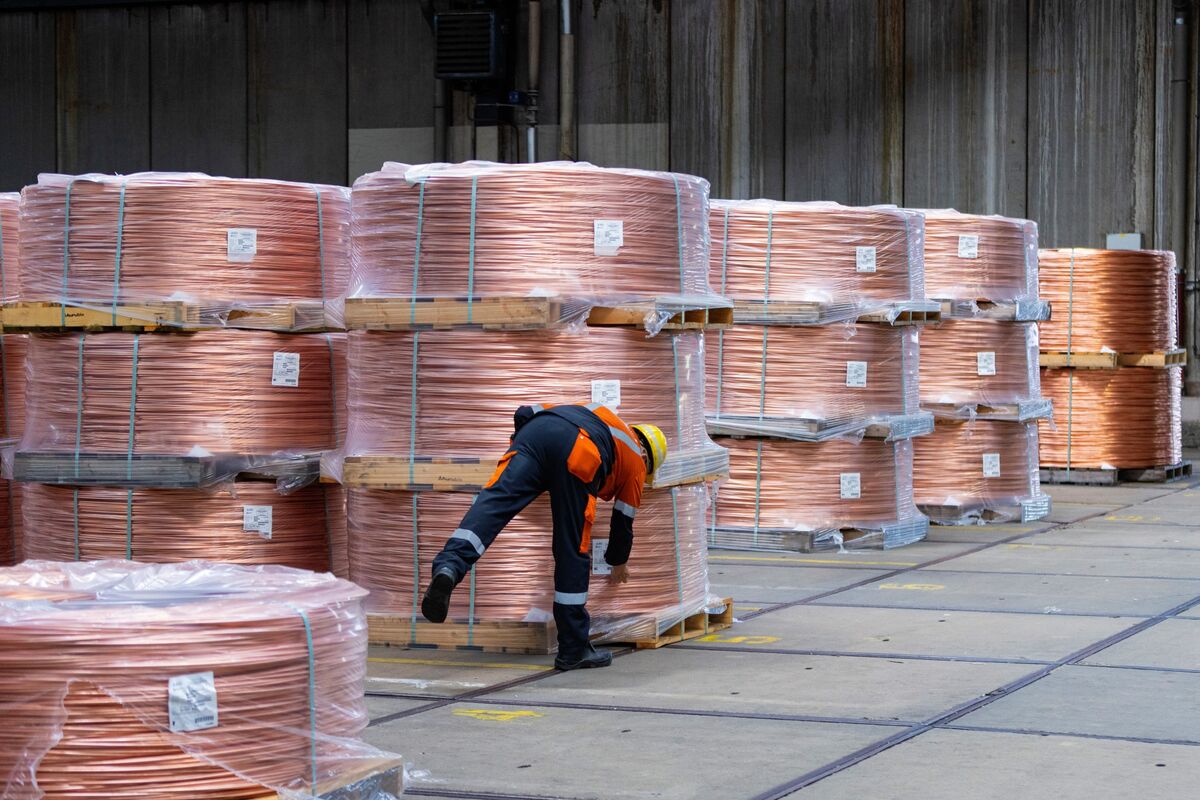
Goldman Sachs advised clients to bet on rising copper prices just before a surprise tariff decision by President Trump caused a 22% market crash, leading to significant losses and highlighting the market's unpredictability.
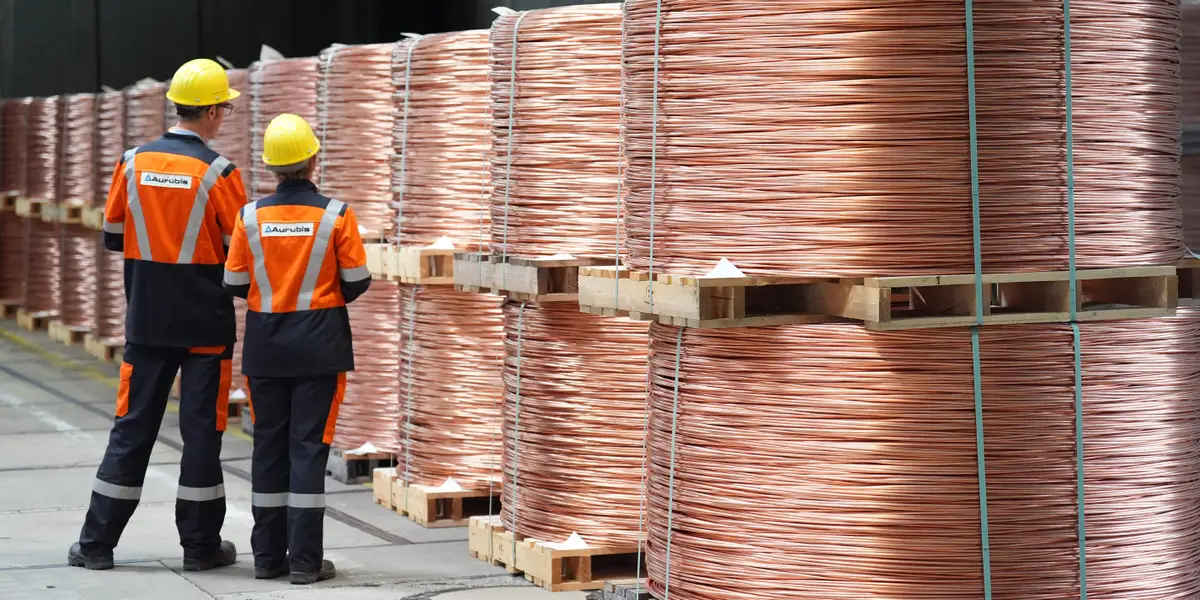
Copper prices plummeted by 20% on the COMEX exchange after the US exempted refined copper from new tariffs, leading to a surge in US stockpiles to a 21-year high and creating an oversupply that could impact global prices. The exemption surprised traders who had anticipated tariffs on all copper forms, causing a significant market reaction and raising concerns about future trade policies.
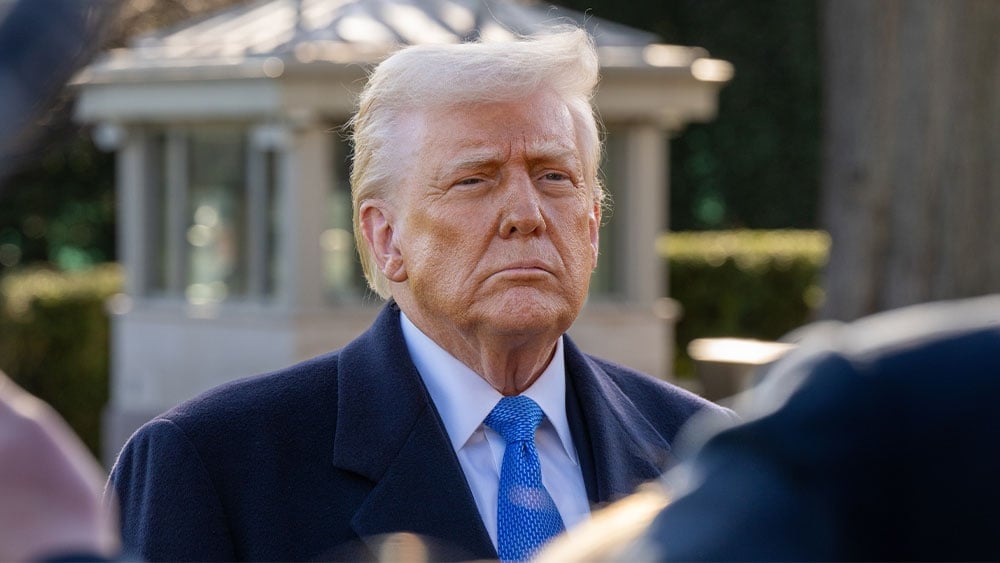
Copper prices plummeted after President Trump announced tariffs on copper imports, leading to significant declines in mining stocks like Rio Tinto and BHP, with futures dropping 20% and ETFs tracking copper futures falling nearly 20%.
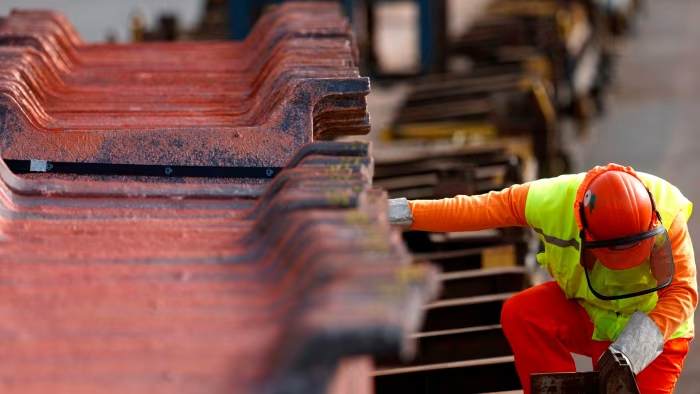
US copper prices dropped significantly after President Trump exempted refined copper from new tariffs, surprising markets and causing an 18% decline in copper futures. The move aims to boost domestic copper processing and reduce dependence on China, with measures including increased domestic sales of copper scrap and input materials, and potential future restrictions on exports. The policy shifts are part of broader efforts to strengthen US critical mineral supply chains.
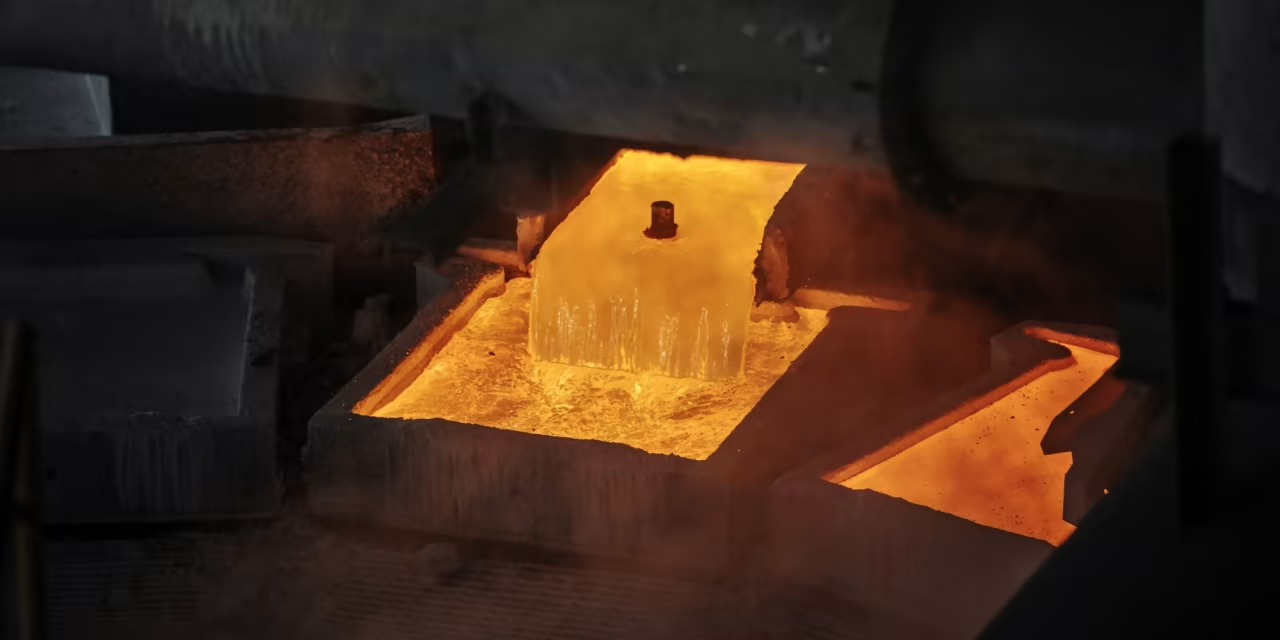
Copper prices surged due to tariffs, boosting mining stocks like Freeport-McMoRan and Southern Copper, but recent analyst downgrades citing macroeconomic concerns and valuation issues have led to declines in their shares, with expectations of falling copper prices and sluggish demand in the near future.
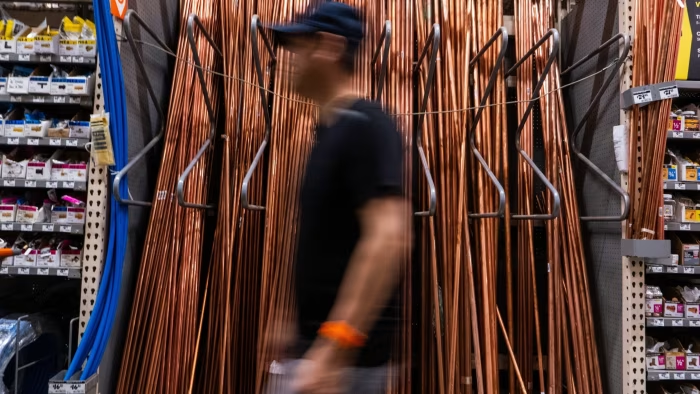
Manufacturers are urgently seeking clarity on the upcoming 50% US copper tariffs, which threaten to deplete stockpiles and disrupt industries reliant on copper, amid ongoing trade war uncertainties and potential impacts on prices and demand.
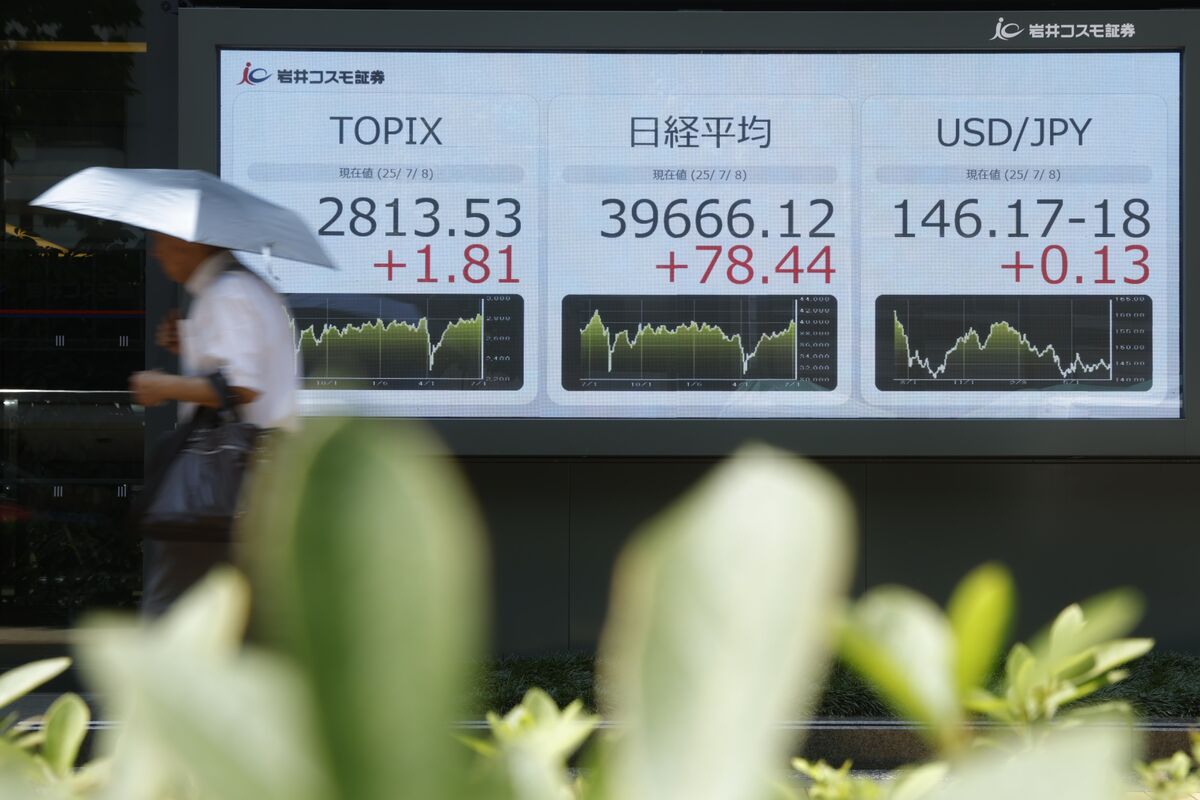
US stock futures declined and the dollar weakened after President Trump announced new tariffs, including a 50% levy on copper imports, amid ongoing trade tensions. Despite these tariffs, US equities like the S&P 500 reached record highs as investors remain optimistic, while global markets react variably. Trump also imposed tariffs on several countries, prompting responses from Brazil and others, with market focus shifting to upcoming bond auctions and inflation concerns.
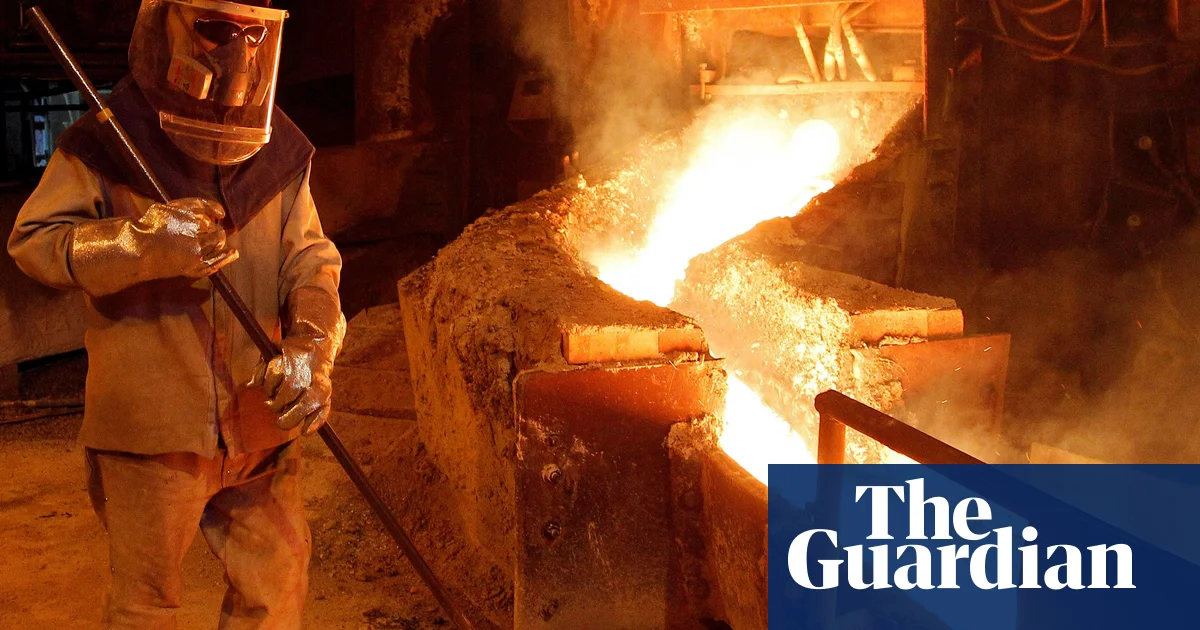
Copper prices in the US hit a record high after President Trump announced a 50% tariff on imports, escalating trade tensions and causing significant market volatility, with futures jumping over 10% before slightly retreating. The tariffs are part of broader trade measures affecting various sectors, including pharmaceuticals and technology, and are expected to impact domestic inflation and global demand.

Asian shares declined modestly amid escalating US-China trade tensions after President Trump announced plans for higher tariffs, including a 50% tariff on copper, causing market volatility and a record spike in copper futures before a decline. Investors remain cautious, awaiting clearer economic signals amid ongoing trade disputes and bond market fluctuations.
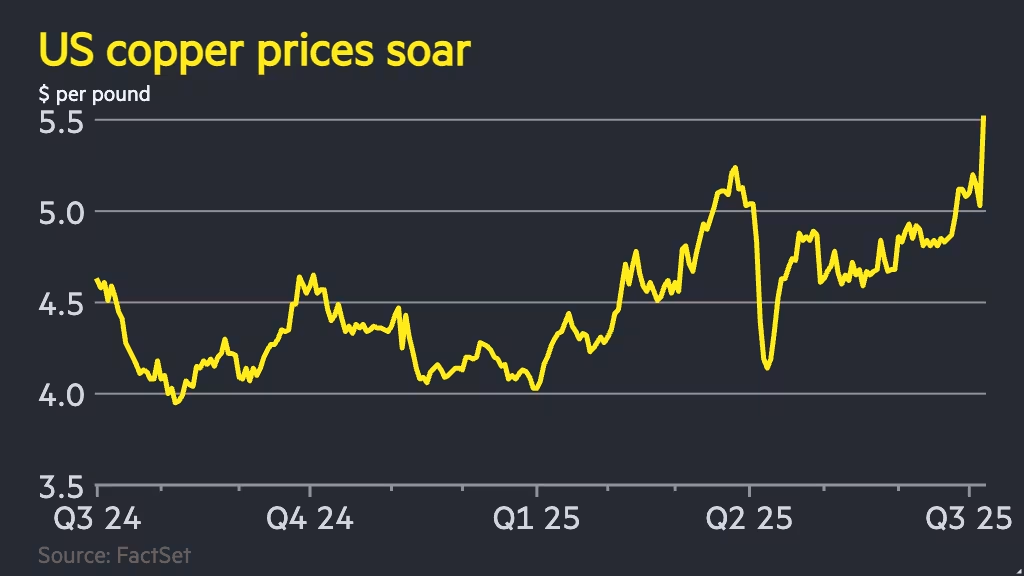
US copper prices have hit a record high amid threats by Donald Trump to impose a 50% tariff, reflecting escalating trade tensions and impacting commodity markets.
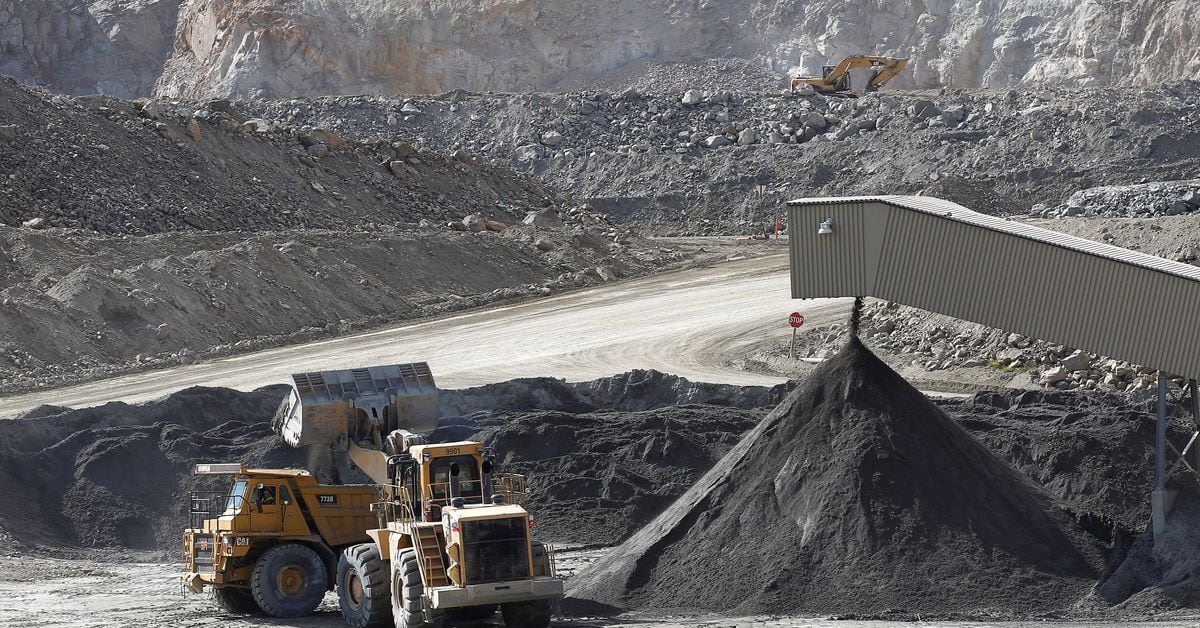
Falling copper prices are impacting small and mid-sized miners, leading to production cuts and a need for additional funding. Larger miners are seeking assets with longer mine life and high-quality ore to meet the demand for copper in the transition to a greener economy. The depressed prices are forcing some smaller companies to cut exploration budgets, potentially leading to more mergers and acquisitions in the sector. So far this year, over $22 billion worth of copper M&A has been launched. The difficulty in developing new copper mines and the lack of large mines available for acquisition are driving this trend.