A UC Riverside study links soybean oil, a common cooking ingredient in the US, to obesity in mice, suggesting that excessive consumption of linoleic acid and its conversion into oxylipins may contribute to weight gain and inflammation, raising concerns about its widespread use in processed foods.
Scientists in the US have developed a potential "exercise pill," called SLU-PP-332, that mimics some of the benefits of exercise by targeting a natural metabolic pathway usually triggered by physical activity. In experiments on mice, the drug improved muscle function, fitness, and endurance without requiring increased physical activity. The drug's development represents a breakthrough in targeting a previously thought "undruggable" metabolic pathway, with potential applications for treating diseases like neurodegenerative conditions and heart failure. While not a perfect substitute for exercise, the pill shows promise in conveying exercise benefits to various organs and tissues, and may be particularly beneficial for individuals unable to exercise due to aging, certain diseases, or muscle loss.
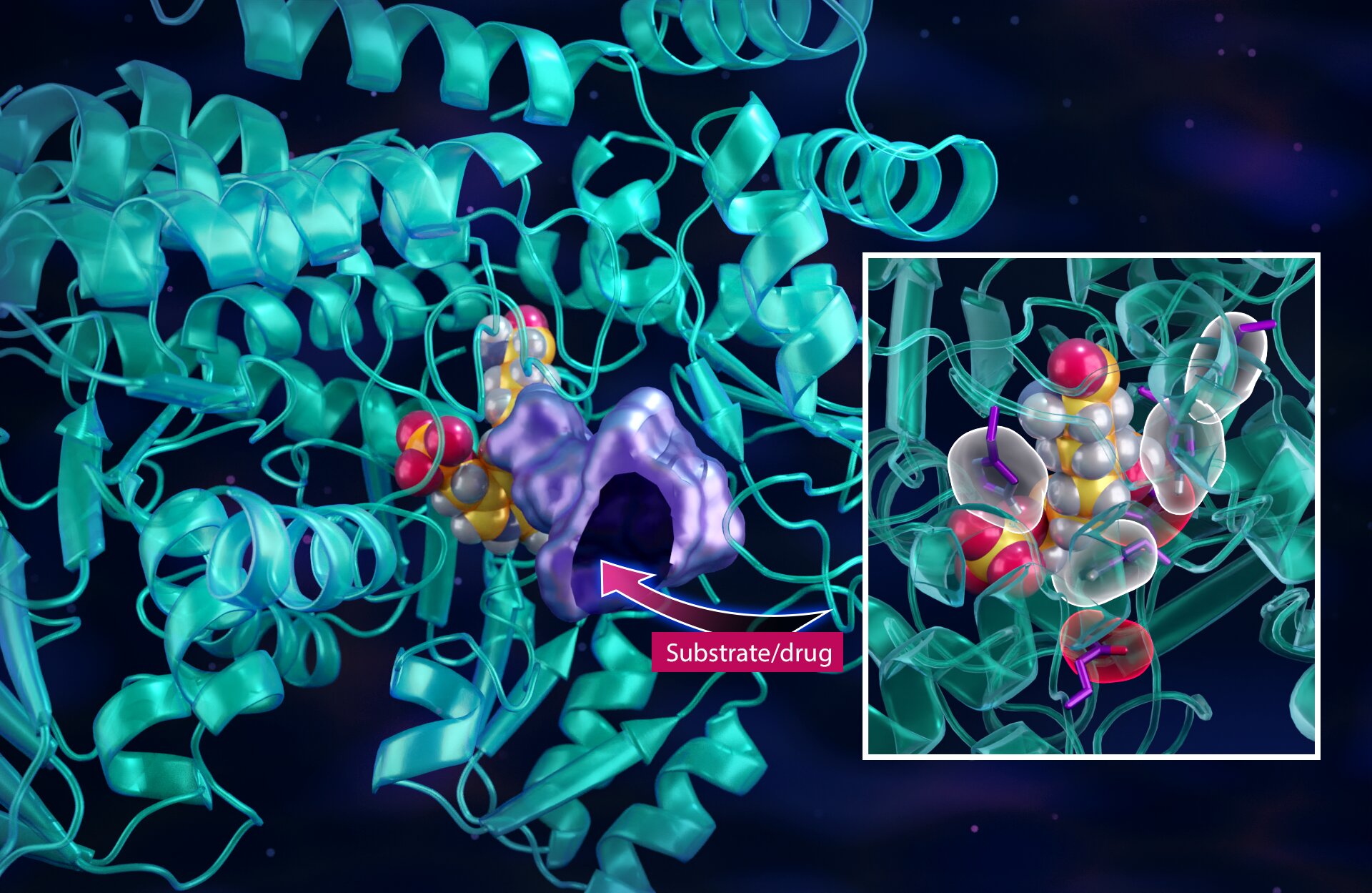
Neutron experiments have provided key insights into the enzymatic mechanism of a metabolic pathway that cancer cells rely on for growth. By mapping the structure and electrical charges of an enzyme involved in the pathway, scientists at Oak Ridge National Laboratory aim to design drugs that can block the supply of vital resources to cancer cells. This research focuses on aggressive tumor-forming cancers such as lung, colon, breast, pancreatic, and prostate cancers. The study represents a renewed interest in targeting metabolic pathways for anti-cancer drug development and could lead to more effective treatments for aggressive forms of cancer.