
Revolutionary Nanoporous Membrane Reduces Energy Consumption in Molecule Separation
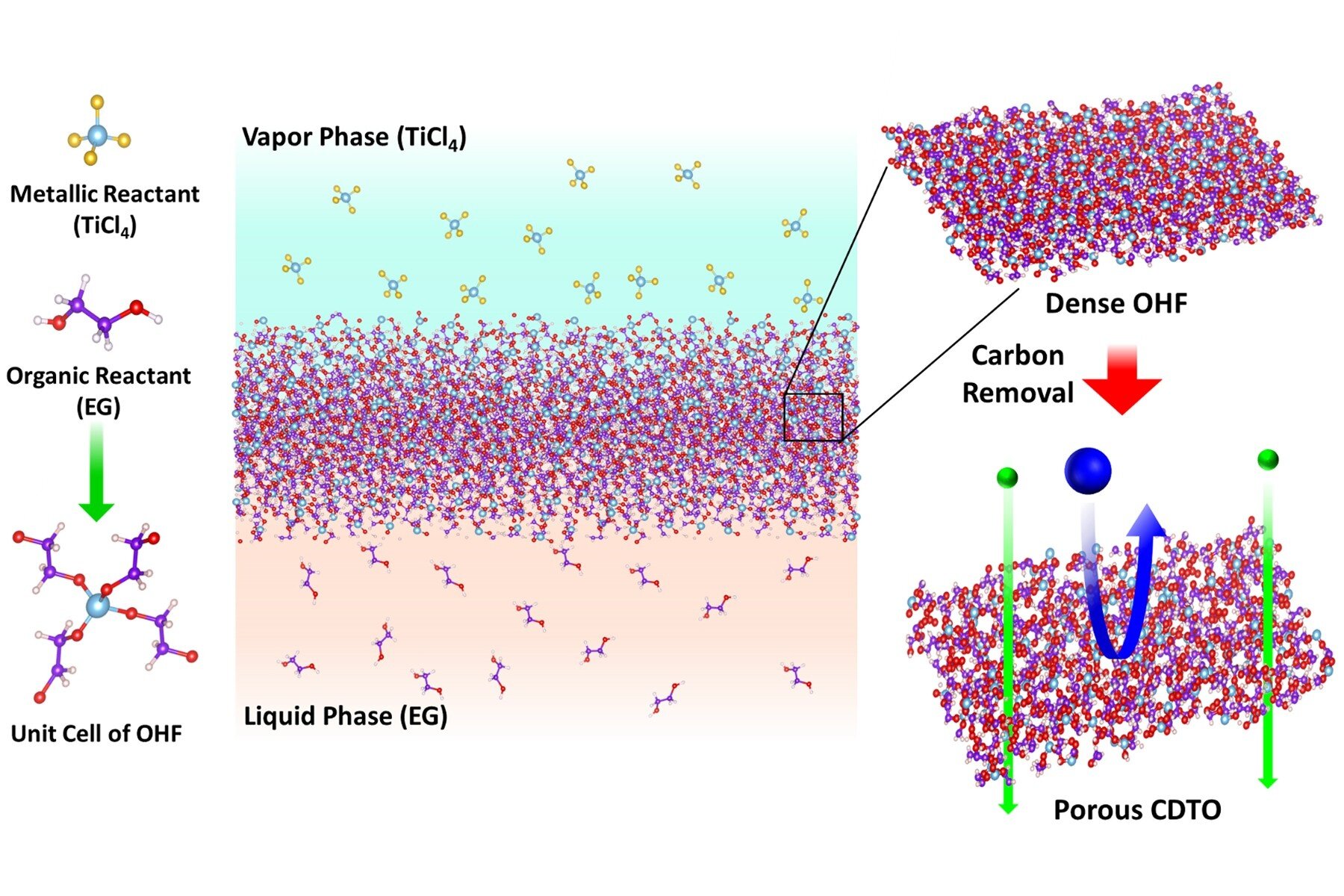
Researchers at the University at Buffalo have developed a nanoporous, heat-resistant membrane made from carbon-doped metal oxide that can withstand harsh industrial separation processes. The membrane has rigid nanopores that can be precisely controlled to allow different-sized molecules to pass through, potentially reducing the energy-intensive processes currently used for molecule separation. The membrane's ability to withstand high temperatures and pressures makes it more efficient than polymer-based membranes, and it has the potential to reduce the carbon footprint of various industrial processes. Further experiments are planned to scale up the membrane for commercial use, and the researchers are considering starting a company to advance the technology's commercial viability.
Reading Insights
0
0
3 min
vs 4 min read
85%
717 → 107 words
Want the full story? Read the original article
Read on Phys.org