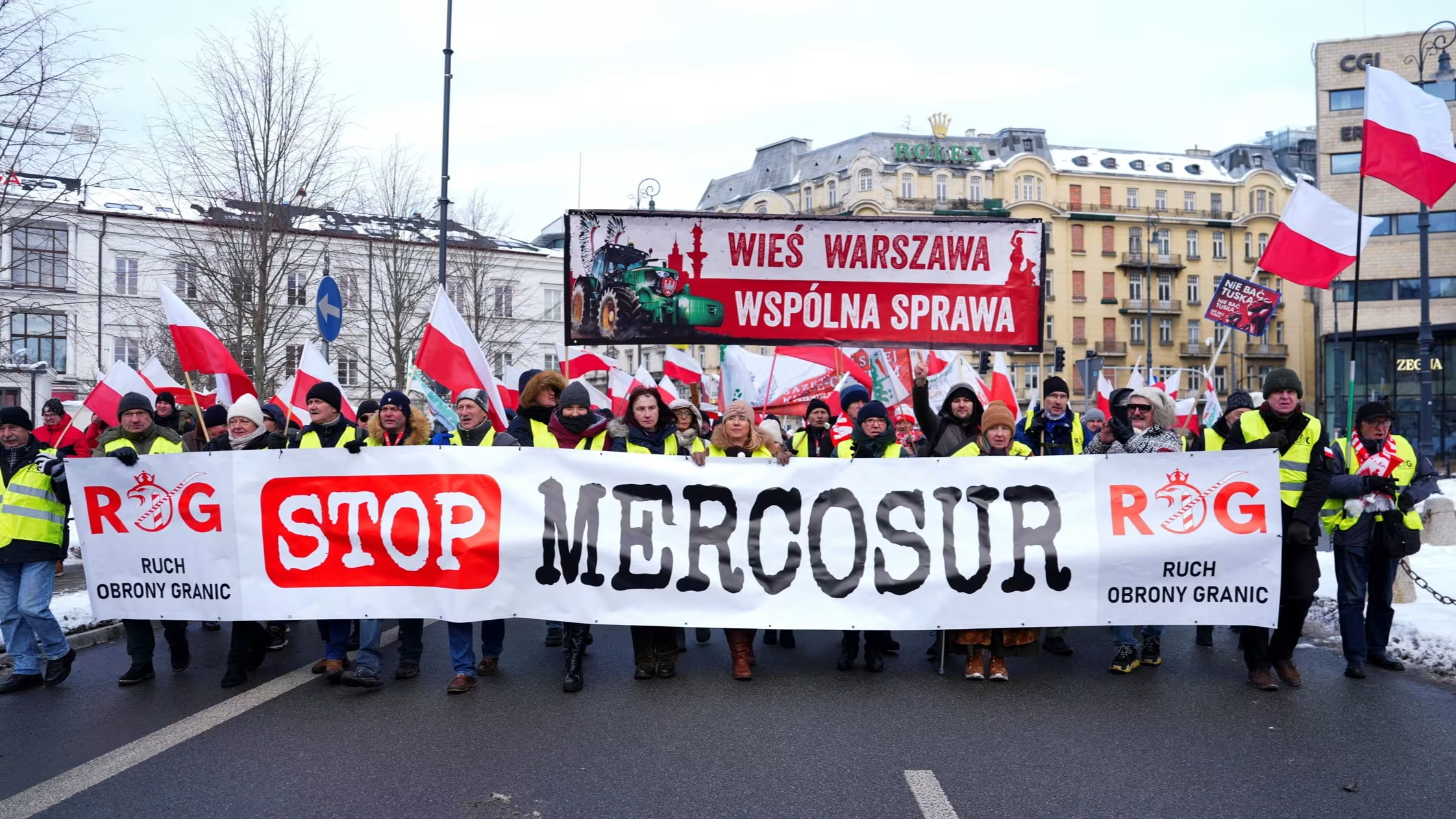
EU Supports Mercosur Trade Deal Amid Political and Economic Negotiations
EU member states have expressed support for the Mercosur trade deal, signaling progress towards a significant international trade agreement.

All articles tagged with #member states
EU member states have expressed support for the Mercosur trade deal, signaling progress towards a significant international trade agreement.
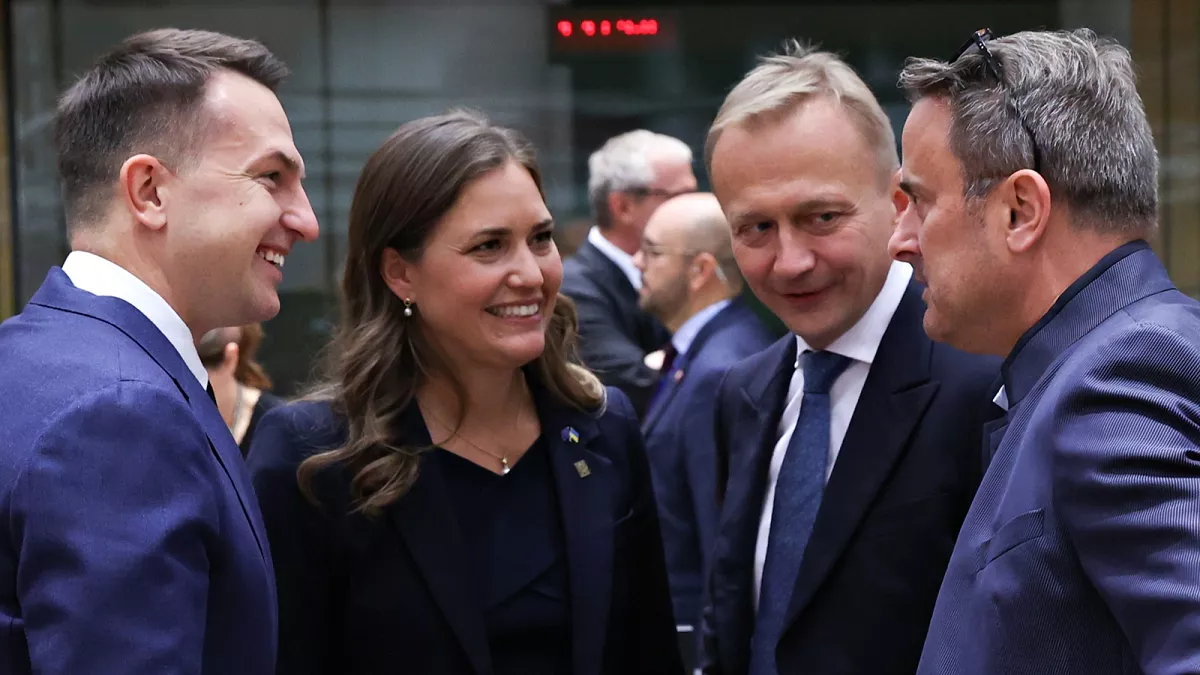
EU countries are beginning a political debate over Ursula von der Leyen's proposed €2 trillion budget, facing disagreements over its size, funding sources, and allocation priorities, with some countries opposing new taxes and increased contributions, while others emphasize the need for a more ambitious and cohesive financial plan.
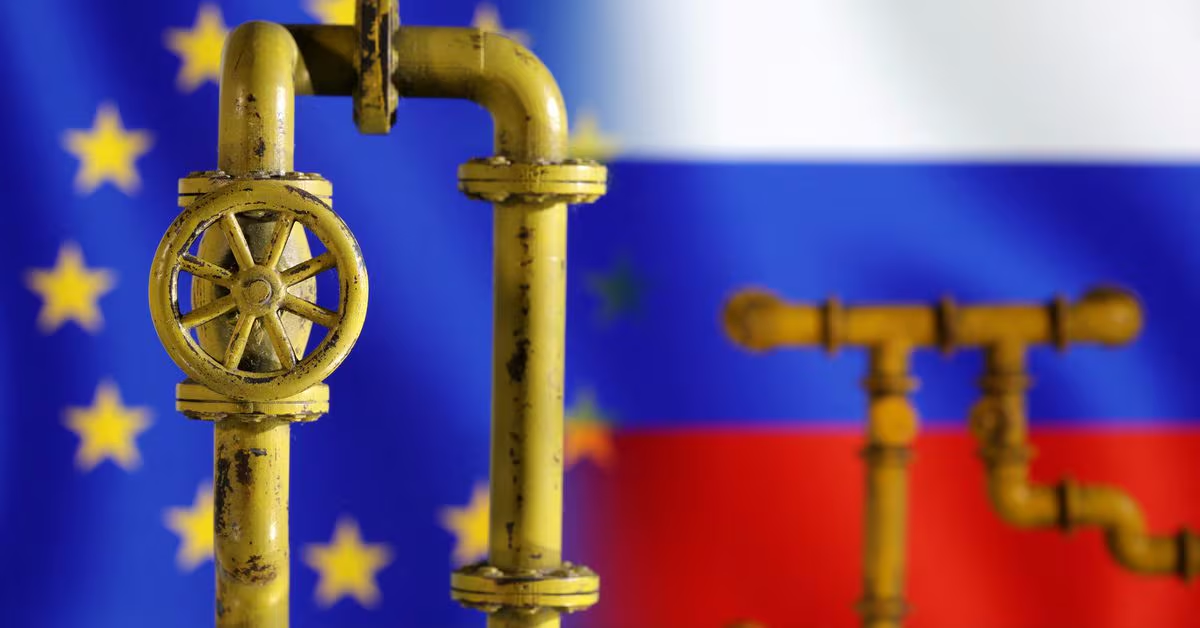
The European Union is set to grant member states the authority to block gas imports from Russia and Belarus, allowing them to restrict access to infrastructure for gas operators from these countries in order to protect their security interests. The draft legal text proposed by Brussels is expected to be endorsed by negotiators from member nations and the European Parliament. This move comes as the EU aims to avoid energy price spikes and supply deficits, following last year's record-high prices and concerns over Russia's reduction of gas supplies. Discussions are also underway regarding further economic sanctions on Russia in response to its invasion of Ukraine.
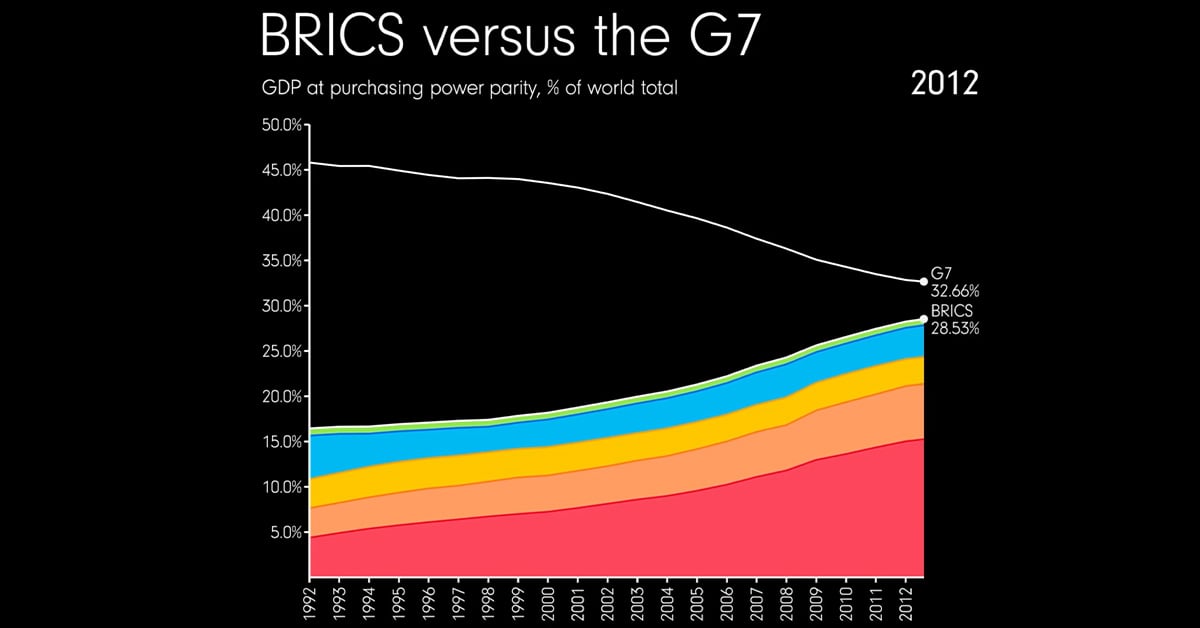
The European Union (EU) has the third-largest economy in the world, with a combined GDP of $16.6 trillion in 2022. However, the economic might of the EU is concentrated in a few member states, with Germany, France, and Italy accounting for more than half of the EU's GDP. The top five countries, including Spain and the Netherlands, make up nearly 70% of the EU's GDP. Additionally, the EU heavily relies on the services sector, which contributes over 70% of its economic output. The EU faces challenges such as high energy costs, inflation, and stagnant wage growth, and the IMF projects a modest growth of 0.7% for the EU in 2023.