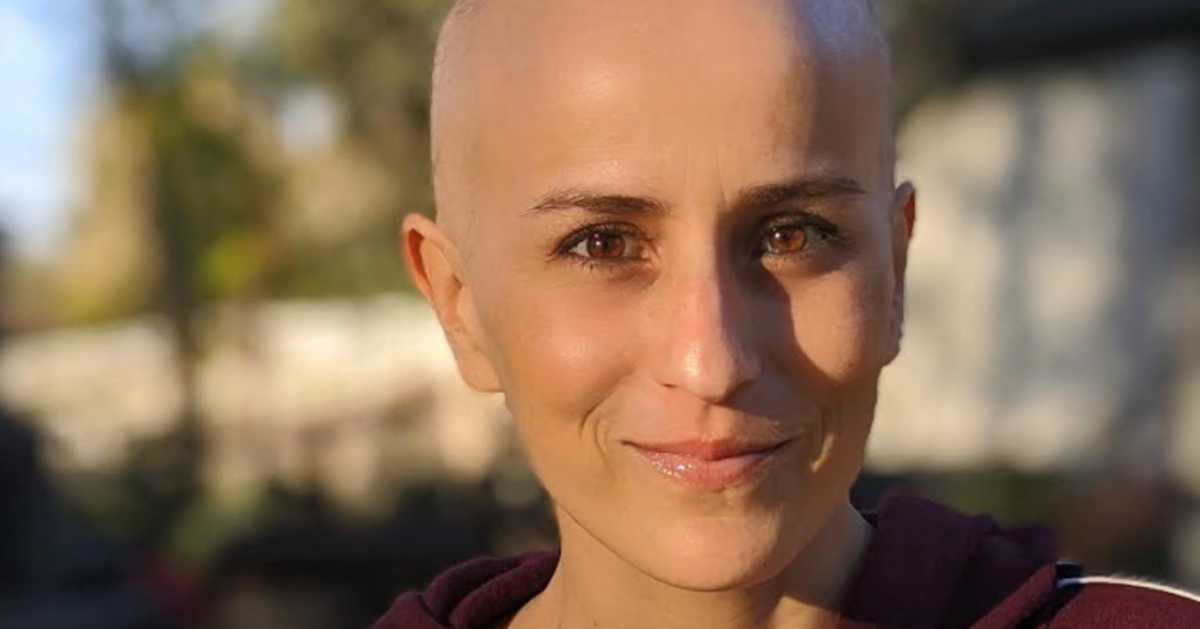
A woman shares her harrowing experience of being dismissed by her doctor despite symptoms of a rare, aggressive cancer, highlighting issues of gender bias, systemic healthcare delays, and the importance of self-advocacy in medical care. Her story underscores the critical need for patients to persist in seeking timely diagnosis and treatment, especially for women and those with rare conditions.
Originally Published 7 months ago — by Hacker News
The article discusses the challenges in diagnosing and treating endometriosis, highlighting systemic issues like doctor shortages, systemic inefficiencies, and gender biases, while suggesting that AI and increased healthcare funding could improve patient outcomes and diagnosis accuracy.
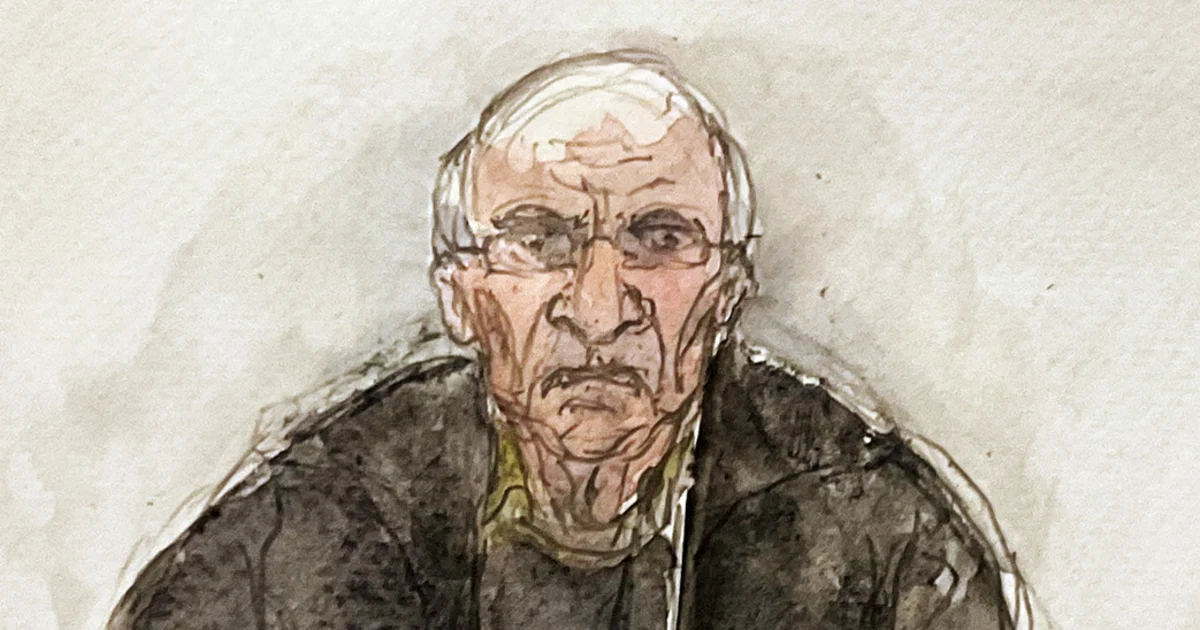
Joël Le Scouarnec, a former French surgeon convicted of sexually abusing 299 victims over three decades, was sentenced to 20 years in prison, highlighting issues in the medical system's handling of misconduct allegations and prompting calls for systemic reform.
Dr. Goobie, an MIT-educated neurosurgeon, quit his medical career after 20 years due to burnout, stress, and ethical concerns about the U.S. medical system prioritizing profit over patient healing. He shared his story in a YouTube video, revealing that lifestyle changes often healed patients more effectively than surgeries, which conflicted with the profit-driven healthcare model. Supported by his wife, he left the field to seek a more fulfilling life.
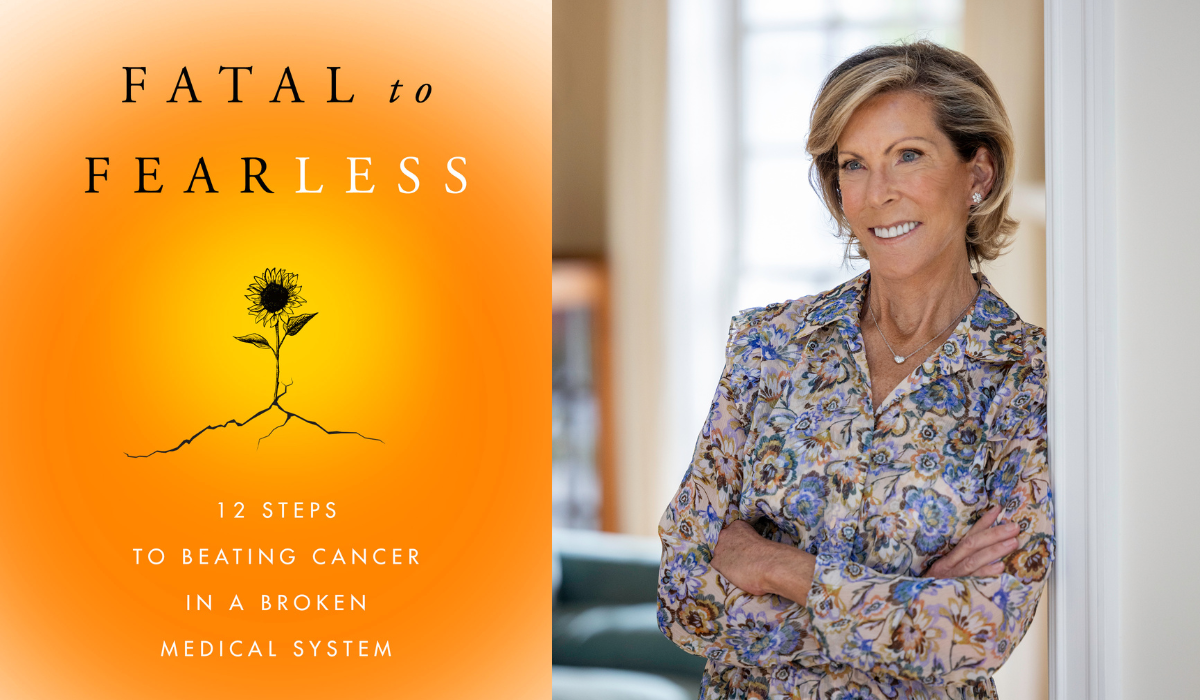
Kathy Giusti, a two-time cancer survivor, shares her journey from a fatal diagnosis to fearless activism in cancer research and patient advocacy. She emphasizes the importance of patients taking charge of their healthcare, understanding their disease, and respecting caregivers' needs. Giusti's new book, "Fatal to Fearless," offers 12 steps to navigate the broken medical system and provides insightful advice for anyone facing a life-changing illness. As the founder of the Multiple Myeloma Research Foundation, she has raised over $500 million for research and helped develop treatments, emphasizing the power of patient involvement in research and healthcare disruption.
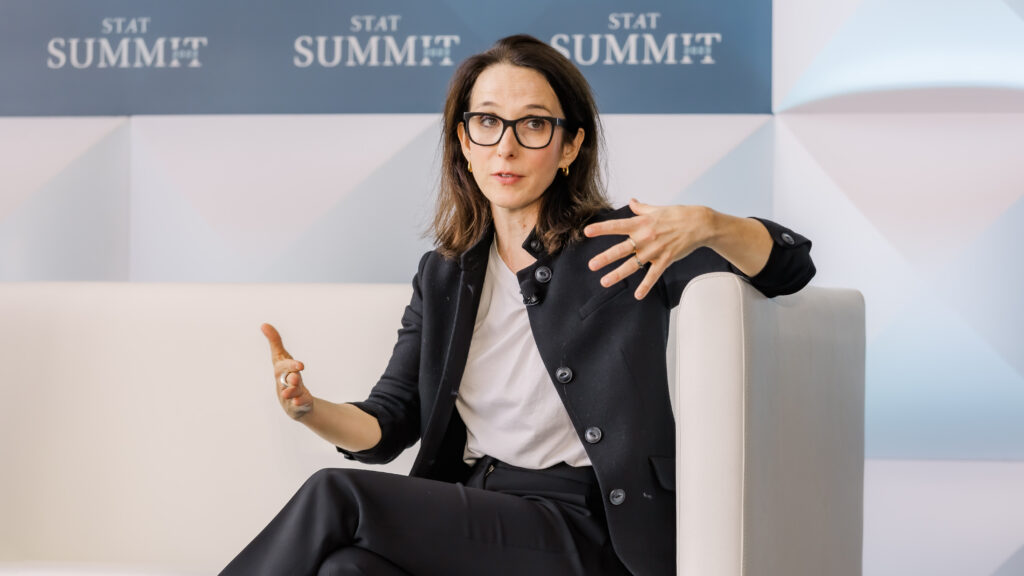
Meghan O'Rourke, author of "The Invisible Kingdom," discusses the limitations of the healthcare system in caring for people with chronic conditions. O'Rourke highlights the challenges she faced in obtaining a diagnosis and treatment for her own chronic illnesses, emphasizing the fragmented and time-constrained nature of medical care. She calls for a more patient-centered approach, similar to palliative care, where the patient's desires and wishes are prioritized. O'Rourke also explores the cultural narratives surrounding chronic illness and the need for a shift in societal understanding and investment in research and pharmaceutical development for chronic conditions. She finds hope in the growing movement for disability rights and the collective voice of those living with chronic illnesses.
A new study reveals that Americans are taking more prescription drugs and staying on them for longer periods of time than ever before. The research estimates that babies born in 2019 will spend half their lives taking medications under doctor's orders. The study highlights a steep increase in prescription drug use among various demographics, with older, White women showing the highest increase. Factors contributing to this trend include the growing burden of obesity, longer survival with chronic conditions, and intensified treatment of high blood pressure and cholesterol. However, the study also raises concerns about the potential risks and negative interactions associated with taking multiple medications for extended periods. The need for further research on the long-term impact of sustained prescription drug use is emphasized.
The new Netflix documentary "Take Care of Maya" tells the story of a family's nightmare involving their daughter's medical condition and the hospital's accusations of child abuse. The film explores the Kafkaesque legal and medical system that allegedly destroyed the family, leaving them in limbo and suffering through no fault of their own. The documentary raises questions about the lack of accountability on the part of the accusers and the need for a wider perspective on the issue. Despite its emotional appeal, the film leaves the viewer wanting more, but effectively makes them care about the Kowalski family's plight.
COVID long haulers face barriers to receiving disability benefits due to the difficulty of proving their condition and navigating a disability claims system that was already difficult before the pandemic. Long COVID has added additional hurdles, as there is no clear way to diagnose it and many symptoms are real but vague. The Social Security Administration has a strict definition of disability, and benefits start five months after the government determines a person is qualified, but the wait to qualify is long and arduous. The severe backlog of applications at SSA and medical providers’ knowledge gaps about long COVID are also hindrances.