Tag

Medical Decision Making

All articles tagged with #medical decision making

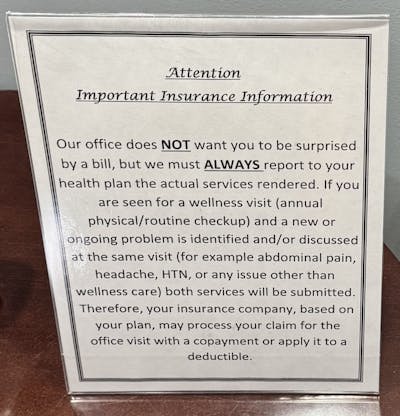
Insurance Concerns May Hinder Patient-Doctor Communication

Originally Published 4 months ago — by yahoo.com

Featured image for Insurance Concerns May Hinder Patient-Doctor Communication
Source: yahoo.com

Research shows that insurance warning signs in doctors' offices can discourage patients from discussing health issues openly, potentially impacting care quality and outcomes. The study suggests that while such signs are meant to inform, they may unintentionally lead to patients withholding important health information, emphasizing the need for better communication strategies that balance cost transparency with encouraging honest dialogue.


"How to Ensure You Receive the End-of-Life Care You Desire"

Originally Published 1 year ago — by Maria Shriver's Sunday Paper

Featured image for "How to Ensure You Receive the End-of-Life Care You Desire"
Source: Maria Shriver's Sunday Paper

Many people do not receive the end-of-life care they desire due to a lack of communication and understanding about available options like palliative care and hospice. Karen Lutfey Spencer, PhD, shares lessons from her personal experience and research, emphasizing the importance of trusting one's own observations, proactively discussing end-of-life care early, and educating oneself about care options to ensure quality of life and alignment with personal priorities.

Putting Patients First: Rethinking Diagnosis in Healthcare

Originally Published 2 years ago — by Medical Xpress

Featured image for Putting Patients First: Rethinking Diagnosis in Healthcare
Source: Medical Xpress

A study led by researchers from the University of Cambridge and Kings' College London found that clinicians rank patient self-assessments as the least important factor in diagnostic decisions. The study highlighted the under-valuation of patient reports and the tendency for patients to be disbelieved or have their symptoms downplayed. Clinicians ranked their own assessments highest, despite acknowledging their lack of confidence in diagnosing invisible symptoms. The study emphasized the need to value patients' insights and experiences, particularly for long-standing diseases, and called for a more collaborative relationship between patients and clinicians. Including patients' perspectives in diagnosis could lead to improved accuracy, fewer misdiagnoses, and greater patient satisfaction.

Ohio Senate Passes Controversial Bans on Gender-Affirming Care and Transgender Athletes

Originally Published 2 years ago — by The Hill

Featured image for Ohio Senate Passes Controversial Bans on Gender-Affirming Care and Transgender Athletes
Source: The Hill

The Ohio Senate has passed legislation that would prohibit doctors from providing gender-affirming healthcare to transgender minors and ban transgender student athletes from participating in sports teams that align with their gender identity. The bill, which previously passed the Ohio House, will now undergo a final House vote before potentially being signed into law by Republican Governor Mike DeWine. The proposed legislation has faced criticism from LGBTQ advocates, medical professionals, and families, while Republicans argue that transgender minors are not capable of consenting to gender-affirming care. Similar laws restricting gender-affirming healthcare and transgender participation in sports have been enacted in multiple states across the US.

UK Court Denies Teen's Plea for Autonomy in Care Decision Due to Rare Disorder

Originally Published 2 years ago — by Fox News

Featured image for UK Court Denies Teen's Plea for Autonomy in Care Decision Due to Rare Disorder
Source: Fox News

A UK court has ruled that a 19-year-old critically ill female patient with a rare genetic mitochondrial disease cannot make her own decisions about continuing her medical care, despite her desire to pursue experimental treatment. The patient, known as "ST," has spent the past year in the ICU and requires a ventilator, feeding tube, and regular dialysis. Her doctors believe she is "actively dying" and should receive palliative care, while her family argues that she is conscious and able to communicate. The court has determined that "ST" is mentally incapable of making decisions for herself and that her future care should be determined by the Court of Protection.