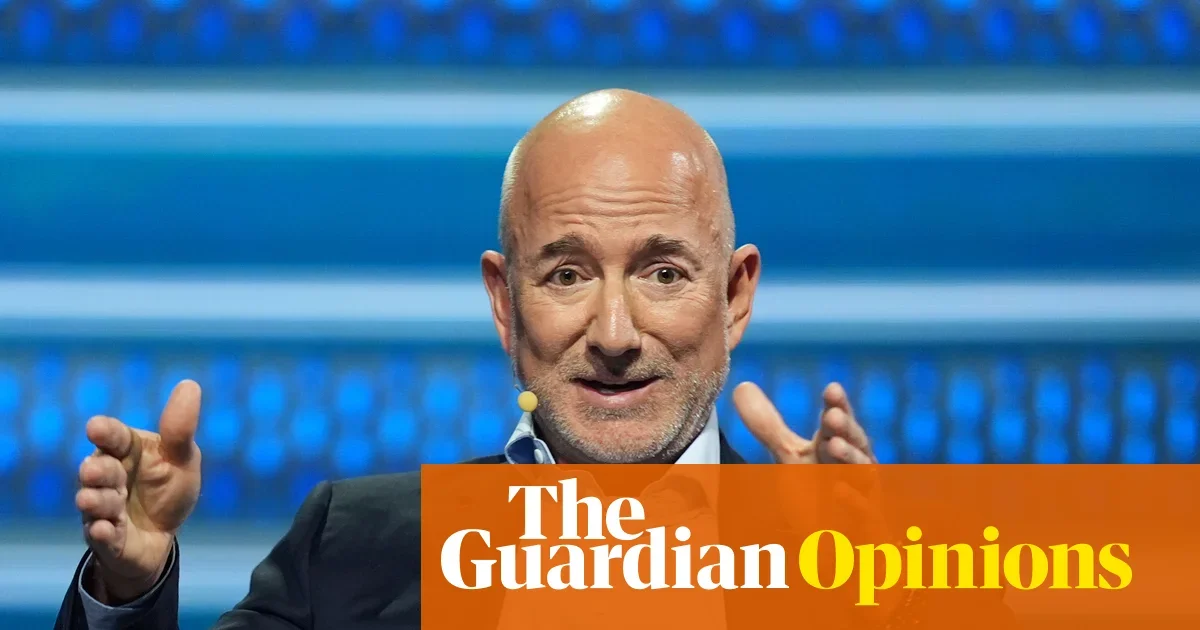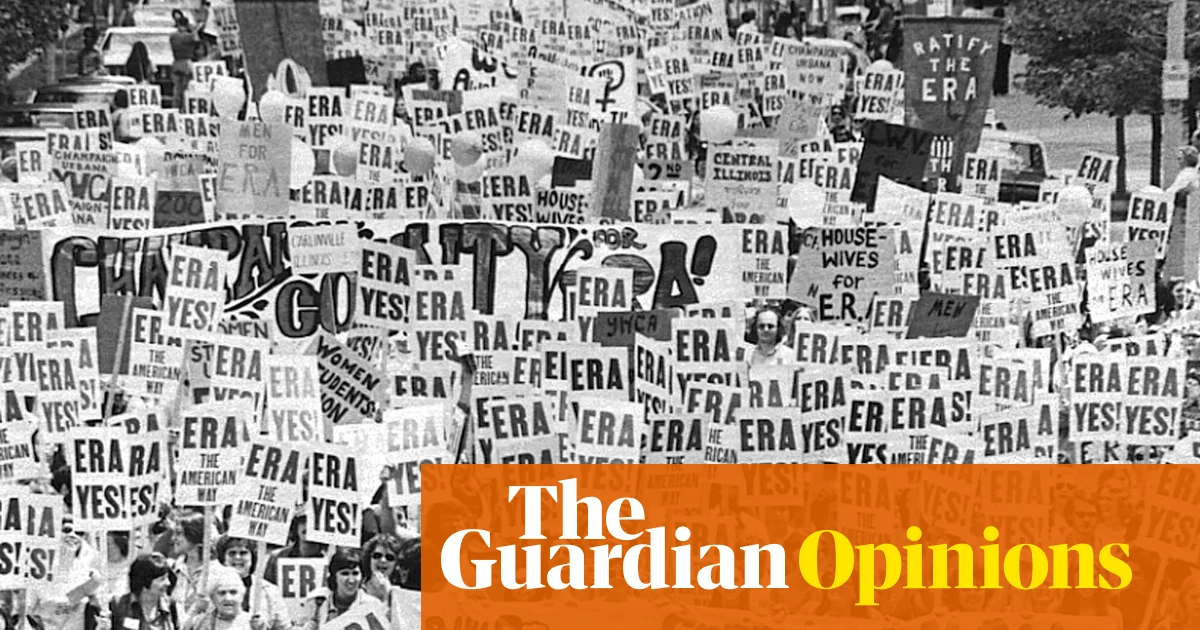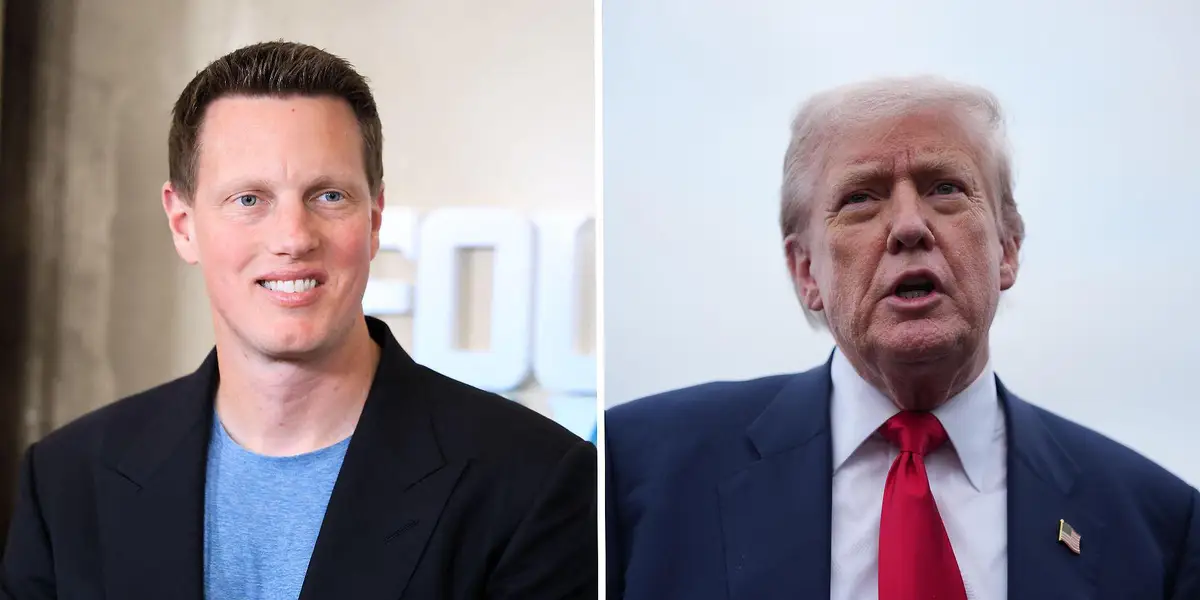
The article critiques CBS's new debate series 'Things That Matter,' funded by Bank of America and led by Bari Weiss, highlighting concerns about media bias, influence of wealthy elites like the Ellison family, and the focus on controversial topics like feminism, which the author suggests may serve the interests of powerful conservative figures rather than genuinely addressing women's issues.
The article criticizes the blurring lines between advertising, public relations, and journalism, highlighting how media outlets are increasingly influenced by billionaires and political interests, which compromises their role in holding power to account. It emphasizes the importance of independent journalism, exemplified by the Guardian, in defending free speech and truth against corporate and political manipulation.
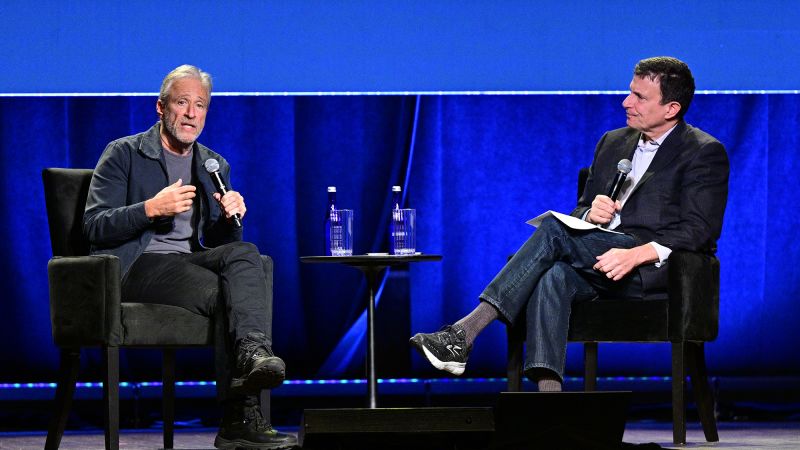
Jon Stewart expressed his desire to stay at 'The Daily Show' beyond his current contract, emphasized the importance of resisting media pressure, and encouraged fighting for better information and integrity in journalism amid changing media landscapes and political pressures.
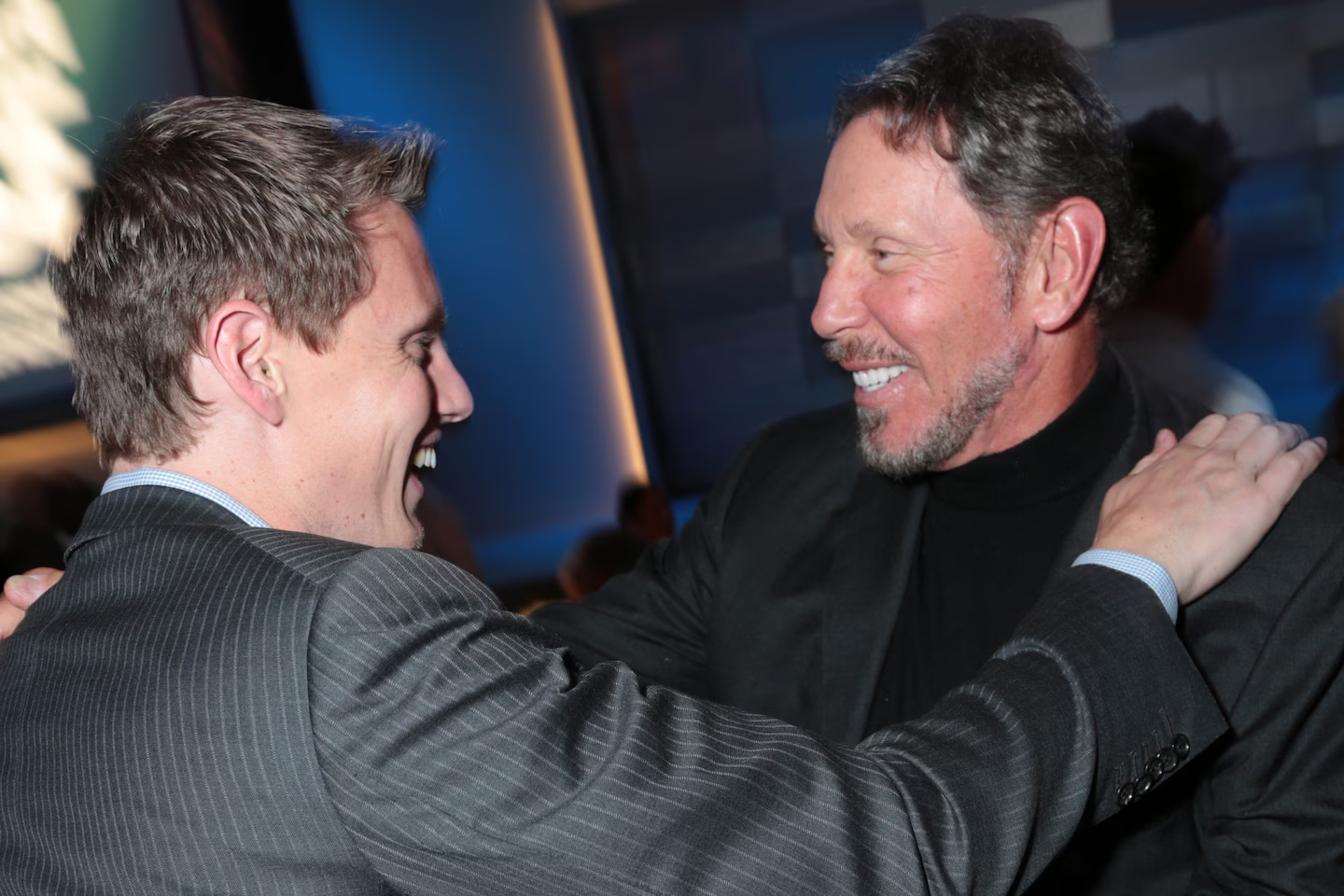
The Ellison family, led by billionaire Larry Ellison and his son David, is building a vast and diverse media empire through major deals involving CBS, Paramount, TikTok, and online media, with plans to influence the future of U.S. business and culture, amid political and cultural shifts.
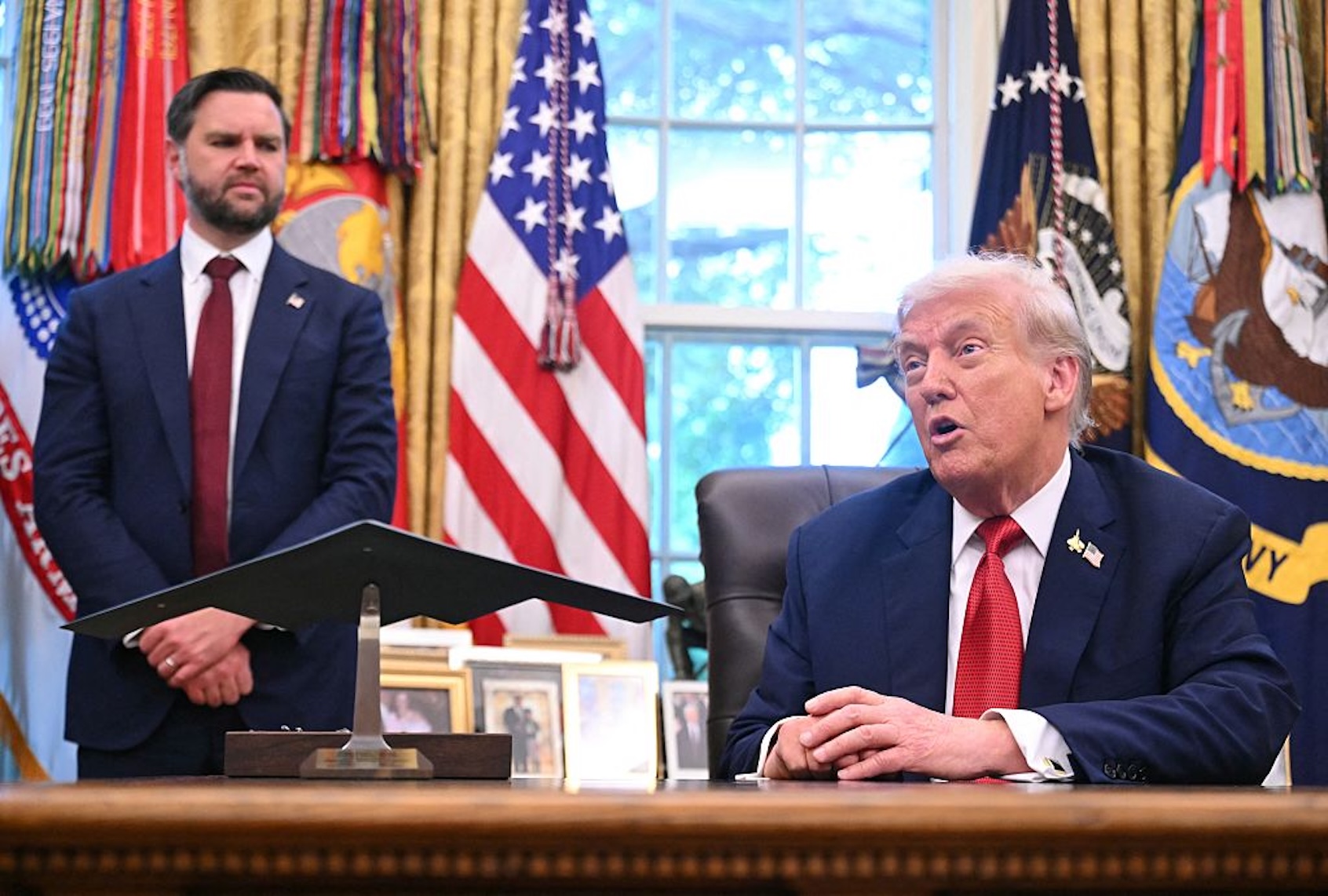
The article discusses President Trump's complex deal to create an American-controlled version of TikTok, involving major investors like Oracle, Murdoch, and Dell, which raises concerns about increased billionaire influence over U.S. media and the potential impact on misinformation and free speech. Despite claims of protecting user data, the deal may actually deepen American billionaire control over digital platforms, with implications for political discourse and information flow.
The Redstone family's control over Paramount and CBS has ended with the sale of Paramount Global to David Ellison's Skydance Media for about $8 billion, marking a significant shift in the media landscape and concluding a tumultuous era for the Redstone legacy.
David Ellison, now head of a newly acquired Paramount, avoids discussing political issues related to Trump and the company's past dealings, emphasizing a move beyond controversy despite ongoing scrutiny from lawmakers and the public.
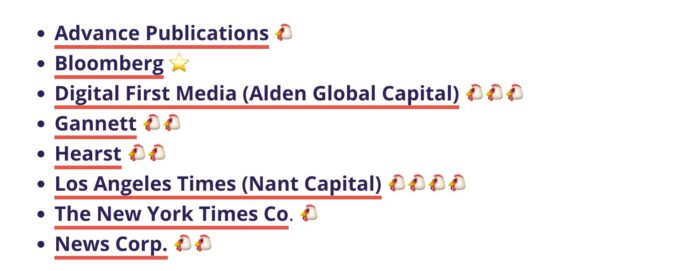
The Free Press organization released the 'Media Capitulation Index,' ranking 35 major media and tech companies from vulnerable to propaganda, highlighting concerns over corporate and billionaire influence on media independence, with Bloomberg and Netflix earning the highest marks for independence.
The Free Press Media Capitulation Index reveals that many of the largest U.S. media companies are compromising their independence and failing to defend democracy by caving to pressure from the Trump administration, through financial ties, censorship, and political favors, with only a few like Bloomberg and Netflix maintaining independence. The report warns this trend threatens the integrity of the free press and offers policy recommendations to restore media independence and accountability.
The Los Angeles Times will become a publicly traded company, announced by owner Patrick Soon-Shiong, aiming to democratize ownership and rebuild trust in media, with the transition expected over the next year.
Jon Stewart expressed uncertainty about the future of The Daily Show amid the ongoing merger between Skydance Media and Paramount Global, which could impact the show's ownership and continuation. The merger is still pending regulatory approval, and Stewart highlighted the show's significance to Comedy Central, while also noting the broader industry uncertainties following CBS's cancellation of The Late Show with Stephen Colbert.
The UK plans to ban foreign governments from owning newspapers and magazines in the country, citing concerns over overseas influence on traditional media and social platforms. The decision comes amid worries about a proposed takeover of The Telegraph and The Spectator by a United Arab Emirates-linked firm. This move reflects a global trend, with more governments considering similar bans on foreign firms operating media operations within their borders. Critics argue that such regulations can be abused by authoritarian leaders to stifle independent journalism and that Western democracies' efforts to control media ownership reveal concerns about weakening democratic systems in the face of misinformation and foreign interference.
David Smith, the conservative TV mogul and executive chairman of Sinclair television stations, has purchased the Baltimore Sun and several community newspapers from Alden Global Capital, returning the paper to local ownership for the first time in nearly four decades. Smith's influence as the leader of a network of over 190 television news stations has been controversial, with accusations of leaning too far to the political right and running afoul of federal regulators. His purchase raises concerns about media ownership and influence in Baltimore and beyond.
New Baltimore Sun owner David Smith insulted staff during a meeting, encouraged them to mimic a TV station owned by his broadcasting company, and expressed a focus on increasing profits. Smith, the executive chairman of Sinclair Inc., which operates over 200 television stations nationwide, has a history of criticizing print media and promoting specific content and editorials. The tense meeting left staff feeling uncertain about their job security and the future direction of the paper under Smith's ownership.
The Baltimore Sun, Maryland's largest daily newspaper, has been acquired by David D. Smith, the executive chairman of Sinclair Broadcast Group, returning the paper to local ownership for the first time in decades. The purchase comes after the paper was previously owned by Alden Global Capital, known for cost-cutting and staff reductions at local newspapers. Smith expressed his belief in serving the public interest through local news and aims for the paper to be profitable while preserving its journalistic values. The sale surprised union representatives and staff, and comes after a failed attempt to return the paper to local ownership in 2021. Smith's acquisition has raised concerns due to his conservative ties and criticism of mainstream media.