Experts warn that advances in AI are intensifying the erosion of trust online by making it increasingly difficult to distinguish real from fake media, leading to potential misinformation, cognitive exhaustion, and a need for improved media literacy.
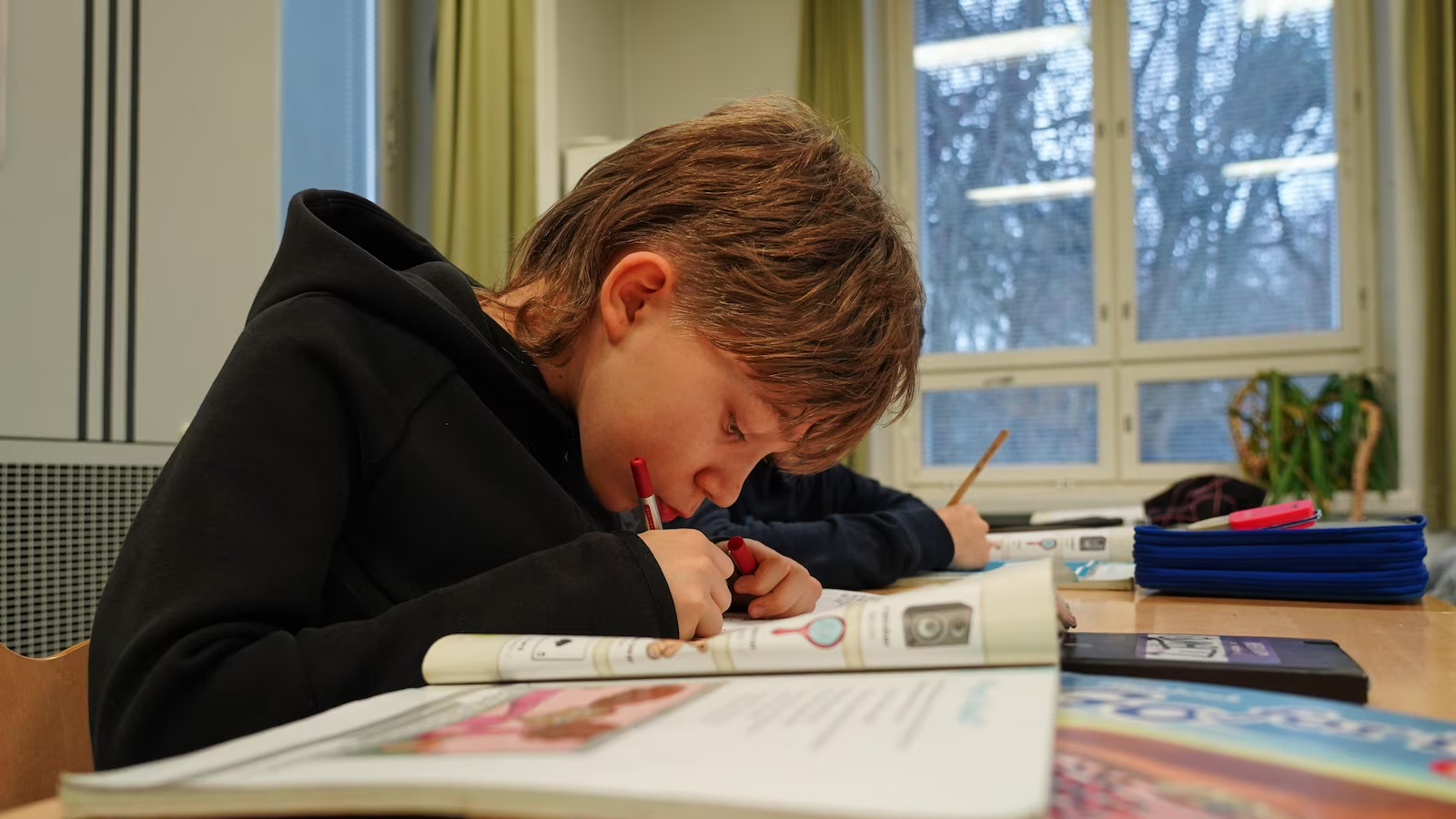
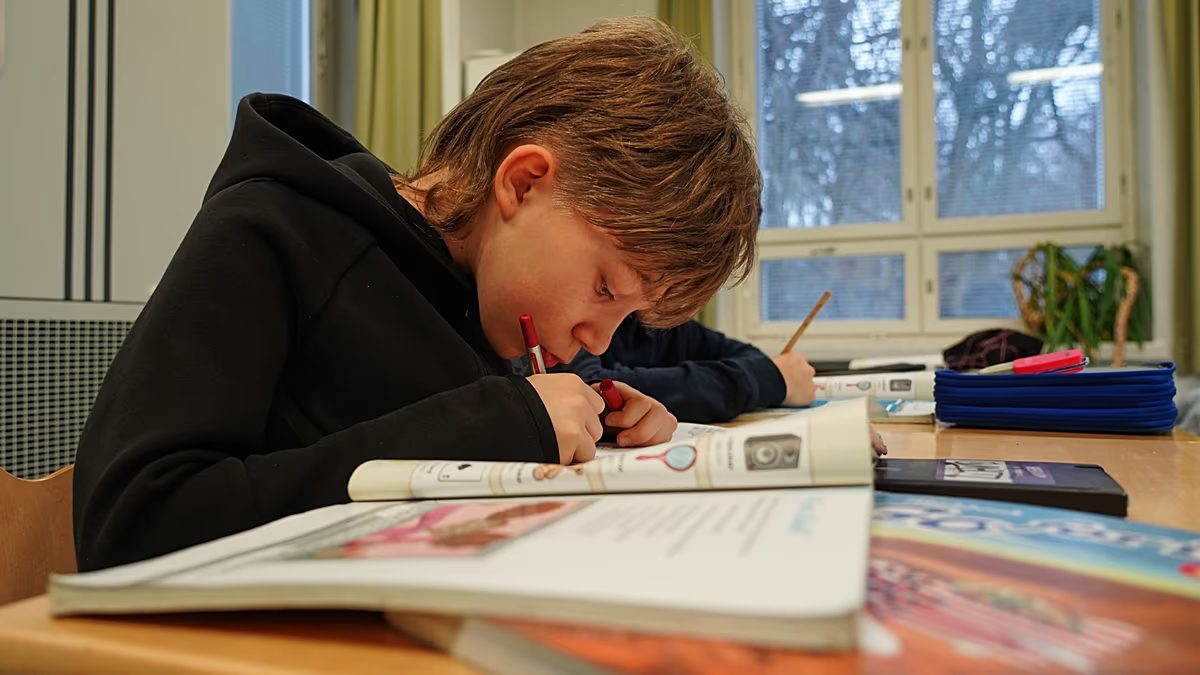
Finland is proactively teaching media and AI literacy in preschool and school curricula to combat fake news and disinformation, especially in light of increased Russian disinformation campaigns and AI-generated fake content, emphasizing the importance of media literacy for national security and democracy.
Finland is integrating AI literacy into its early education curriculum to combat disinformation and fake news, emphasizing media literacy from a young age as part of its broader efforts to protect democracy and national security amid increasing AI-generated misinformation.
Axios CEO Jim VandeHei discusses how the traditional news ecosystem is broken and how the company aims to adapt in the post-news era by focusing on trustworthy reporting, navigating AI's influence, and expanding local coverage to help people better understand and navigate the rapidly changing information landscape.
The article discusses the prevalence of AI-generated fake videos online, how to identify them through features like length and framing, the importance of considering the video's context and source, and advises caution in sharing such content to prevent misinformation and erosion of trust in genuine videos.
OpenAI's Sora video app has released highly realistic AI-generated videos, leading to concerns about fake content and the difficulty in distinguishing real from AI-created footage. Despite watermarking efforts, advanced removal tools and high-quality outputs make detection challenging, emphasizing the need for media literacy and cautious viewing habits.
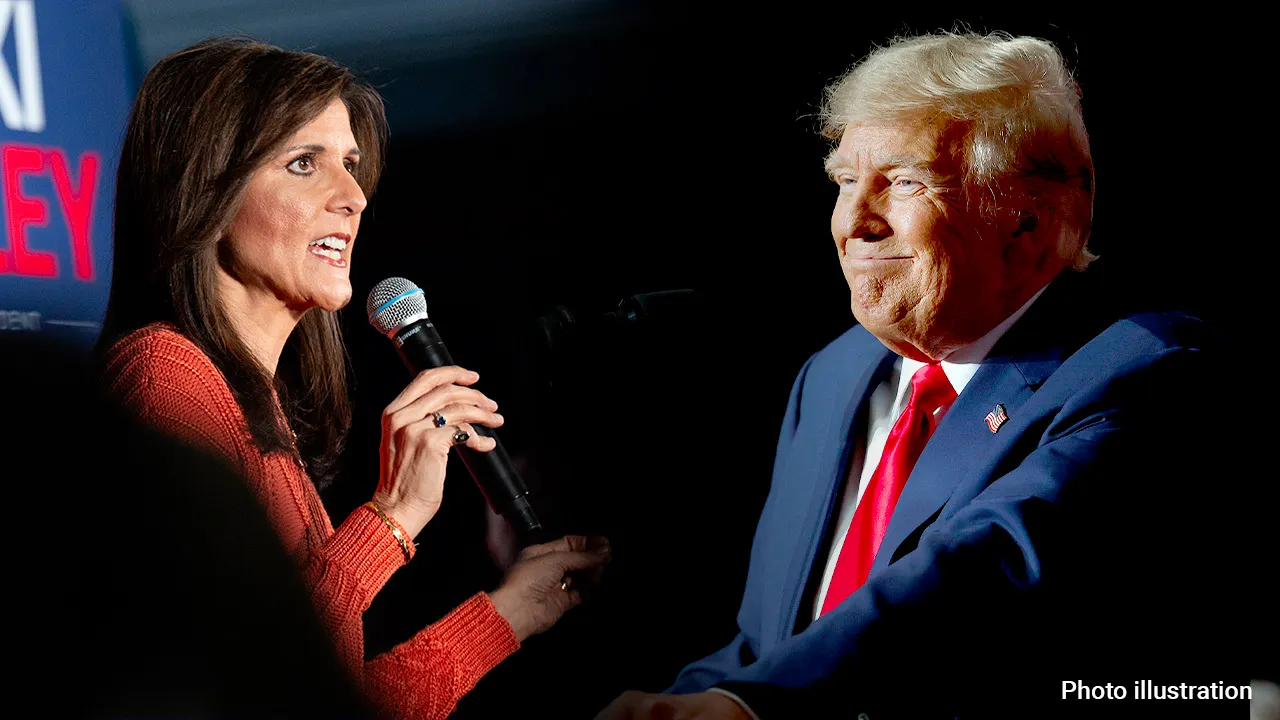
Nikki Haley criticizes Trump on the economy ahead of the South Carolina primary, Charlamagne tha God delivers a blow to Biden's appeal, experts release presidential rankings, Kevin Costner plans new business venture, concerns rise about cancel culture erasing Native American history, GOP Senate candidate raises alarm about Biden's cognitive issues, New York fires another salvo in gas appliance crackdown, truckers for Trump to boycott driving to New York City, Rhode Island teacher speaks out on media literacy program, advocacy group vows to end discriminatory public school district boundary lines, and US presidents once revered the Supreme Court.
American teens, particularly Gen Z, are struggling to identify misinformation on social media platforms like TikTok and Instagram regarding the Israel-Hamas conflict, which has become the second "social media war" after the conflict in Ukraine. Despite their technological proficiency, research shows that teenagers have a low ability to discern between real and fake videos. Media literacy classes are being implemented in some states to teach students how to spot misinformation, but experts warn that false information can intensify the already heated debates surrounding the conflict and lead individuals down dangerous paths.
The Israeli-Hamas war is accompanied by a surge of misinformation, spreading rapidly through social media platforms. False claims, such as Ukraine selling weapons to Hamas or Israel killing thousands of Palestinian children, have garnered millions of engagements and views. Despite efforts like Elon Musk's fact-checking feature on Twitter, only a small percentage of misinformation posts were flagged. To combat this, educators and institutions need to curate trusted sources and provide media literacy education to help students navigate the overwhelming amount of false information.
Lila Szyryj, a 21-year-old from Madison, has been crowned Miss Wisconsin 2023, winning $12,500 in scholarships and the chance to compete for Miss America 2024. She won preliminary talent and evening wear awards and her community service initiative is Breaking Down Breaking News, which aims to educate the public on media literacy. Szyryj graduated from the University of Wisconsin-Madison with a degree in Journalism and Mass Communication and hopes to teach generations to embrace cultural differences and recognize misinformation.
AI-generated content is becoming more prevalent, but it can be difficult to distinguish from real content. While some tools can help detect AI-generated content, they are not always reliable. Experts recommend using media literacy techniques, such as investigating the source and finding better coverage, to assess what you're looking at. Additionally, chatbots can produce text that sounds highly plausible but may not be accurate, so it's important to fact-check any important information before sharing it. When experimenting with generative AI, it's important to consider privacy, ethics, consent, disclosure, and fact-checking.
Microsoft's Bing AI cited misinformation generated by Google's Bard chatbot, just one day after its release, when asked a simple query. The incident highlights the poor media literacy of these bots and the potential for AI-generated misinformation to become rampant on the internet. While these companies have been honest about the fact that their products will make mistakes, it's important to remember that providing accurate information is still the thing that these AI systems are worst at.
The weight loss drug Ozempic, which has been found to induce weight loss, is sweeping Hollywood and reigniting the idea that "thin is in." While some celebrities have admitted to using the drug, experts say most are likely keeping their use private. The growing number of people using Ozempic has also created a shortage for those who are diabetic and rely on the drug for their health. Discussions about body image have evolved over the past few years to celebrate different body types, but many have worried about a regression. The concept of an "ideal" body type can trigger feelings of shame and lack of self-worth, anxiety, and depression.