The article discusses the prevalence of AI-generated fake videos online, how to identify them through features like length and framing, the importance of considering the video's context and source, and advises caution in sharing such content to prevent misinformation and erosion of trust in genuine videos.
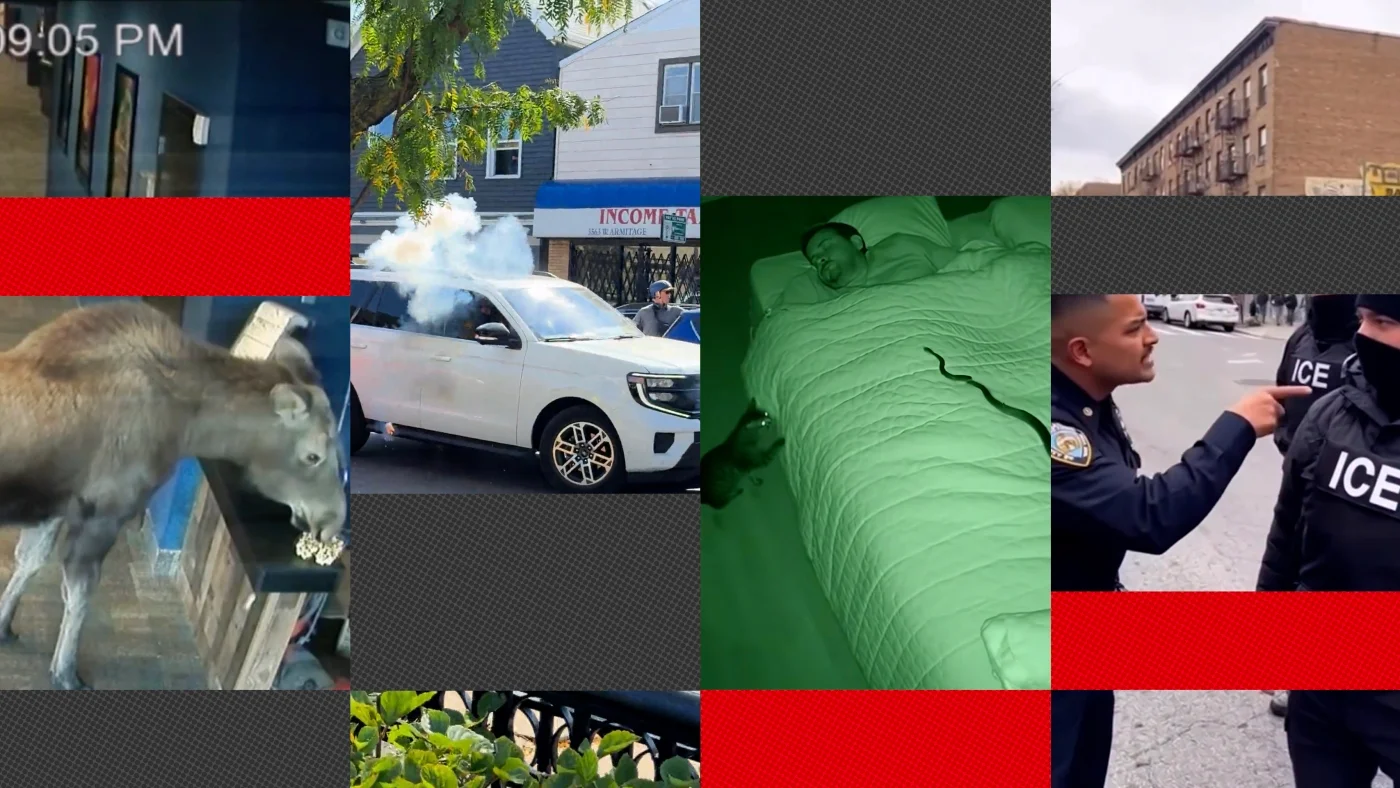
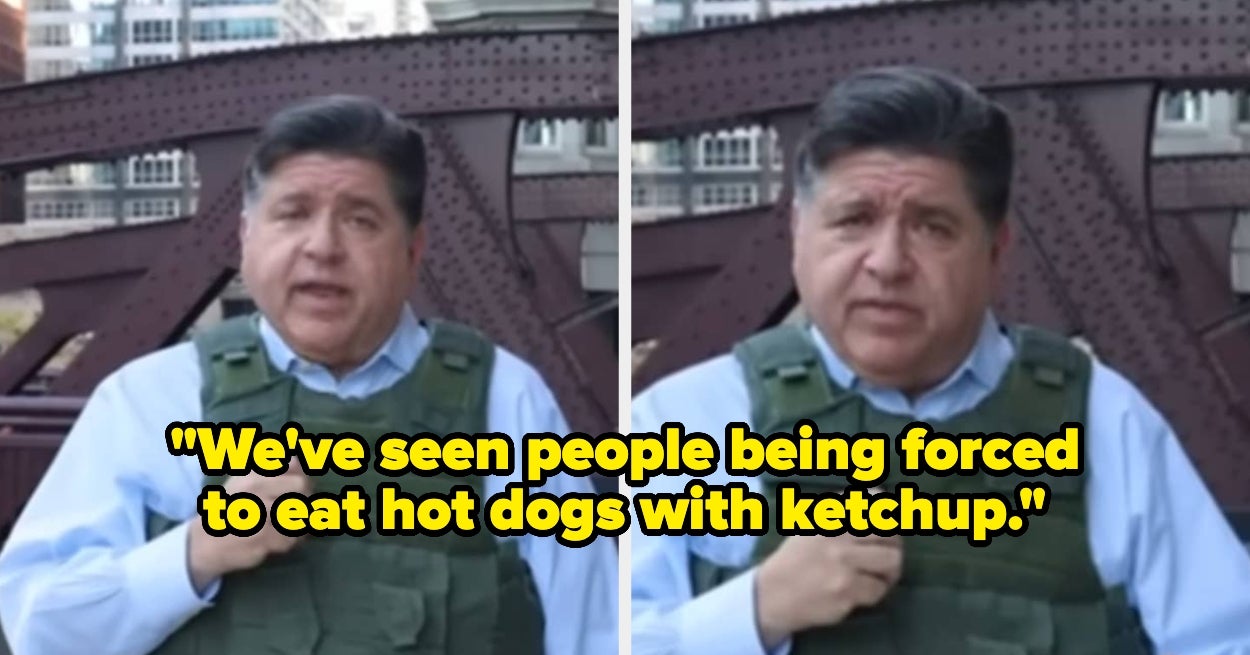
Jimmy Kimmel showcased humorous and fake videos from residents of cities like Portland and Chicago, mocking claims of them being war zones, which received positive reactions from viewers online.
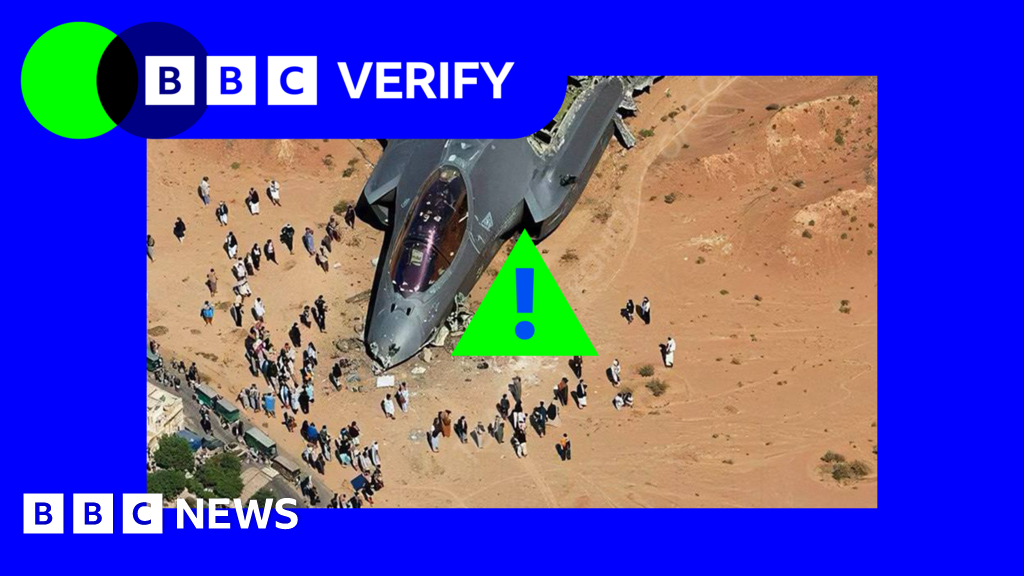
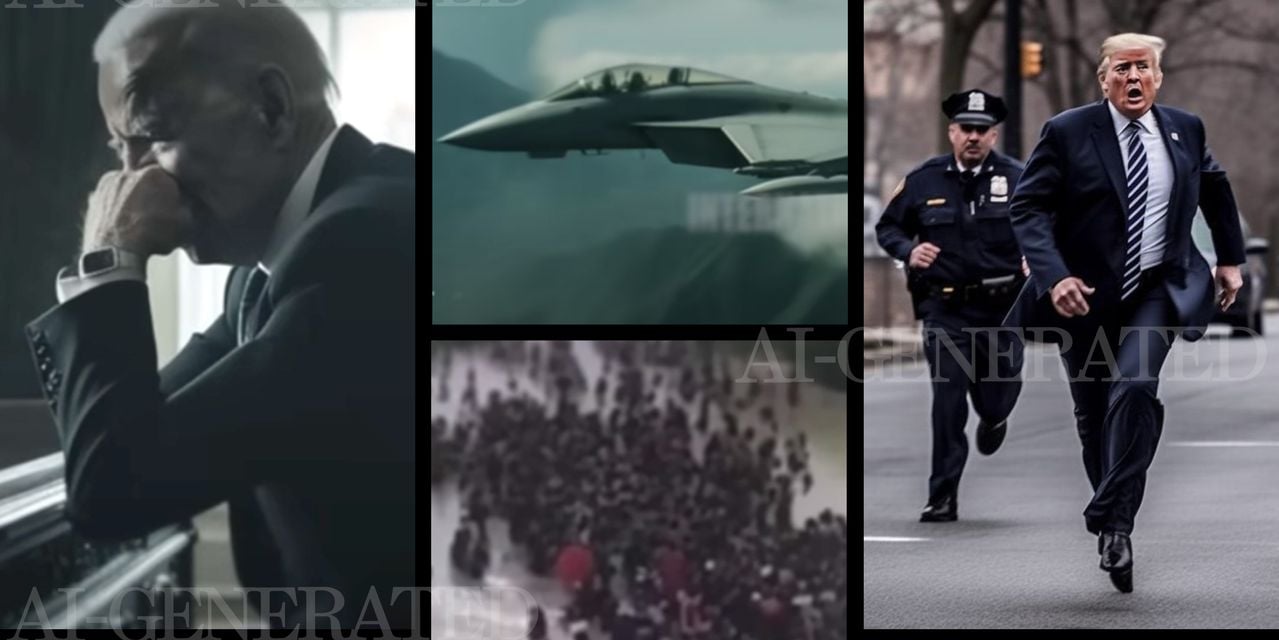
The Israel-Iran conflict has triggered a surge in online disinformation, with AI-generated videos and fake images spreading rapidly across social media platforms, aiming to exaggerate military capabilities and sow confusion, while some accounts profit from the chaos by gaining followers and engagement.
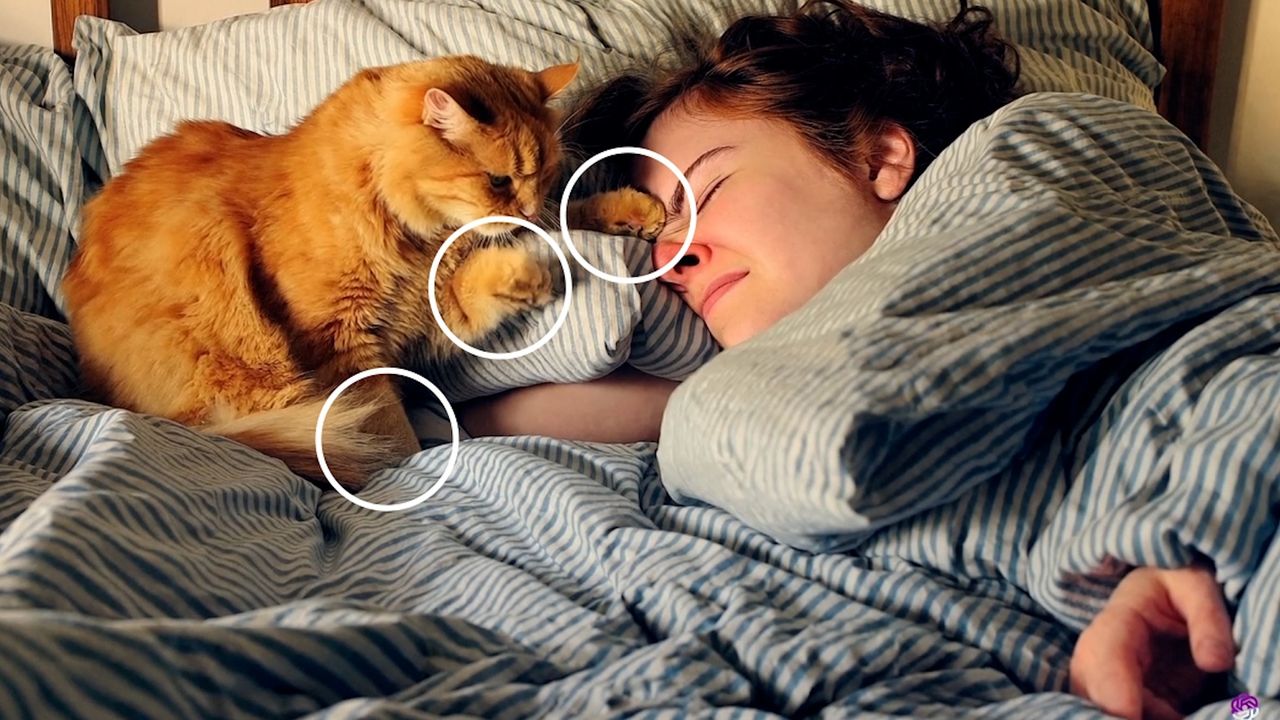
OpenAI's new AI video generator, Sora, can create hyper-realistic scenes and animated worlds quickly, but it has flaws that make it possible to detect fake videos. The technology has the potential to shape the future of content creation, and understanding how to spot AI-generated videos is becoming increasingly important.
X, a popular internet service provider, has blocked searches related to Taylor Swift after fake AI-generated videos of the singer went viral. The move comes as a response to the spread of manipulated content and deepfake videos on the internet, highlighting the growing concern over the potential misuse of AI technology. This action raises questions about internet censorship and the responsibility of platforms to address the dissemination of misleading or harmful content.
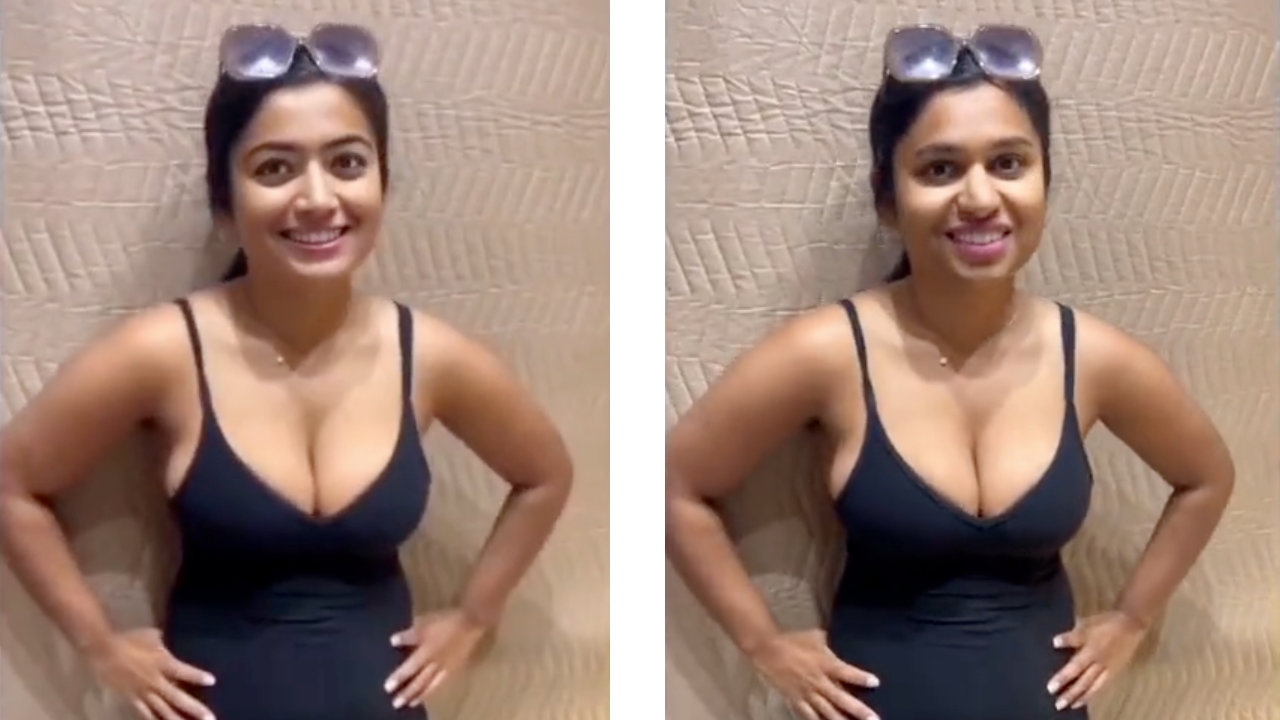
A viral video featuring Indian actress Rashmika Mandanna has been revealed to be a deepfake, created using artificial intelligence. The video, which shows Mandanna entering an elevator, has been viewed millions of times on social media platforms. While the fakery becomes apparent when compared to the original video, it is difficult to detect when viewed quickly in a social media feed. The rise of deepfake videos poses a significant challenge to trust in online content, with even mundane fakes flooding platforms like Twitter, Facebook, TikTok, and Instagram. The increasing sophistication of deepfake tools raises concerns about the potential for political fakes, particularly in the upcoming 2024 presidential election.
The rapid growth of AI technology is posing a threat to the 2024 political campaigns as it can be used to create fake videos, also known as deepfakes, which can be used for political manipulation. The use of deepfakes in political campaigns can have serious consequences, including the spread of false information and the manipulation of public opinion.