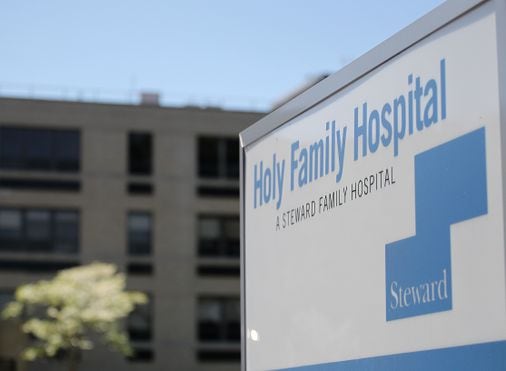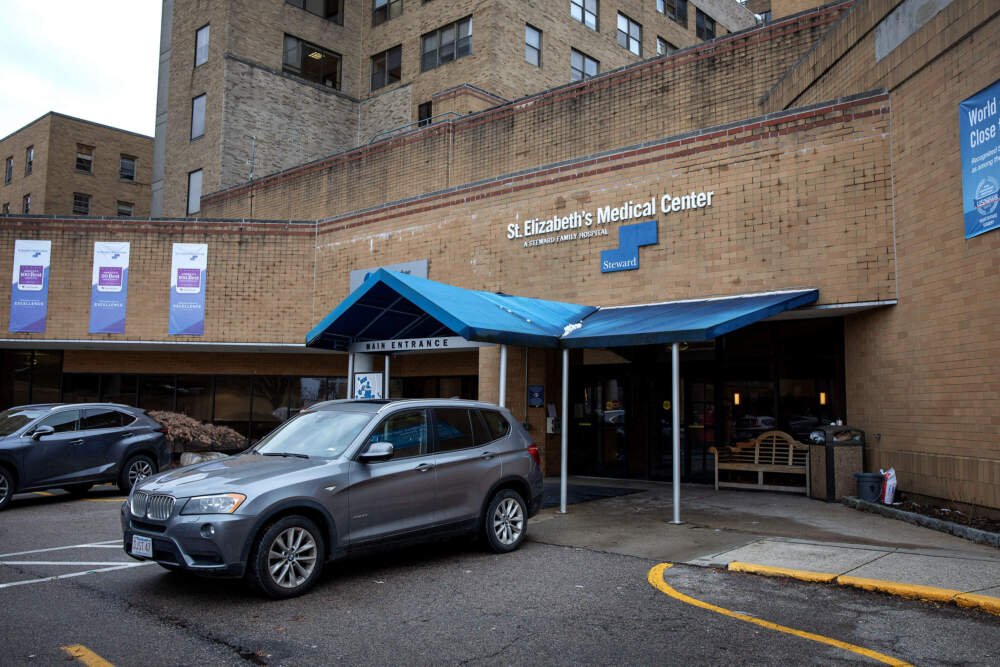
Steward Health Care, operator of nine Massachusetts hospitals, faces financial struggles as some former supporters criticize CEO Ralph de la Torre for prioritizing personal wealth over hospital and patient care. De la Torre's ambitious leadership led to the transformation of Caritas into a national company, but critics point to deals with private equity firms and real estate investment as turning points. Steward's future remains uncertain as state officials closely monitor the company and questions arise about its financial stability and the quality of patient care.
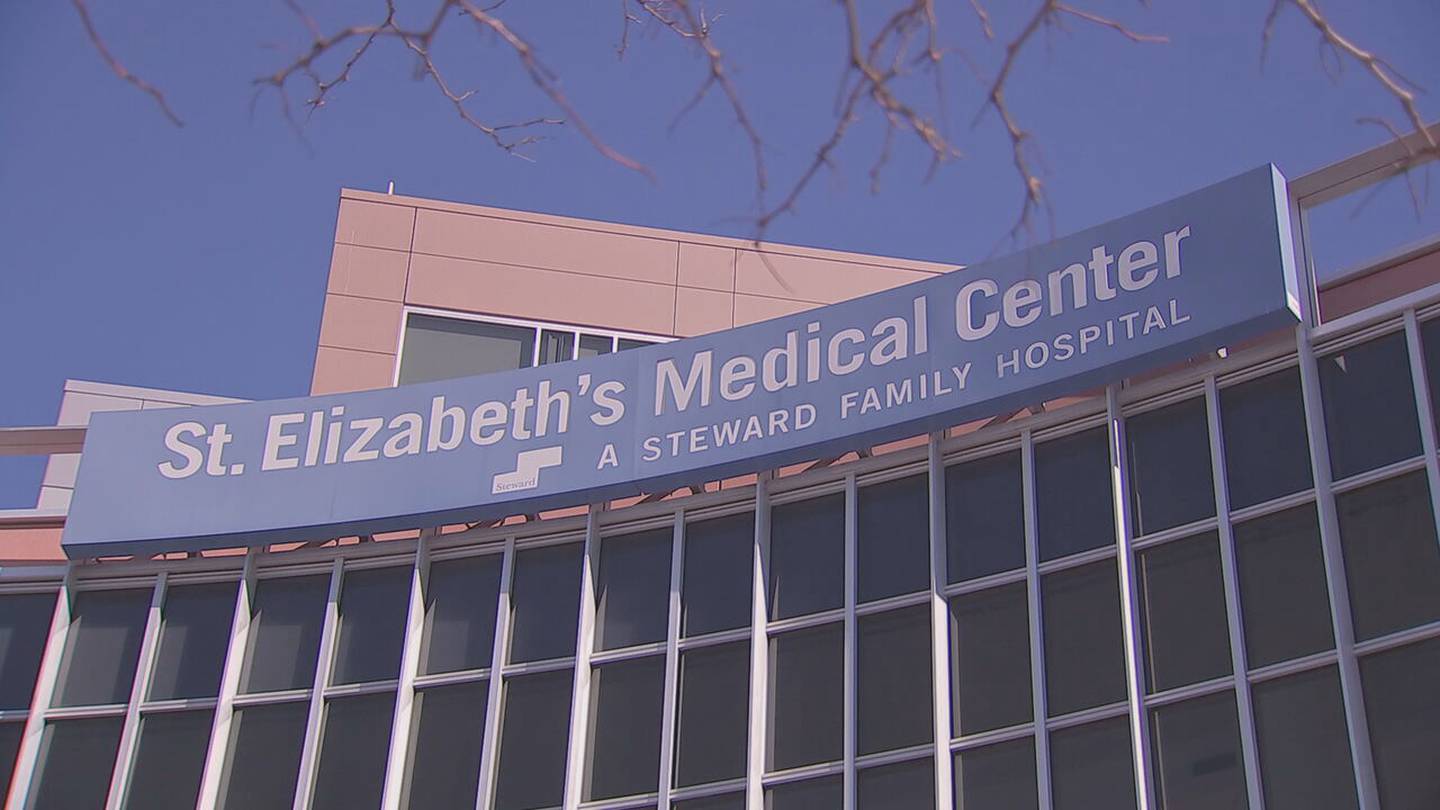
Steward Health Care announces significant funding to stabilize its Massachusetts hospitals and considers transferring some medical centers to other companies amid a financial crisis, with plans to sell some hospitals and bring in an equity partner. The company attributes its struggles to pandemic challenges and unfair Medicare and Medicaid reimbursement rates, and the bridge financing will provide the necessary capital for operations while the M&A process progresses.
Steward Health Care has secured financing to keep its Massachusetts hospitals open while working on potentially transferring ownership of some medical centers to other companies. The company reassured its 16,000 employees that it does not plan to close any hospitals in Massachusetts but is considering transferring one or more to other operators. Steward is also in advanced stages of a mergers and acquisitions process to bring in a significant equity partner for its physician organization. The for-profit system has been facing economic issues, including struggles with low rates for treating government-insured patients, and has been in talks with state officials about its challenges.
Steward Health Care's financial struggles have sparked discussions about the role of for-profit companies in healthcare, with lawmakers and officials expressing concern over the potential closure of its Massachusetts hospitals. The company's executives have indicated plans to exit the state, citing financial losses and blaming low reimbursement rates for Medicare and Medicaid patients. Congressional representatives are seeking answers about the company's finances and future plans, while some analysts point to significant debts and a complex real estate arrangement as contributing factors to Steward's difficulties.
US Senator Elizabeth Warren criticizes Steward Health Care's for-profit business model, expressing concern over its financial distress potentially impacting patient care at its nine Massachusetts hospitals. Steward has attributed its struggles to low Medicaid reimbursement rates and inadequate payments from commercial insurance. Warren is investigating the situation and organizing briefings for state officials, while state legislators are exploring measures to prevent hospital closures and ensure continued care for communities.
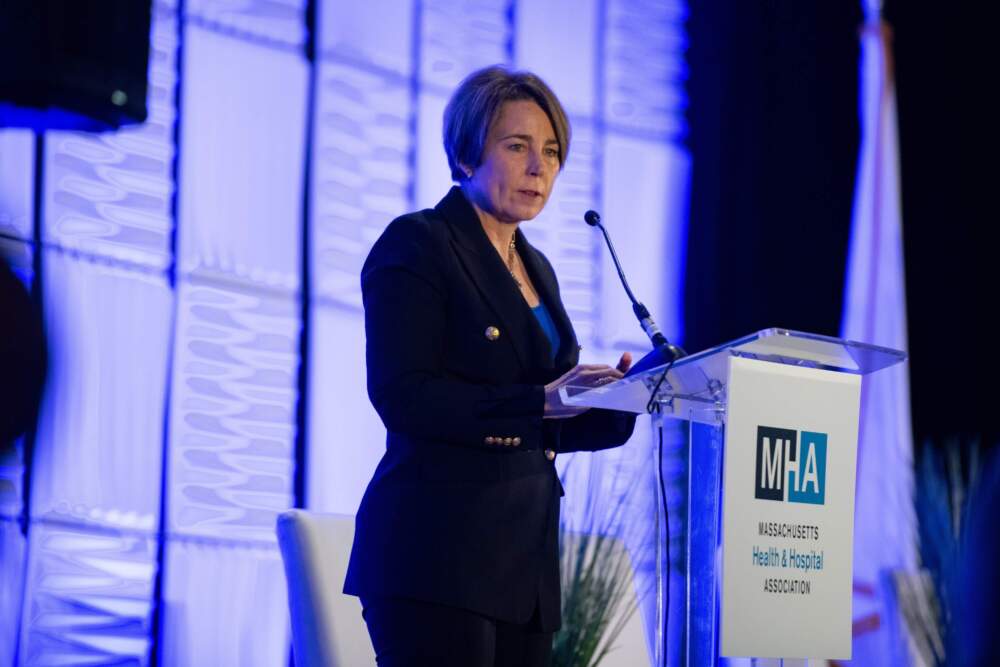
Massachusetts officials, including Gov. Maura Healey, have stated that there will be no bailout for Steward Health Care, a for-profit hospital network facing severe financial distress. Concerns about potential hospital closures and patient care disruptions have prompted discussions among healthcare leaders and public officials, with options including the possibility of other health systems taking over certain Steward facilities or declaring a public health emergency to gain more control over the situation.
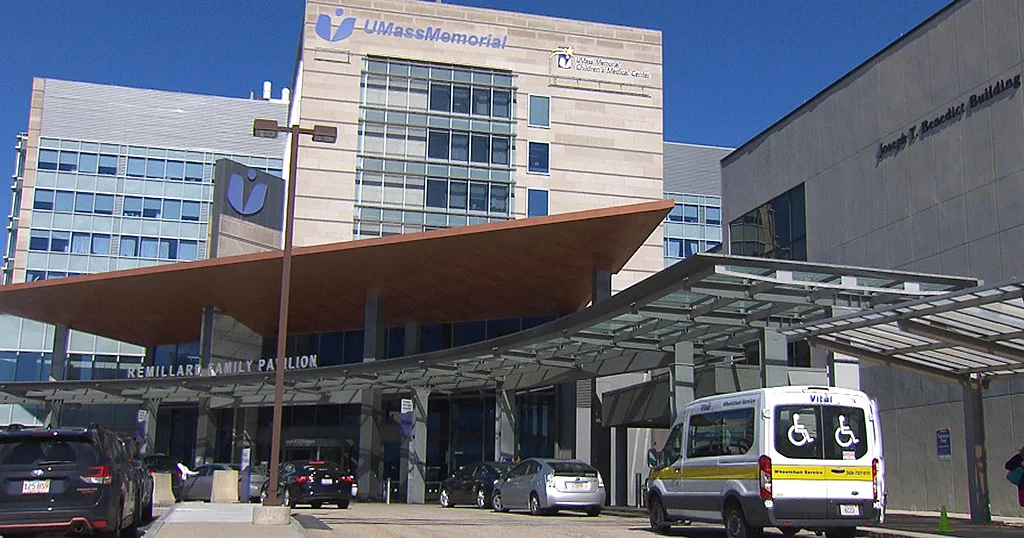
Three Massachusetts hospitals, Massachusetts General Hospital, Beth Israel Deaconess Medical Center, and UMass Memorial Medical Center, have been ranked among the best in the country for maternity care by U.S. News & World Report. The rankings were based on factors such as cesarean section rates, newborn complications, and breast milk feeding rates, focusing on uncomplicated pregnancies. Beth Israel was recognized for minimizing avoidable C-sections, while UMass Memorial had the lowest reported newborn complications among the three hospitals.