The 19th's co-founder and CEO, Emily Ramshaw, addresses the community following the election of a second Trump administration, emphasizing the need for heightened accountability and coverage of policies affecting gender and racial equity. The newsroom is committed to resilient and brave journalism, focusing on women's and LGBTQ+ rights amidst challenges to human rights and press freedom. Ramshaw calls for community support and engagement as The 19th continues its mission to lead in these critical times.
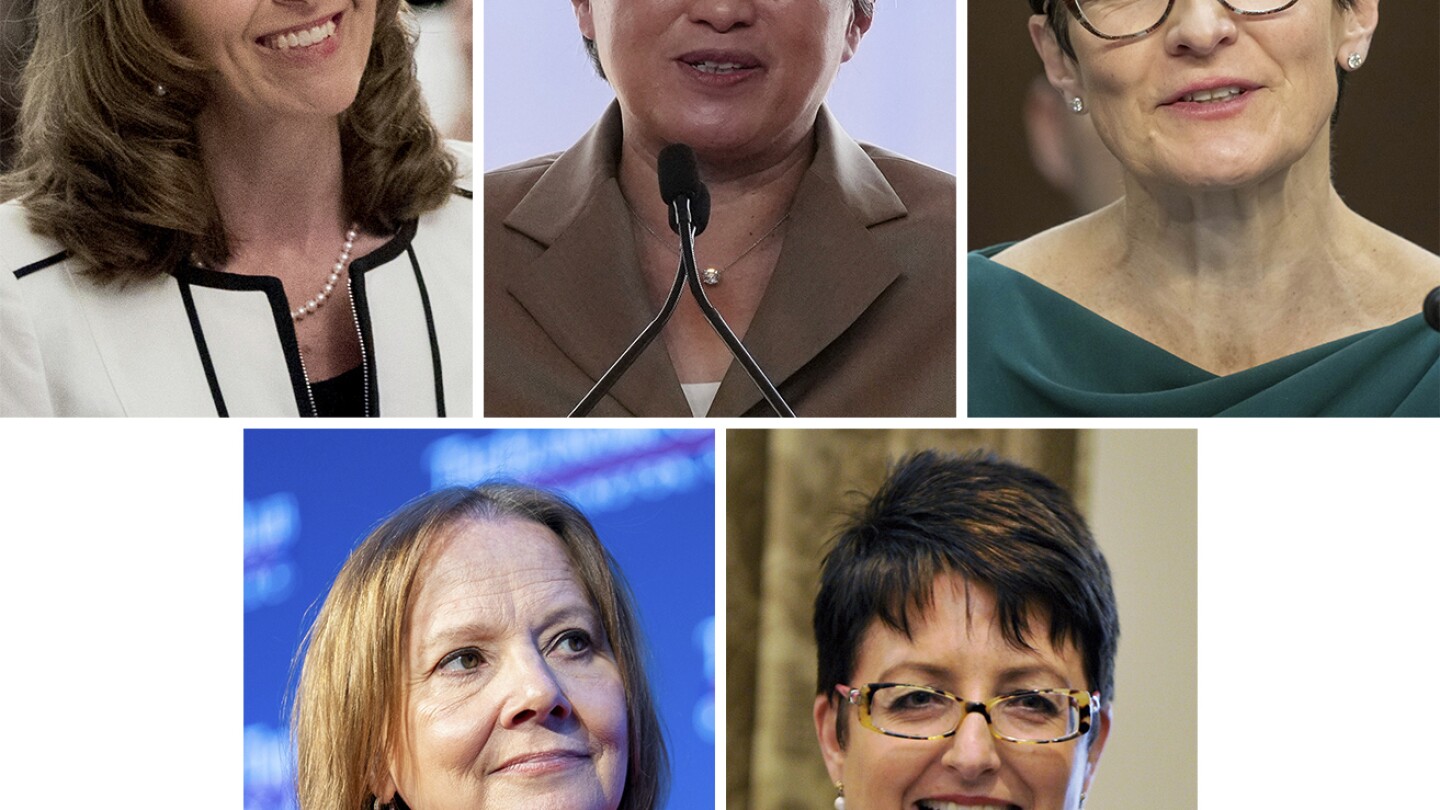
The number of women among the top paid CEOs in the S&P 500 has reached a record high of 25 in 2023, but they still represent a small fraction compared to men. Lisa Su of AMD is the highest paid female CEO for the fifth consecutive year, with a total compensation of $30.3 million. Despite a 21% increase in median pay for female CEOs, the highest paid male CEOs still earn significantly more. The "glass cliff" phenomenon contributes to the disparity, as women are often appointed to lead companies in crisis.
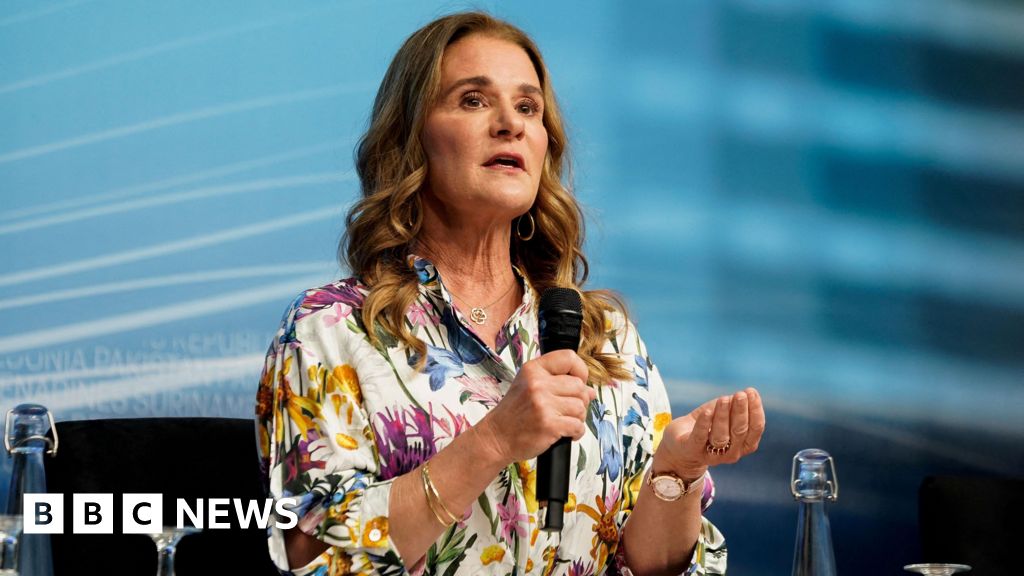
Melinda French Gates has pledged $1 billion over the next two years to support women's rights and gender equity globally, with $200 million allocated to US organizations fighting for gender and reproductive rights. This initiative follows her decision to step back from the Bill and Melinda Gates Foundation and will be managed through her company, Pivotal Ventures. The funding aims to address the chronic underfunding of women's causes and includes grants to various organizations advocating for women's economic security, legal equity, and reproductive rights.
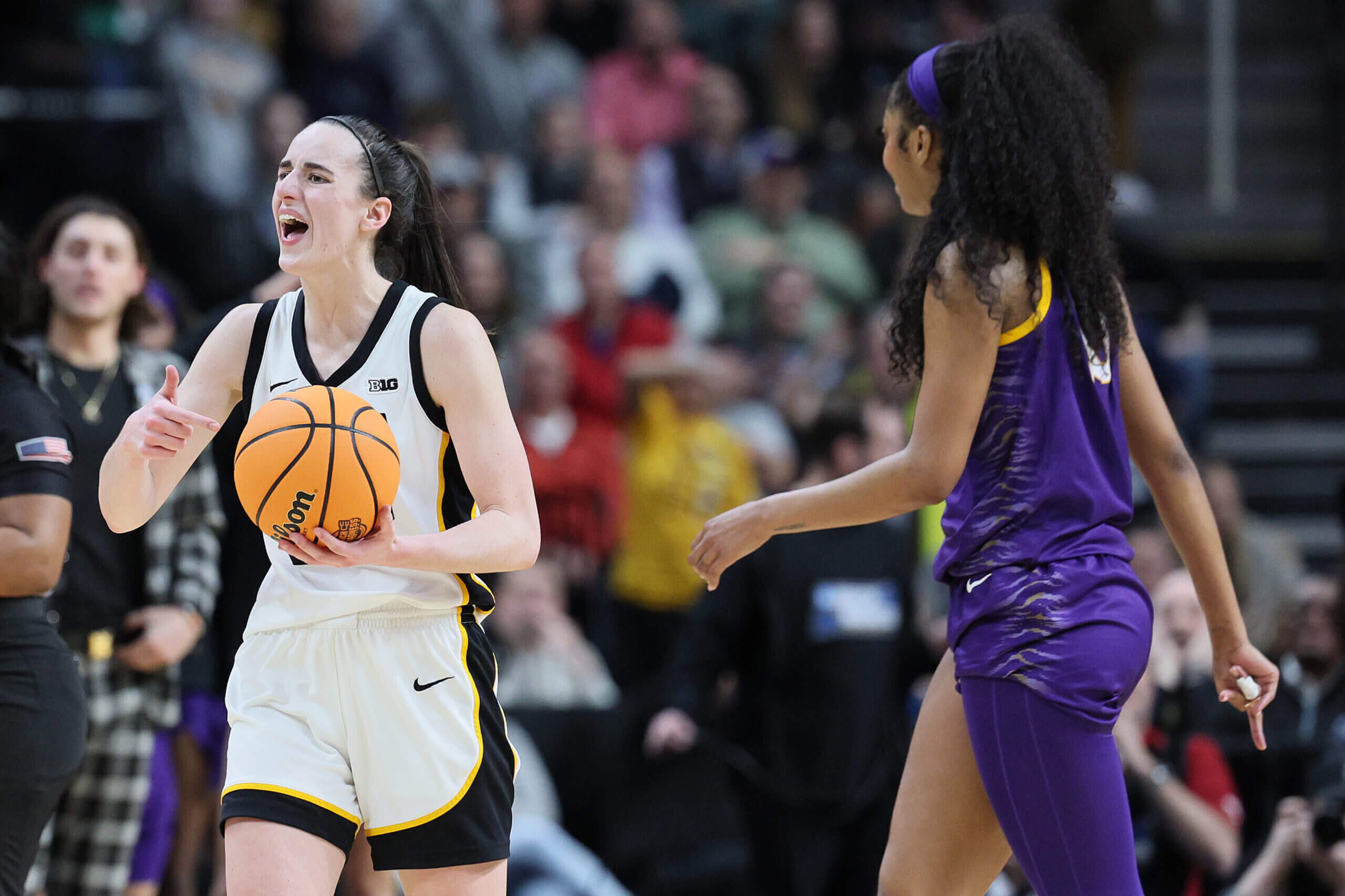
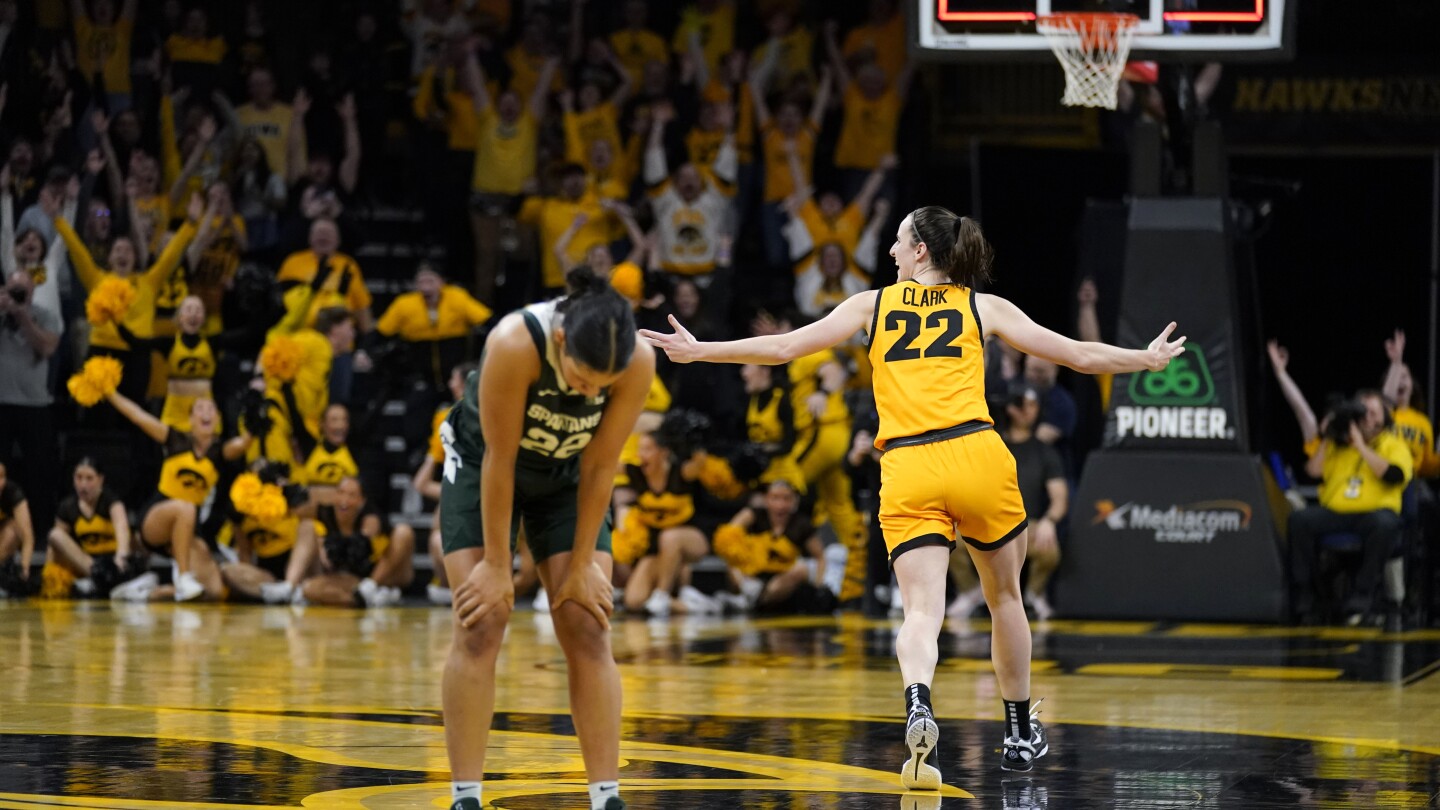
The recent LSU vs. Iowa women's basketball game in Albany, N.Y., marked a significant shift in the sport's perception, as it was treated like any other major sporting event, sparking debates, memes, and critiques akin to those seen in men's sports. This normalization signifies a new era for women's college basketball, where discussions revolve around the game and players rather than the need for gender equity, reflecting a positive step forward for the sport's future.
The NCAA has entered into a new eight-year, $920 million media rights agreement with ESPN, which will keep women's college basketball and 39 other championships bundled together through 2032. Despite the growth and increased viewership of women's basketball, the decision to not sell its media rights separately, like the men's tournament, has been met with disappointment from coaches and advocates for the sport. They fear this could hinder the sport's ability to prove its profitability independently. However, the deal does mark a significant increase in the valuation of women's basketball, with the NCAA president citing a value of $65 million per year, and ensures that the title game will be broadcast on ABC. The agreement also aligns with the expiration of the men's tournament deal, potentially allowing for joint market opportunities in the future. The Kaplan Report, which highlighted gender inequities within the NCAA, and the recent growth in viewership for women's sports, underscore the importance of this conversation. Other sports like women's volleyball, gymnastics, softball, and baseball are also affected by this bundled deal, which ESPN believes will promote growth and visibility for these sports as well.
The NCAA has entered into a significant $920 million, eight-year media rights deal with ESPN, granting the network exclusive broadcasting rights to 40 collegiate championships, including the increasingly popular Division I women’s basketball tournament. This deal represents a substantial increase from the previous agreement and aims to address past criticisms of undervaluing women's sports. The agreement also includes airing national championship events for other women's sports on ABC and the potential for performance units for women's tournament success, similar to the men's. The deal, which was negotiated within ESPN's exclusive window, reflects a strategic choice in a changing media landscape, prioritizing the bundled package's value over individual tournament rights.
A report by Deloitte reveals that employed women in the US are spending 20% more on healthcare services out of pocket compared to men, even when excluding maternity care and pregnancy. This amounts to as much as $15.4 billion per year, exacerbating the financial burden of income inequity and the "pink tax" on women. The report attributes this excess spending to factors such as more frequent imaging and scans, higher rates of chronic conditions, and recommended screenings for women. Deloitte suggests that employers should design benefit plans that cover more of the services needed by women to reduce the financial burden and promote healthier and more productive employees.
The recent relaxation of dress codes in the Senate has sparked partisan debates, with Republicans criticizing it as a lapse in decorum and order, while Democrats dismiss it as a distraction from more pressing issues. However, the author argues that how we dress carries significant meaning and is intertwined with political issues. The new dress code poses challenges for women, as business attire was originally designed for men, and women's fashion requires constant microdecisions that can risk being perceived as inappropriate. Furthermore, casual wear may undermine women's authority and dignity, exacerbating existing inequities. The author also highlights the potential class stratification within the Senate workplace and the importance of dress codes in fostering a sense of unity and shared ideals.
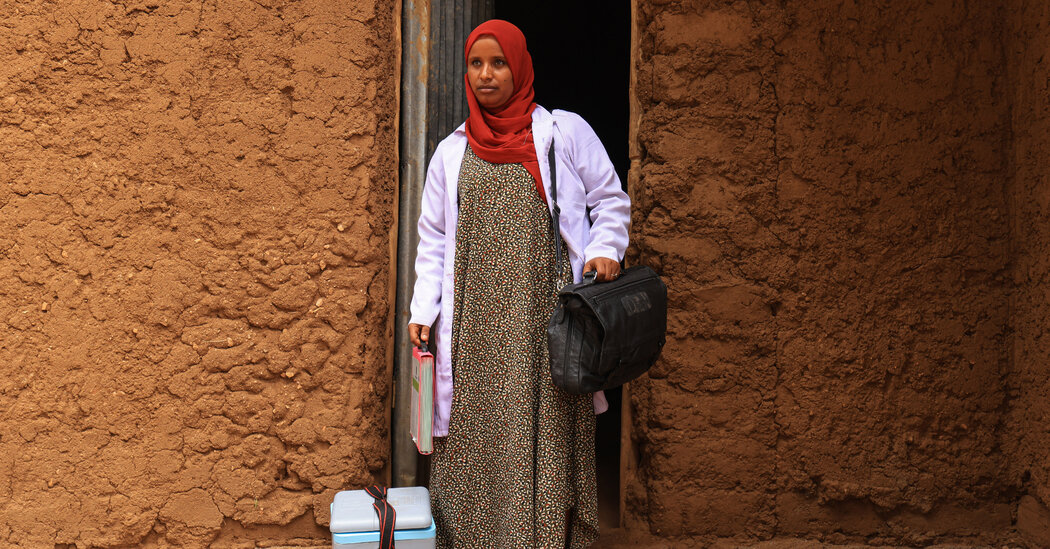
Community health workers, who provide vital healthcare services in developing countries, are organizing and advocating for fair compensation after years of being minimally or unpaid. The movement, fueled by frustrations during the Covid-19 pandemic and enabled by digital technologies, is gaining momentum across developing countries. The majority of community health workers, particularly in Africa, are unpaid. However, recent successes, such as 100,000 female community health workers in Kenya receiving stipends, have inspired others to demand fair wages. The issue is seen as a gender, public health, and labor concern, and organizations like the Global Fund are now requiring countries to budget for community health worker remuneration.
The concept of a day off for painful periods, known as period leave, has gained traction in various countries and companies since 2017. While some express concerns about its impact on employee commitment and value, others argue that it promotes gender equity and employee wellness. GoZoop, a pioneering company in implementing period leave, continues to offer the policy. Spain became the first European country to institute period leave, and similar policies exist in China, Indonesia, Japan, South Korea, Zambia, and Mexico. In India, several private companies and government bodies have adopted period leave policies, with advocates emphasizing the importance of recognizing women's health and promoting inclusivity in the workplace.
Researchers from the University of British Columbia have identified three distinct masculinity categories that define how heterosexual men navigate their romantic relationships: "neo-traditionalist," "egalitarian," and "progressive." The study found that younger generations of men are actively distancing themselves from traditional masculine norms, with 26% falling into the "progressive" category, which focuses on fairness, social justice, and checking one's own privilege. The most common category among the participants was "egalitarian," emphasizing equal contributions and reciprocity. While men promoting gender equity reported improved mental well-being, they also faced isolation and criticism from other males. The research aims to shed light on healthier relationship dynamics that promote the well-being of men, their partners, and families.
The NCAA has announced the creation of the Women's Basketball Invitation Tournament, a second option for 32 teams that do not make the NCAA tournament, similar to the men's NIT. This move aims to address gender equity concerns and provide equal postseason opportunities for women's college basketball. The new tournament will alleviate financial burdens on teams and is expected to enhance the growth and popularity of women's basketball. The future of the independently operated Women's NIT remains uncertain.
Cannes 2023 showcased promising signs for the future of cinema, including the legacy of the French New Wave, hungry American buyers, and the success of smaller American movies. The festival is facing pressure to sort out its image problem and improve gender equity. Filmmakers are thinking through the challenges of the industry in real-time, and the WGA strike is a pressing issue. Despite the chaos, the demand for arty movies is proof that the cinema is alive.
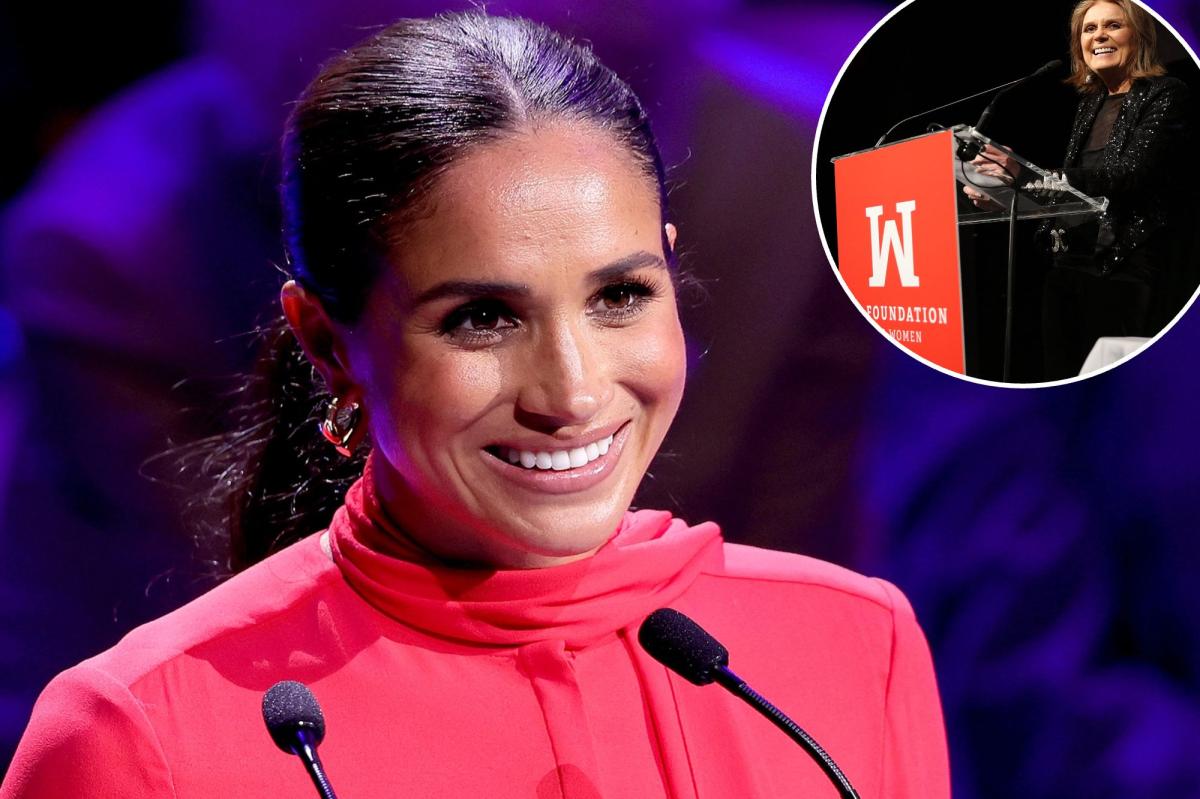
Meghan, the Duchess of Sussex, will receive the Ms. Foundation's Women of Vision Award in New York, along with Black Voters Matter co-founder LaTosha Brown, as the nation's oldest women's foundation marks its 50th anniversary. The appearance is set to be her first public event since she skipped the coronation of her father-in-law King Charles III earlier this month in order to stay at home in California for her son Prince Archie's fourth birthday. The foundation's annual gala will raise funds to further its equity-centered initiatives and mission of advancing women's collective power.
Meghan Markle will receive the 2023 Women of Vision award from feminist activist Gloria Steinem for her global advocacy to empower and advocate on behalf of women and girls. The award is bestowed by the Ms. Foundation, a Brooklyn-based organization that works to bring attention to the real challenges facing women, especially women of color and low-income women who are living in poverty. Other recipients include Wanda Irving, Kimberly Inez McGuire, and LaTosha Brown. The award ceremony will take place on May 16 in NYC.