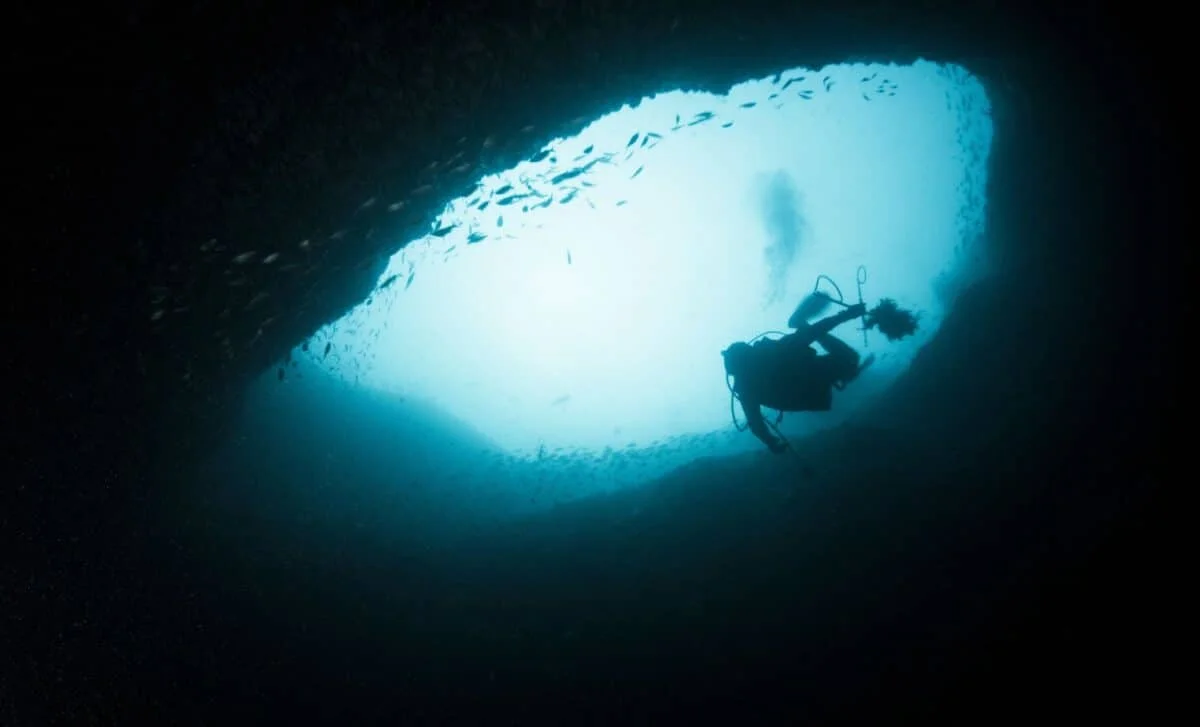
A team of researchers discovered the deepest blue hole on Earth in Chetumal Bay, Mexico, reaching over 420 meters deep, but its bottom remains unexplored due to technological limitations, highlighting the vast unknowns of oceanic caves and ecosystems.
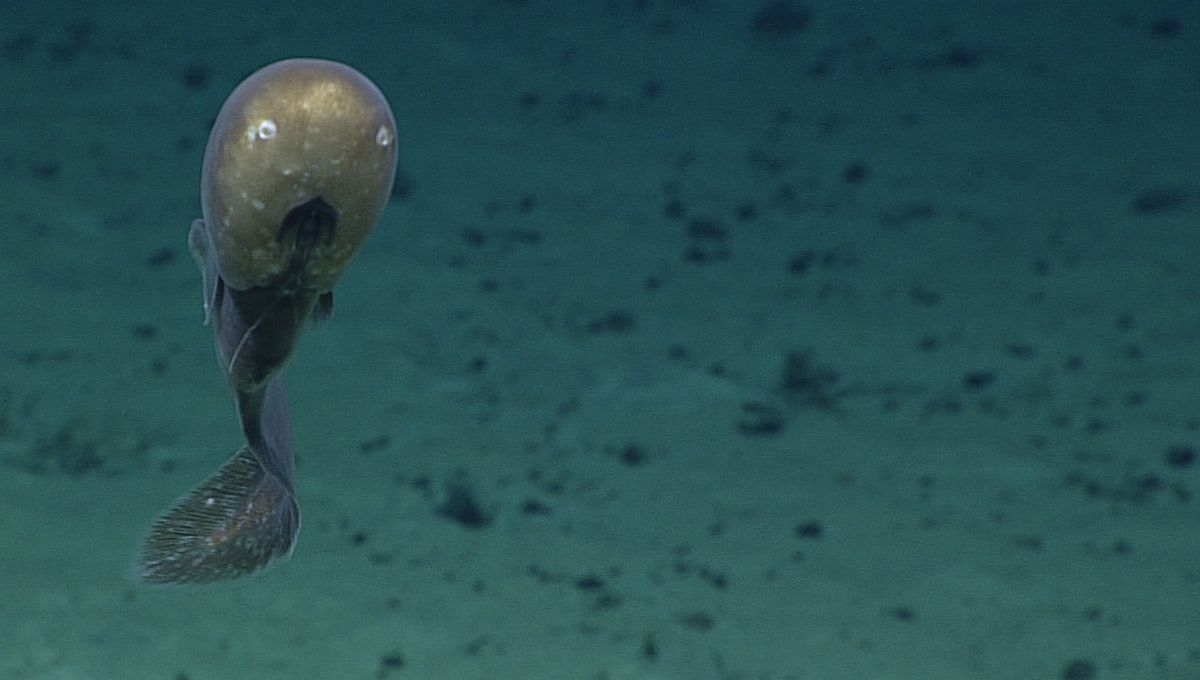
A rare sighting of faceless cusk eels, deep-sea fish with reduced facial features and no visible eyes, was made during an expedition in the Cook Islands, highlighting the mysterious and bizarre life forms inhabiting the ocean's depths.
Scientists exploring off Japan's coast discovered a new deep-sea sea snail at nearly 3.72 miles depth, highlighting the importance of crewed submersibles in uncovering previously unseen marine life and emphasizing the vast, underexplored nature of the ocean.
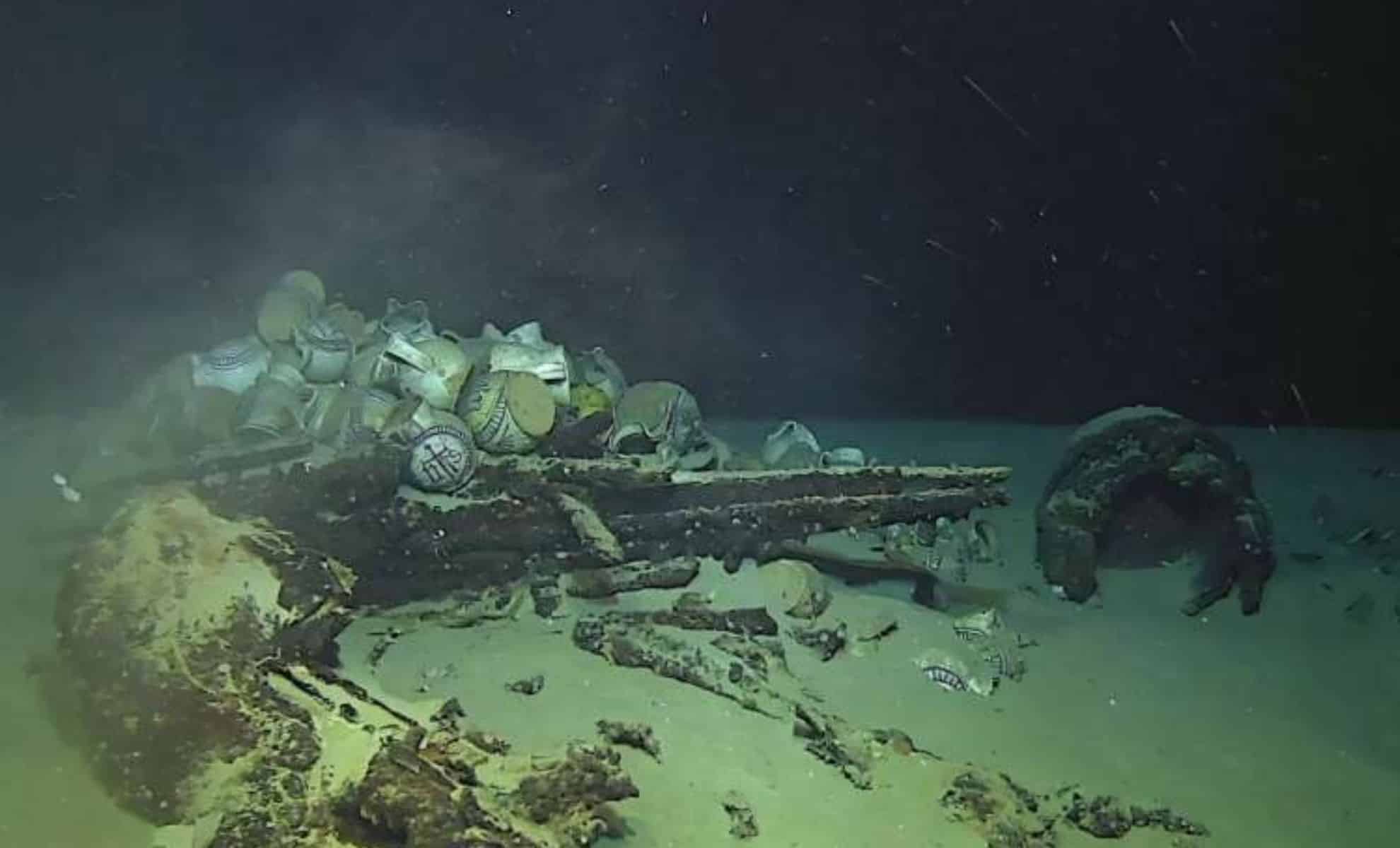
Archaeologists discovered the deepest shipwreck in French waters off Saint-Tropez at over 2.5 km deep, containing well-preserved 16th-century cargo like ceramics, metal bars, and cannons, providing valuable insights into Renaissance Mediterranean trade, with minimal modern disturbance due to its extreme depth.
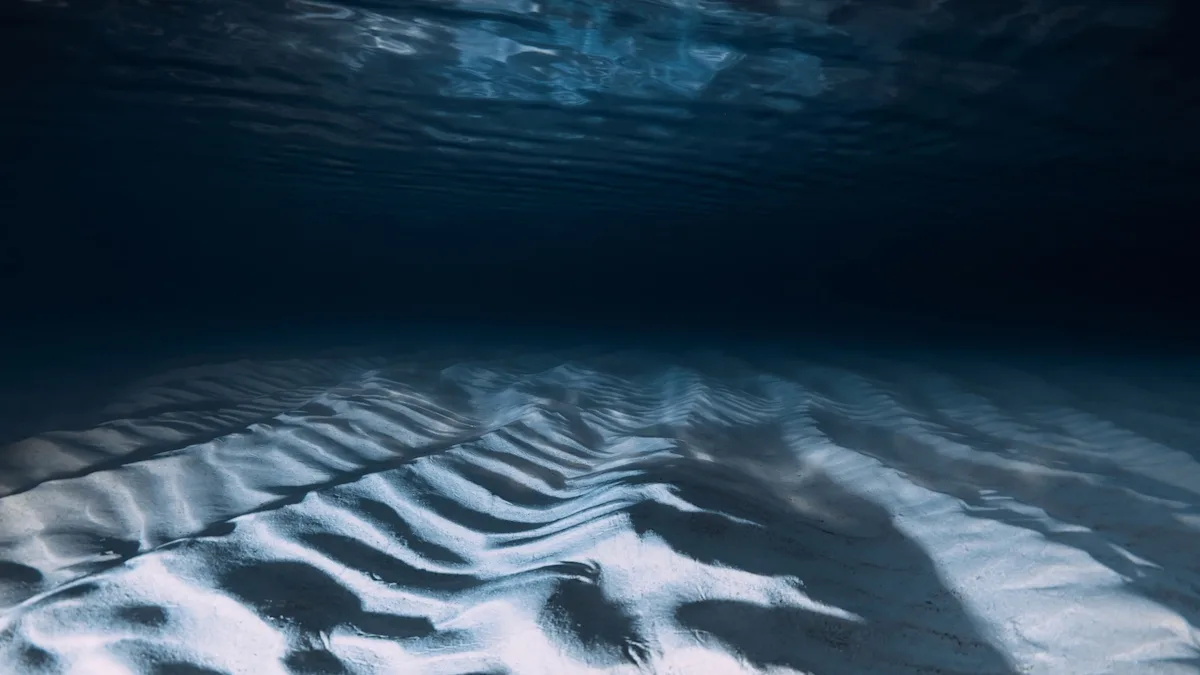
China plans to build a deep-sea research station in the South China Sea by 2030, allowing scientists to study ocean depths up to 6,500 feet, focusing on ecosystems like cold seeps and potential resources, marking a significant advancement in marine science and exploration.
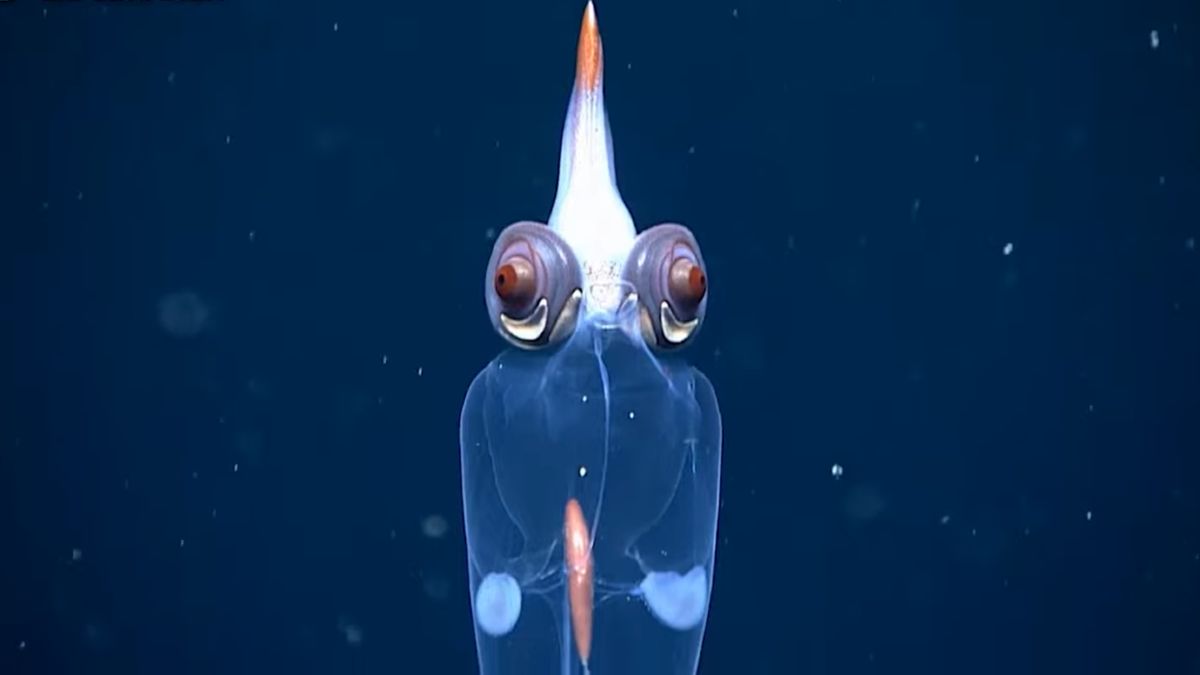
Researchers from the National Oceanic and Atmospheric Administration (NOAA) Ocean Exploration team captured video footage of a see-through glass squid with red eyes in the deep waters off the coast of Alaska. The encounter took place during NOAA's Seascape Alaska 3 expedition, which aimed to map unexplored areas of the deep sea. The video shows the squid descending through the water with its mantle pointing downward and its small arms forming a hat-like mass above its eyes. The squid's internal organs, including its digestive gland and gills, are visible in the footage. Glass squids are known for their translucent skin, and this particular species can grow up to 26 inches long.