
Tag

Magnetic Energy

All articles tagged with #magnetic energy

astronomy1 year ago

"Solving Cosmic Mysteries: Baby Star 'Sneezes' Unveil Development Secrets"

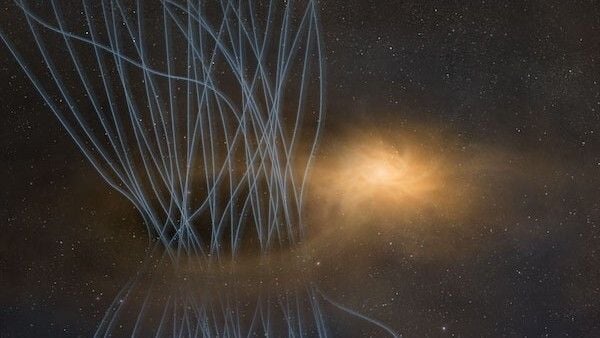
Astronomers have observed a baby star in the Taurus constellation "sneezing" out dust, gas, and magnetic energy, shedding most of its magnetic energy early in its evolution. This shedding mechanism prevents the star's high-spinning profile from breaking apart. The discovery, made using the ALMA observatory, suggests that such sneezing events could be a common method by which stars evolve. The expelled material may remain in interstellar space for eons, and further research will investigate the impact of these events on planet formation.
science2 years ago

Unraveling the Enigma: Decoding the Physics of Stars' Super Flares

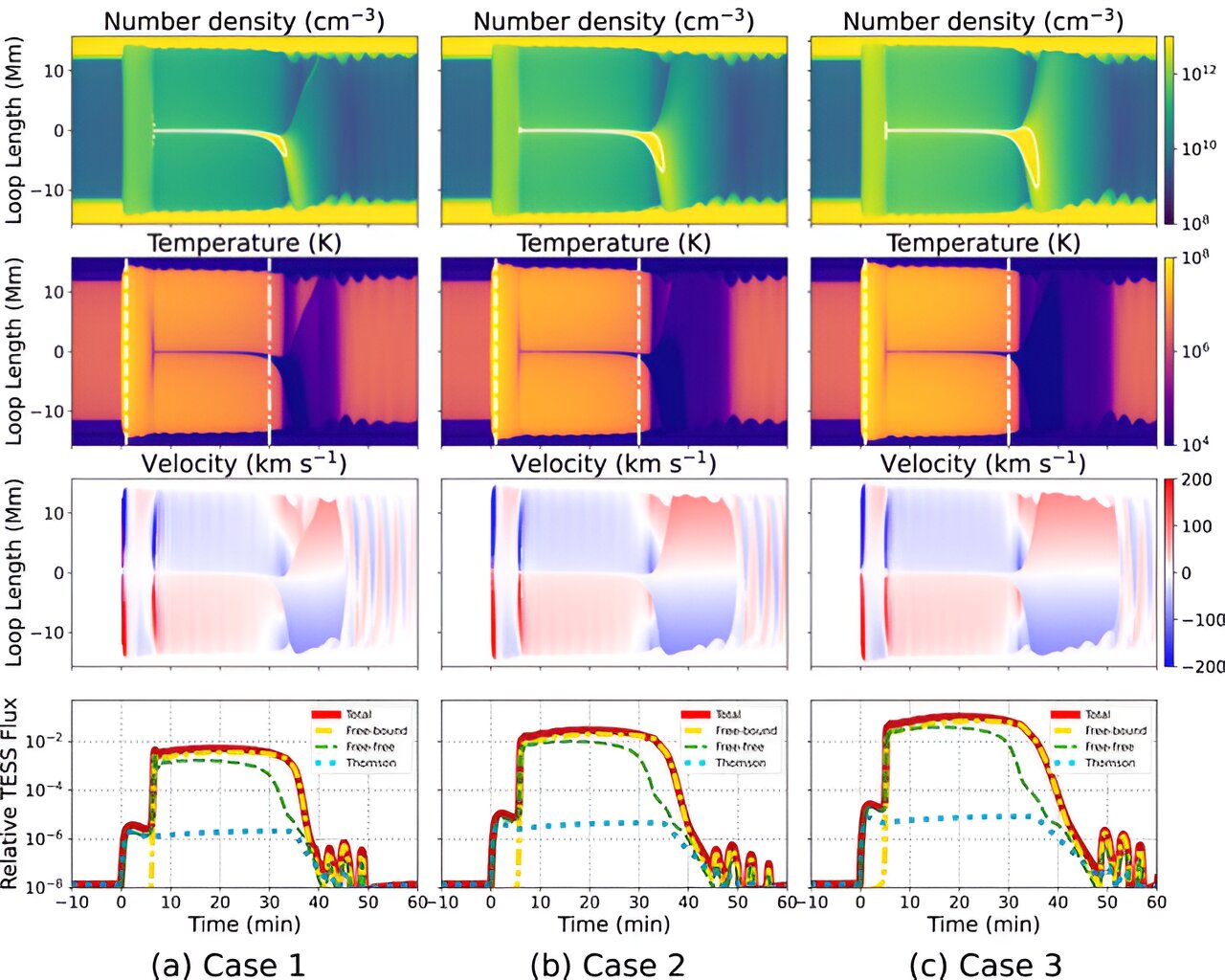
Researchers have discovered the physics behind the unusual behavior of super flares observed in stars. Super flares are produced by stars that are significantly brighter than the sun and have stronger magnetic fields. A team of astronomers developed a model to explain the phenomenon, which involves an initial, short-lived brightness enhancement followed by a secondary, longer-duration but less intense flare. By applying what they've learned about solar flares to other stars, the researchers were able to identify the physics driving these super flares. The study suggests that energized, large stellar loops in the star's atmosphere produce late-phase brightness enhancements in visible light, similar to a solar phenomenon called "coronal rain."

science-and-technology2 years ago

Unveiling the Magnetic Energy that Powers the Sun's Gravity-Defying Solar Wind

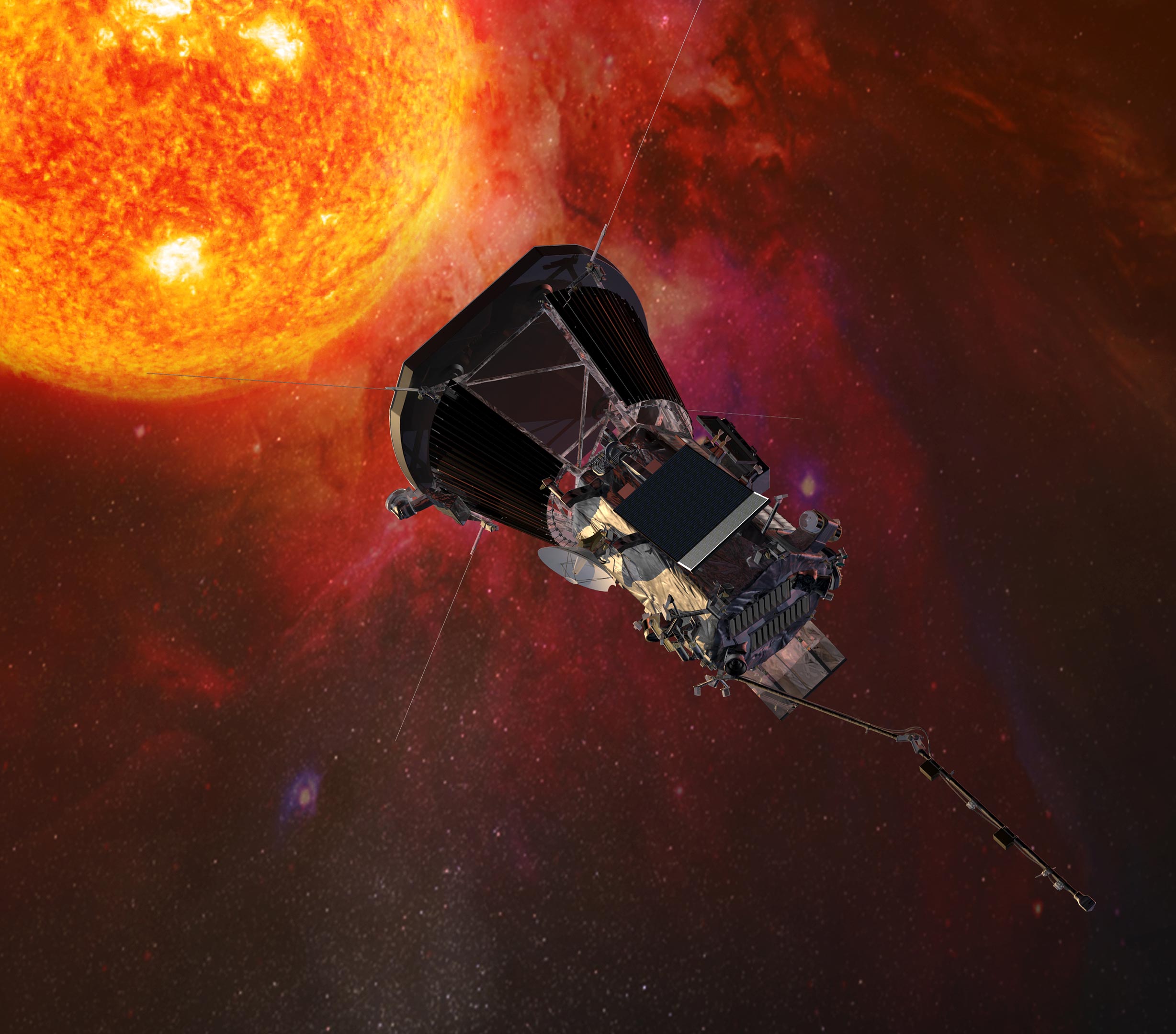
NASA's Parker Solar Probe has provided valuable data that explains how the sun's wind, composed of ionized particles or plasma, can reach speeds exceeding 1 million miles per hour. Researchers discovered that the energy released from the magnetic field near the sun's surface drives the fast solar wind, which carries plasma and part of the sun's magnetic field. Understanding this mechanism could help predict solar eruptions, enhance our knowledge of cosmic wind phenomena, and aid in the search for habitable planets. The findings also have practical implications for Earth, as they could improve our ability to understand and mitigate the impact of geomagnetic storms on communication networks and power grids.