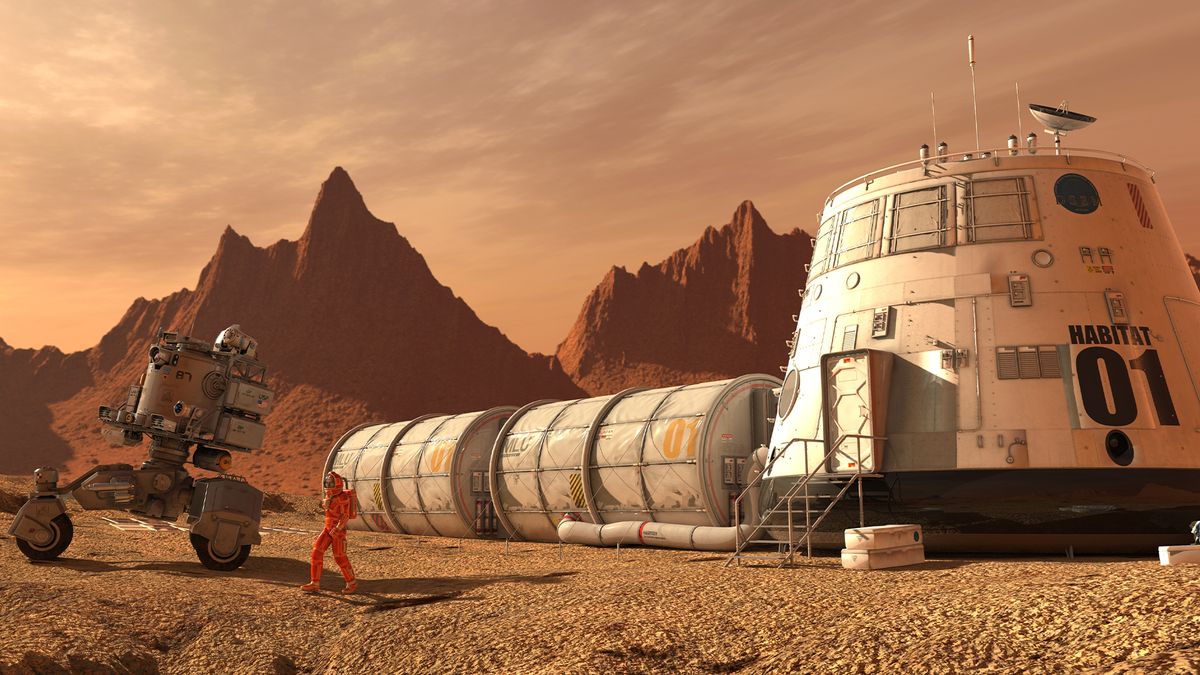
NASA plans to establish a permanent lunar outpost and explore Mars, prompting consideration of which animals could help sustain ecosystems in space. Insects, fish, water bears, and crustaceans are among the candidates due to their potential for pollination, food production, and resilience to extreme conditions. However, the impact of reduced gravity on animal development remains a significant challenge, with simpler animals like insects and crustaceans likely to be more robust in space habitats. Research and engineering challenges persist, but these animals could play crucial roles in supporting future human settlements beyond Earth.
NASA plans to establish a lunar outpost and explore Mars, requiring the inclusion of animals in space ecosystems to perform vital tasks. While there's little consensus on which animals should colonize space, simpler animals like insects, crustaceans, fish, and possibly mice are considered more robust for space settlements. Insects and crustaceans could provide important services and serve as efficient food sources, while fish are seen as a high-protein, low-waste food source. Tardigrades, known for their ability to endure extreme conditions, are being considered for lunar colonization and could provide insights into withstanding radiation in space. However, the altered gravity on Mars and the moon poses a major challenge for animal development, and space colonization remains a distant goal with numerous engineering challenges.
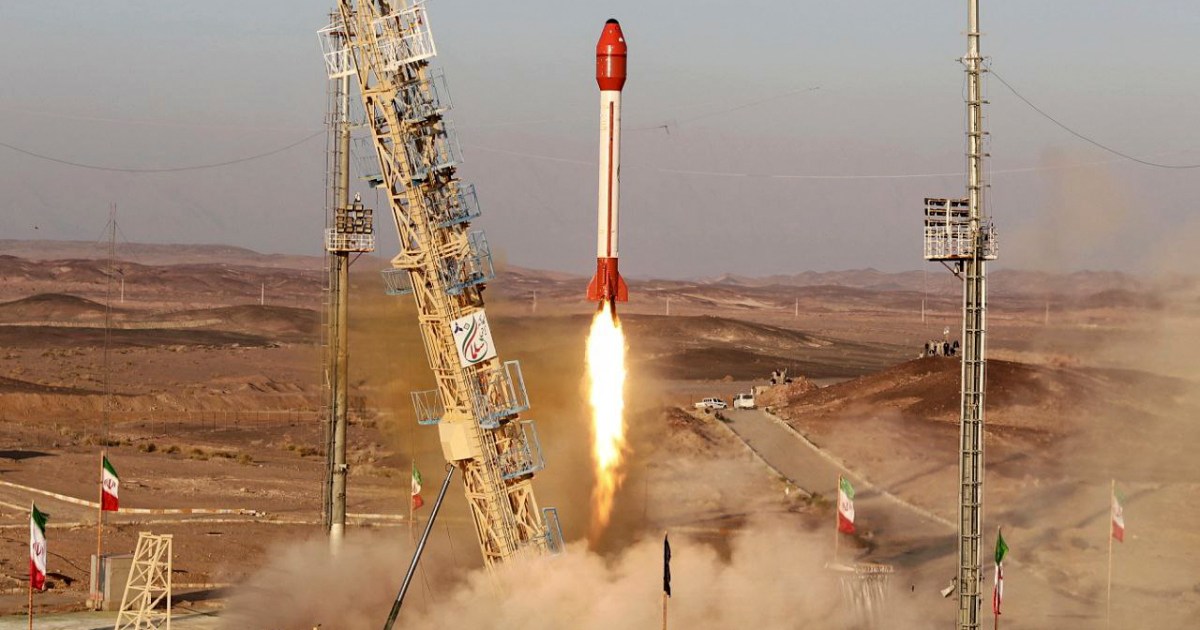
Iran has launched a capsule carrying animals into space as part of its efforts to advance its space program and prepare for human missions. The capsule, weighing 500kg, was successfully sent 130km into orbit. The specific animals inside were not disclosed. Iran has been working on sending animals into space since the mid-2000s and has previously sent monkeys into space. The current administration aims to revive Iran's goal of sending humans into space, which was reportedly halted during the previous administration. The US and its allies have criticized Iran's space launches, particularly those involving long-range ballistic missiles.