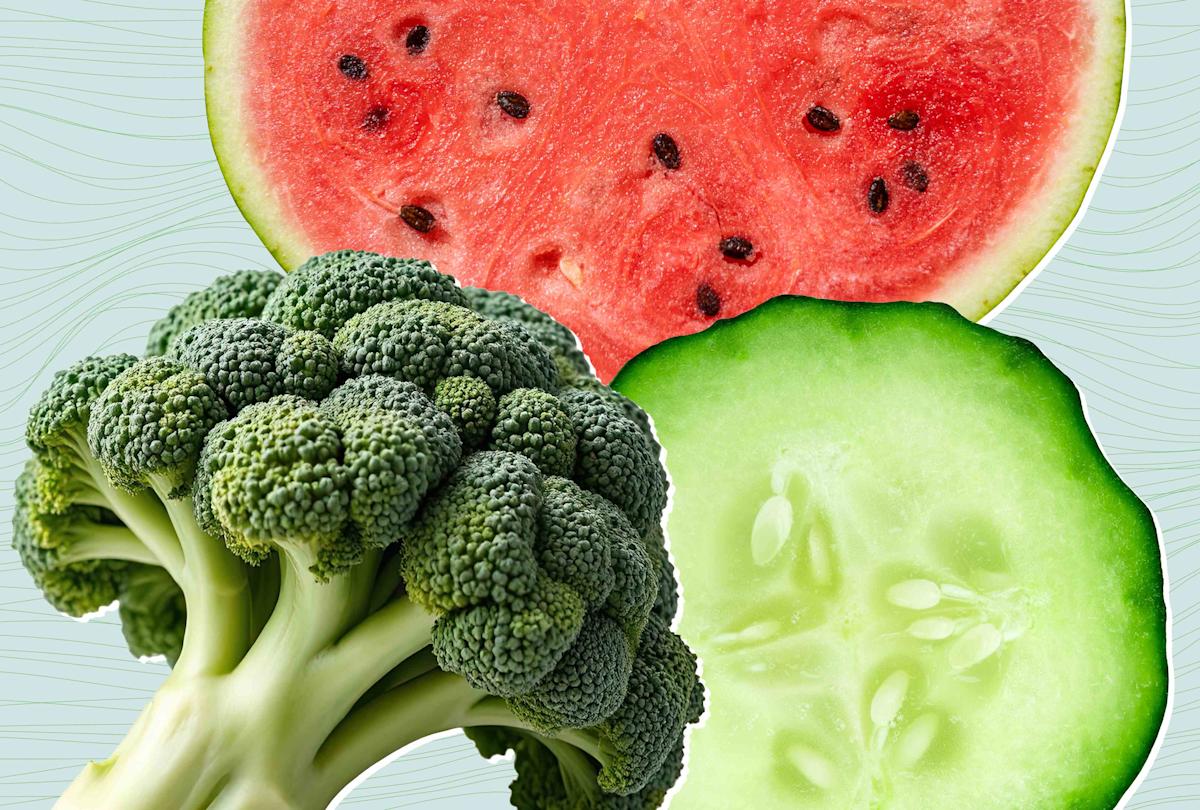
The article highlights seven high-volume, low-calorie foods such as cucumbers, strawberries, air-popped popcorn, mushrooms, grapefruit, leafy greens, and broccoli that can help with weight loss by allowing larger portions without exceeding calorie goals, emphasizing the importance of balancing these foods with proteins for a nutritious diet.
If you're looking to shed some pounds, incorporating these 9 very low-calorie foods into your diet can be beneficial. Apples, beets, cabbage, carrots, cucumbers, grapefruit, onions, papaya, and spinach are all nutritious options that are low in calories and high in vitamins and minerals. Adding these foods to your meals can support weight loss efforts while providing essential nutrients for overall health.
Incorporating low-calorie foods rich in protein and fiber can help you feel full and suppress your appetite, supporting weight management and overall health. Greek yogurt, cottage cheese, fish, lean meat and poultry, eggs, legumes, oats, vegetables, and fruits are all nutritious options that provide essential nutrients while keeping you satisfied. It's important to consider the nutritional value of these foods and build balanced meals and snacks around protein and fiber. Listening to your body's hunger cues and consulting with a registered dietitian can help create a tailored meal plan for optimal satisfaction and nutrition.
Incorporating low-calorie foods that are rich in protein or fiber can help you feel full and suppress your appetite, supporting weight management and overall health. Greek yogurt, cottage cheese, fish, lean meat and poultry, eggs, legumes, oats, vegetables, and fruits are all nutritious options that can keep you satisfied without adding excessive calories. It's important to choose foods that provide essential nutrients and to listen to your body's hunger cues. Building meals and snacks around protein and fiber, eating breakfast, and avoiding overeating at night can help maintain a balanced diet. Consult with a registered dietitian for personalized meal plans and seek medical attention if you experience appetite changes or challenges with appetite regulation.