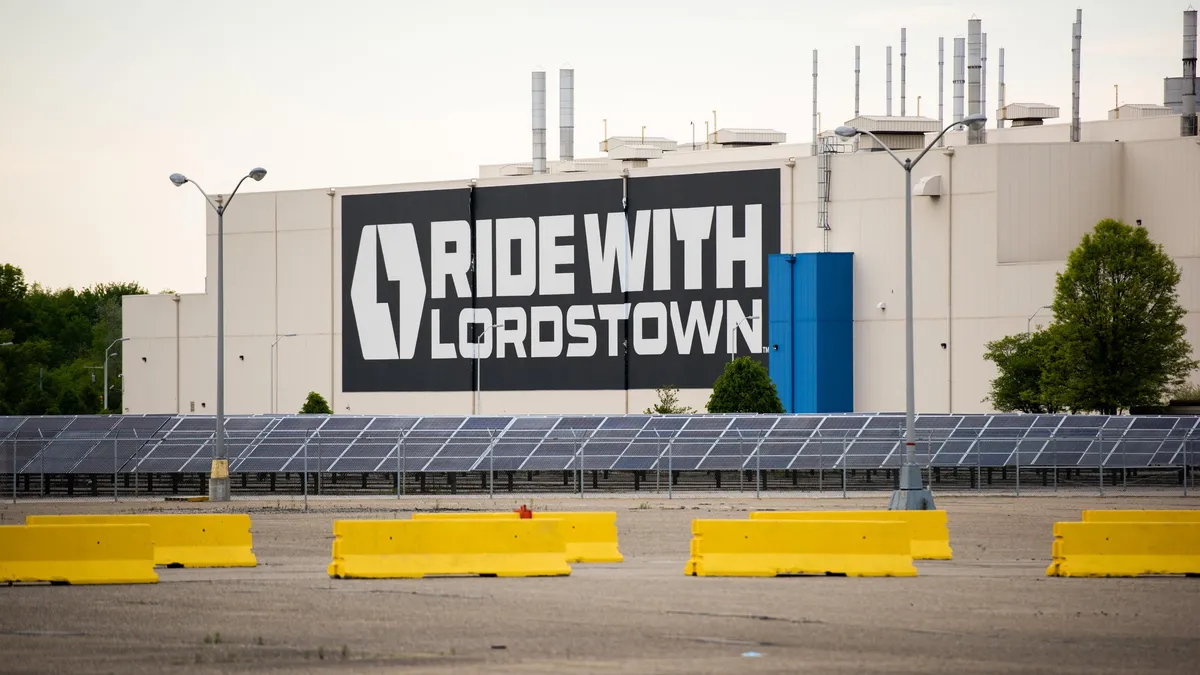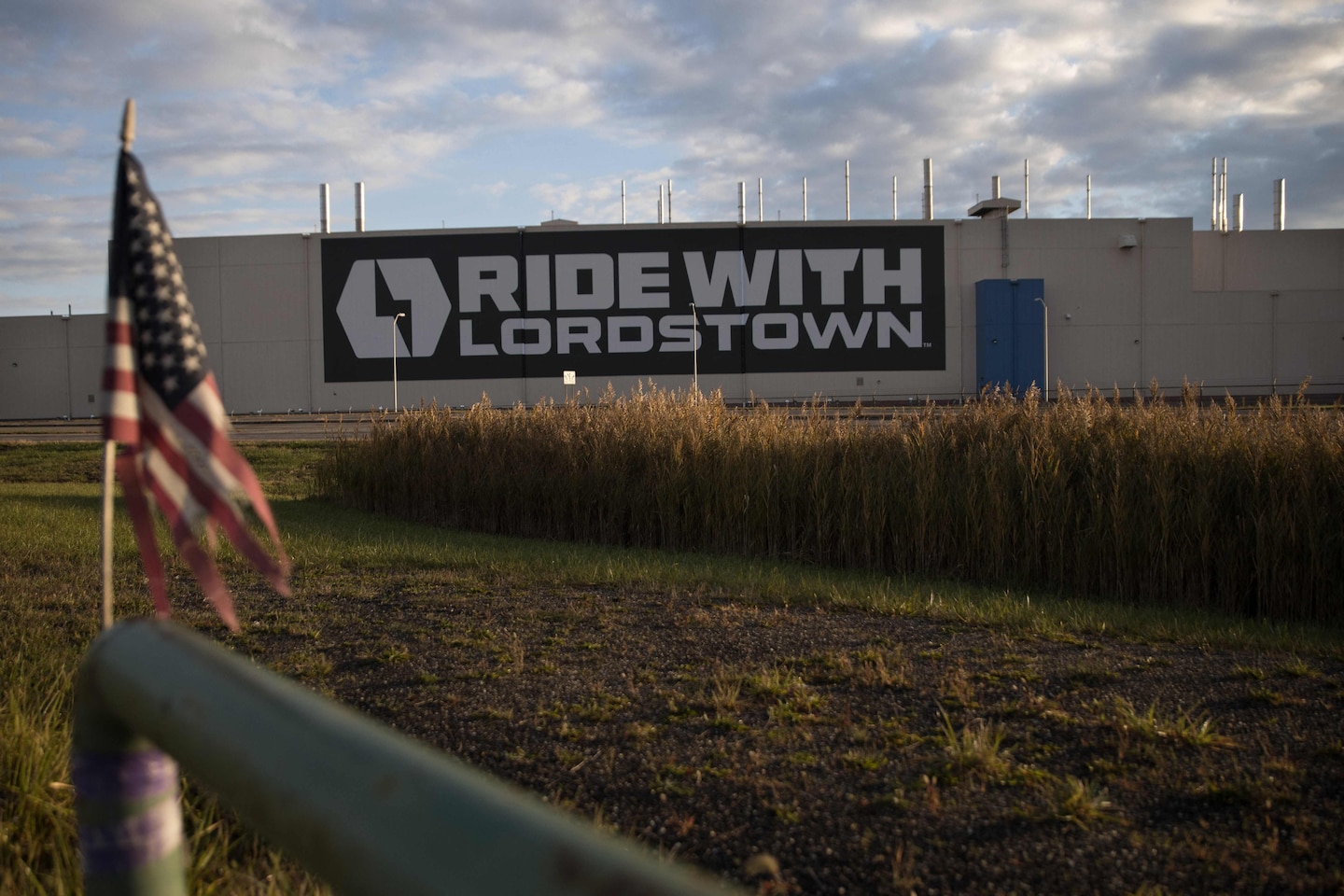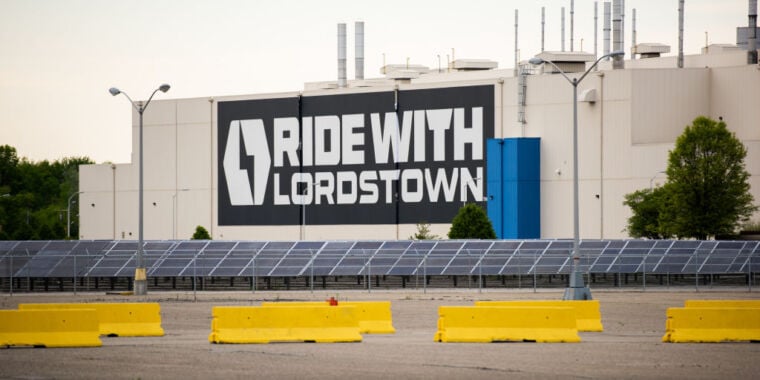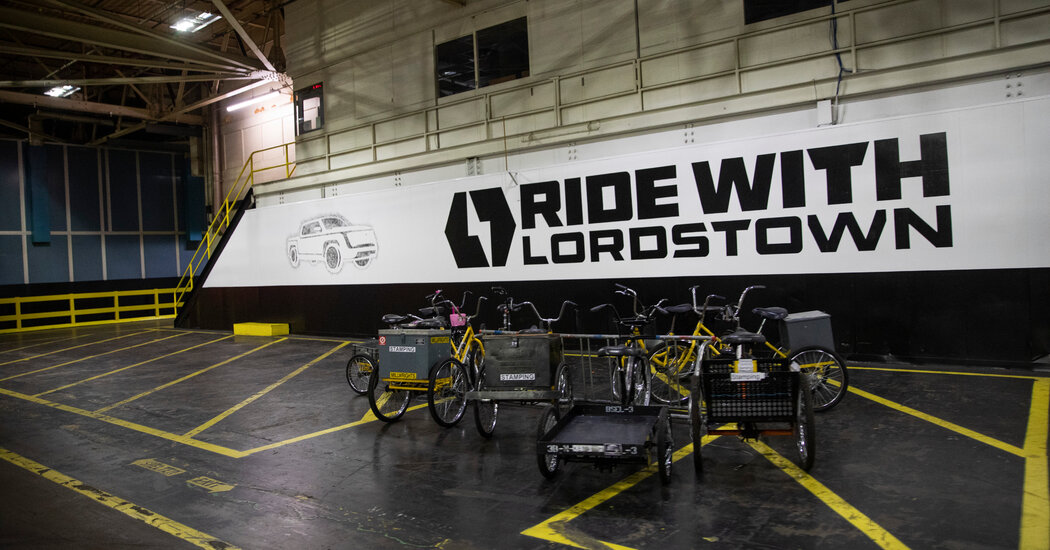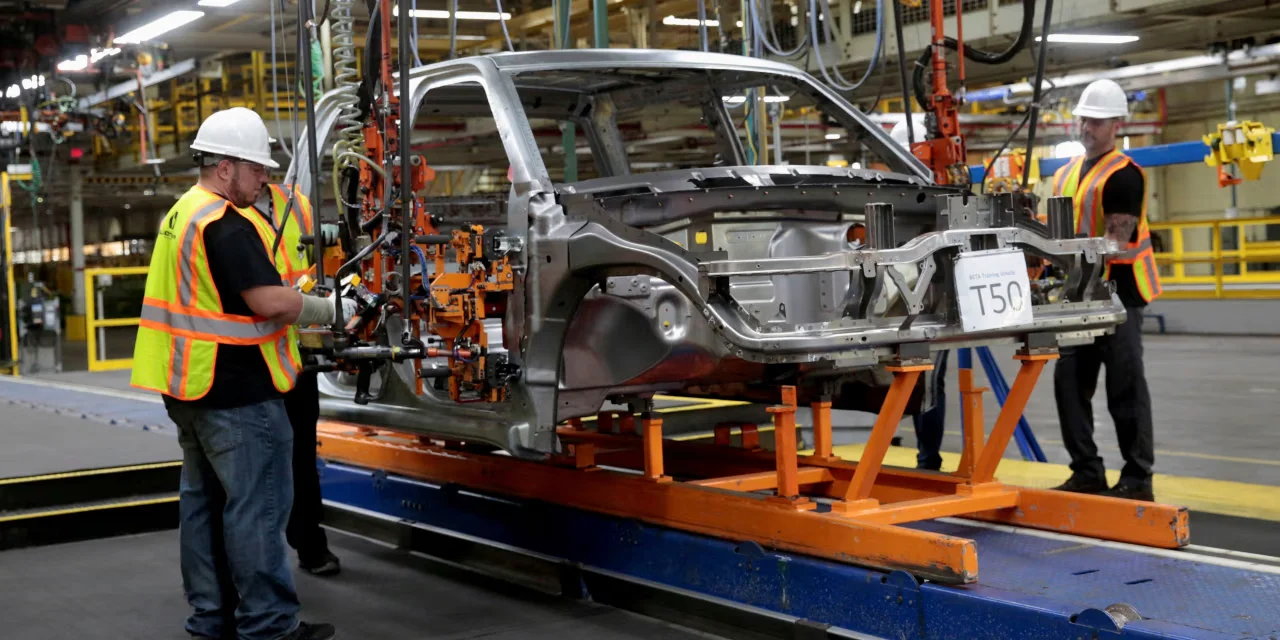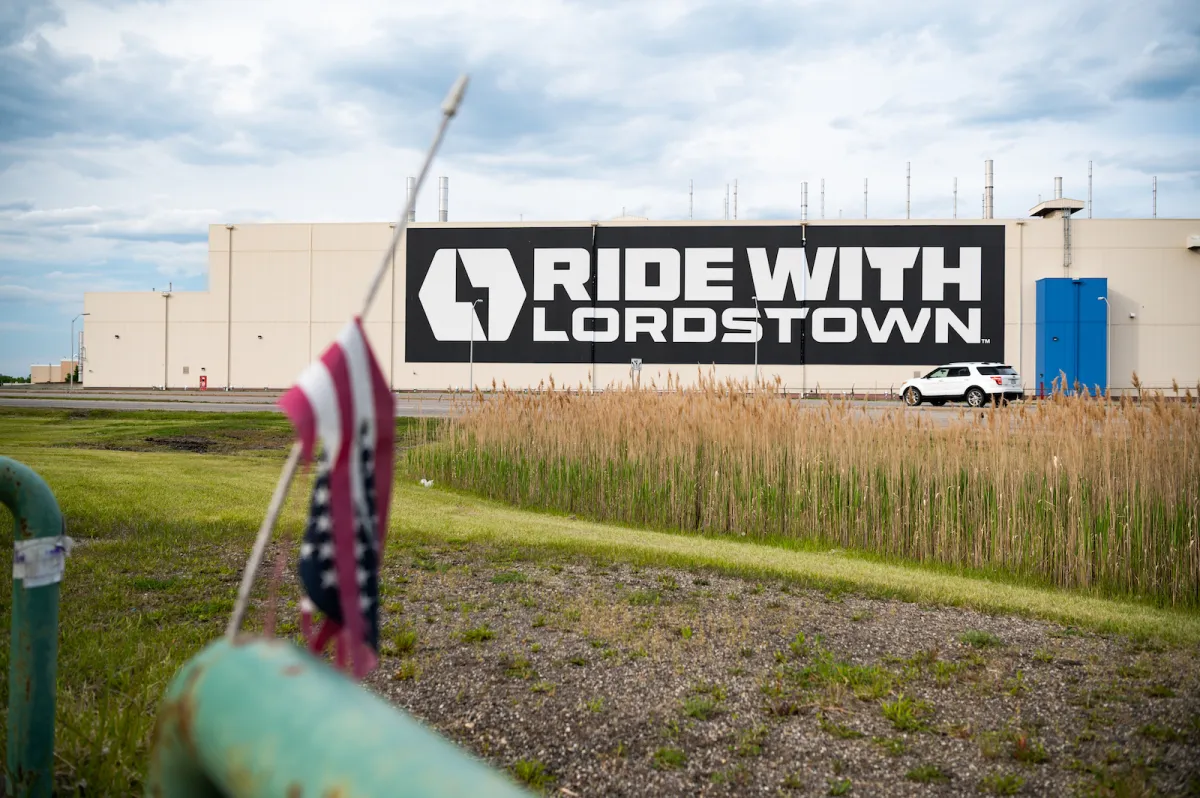
Foxconn sold its former GM EV factory for $88 million to an anonymous buyer after failing to establish large-scale EV production, marking a setback in its U.S. manufacturing ambitions. The company plans to remain involved in manufacturing at the site, possibly shifting focus to AI servers, following the bankruptcy of several EV startups it partnered with.
BMW is leading the way in electric car sales among traditional luxury carmakers, with a 92.6% increase in BEV sales year-over-year. The BMW iX and i4 models are driving this growth, with the iX seeing a year-over-year increase of 281%. Mercedes is in second place with a 97% increase in BEV sales, while Audi's numbers have not been released yet. In other news, Unifor, Canada's autoworker union, has gone on strike against GM after failing to reach a contract agreement, and bankrupt Lordstown Motors' assets have been purchased by its former CEO. Additionally, Škoda is re-entering the Kazakhstan market, aiming to capture a 5% market share by 2028.
Lordstown Motors has received a delisting notice from Nasdaq after filing for bankruptcy protection. The company does not intend to appeal the decision, and trading of its class A common stock will be suspended starting July 7. Lordstown filed for bankruptcy following a dispute with Foxconn over a proposed investment, and it has initiated the sale process for its Endurance all-electric pickup truck and other assets while pursuing litigation against Foxconn.
Lordstown Motors' CEO, Ed Hightower, flew to Taiwan to meet with Foxtron, a company affiliated with Foxconn, for talks on developing a new electric vehicle. However, Hightower was stood up by the Foxtron boss, who refused to meet and provide the necessary engineering drawings and licensing agreements. After almost two weeks, Hightower gave up and flew back home, highlighting the breakdown in the partnership between Lordstown Motors and Foxconn.
Layoff notices are being sent to workers at the Lordstown Motors Farmington Hills Facility in Michigan, with about 100 employees expected to be affected. The layoffs are attributed to insufficient funding resulting from a dispute with Foxconn Ventures, which has led to a lawsuit and bankruptcy filing by Lordstown Motors. Various positions, including project managers, software engineers, marketing personnel, and design and electrical engineers, are among those slated for layoff.
Lordstown Motors, an electric vehicle maker, has filed for bankruptcy following a failed partnership with Apple partner Foxconn, underscoring the significance of capital, cars, and strong partnerships for EV start-ups.
The bankruptcy of Lordstown Motors could lead to further disruptions in the electric vehicle (EV) market, with only a few companies like Tesla and BYD in China making profits. Louis Navellier, chair and chief investment officer at Navellier & Associates, believes that there will be a shakeout in the EV industry, highlighting Rivian as particularly vulnerable due to its ongoing cash burn. Navellier also mentioned concerns about Lucid and Fisker, emphasizing the need for Fisker to avoid fallout from a recent recall. He expects solid-state batteries to be a game-changer in the industry, with Panasonic likely to be the first to build them for EVs. Navellier predicts that Tesla's Cybertruck will be a significant success, but mass production is not expected until 2024.
Lordstown Motors' bankruptcy filing highlights the struggles of EV startups that saw their stocks soar during the pandemic but have since faced short seller pressure, investigations, and tighter monetary policy. Cash-intensive EV startups have been forced to sell more shares in the public markets over the last year to raise money, lowering their stock prices further. Lordstown's stock has dropped 99% from its peak in February 2021. Established EV giant Tesla's production targets have been tough to meet amid interrupted supply chains, high labor costs, and inflated prices for raw materials.
Lordstown Motors, the electric truck maker, has filed for Chapter 11 bankruptcy protection and sued its business partner Foxconn for allegedly reneging on an investment deal. Lordstown will pursue a sale of its assets and significantly reduce its staff to oversee the sale and complete previously ordered vehicles. The company's bankruptcy is a far cry from the booming future Donald Trump predicted when he praised the start-up for taking over a shuttered GM factory in 2019. The deal with Foxconn was supposed to help Lordstown overcome its troubles and scale up production, but the Taiwanese manufacturer of Apple's iPhone allegedly operated in bad faith, leading to material damage.
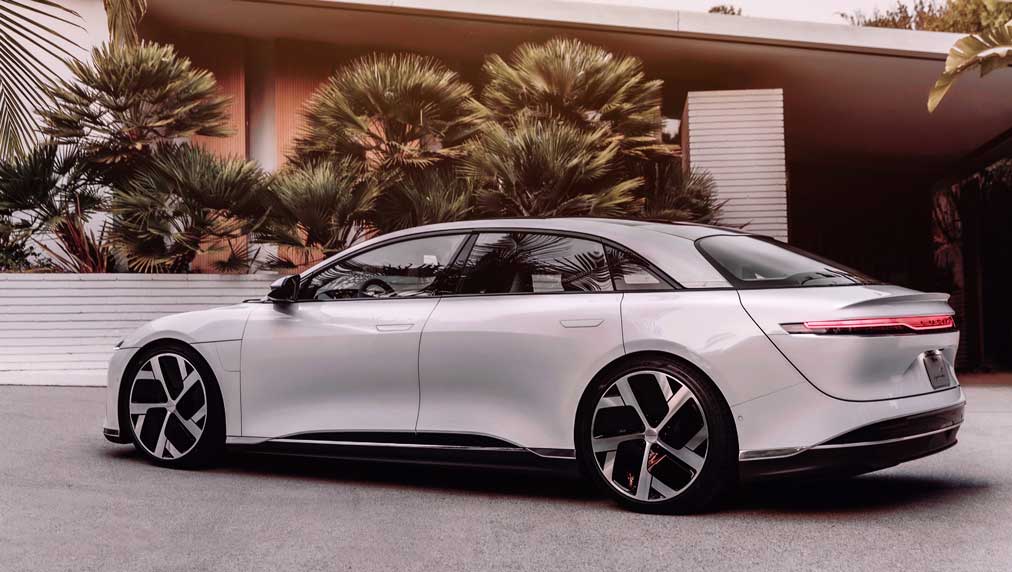
Lucid Group's majority shareholder, Saudi Arabia's Public Investment Fund, has purchased more shares in the luxury EV startup, while Lordstown Motors has filed for Chapter 11 bankruptcy protection and put itself up for sale after a key partner, Foxconn, backed off. The news highlights the importance of robust alliances with larger players in the capital-intensive business of making electric vehicles.
Lordstown Motors, an electric truck manufacturer, has filed for bankruptcy protection after a deal with Taiwan's Foxconn fell apart. Lordstown accused Foxconn of failing to "execute on the agreed-upon strategy," leaving bankruptcy as the only option. Lordstown is suing Foxconn as part of the bankruptcy filing, alleging fraudulent conduct. Foxconn denied the allegations and accused Lordstown of making "malicious attacks." Lordstown is the highest-profile casualty among the wave of electric vehicle manufacturers established over the past decade.
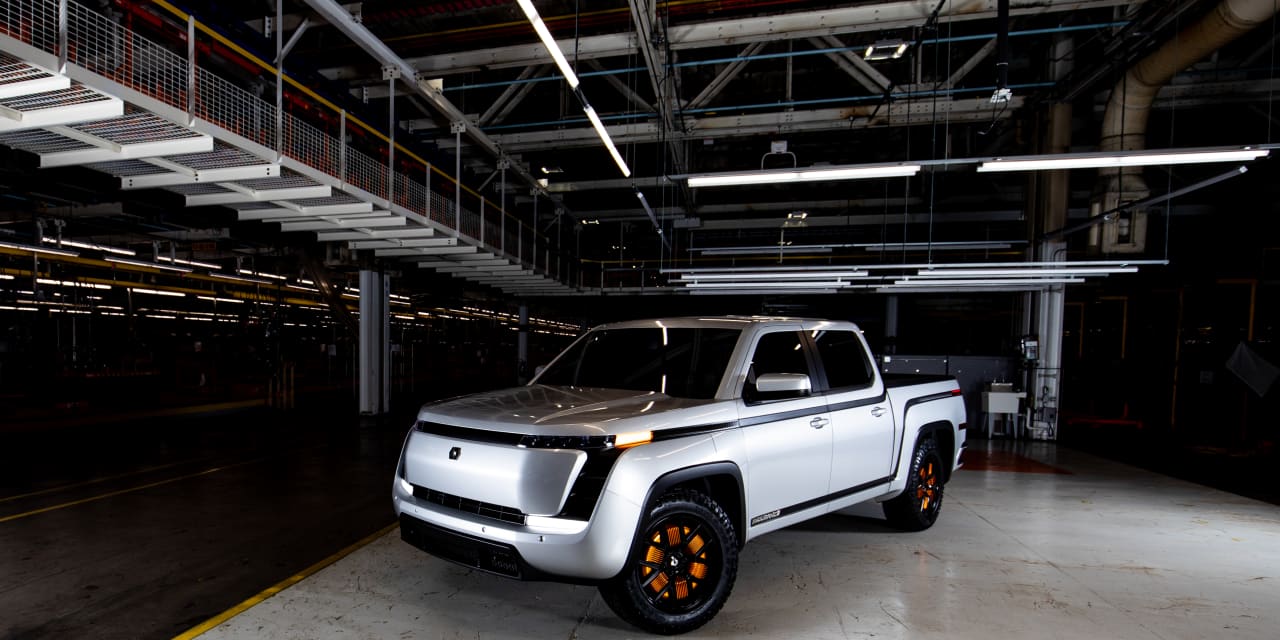
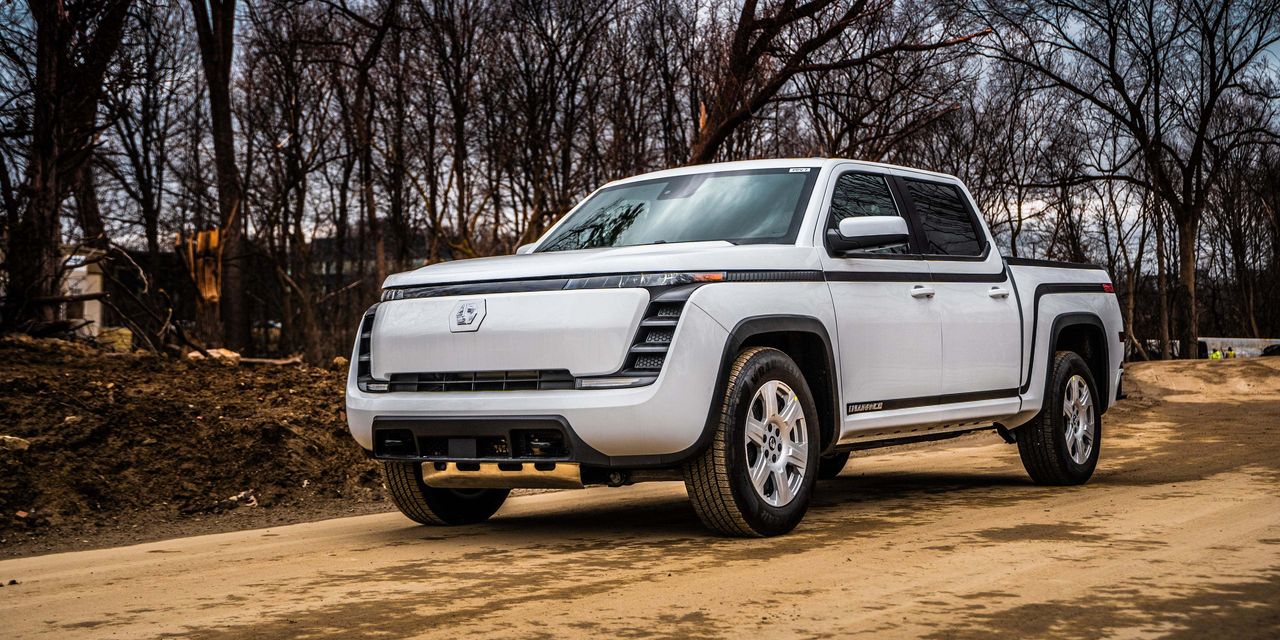
Lordstown Motors, the electric pickup truck company that purchased a shuttered General Motors factory in Ohio, has filed for bankruptcy protection due to a dispute with major investor Foxconn. The company struggled with development setbacks and management changes, and never managed to make or sell many trucks. Lordstown had hoped to produce an innovative truck that used electric motors on each of its wheel hubs, but ran into difficulty turning its idea into a vehicle that it could mass produce.
Lordstown Motors, an electric vehicle startup, has filed for bankruptcy after struggling to raise funds and produce vehicles. The company has also filed a lawsuit against Foxconn, alleging that the Taiwanese electronics manufacturer failed to meet its contractual obligations to invest $250 million in Lordstown Motors. The bankruptcy filing comes just months after Lordstown Motors went public through a SPAC merger.
US stock futures indicate a rebound from recent losses as investors await key data on the US economy, including updates on home sales, durable goods, and consumer confidence. The Dow Jones Industrial Average and Nasdaq Composite both experienced losses in recent sessions. Lordstown Motors shares fell by 60% after the electric truck maker filed for bankruptcy protection and accused Foxconn of fraudulent conduct. Markets are on the lookout for any factor that could influence the Federal Reserve's thinking ahead of its July meeting.
Lordstown Motors has filed for Chapter 11 bankruptcy protection and is suing its investment partner, Foxconn Technology, for breach of contract and fraud. The car manufacturer reported a $171.1 million loss for 2023's first quarter and had previously announced that production would likely stop "in the near future" if its deal with Foxconn didn't proceed. Lordstown accuses Foxconn of acting in "bad faith" to get control of the factory and its workers without intending to support Endurance, its first pickup EV.