Boeing anticipates a cash burn in 2024 and a slow recovery in airplane deliveries due to ongoing production challenges, according to CFO Brian West. The company faced nearly $4 billion in cash burn in Q1 and expects similar or worse figures in Q2, with a return to positive cash flow projected for the second half of 2024. Production issues, including a recent door plug incident and parts shortages, have led to delivery delays and increased federal scrutiny. Boeing's shares dropped over 7% following these revelations.
Rivian, once seen as a credible competitor to Tesla, faces a crucial test as EV demand slows and investors question its ability to weather the storm as an unprofitable, cash-burning startup. With declining revenue estimates and stock prices, the company needs to demonstrate its capacity to produce cars at scale and control costs, especially as it faces industry-wide weakness and the need to scale up production to achieve profitability. The pressure to lower prices to compete with rivals like Tesla further complicates the path to gross margin profitability.
Fintech giant Brex, valued at $12.3 billion, is laying off 20% of its staff, with the CTO transitioning to an advisor role. This comes after reports of high cash burn, with the company reducing its monthly burn but still facing significant annual costs. The layoffs follow previous staff reductions in 2022 and 2020, and affected employees will receive severance.
Fintech company Brex is burning through $17 million a month, raising concerns about its future growth, despite having enough cash to last through March 2026. The company's CFO emphasized the need to continue reducing its cash burn during an all-hands meeting with staff.
Startups that failed this year raised over $27 billion in venture funding, a figure close to the amount raised by startups in the third quarter of 2023. However, this cash burn figure does not include losses from public companies or acquisitions. The decline in VC funding compared to last year has contributed to the challenges faced by startups, leading some to describe it as a "mass extinction event" for the industry.
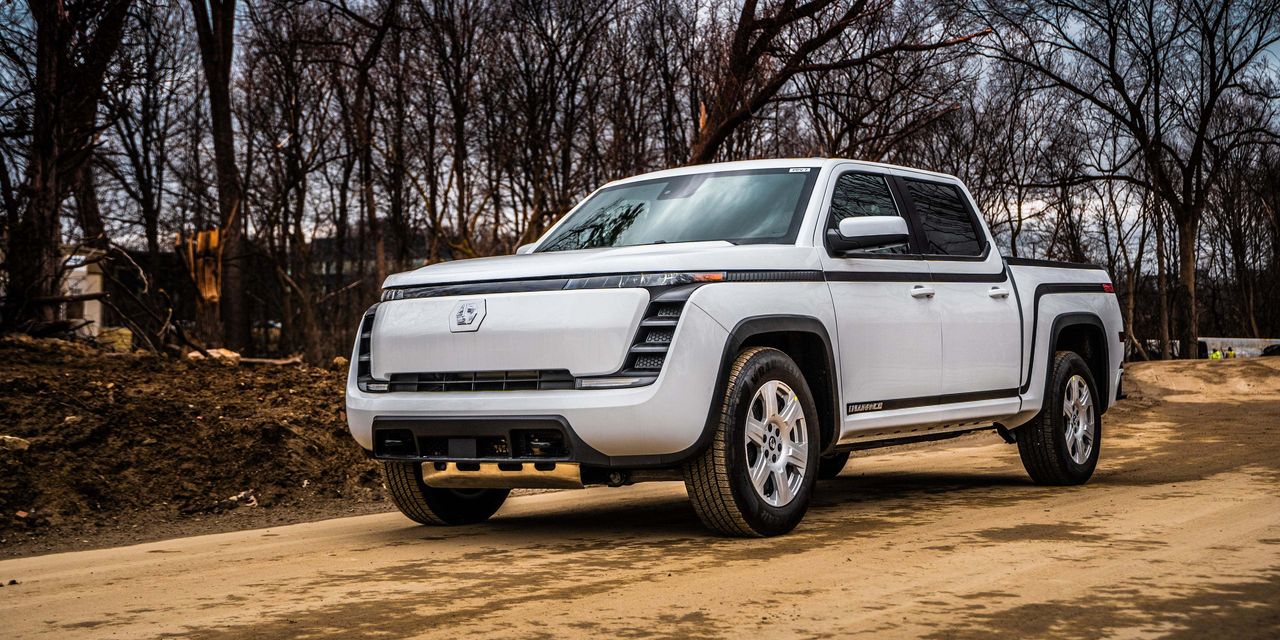
The bankruptcy of Lordstown Motors could lead to further disruptions in the electric vehicle (EV) market, with only a few companies like Tesla and BYD in China making profits. Louis Navellier, chair and chief investment officer at Navellier & Associates, believes that there will be a shakeout in the EV industry, highlighting Rivian as particularly vulnerable due to its ongoing cash burn. Navellier also mentioned concerns about Lucid and Fisker, emphasizing the need for Fisker to avoid fallout from a recent recall. He expects solid-state batteries to be a game-changer in the industry, with Panasonic likely to be the first to build them for EVs. Navellier predicts that Tesla's Cybertruck will be a significant success, but mass production is not expected until 2024.
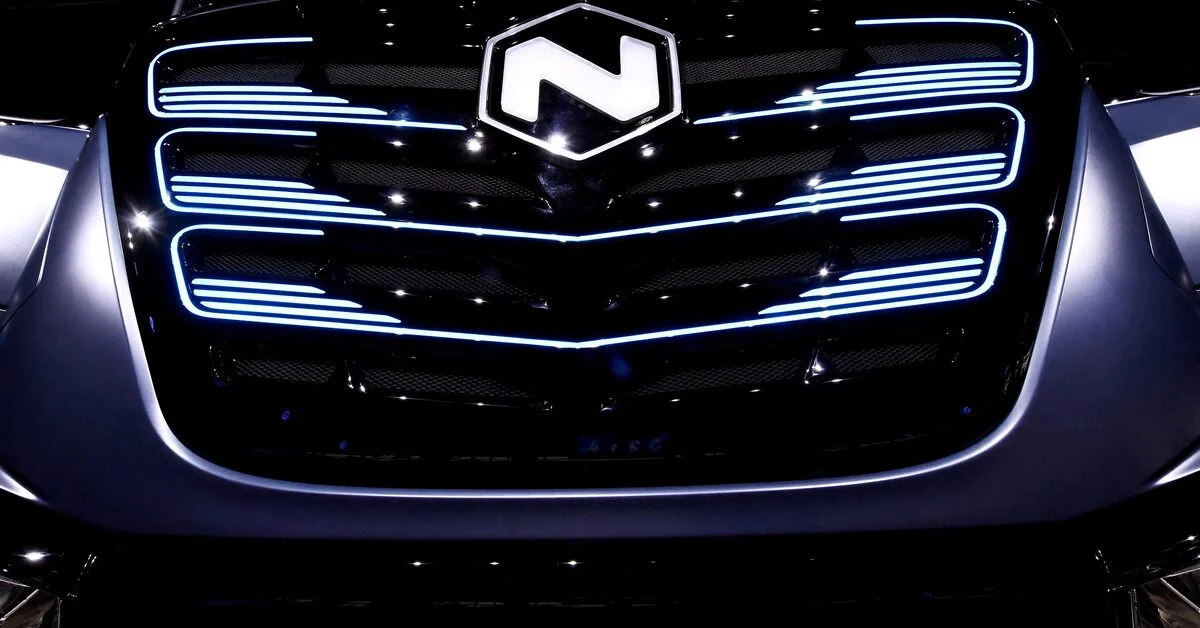
Nikola adjourned its shareholder meeting after failing to get enough support for a proposal to increase the number of shares the electric truck maker is allowed to issue, delaying its prospects of raising much-needed capital. The company has been urging shareholders to vote in favor of the proposal, saying "without these additional shares, Nikola's ability to continue its ongoing operations and objectives, including Nikola's need for capital, will be out of reach." Nikola might also execute a reverse stock split if its stock does not comply with Nasdaq's minimum bid price requirements within a certain period.
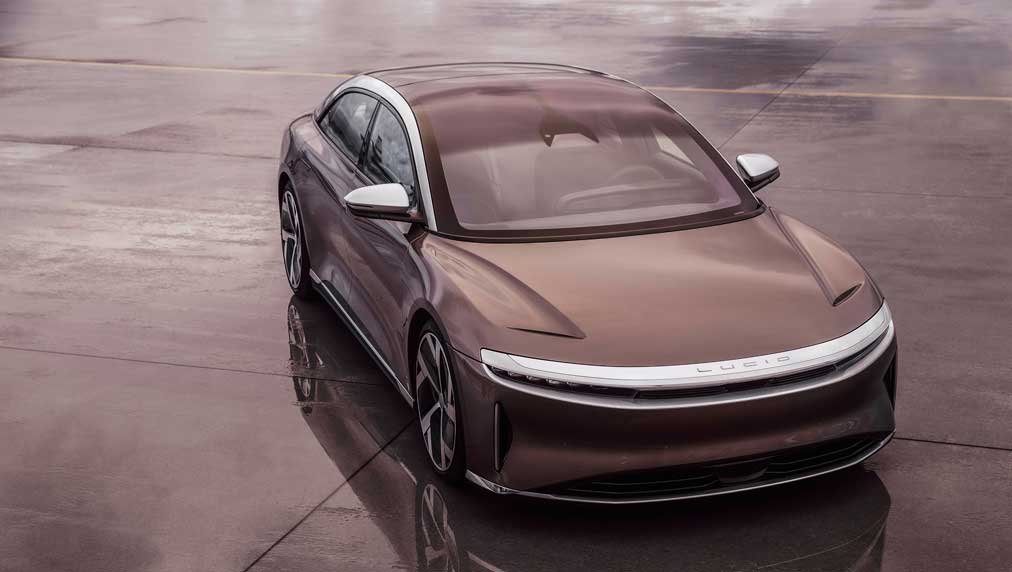
Lucid missed Wall Street's estimates, reporting a loss of 43 cents per share on revenue of roughly $149 million, far below expectations. The luxury EV maker built 2,314 vehicles and delivered 1,406 vehicles during the quarter. Lucid now expects to produce "more than 10,000" EVs this year vs. prior guidance for 10,000-14,000 EVs. Reservations have fallen recently, a sign of flagging demand. The report underscores the heightened emphasis being placed on cash burn and production targets for the EV startups, amid recession fears and the Lordstown warning.