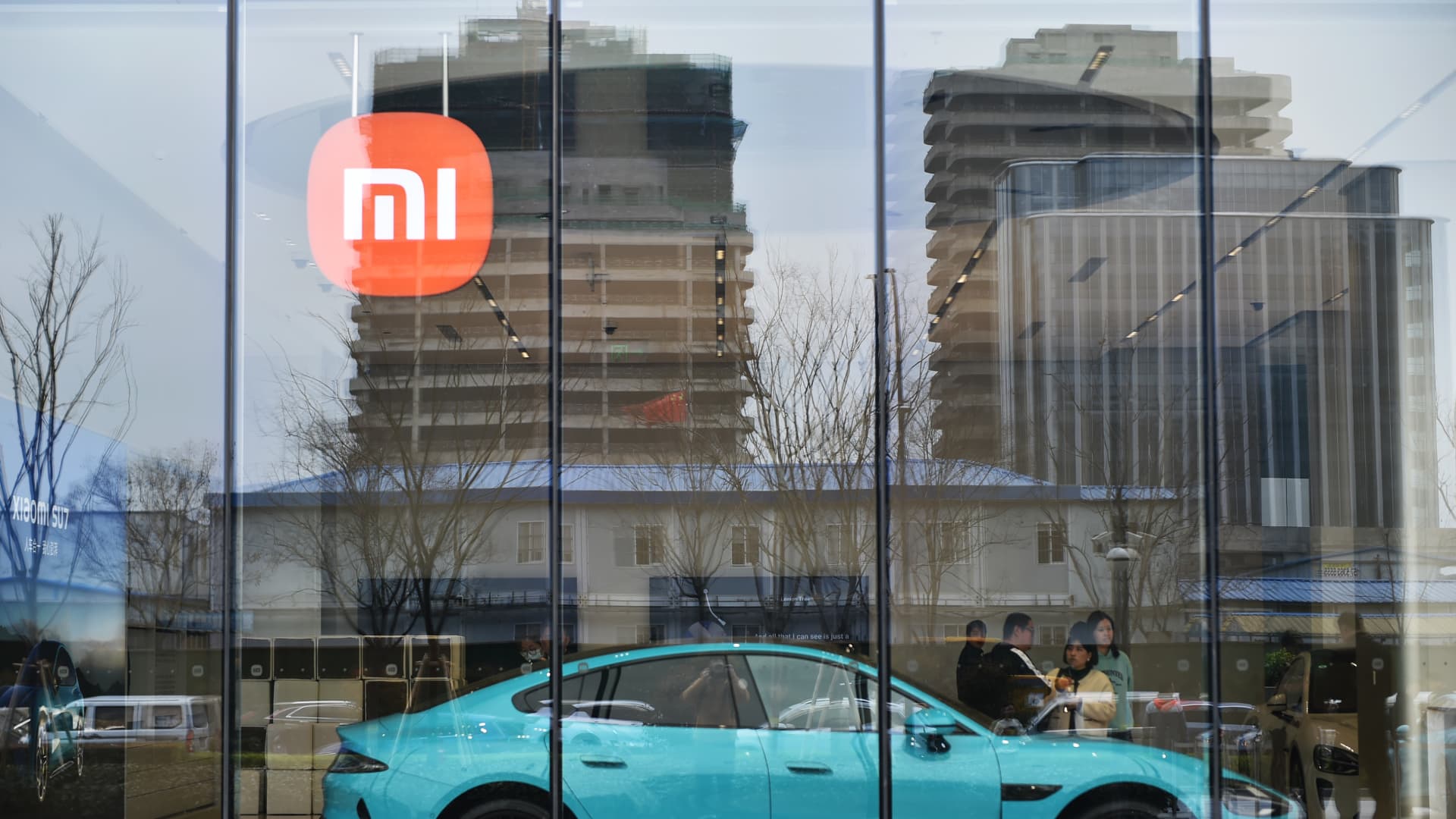
Xiaomi's shares surged 15% after the company launched its first electric car, the SU7, priced $4,000 less than Tesla's Model 3, with a claimed longer driving range. The Chinese EV market is competitive, with Xpeng and Nio offering purchase subsidies following government policy efforts to boost consumption. Growth of new energy vehicles in China is slowing, with Li Auto and Nio cutting their first quarter delivery estimates, while Huawei's Aito brand delivered 31,727 cars in March and BYD remained the industry giant with strong sales.
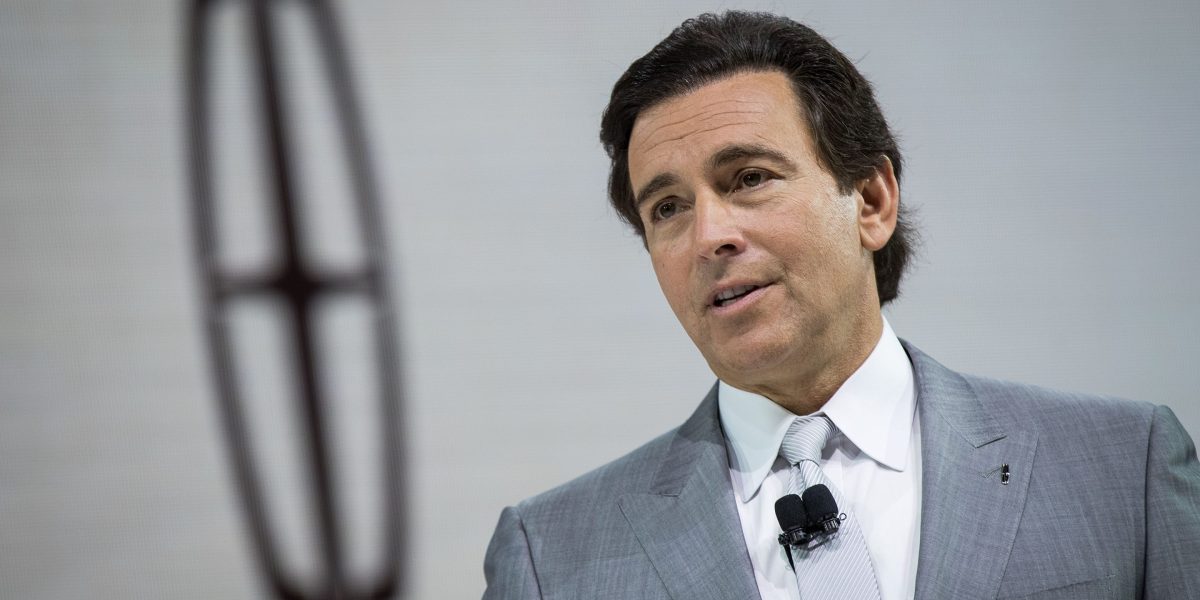
Former Ford CEO Mark Fields warns that the transition to electric vehicles (EVs) is taking longer than expected, leading to financial trouble for EV startups as mainstream consumers remain focused on cost and convenience. Sales of hybrid vehicles are soaring, with Toyota and Ford benefiting from the trend. Struggling EV startups like Fisker, Rivian, and Lucid are facing market challenges, with plummeting market caps and concerns about funding and bankruptcy.
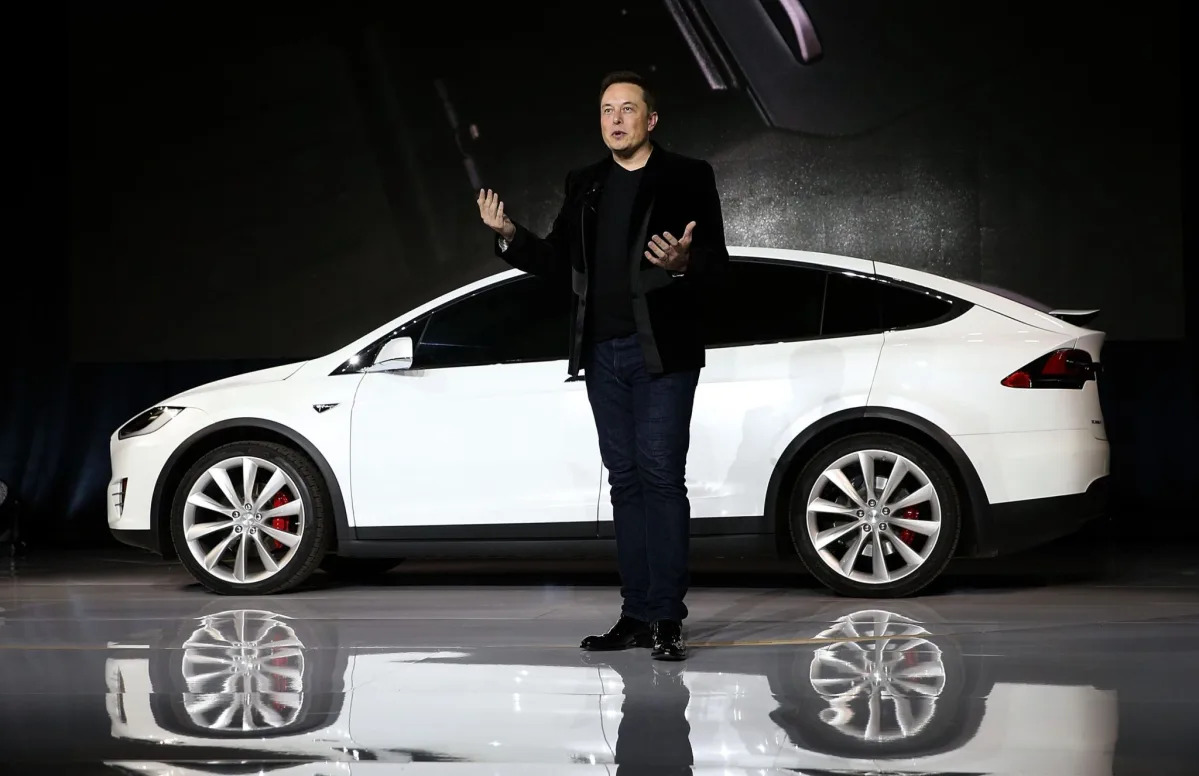
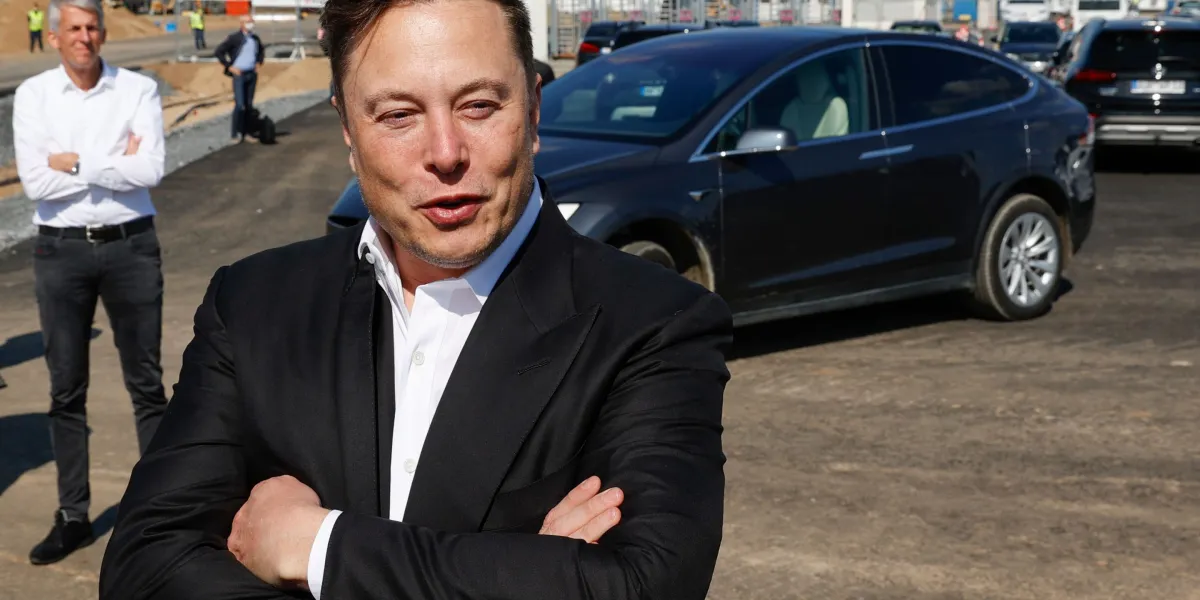
Despite a 34% decline in shares this year, Tesla is in a relatively strong position compared to struggling EV startups and legacy automakers focusing on hybrids. Analysts believe that Tesla has the opportunity to further grow its market share, especially in the Western market, as competitors like Fisker and Rivian face financial challenges. While concerns about Elon Musk's public behavior have impacted Tesla's stock price, some analysts see the recent pullback as a buying opportunity, with a target price of $275.
Despite Tesla's shares being down 34% year to date, the company is in a relatively strong position compared to struggling EV startups and legacy automakers focusing on hybrids. Analysts believe that this situation could allow Tesla to further grow its market share in the coming years. While Tesla faces challenges in China, it is seen as the best performer in the Western market. Concerns about Elon Musk's behavior and its impact on Tesla's stock price have been raised, but some analysts view the recent pullback in Tesla's share price as overdue and have bought the dip with a target price of $275.
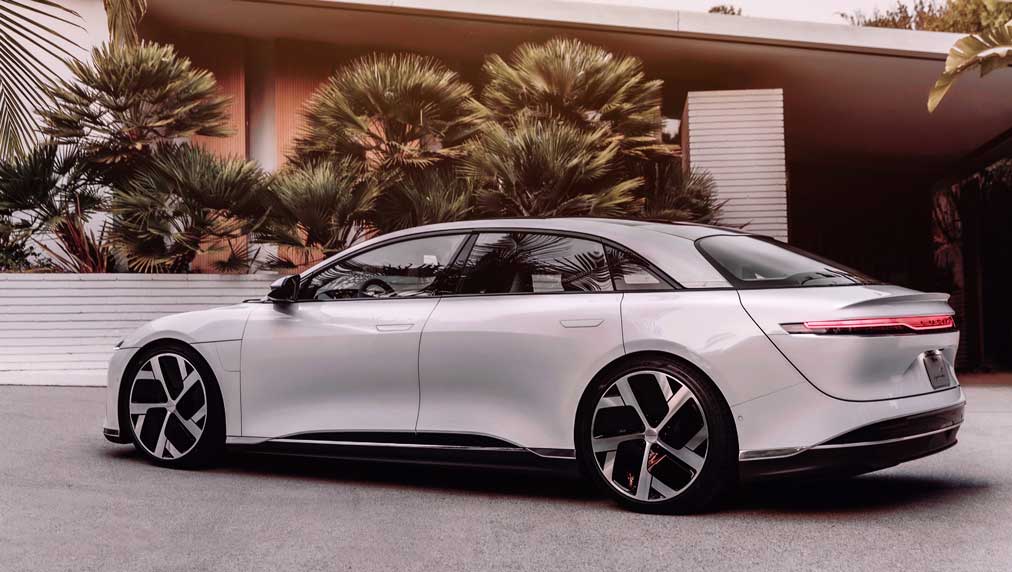
EV startups like Rivian and Lucid, once seen as the next Tesla, are struggling as demand for electric vehicles sags and investors lose confidence. Both companies announced disappointing production forecasts, leading to significant drops in their stock prices. With wealthy backers like Amazon and Saudi Arabia's Public Investment Fund, the stocks have been cushioned from even steeper declines. However, concerns about their ability to sell cars and compete with Tesla's pricing strategies persist, leading analysts to lower their price targets for the companies. As the outlook for EVs continues to worsen, the future looks challenging for these once-promising startups.
At least 18 electric vehicle (EV) and battery startups, including Nikola and Fisker, are at risk of running out of cash by the end of 2024, according to recent filings. These companies, which once attracted investors with promises to transform the industry and combat climate change, are now focused on survival as they face financial challenges.
EV startups Rivian and Lucid, both of which faced challenges after going public, are now on diverging paths. Rivian CEO RJ Scaringe raised the company's production target for the year and announced the end of an exclusivity deal with Amazon, while Lucid CEO Peter Rawlinson cut production forecasts. Rivian expects to manufacture six times the number of vehicles as Lucid this year. This divergence gives investors hope that Rivian may survive a potential shakeout in the EV industry, despite Elon Musk's previous prediction that both companies could go bankrupt.
Tesla's share of the U.S. electric vehicle market dropped to a new low of 50% in Q3, down from nearly 65% in 2022. Despite a 19.5% increase in vehicle sales, Tesla is facing growing competition from both EV startups and traditional automakers like Hyundai, BMW, and Mercedes, which have released their own electric models. The overall U.S. electric vehicle market is expanding rapidly, with a record 313,000 battery electric vehicles sold in Q3, and full-year sales expected to surpass 1 million for the first time ever.
Lordstown Motors' bankruptcy filing highlights the struggles of EV startups that saw their stocks soar during the pandemic but have since faced short seller pressure, investigations, and tighter monetary policy. Cash-intensive EV startups have been forced to sell more shares in the public markets over the last year to raise money, lowering their stock prices further. Lordstown's stock has dropped 99% from its peak in February 2021. Established EV giant Tesla's production targets have been tough to meet amid interrupted supply chains, high labor costs, and inflated prices for raw materials.
Lucid Group's majority shareholder, Saudi Arabia's Public Investment Fund, has purchased more shares in the luxury EV startup, while Lordstown Motors has filed for Chapter 11 bankruptcy protection and put itself up for sale after a key partner, Foxconn, backed off. The news highlights the importance of robust alliances with larger players in the capital-intensive business of making electric vehicles.
Electric vehicle startups Lucid and Fisker are facing financial difficulties as their cash reserves dwindle and competition from larger legacy automakers intensifies. The two companies, along with electric-truck maker Rivian, went public in the last two years, but their share prices continue to decline. As they struggle to get more vehicles into the hands of customers, investors are becoming increasingly skeptical about their ability to compete in the EV market.
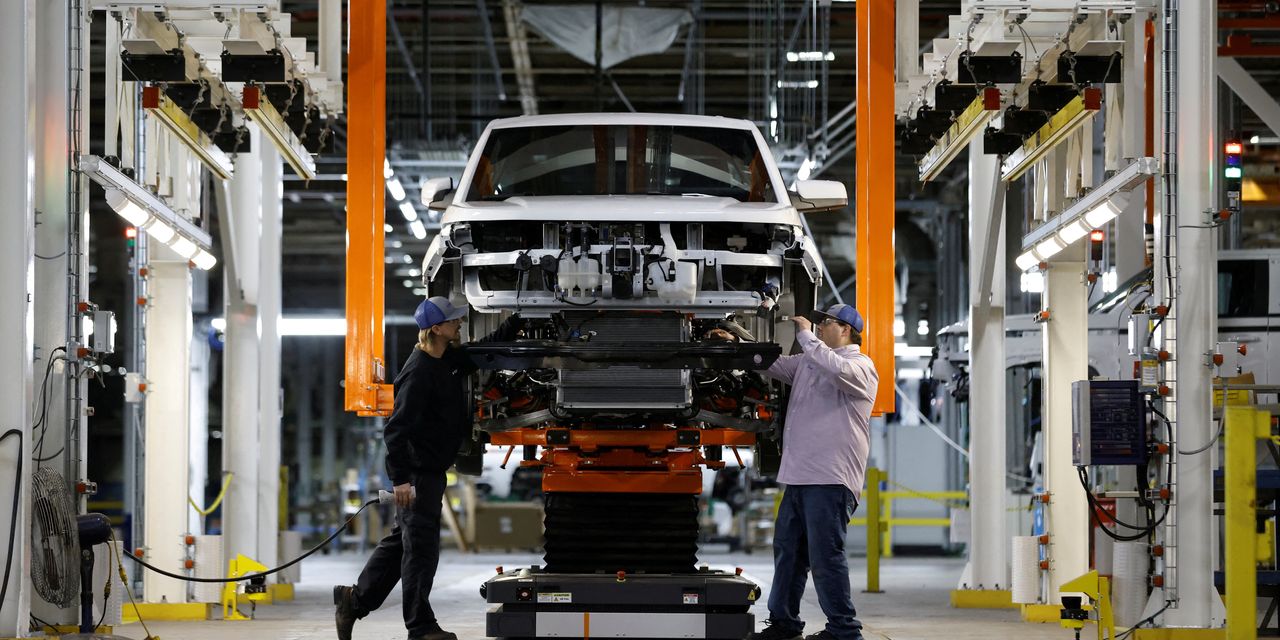
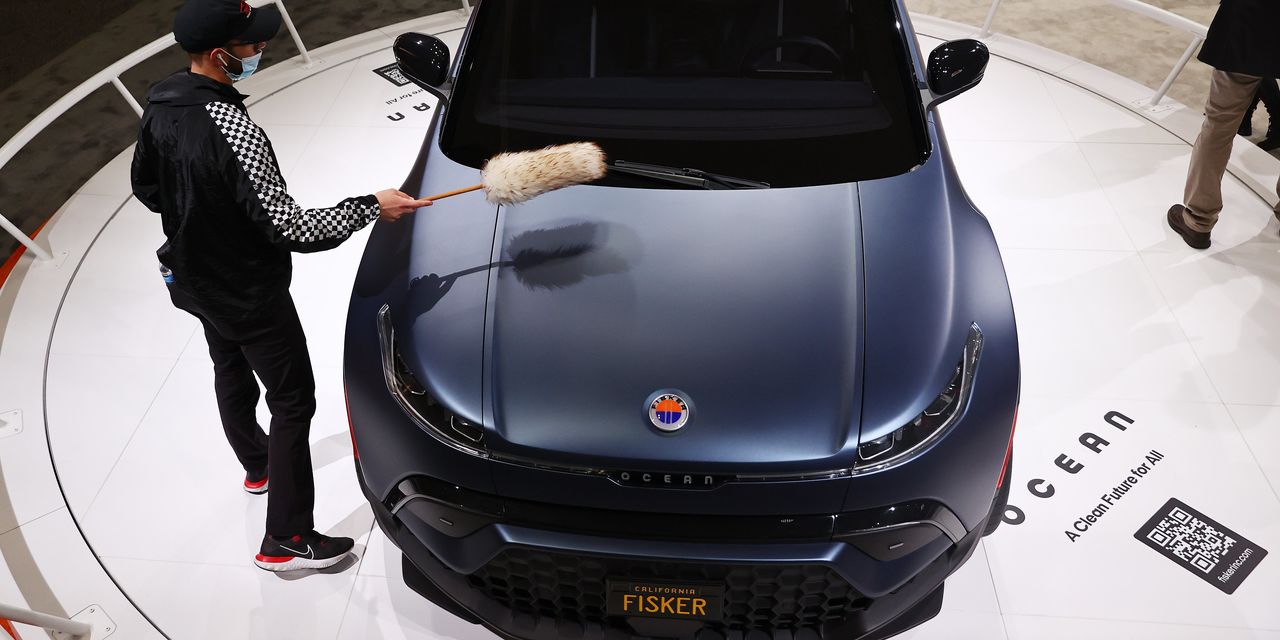
Fisker Inc has lowered its 2023 production target due to supply chain issues, easing demand, and a tight cash position. The company now expects to produce between 32,000 and 36,000 units in 2023, compared with its previous target of 42,400 cars. Many US electric-vehicle startups are struggling to ramp up output, with market leader Tesla also cutting prices to stoke demand. Fisker had about $652.5 million in cash and cash equivalents as of March 31, compared with $1.04 billion a year earlier.
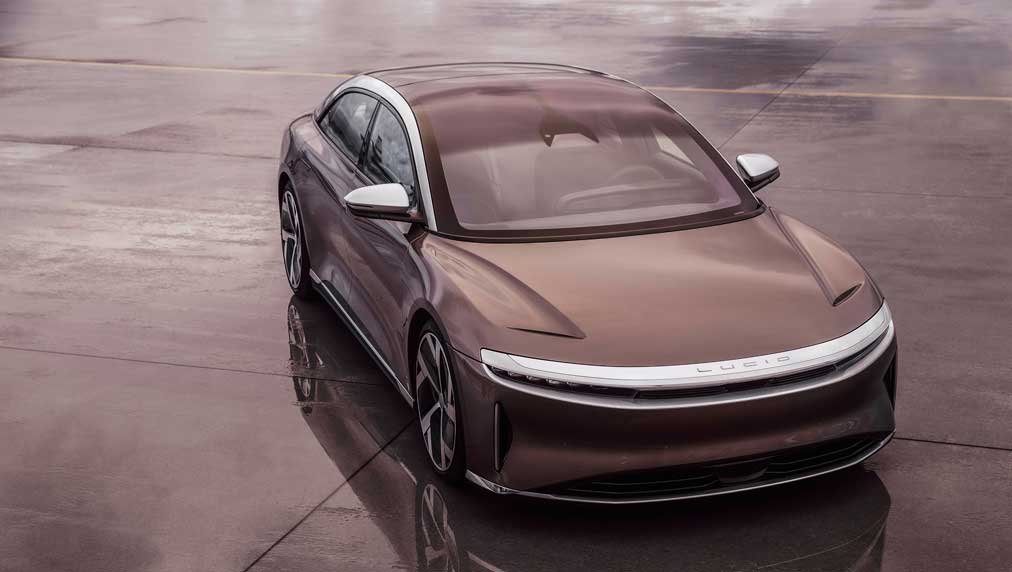
Lucid missed Wall Street's estimates, reporting a loss of 43 cents per share on revenue of roughly $149 million, far below expectations. The luxury EV maker built 2,314 vehicles and delivered 1,406 vehicles during the quarter. Lucid now expects to produce "more than 10,000" EVs this year vs. prior guidance for 10,000-14,000 EVs. Reservations have fallen recently, a sign of flagging demand. The report underscores the heightened emphasis being placed on cash burn and production targets for the EV startups, amid recession fears and the Lordstown warning.
EV startups including Lucid, Rivian, Fisker, and Nikola are set to report Q1 earnings this week, with investors looking for signs of financial distress as dwindling cash reserves and rising interest rates put pressure on margins. Despite record EV sales in the US, many EV companies have watched their stock prices fall, making it harder to access cheap funding through equity raises. Lucid, Rivian, Fisker, and Nikola are all expected to see revenue growth in Q1, but losses and cash burn are also expected due to higher input costs.
A recent survey by J.D. Power found that EV owners' satisfaction with home charging solutions has decreased due to high costs, slow charging speed, and limited charging education. Meanwhile, Ford dealerships are choosing their EV paths, with almost 30 backing out of the automaker's tiered system for offering electric cars. Audi is widening its offering of battery-electric vehicles and will offer lower-priced models to customers. Technicians at Nissan's Smyrna plant are voting on whether to unionize, and EV startups are struggling to stay afloat, with only a few having enough cash on hand to cover more than two years of their cash burn.