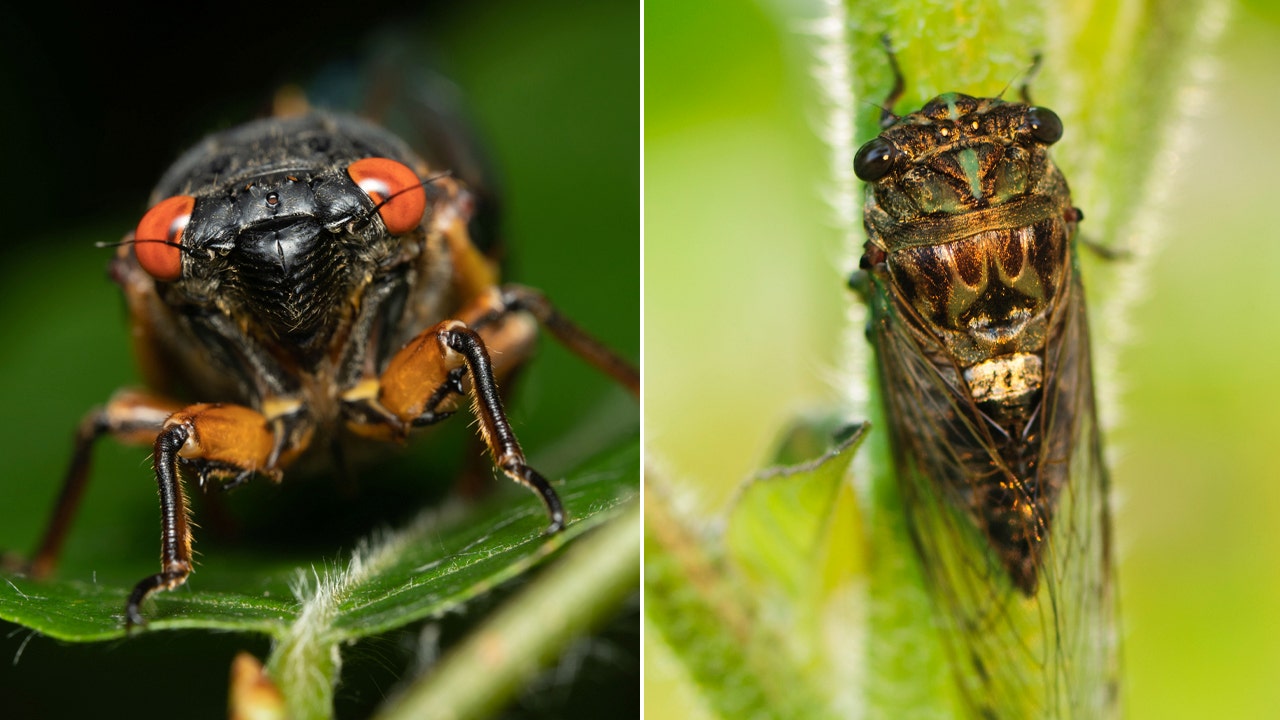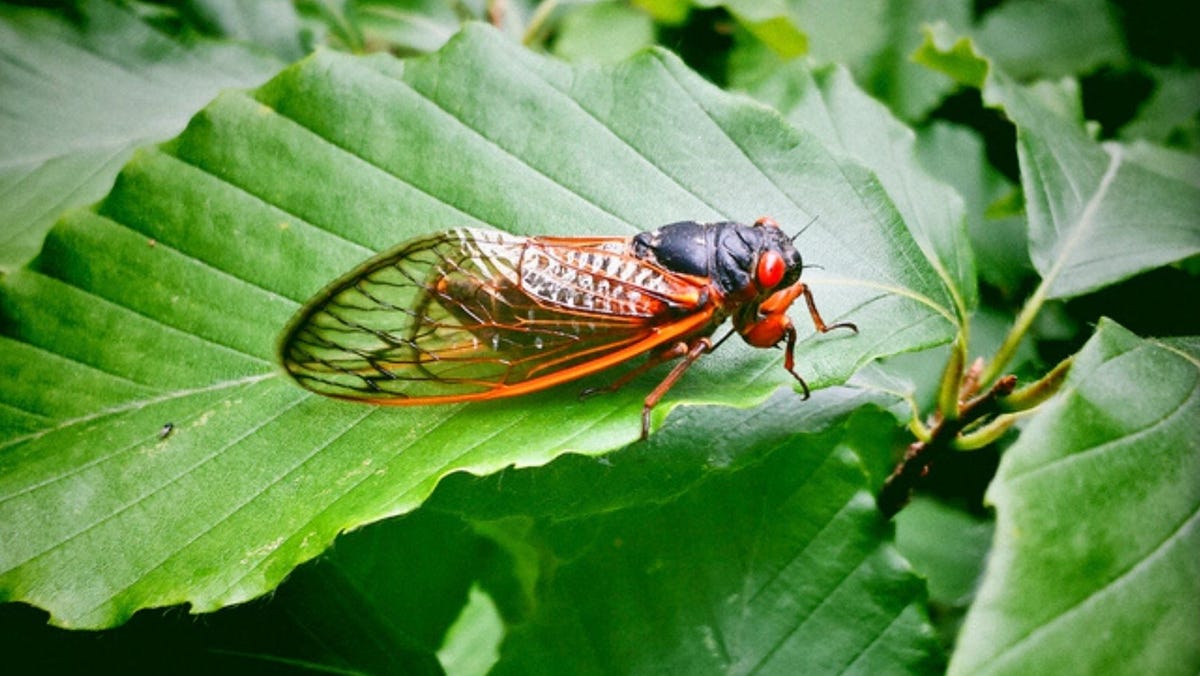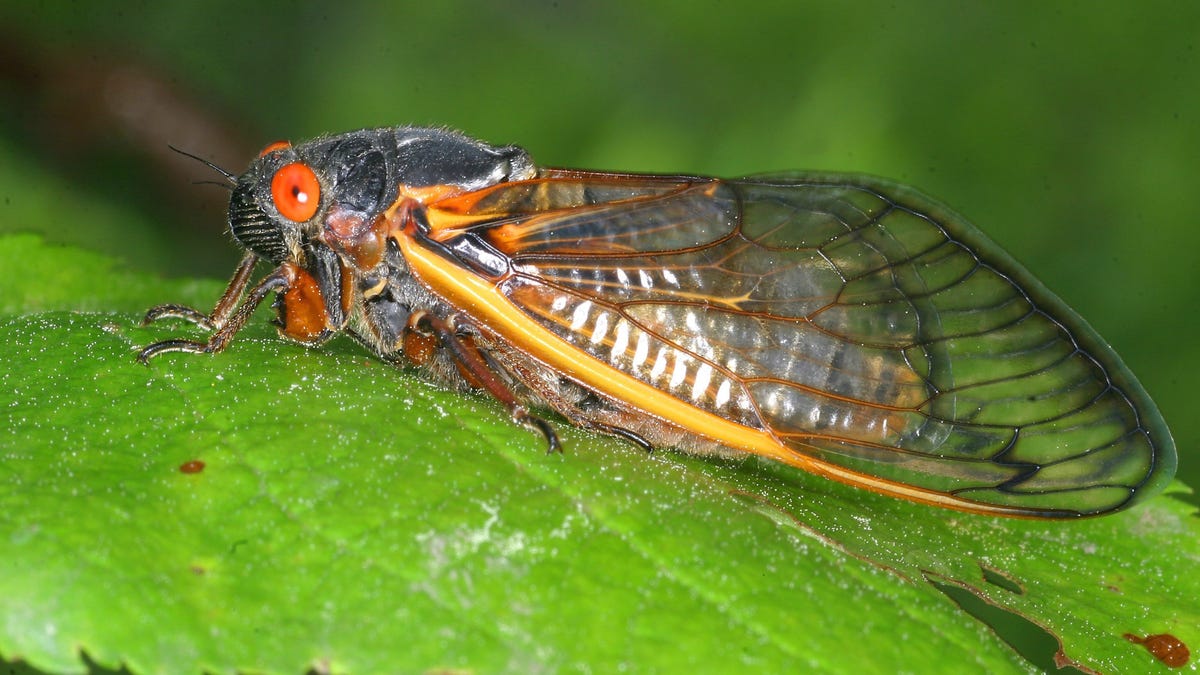
The 17-year "Northern Illinois Brood" (Brood XIII) and the 13-year "Great Southern Brood" (Brood XIX) of cicadas are set to emerge in 2024, spanning across 17 states with some overlap in Illinois and Indiana. Michigan may not see as many cicadas as other states, and the emergence is expected to begin in late April or May when soil temperatures reach 64 degrees Fahrenheit. Cicadas are harmless insects that emerge in groups known as "broods" once every 13 or 17 years to reproduce, and they do not pose a danger to humans or animals. If you want to witness the emergence, heading to Indiana and Illinois is recommended.
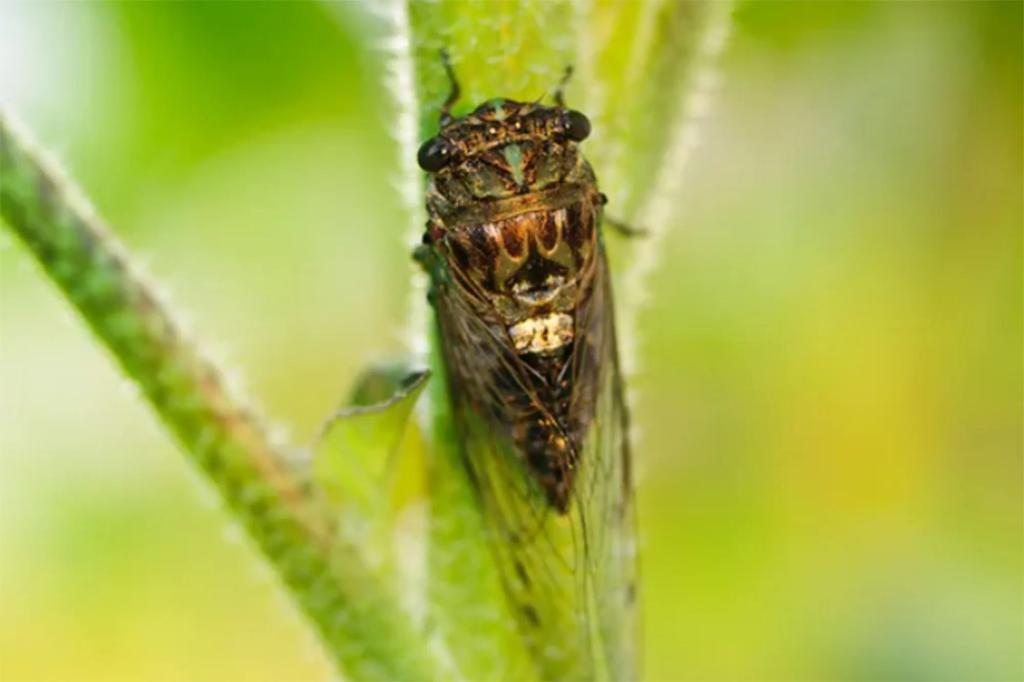
In spring 2024, over a trillion cicadas from two broods, XIX and XIII, will emerge simultaneously in 17 U.S. states, marking the first time in 221 years that these periodical cicadas will co-emerge. The emergence is expected to create a significant buzz and will overlap in areas across Indiana and Illinois. While the noisy insects are largely harmless to humans and animals, their exoskeletons may upset some animals' stomachs, and the emergence is anticipated to last from mid-May to June.
For the first time in 221 years, two broods of cicadas, Brood XIX and Brood XIII, are expected to emerge simultaneously across 17 states in North America in spring 2024, creating a "simultaneous explosion" of the insects. This unique event will overlap in areas across Indiana and Illinois and is anticipated to be quite noisy, reaching 105 decibels. While some may dread the emergence, cicadas are largely harmless to humans and animals, although their exoskeleton material may upset the stomachs of some animals.
In 2024, two broods of cicadas, Brood XIX and Brood XIII, are set to emerge in multiple states across the Southeast and Midwest, with an overlap in Illinois and Indiana. Brood XIX has a 13-year life cycle and will emerge in 14 states, while Brood XIII, with a 17-year life cycle, will emerge in five Midwestern states. Once above ground, cicadas will mate, lay eggs, and die within about five weeks. These insects are not harmful to humans or pets and can provide environmental benefits, such as being a food source for predators and improving soil quality.