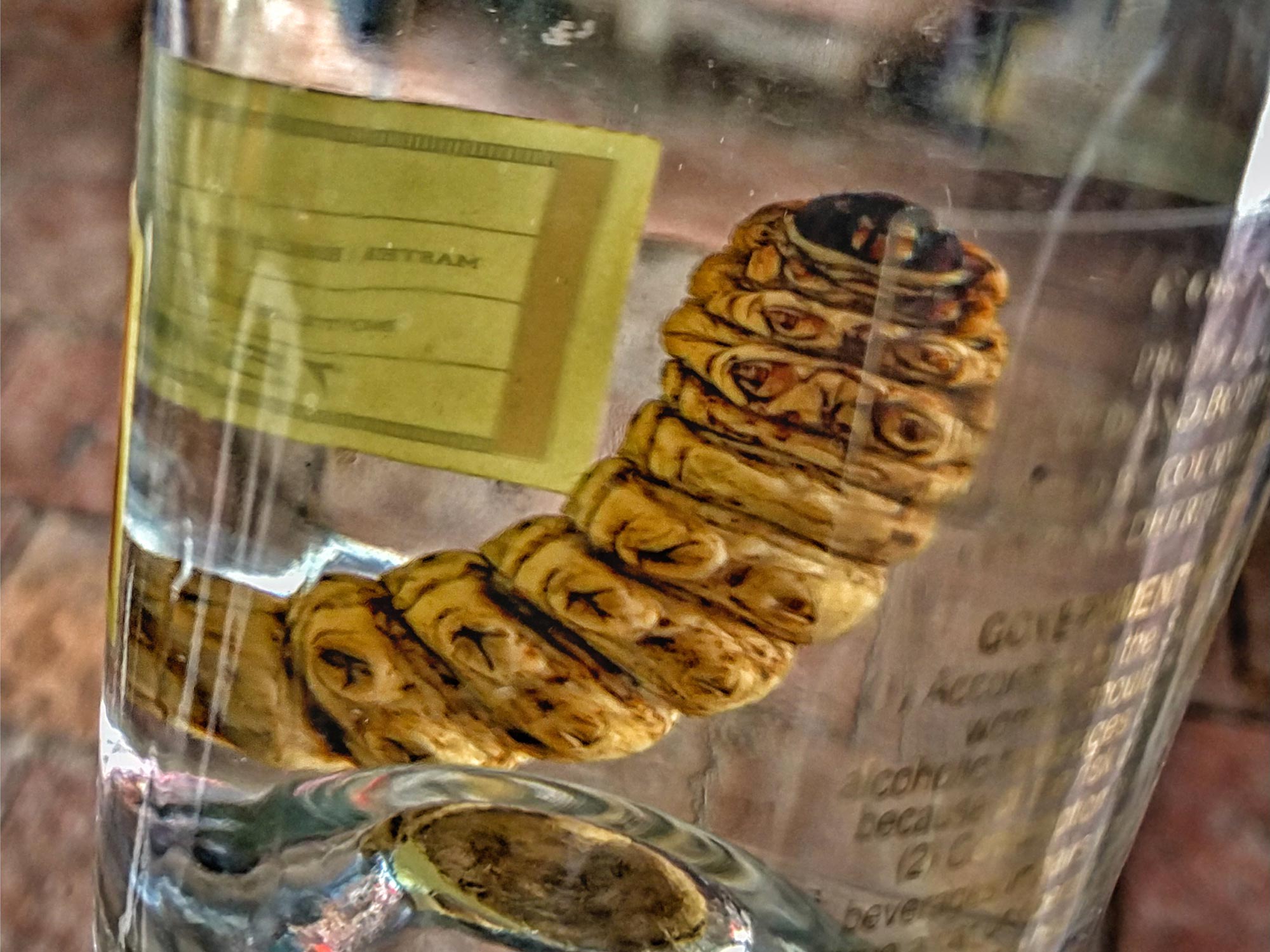
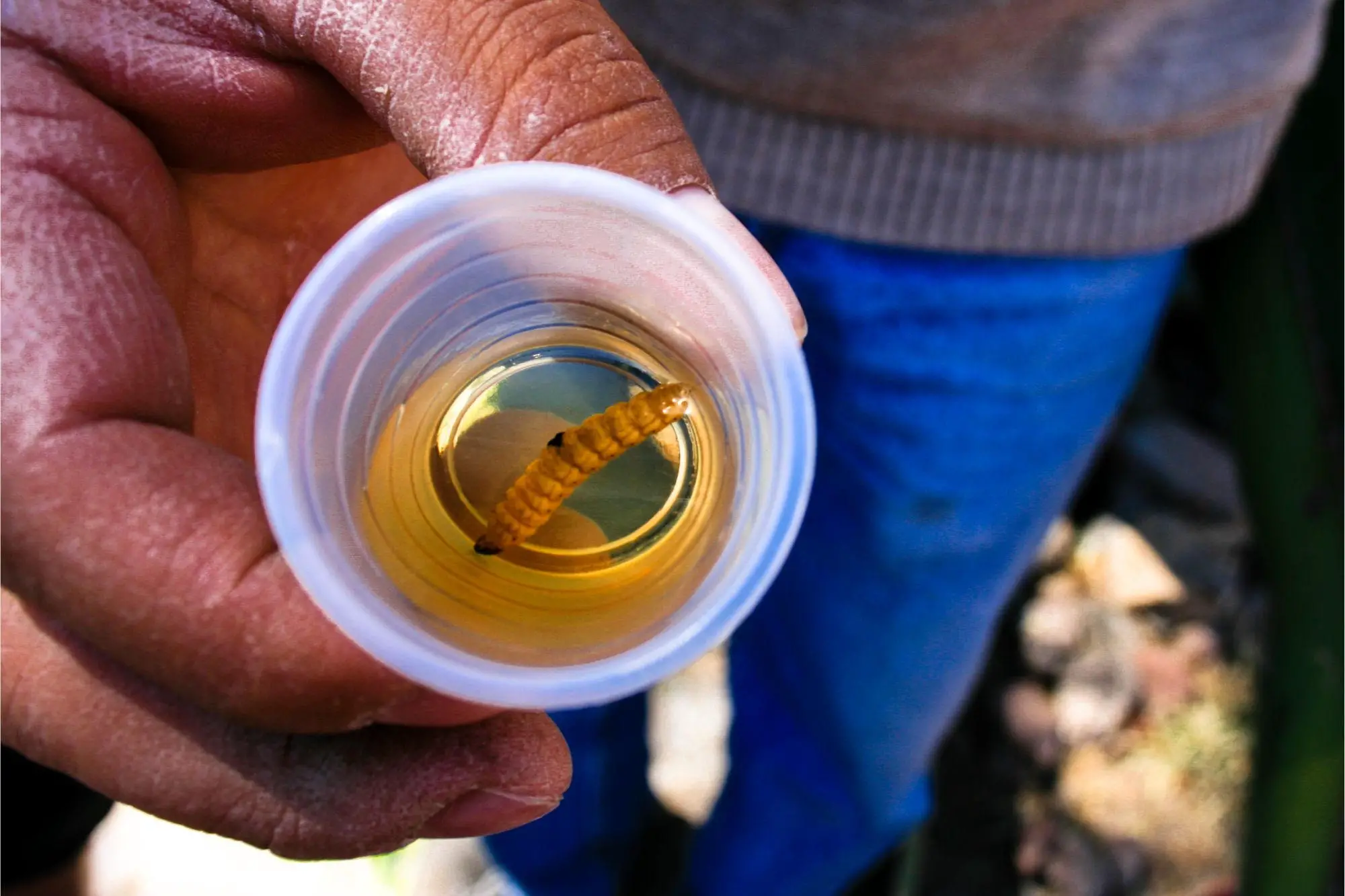
A genetic study revealed that the worm inside mezcal bottles is exclusively from the moth species Comadia redtenbacheri, dispelling myths that it could be from other insects like butterflies or weevils, and highlighting its cultural significance in Mexico.
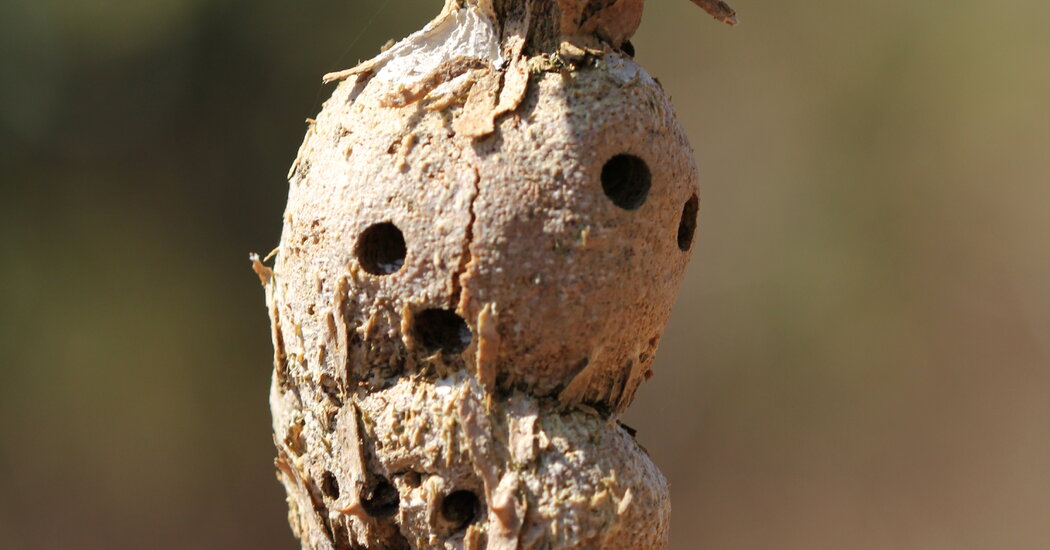
Researchers discovered that galls formed on plants by parasitic insects can protect insect larvae from the heat and flames of wildfires, acting as natural flameproof nurseries, as observed during a fire in Brazil's Cerrado region.
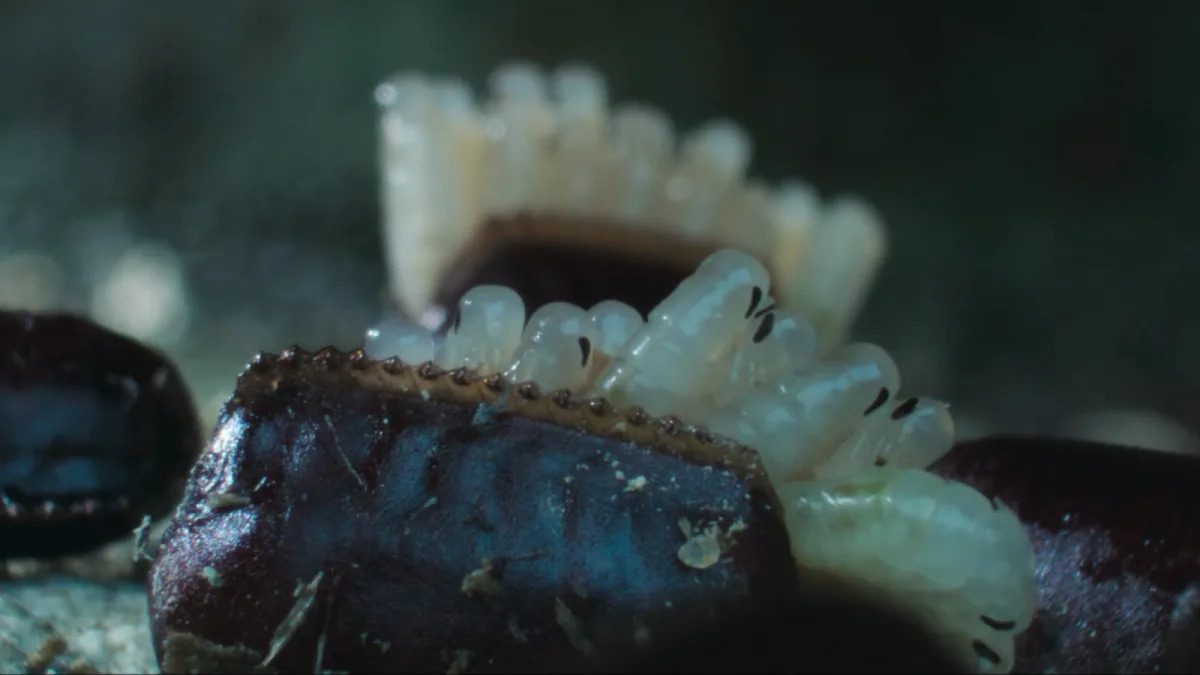
National Geographic's new series "A Real Bug's Life" captures the skin-crawling moment translucent cockroach larvae burst from their leathery egg case, a process that took six months of trial and error to film. Typically found in sewers and drains, female American cockroaches produce one egg case per month to protect around 16 eggs, and capturing this footage in the wild would have been impossible, so entomologist Tim Cockerill and cinematographer Nathan Small placed cockroach egg cases in a controlled environment to film the hatching process.
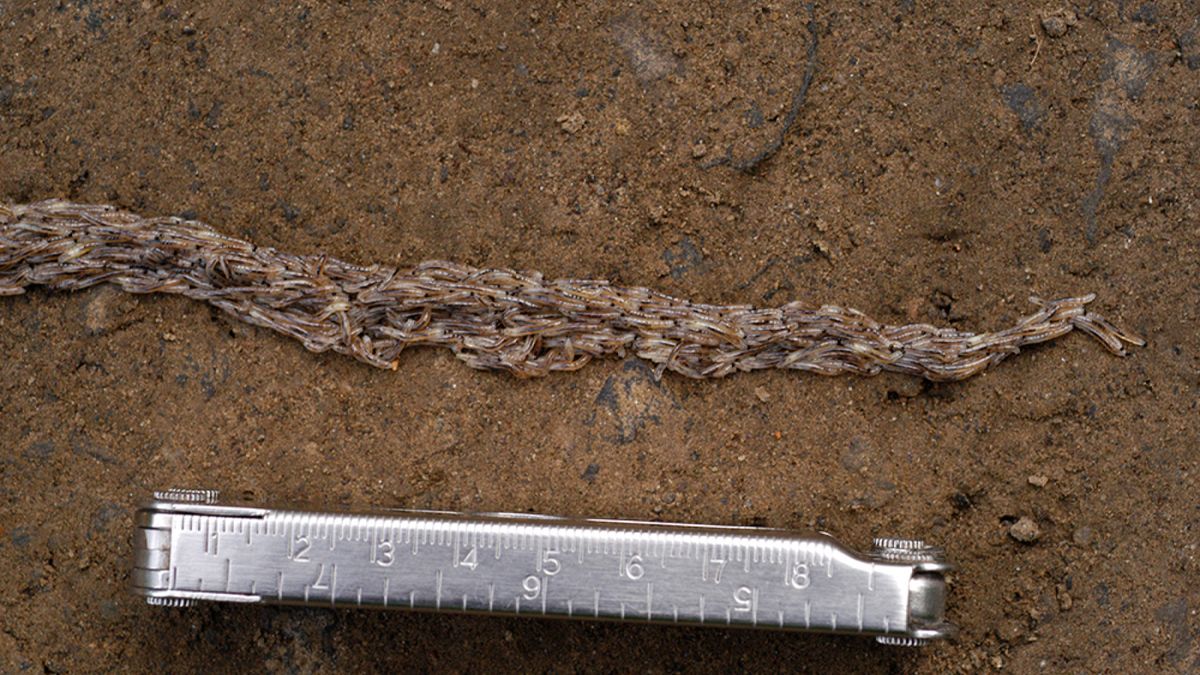
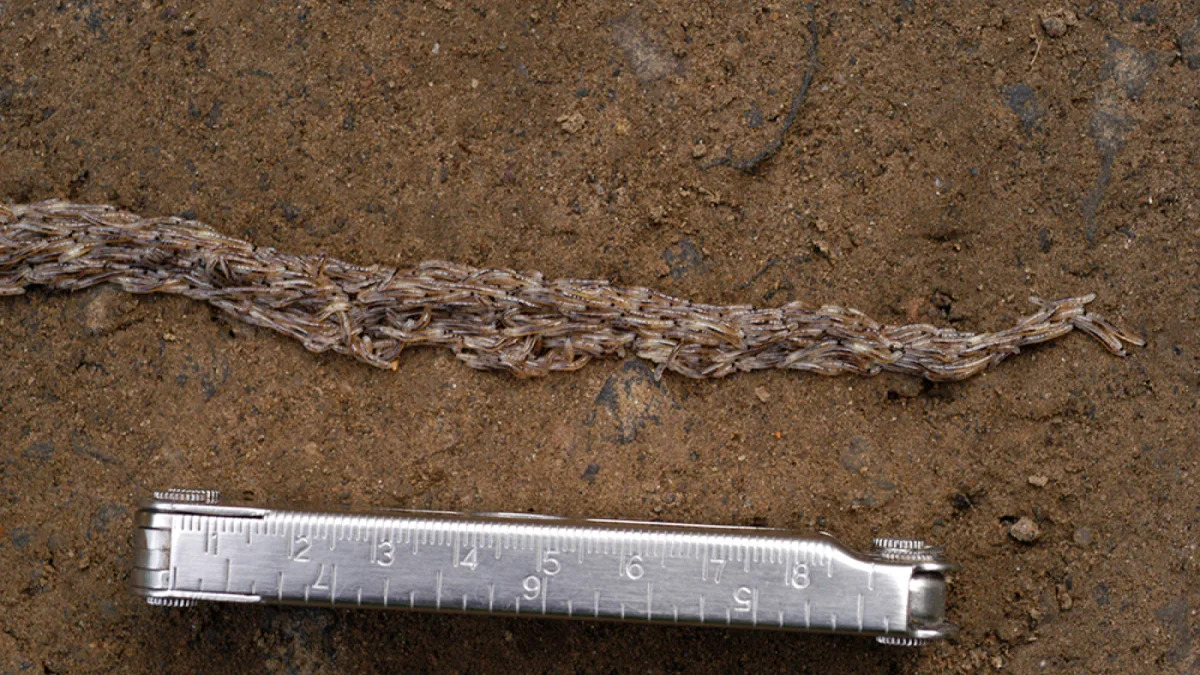
Scientists have identified a new species of fungus-eating fly, named Sciara serpens, as the culprit behind Alaska's "snake worm" mystery, where larvae band together and slither like a serpent. The discovery follows a 16-year investigation that began when thousands of wormlike larvae were spotted in Alaska. The researchers believe the larvae mimic snakes to deter predators or conserve moisture. The new species shares similarities with European gnats, suggesting a historical connection between Alaska and Europe. While this solves the snake worm mystery, further research is needed to understand these fungus gnats and their unusual habits.
Scientists have finally solved the mystery of Alaska's "snake worm" phenomenon, identifying a new species of fungus-eating fly, Sciara serpens, whose larvae mimic snakes by banding together and slithering like a serpent. The discovery, published in the journal Integrative Systematics, sheds light on the peculiar habits of these larvae, which may mimic snakes to deter predators or conserve moisture. The species' resemblance to a European gnat suggests a historical connection between Alaska and Europe during the Pleistocene. While this solves the snake worm mystery, further research is needed to fully understand these fungus gnats and their interactions with other organisms.
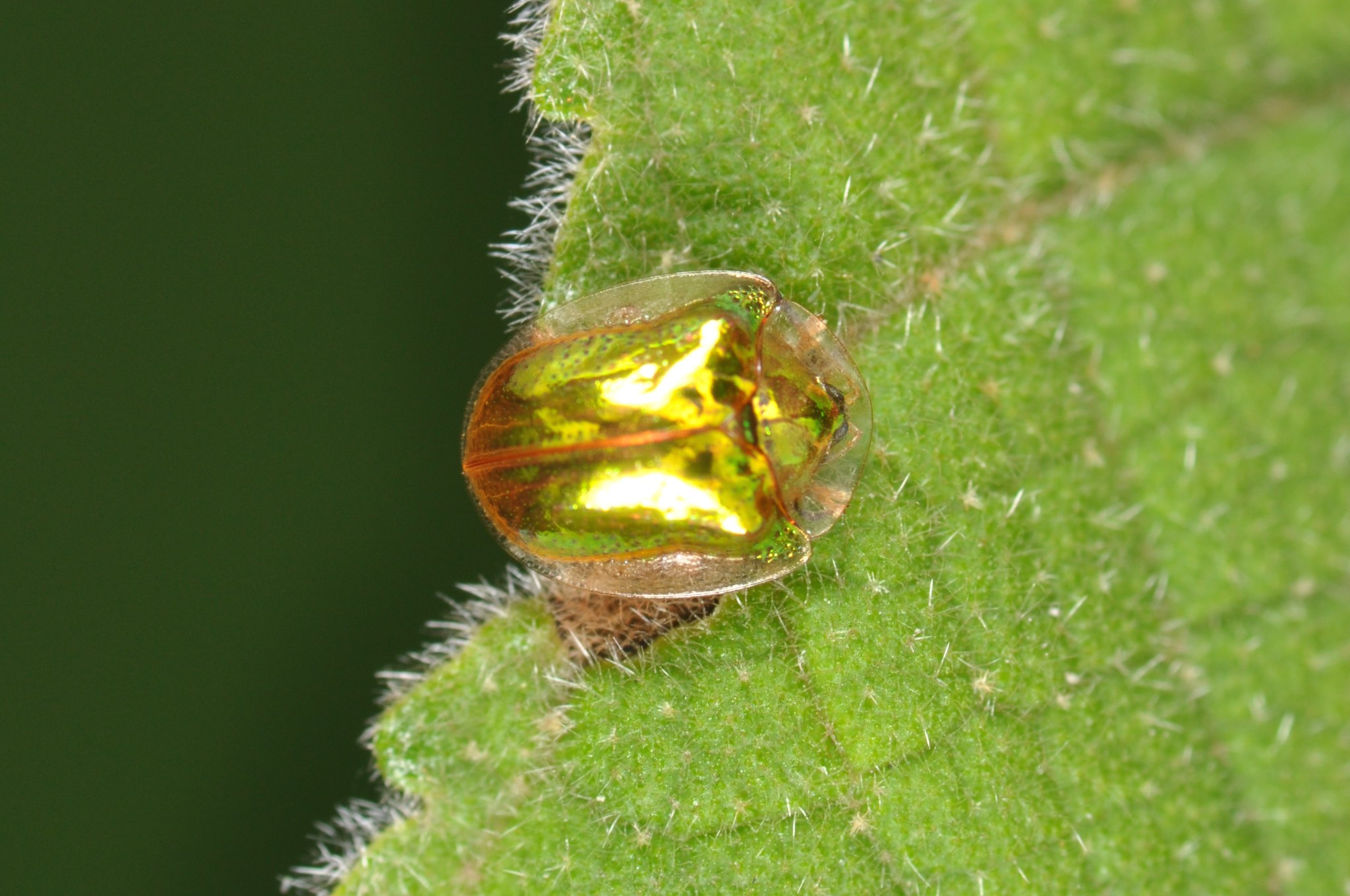
A recent study published in the journal ZooKeys explores the intricate process behind the construction of fecal shields by tortoise beetle larvae. These shields, made from the larvae's own poop, serve multiple functions such as protection from predators, disguise, and chemical deterrents. The larvae use their telescopic anus to extend and manipulate the shield, even using it as a club for defense. The study highlights the architectural abilities of these larvae and suggests they should be recognized alongside other celebrated builders in the animal kingdom.
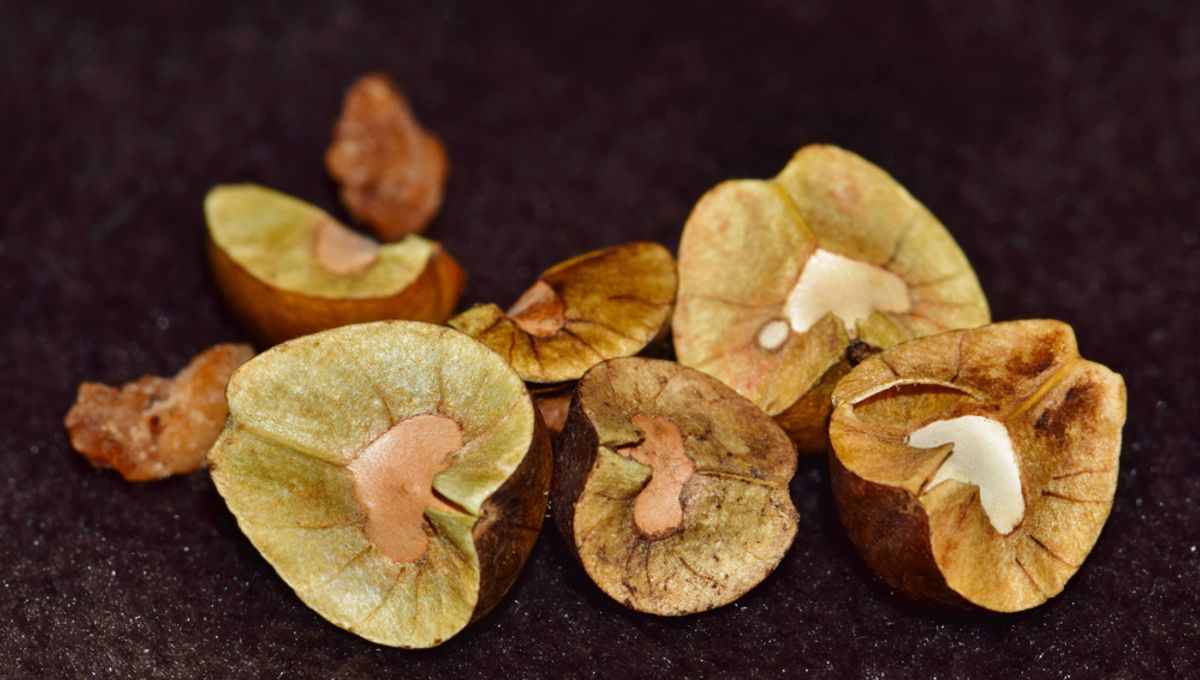
Mexican jumping beans are seed pods inhabited by the larvae of a small moth, which cause the seed to jump around due to their movement inside. This is a natural part of the bugs' life cycle and a survival strategy to find shade in the harsh environment of Mexico. The larva can wait for months inside the seed until conditions are right, then it enters a pupal stage and a silvery moth emerges. The moth only lives for a few days but hopefully reproduces and continues the life cycle.
A recent study has identified the species of larvae found in bottles of Mezcal, a distilled alcoholic beverage made from agave, as the caterpillars of agave redworm moths. The researchers suspect that accounts of white gusanos de maguey come from caterpillars that have been stored in alcohol for long amounts of time and have consequently leached their color. The sale of mezcal is expected to increase by 22% in the next decade, reaching $2.1 billion in profits by 2030, riding a growing wave of interest in artisanal, ethically manufactured products. However, the impact of mezcal becoming popular can have long-term negative effects on local populations because they are harvested in the wild.