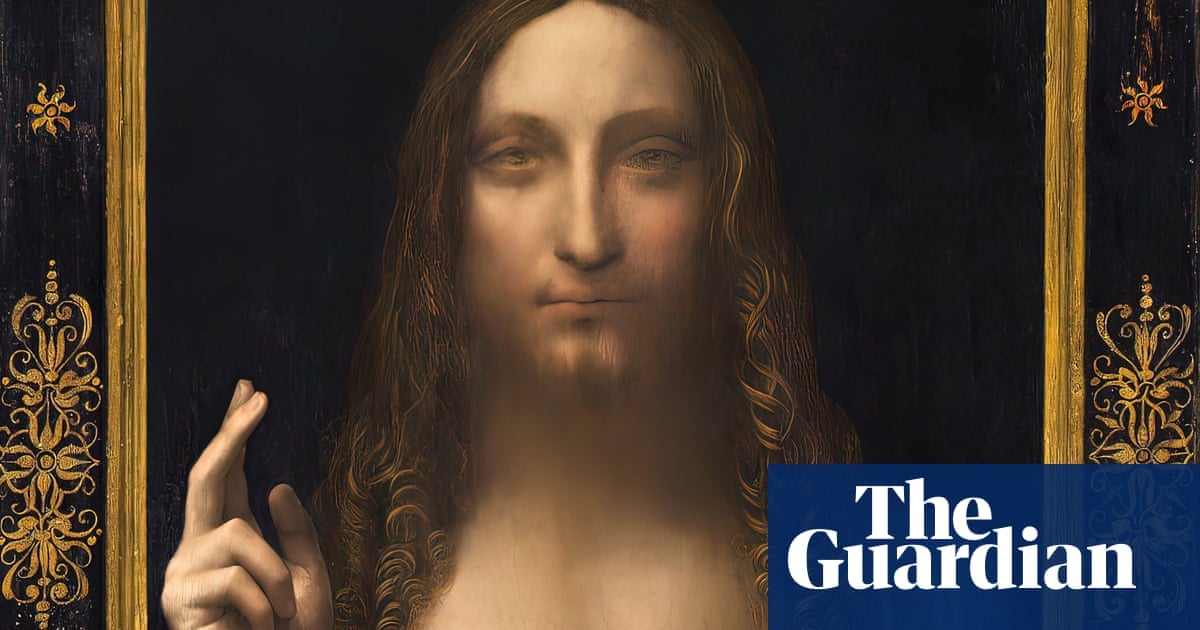
Russian billionaire Dmitry Rybolovlev has lost a case against Sotheby’s, accusing the auction house of defrauding him in art sales, including the purchase of Salvator Mundi attributed to Leonardo da Vinci. The jury ruled in favor of Sotheby’s, stating that it adhered to legal requirements and industry best practices. The case shed light on the lack of transparency in the art market, and although Rybolovlev was allowed to sue over Salvator Mundi, the verdict reflected a lack of evidence of cheating by Sotheby’s.
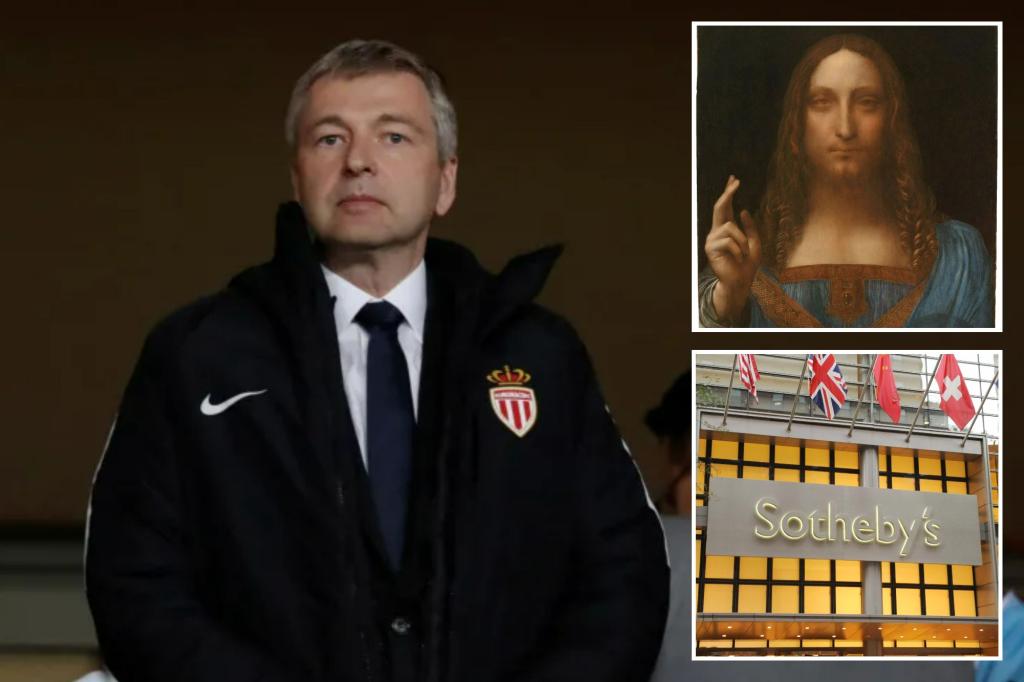
Sotheby's wins a federal jury trial against Russian billionaire Dmitry Rybolovlev, who accused the auction house of defrauding him in art sales, including the purchase of "Salvator Mundi" attributed to Leonardo da Vinci. The jury ruled in favor of Sotheby's, stating it had no knowledge of any deception by Swiss art dealer Yves Bouvier, and rejected Rybolovlev's claims of inflated prices. The case sheds light on transparency issues in the art market and has been one of the highest-profile art fraud disputes in recent years.
Russian billionaire Dmitry Rybolovlev testified in the ongoing trial against Sotheby's, alleging that the auction house colluded with Swiss art dealer Yves Bouvier to overcharge him by $1 billion for artworks. Rybolovlev grew suspicious after learning of discrepancies in reported prices for artworks he had purchased, leading to doubts about the transparency of the art market. Sotheby's attorney emphasized Rybolovlev's role in the purchases and suggested that he was ultimately responsible for the transactions.
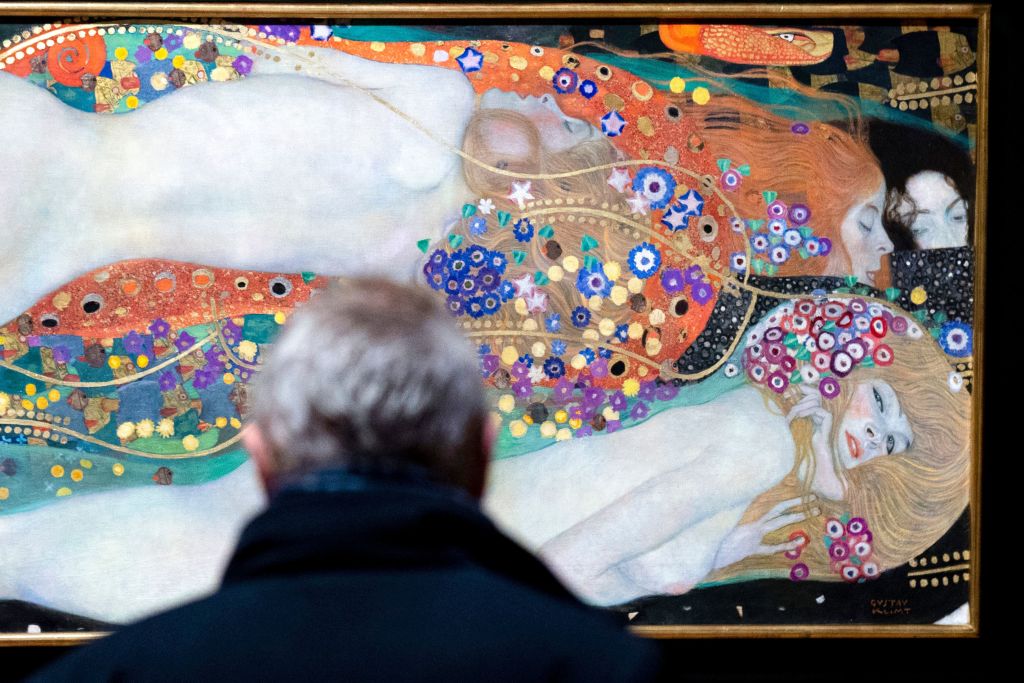
Russian oligarch Dmitry Rybolovlev is suing Sotheby’s, alleging that the auction house aided art dealer Yves Bouvier in overcharging him by $1 billion for 38 works of art. The case centers on Bouvier's dual role as both adviser and dealer, with Sotheby’s accused of inflating valuations to disguise Bouvier’s inflated prices. The artworks in question include pieces by Amedeo Modigliani, René Magritte, Gustav Klimt, and Leonardo da Vinci. The trial has the potential to shed light on questionable practices in the art market.