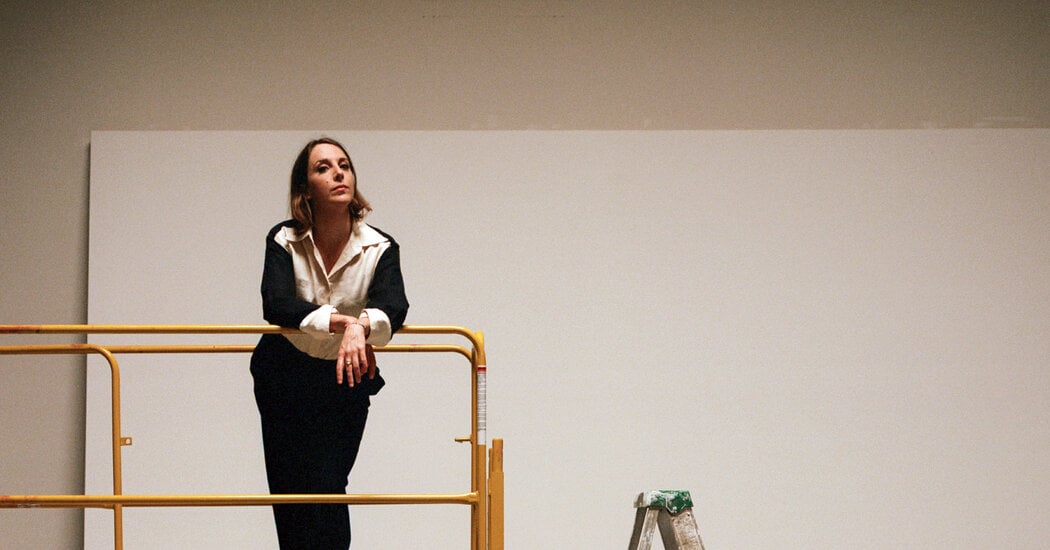
Artist Emma Webster was initially excited when she received an email from someone claiming to be Lady Gaga interested in purchasing her artwork, but it was later revealed to be an impostor, prompting her to seek FBI assistance.
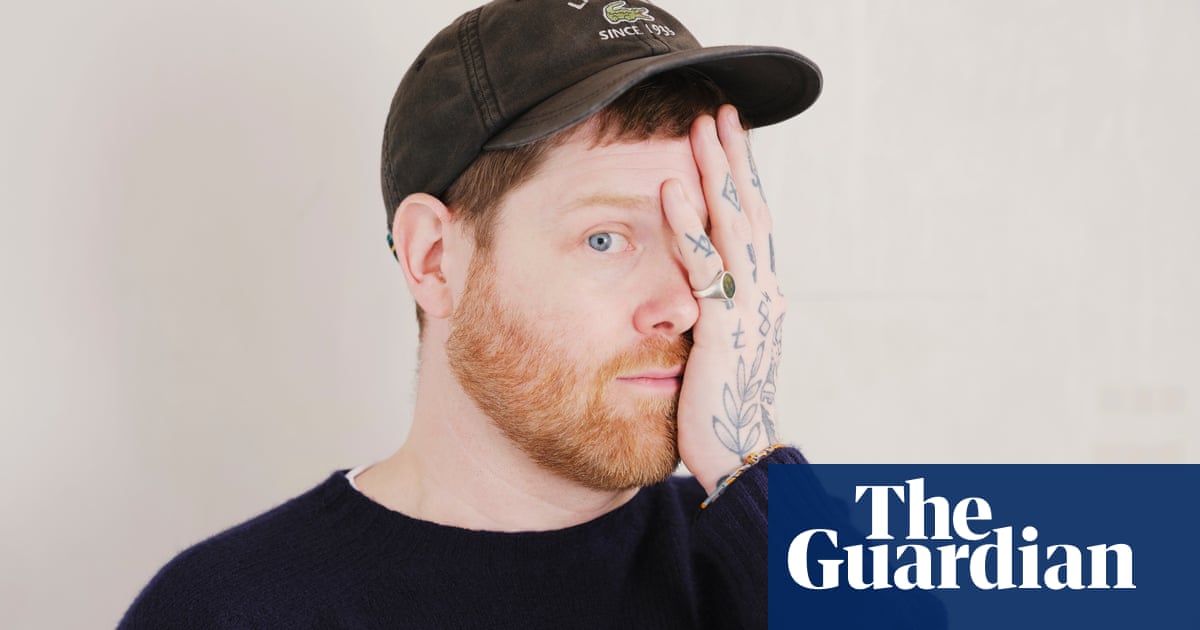
Orlando Whitfield, a former friend of art dealer Inigo Philbrick, details the inside story of the biggest art fraud in American history in his book "All That Glitters." Philbrick swindled millions of dollars from friends, business associates, investors, and collectors through a series of fraudulent art deals, leading to his imprisonment and a seven-year sentence for wire fraud. Whitfield describes the corrupt and unregulated art market as a world of drugs, luxury, and manipulation, ultimately leading to his own breakdown and decision to leave the art dealing industry.
Brian Walshe, charged with killing his wife, has been sentenced to 37 months in prison for selling fake Andy Warhol paintings in an unrelated case. He pleaded guilty to wire fraud, interstate transportation for a scheme to defraud, and unlawful monetary transaction. Walshe is also facing state charges, including first-degree murder, in connection with his wife's disappearance on New Year's Day of 2023. Prosecutors have alleged that Walshe killed his wife and disposed of her body.
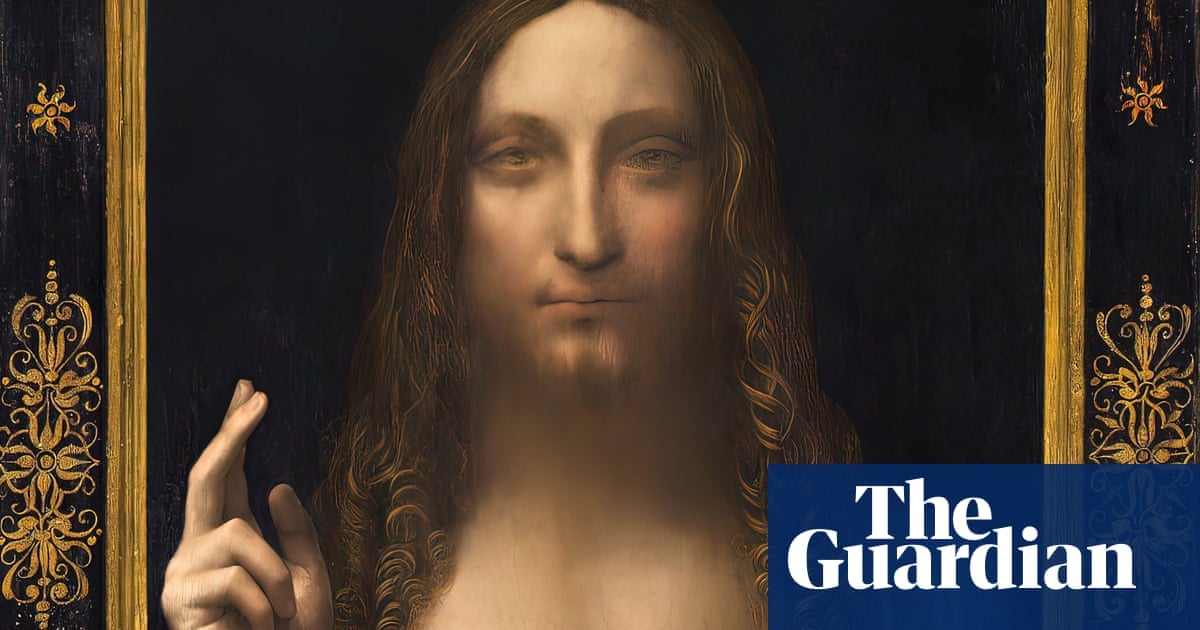
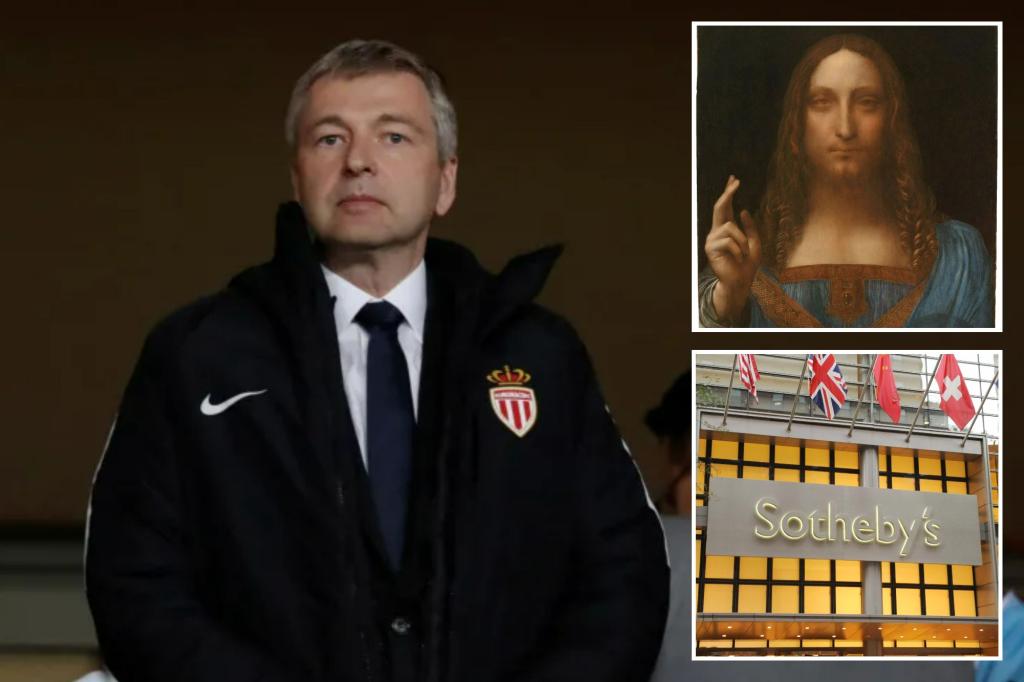
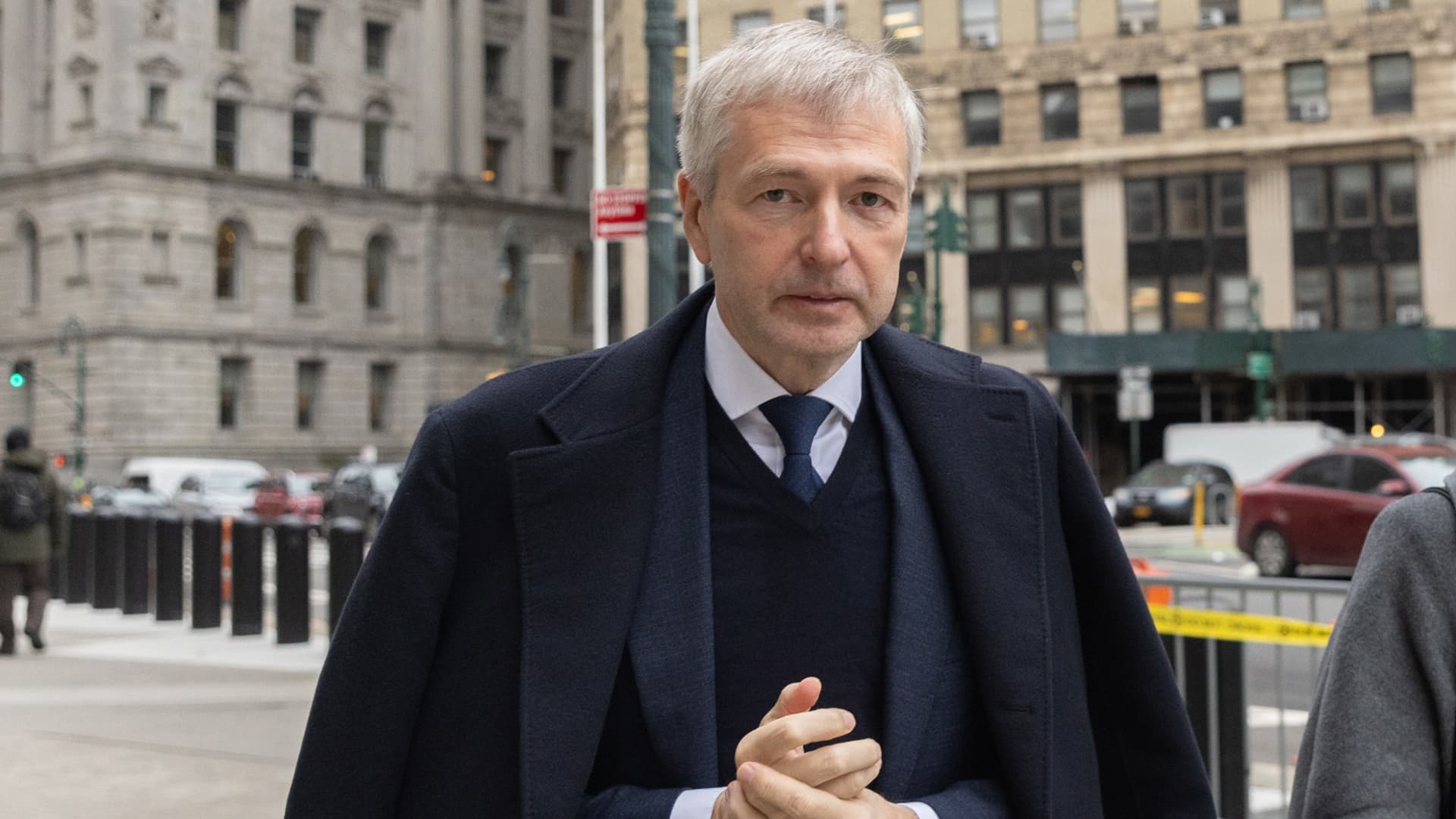
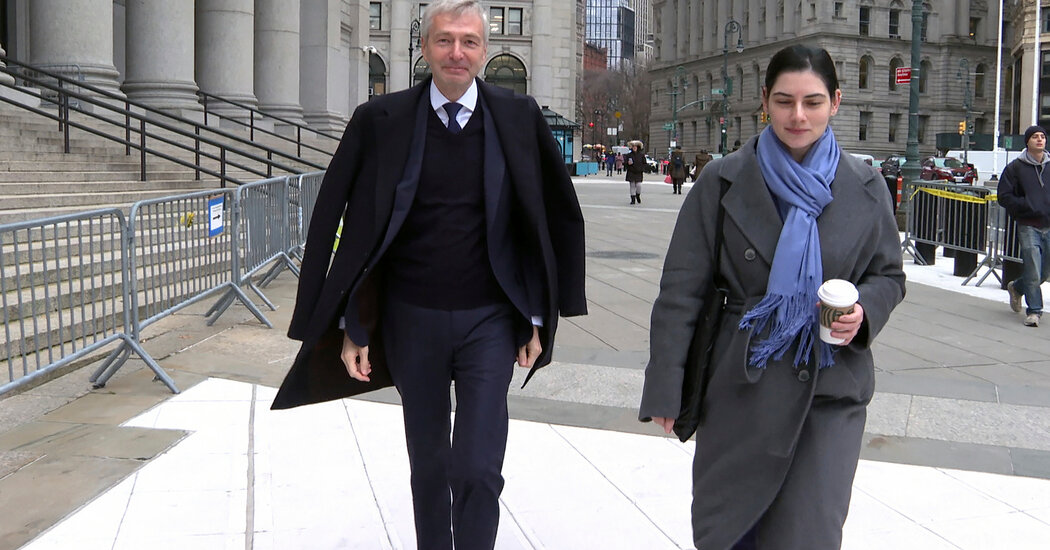
Russian billionaire Dmitry Rybolovlev loses his case against Sotheby’s, alleging the auction house helped a Swiss art dealer cheat him out of over $160 million by imposing huge markups on artworks. The jury's decision is seen as a vindication for Sotheby’s, which maintained it knew nothing of any misconduct. Rybolovlev's lawyer called for reforms in the art market, emphasizing the lack of transparency. The case centered on allegations of fraud involving several artworks, including da Vinci’s “Salvator Mundi,” which Rybolovlev sold for a historic $450 million in 2017.
Russian billionaire Dmitry Rybolovlev has lost a case against Sotheby’s, accusing the auction house of defrauding him in art sales, including the purchase of Salvator Mundi attributed to Leonardo da Vinci. The jury ruled in favor of Sotheby’s, stating that it adhered to legal requirements and industry best practices. The case shed light on the lack of transparency in the art market, and although Rybolovlev was allowed to sue over Salvator Mundi, the verdict reflected a lack of evidence of cheating by Sotheby’s.
Russian billionaire Dmitry Rybolovlev lost a legal battle against Sotheby's, alleging that the auction house helped a Swiss art dealer cheat him out of over $160 million by imposing huge markups on works he acquired, including the famous painting "the lost Leonardo." The jury sided with Sotheby's, which maintained it knew nothing of any misconduct and emphasized its commitment to integrity and professionalism in the art market. Rybolovlev's lawyer called for reforms in the art market, while Sotheby's lawyer argued that the businessman didn't take enough steps to guard against being conned.
Sotheby's wins a federal jury trial against Russian billionaire Dmitry Rybolovlev, who accused the auction house of defrauding him in art sales, including the purchase of "Salvator Mundi" attributed to Leonardo da Vinci. The jury ruled in favor of Sotheby's, stating it had no knowledge of any deception by Swiss art dealer Yves Bouvier, and rejected Rybolovlev's claims of inflated prices. The case sheds light on transparency issues in the art market and has been one of the highest-profile art fraud disputes in recent years.
Sotheby's wins a federal jury trial against Russian billionaire Dmitry Rybolovlev, who accused the auction house of defrauding him in art sales totaling tens of millions of dollars. The case centered around the purchase of several artworks, including the famous "Salvator Mundi" attributed to Leonardo da Vinci. Sotheby's maintained it had no knowledge of any wrongdoing and was not liable for the actions of the Swiss art dealer involved. The case shed light on the lack of transparency in the art market, and the jury's verdict reaffirmed Sotheby's commitment to integrity and professionalism.
A federal jury in New York ruled in favor of Sotheby's, rejecting Russian oligarch Dmitry Rybolovlev's claim that the auction house had assisted a Swiss dealer in defrauding him of tens of millions of dollars in high-end art sales. The jury found that Sotheby's was unaware of any scheme and focused on selling art at the highest possible price to the buyer, whom they believed to be the dealer. Sotheby's stated that the verdict reaffirmed its commitment to integrity and professionalism, while the trial provided insight into the inner workings of the art trade.
Russian billionaire Dmitry Rybolovlev lost a lawsuit against Sotheby's, accusing the auction house of helping an art buyer defraud him by overpaying for art. The jury found for Sotheby's on all counts, relating to over $100 million in art purchases. The case involved art buyer Yves Bouvier, who allegedly inflated prices, with Sotheby's allegedly helping justify the fraudulent prices. Sotheby's denied any knowledge or participation in misconduct. Rybolovlev settled claims against Bouvier, and his lawyer highlighted the need for art market reforms.
An aide to Russian billionaire Dmitry Rybolovlev testified in a Manhattan court that a Sotheby's expert's opinions were used to persuade them to overpay for art, as part of a case against Sotheby's for allegedly helping a Swiss art dealer defraud Rybolovlev. The dealer, Yves Bouvier, denies any wrongdoing and claims he operated as an independent dealer. Sotheby's maintains it was not aware of any fraud and that Rybolovlev should have taken reasonable measures to protect himself. The trial is shedding light on the secretive art trade and is expected to last about six weeks.
Russian billionaire Dmitry Rybolovlev accuses Sotheby's of participating in an elaborate fraud that led to him losing tens of millions of dollars on art purchases, including works by Picasso and da Vinci. Sotheby's denies any knowledge or participation in the alleged misconduct, while Rybolovlev's lawyer claims that a trusted art broker, Yves Bouvier, secretly marked up prices and pocketed millions. The trial sheds light on high-stakes art transactions and their significance to auction houses, with Rybolovlev expected to testify.
Sotheby's is being accused by Russian billionaire Dmitry Rybolovlev of participating in an elaborate fraud that resulted in him losing tens of millions of dollars on art purchases, including works by Picasso and da Vinci. Sotheby's denies any knowledge of wrongdoing and insists that Rybolovlev failed to protect himself from a broker who cheated him. The trial is expected to shed light on high-stakes art transactions and their significance to auction houses, with Rybolovlev set to testify. The case revolves around art purchases made through Rybolovlev's companies, with his lawyer alleging that an art broker, Yves Bouvier, engaged in secret markups and defrauded him.
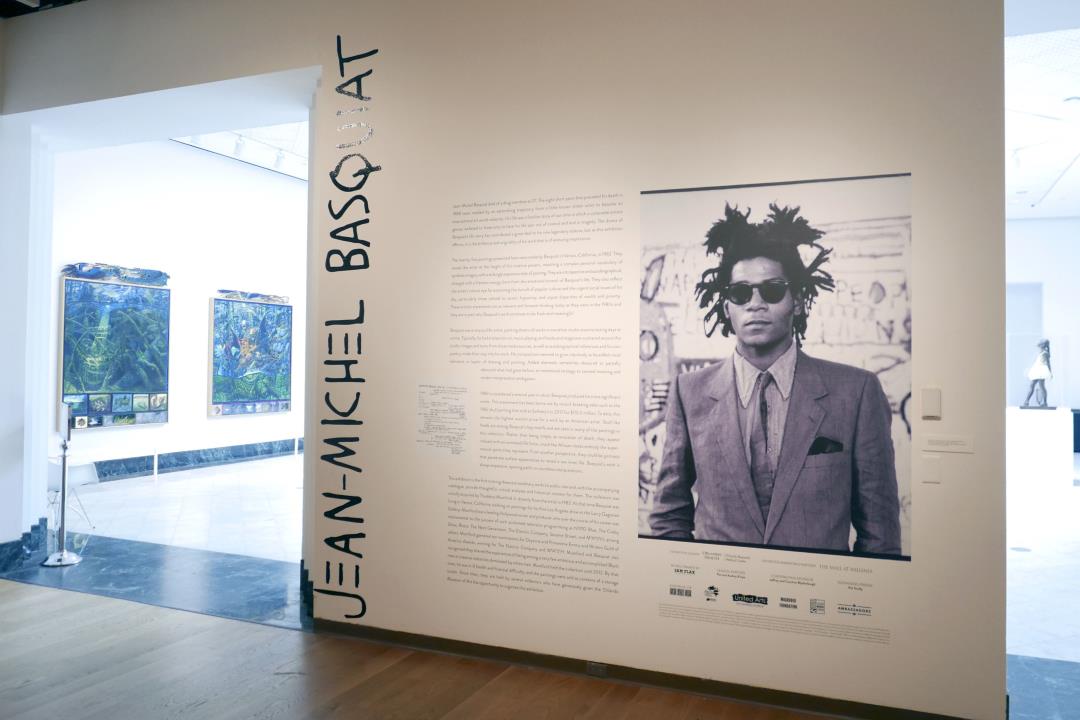
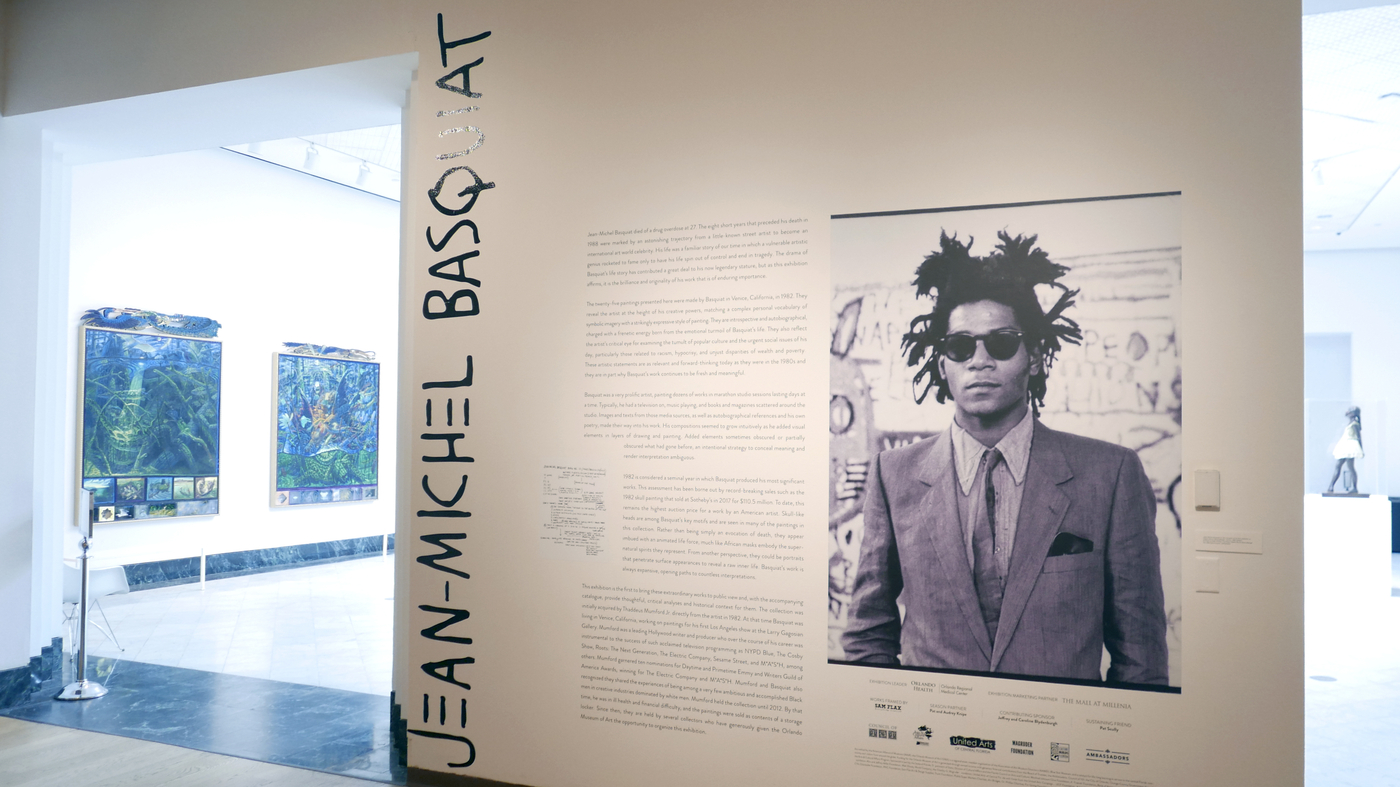
An auctioneer from California, Michael Barzman, has admitted to creating between 20 and 30 fake paintings that he sold as authentic Jean-Michel Basquiats. Many of these paintings ended up in an exhibit at the Orlando Museum of Art. Barzman worked with another person, identified as JF, to create the works, with JF spending just five to 30 minutes on each. Barzman created false provenance documents to back a story that the paintings had been sold to a screenwriter, who kept them in a storage unit whose contents Barzman bought. Barzman is now facing up to five years in prison on a charge of lying to the FBI.
Michael Barzman, a former auctioneer, has pleaded guilty to selling fake Jean Michel-Basquiat paintings, which he and another man created and sold on eBay and through Barzman's auction business. Barzman admitted to lying about the origin of the paintings and falsely attributing them to a well-known screenwriter's storage unit. The fake artwork made its way to an exhibit in the Orlando Museum of Art, where the FBI seized 25 of the counterfeit pieces. Making false statements to a government agency carries a maximum penalty of five years in federal prison.