Rob Pike was upset after receiving an unsolicited 'thank you' email generated by AI agents from the Sage project, highlighting ongoing debates about AI's role, responsibility, and ethics in automated actions. The incident underscores concerns about AI autonomy, human accountability, and the societal impact of AI-driven communication, with some arguing that humans remain responsible for AI actions, while others see the rise of autonomous agents as a need for new laws.
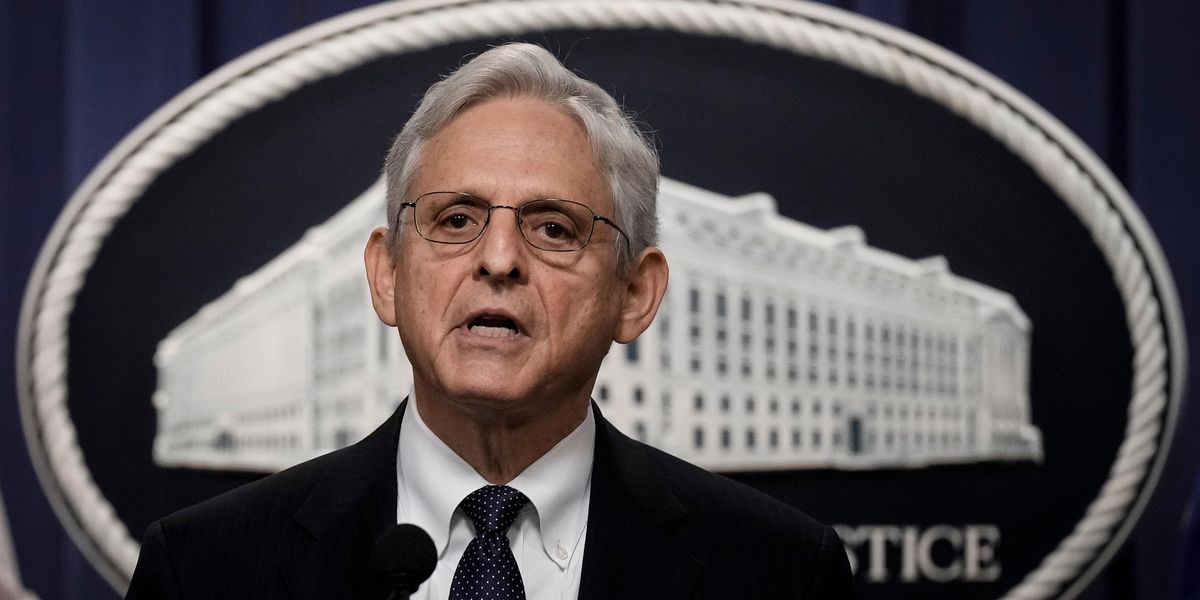
Congressional Democrats Sen. Sheldon Whitehouse and Rep. Jamie Raskin have urged U.S. Attorney General Merrick Garland to investigate the fossil fuel industry for spreading climate change disinformation and obstructing green initiatives. Their call follows a three-year investigation revealing the industry's long-term deceit and parallels to Big Tobacco's disinformation tactics. Public interest groups and state attorneys general support the call for legal action, emphasizing the industry's significant harm to public health and safety.
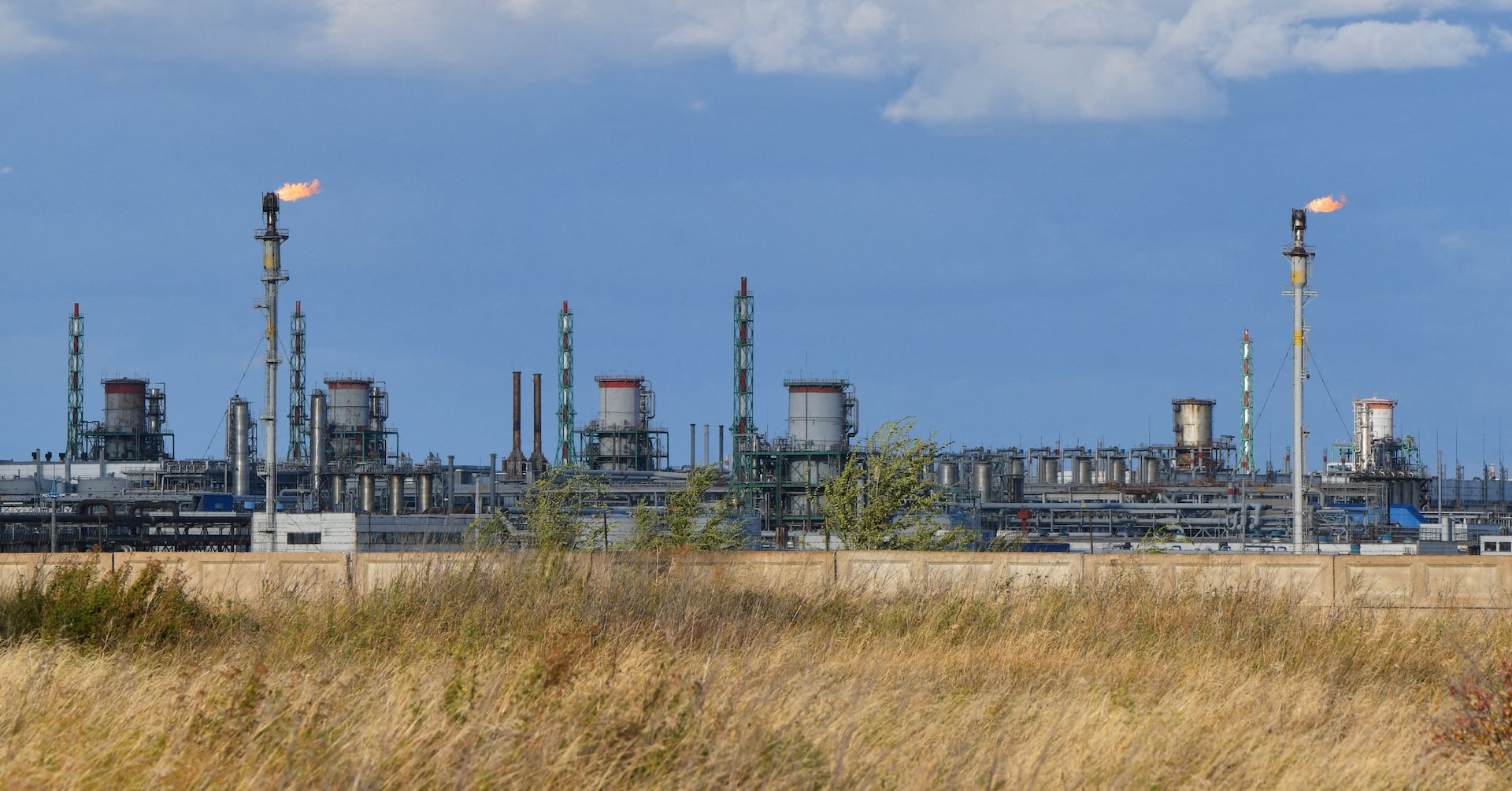
A report by non-profit think tank InfluenceMap reveals that 80% of global CO2 emissions from 2016 to 2022 can be attributed to 57 fossil fuel and cement producers, including state-owned firms and investor-owned companies. The top three emitters were Saudi Aramco, Gazprom, and Coal India. Despite commitments to curb climate change, these companies have expanded fossil fuel production, leading to a rise in emissions. The report aims to increase transparency and could be used in legal cases, academic research, and by investors to hold these producers accountable for climate damages.
Despite recent complications, legal experts believe there is still a chance that Donald Trump will face legal accountability for his attempts to overturn the 2020 election before Election Day. The Supreme Court's decision to schedule arguments on Trump's immunity claim may impact the federal trial, while efforts to disqualify the prosecutor in the state case in Georgia have caused delays. However, experts suggest that both trials could still commence before November if certain decisions are made promptly.
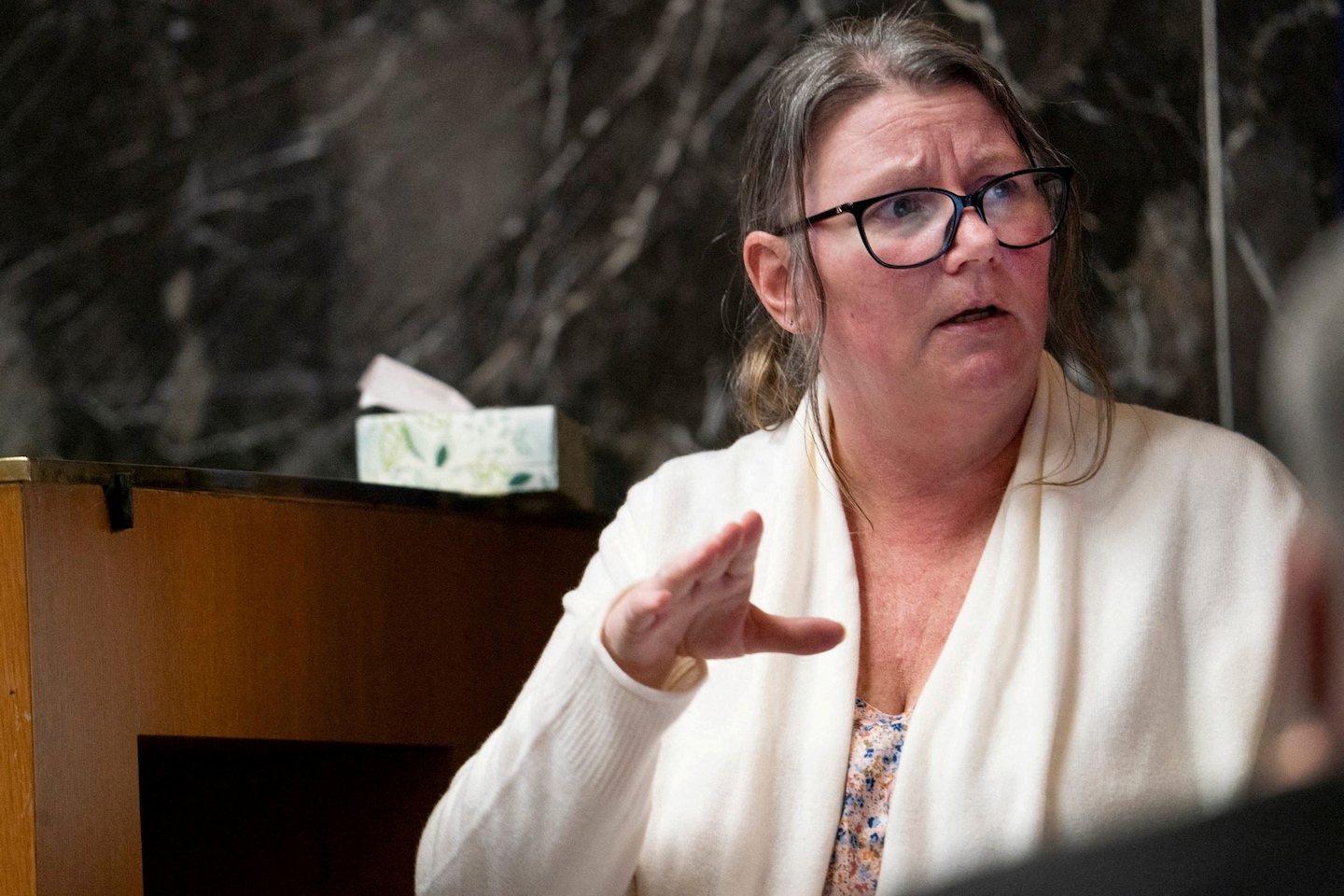
Jennifer Crumbley, the mother of a school shooter, was found guilty of involuntary manslaughter, marking a historic case that holds parents accountable for their child's actions. The verdict is seen as a potential deterrent for future mass shootings, prompting gun owners to take precautions such as safely storing firearms and detecting warning signs of violence. Legal experts and gun-safety advocates believe the conviction will send a clear message about the profound effects of decisions made in homes with firearms. While the verdict may not deter every parent, it could galvanize communities to take further action, as evidenced by Michigan passing new gun-safety laws in response to recent shootings. However, there are concerns that successful prosecutions like Crumbley's may pressure less negligent parents into accepting plea deals, potentially leading to unintended consequences.
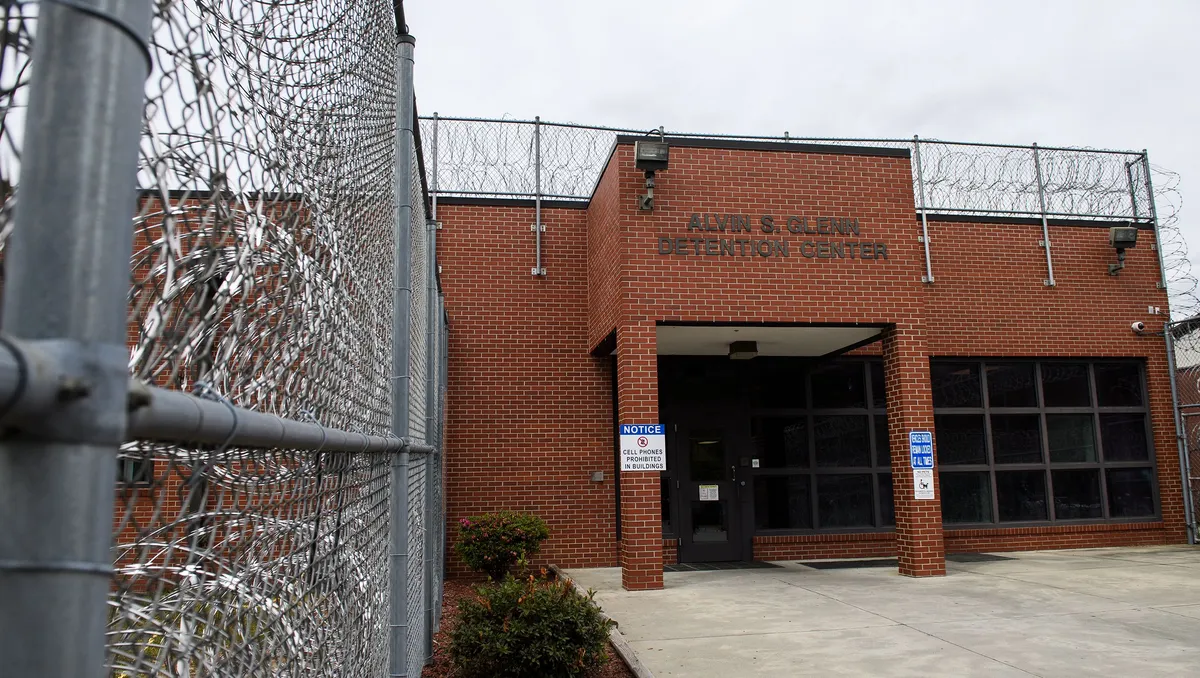
Attorneys for a 21-year-old inmate in South Carolina have spoken out about their client's repeated sexual assaults while in jail. The inmate, who is awaiting trial for a drug charge, alleges that he was raped by multiple inmates and a detention center guard. The attorneys criticize the jail staff for returning the victim to the same dorm where the first assault occurred, allowing him to be assaulted again. Sexual victimization of adult inmates is an ongoing problem in jails and prisons across the country, with staff sexual misconduct often underreported and rarely resulting in legal consequences. The attorneys are representing other clients who have experienced similar issues at the Alvin S. Glenn Detention Center and have requested a federal investigation into the jail's conditions.
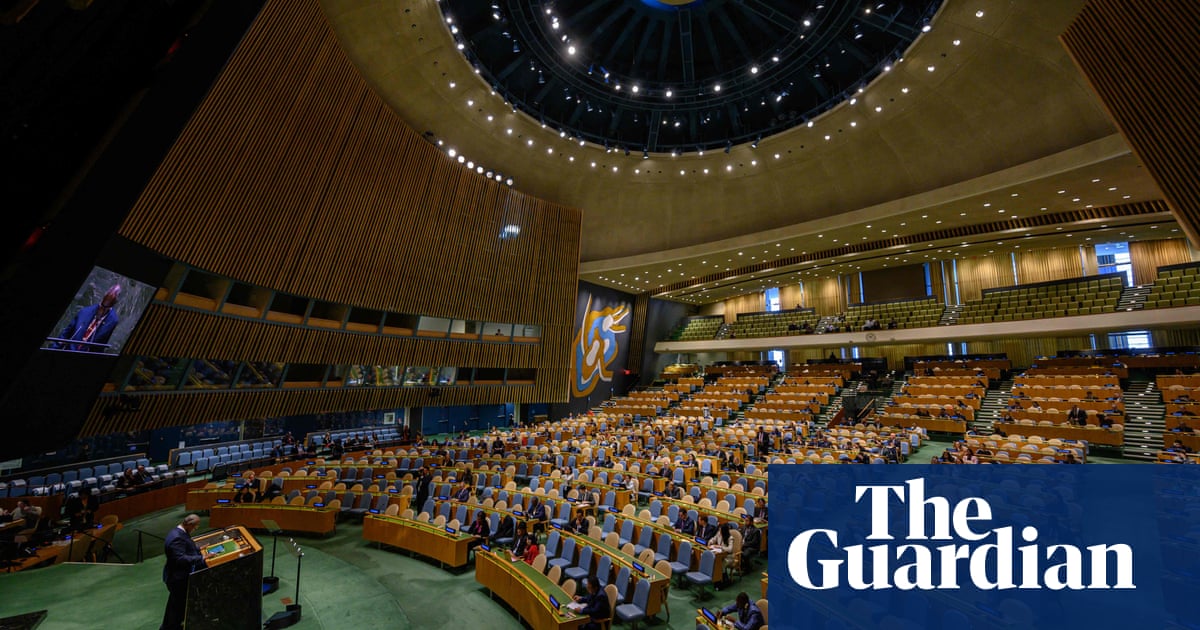
The UN General Assembly has adopted a resolution spearheaded by Vanuatu and youth activists to secure a legal opinion from the International Court of Justice (ICJ) to clarify states’ obligations to tackle the climate crisis and specify any consequences countries should face for inaction. The resolution, co-sponsored by more than 120 countries including the UK, but not the US, will help establish a legal litmus test for the global climate justice movement seeking to hold countries to account for climate failures in the courts. The ICJ advisory will help establish whether there is a legal obligation for countries to do what they have committed to in non-binding treaties such as the 2015 Paris climate accord, and whether failure to do so can be challenged through litigation.