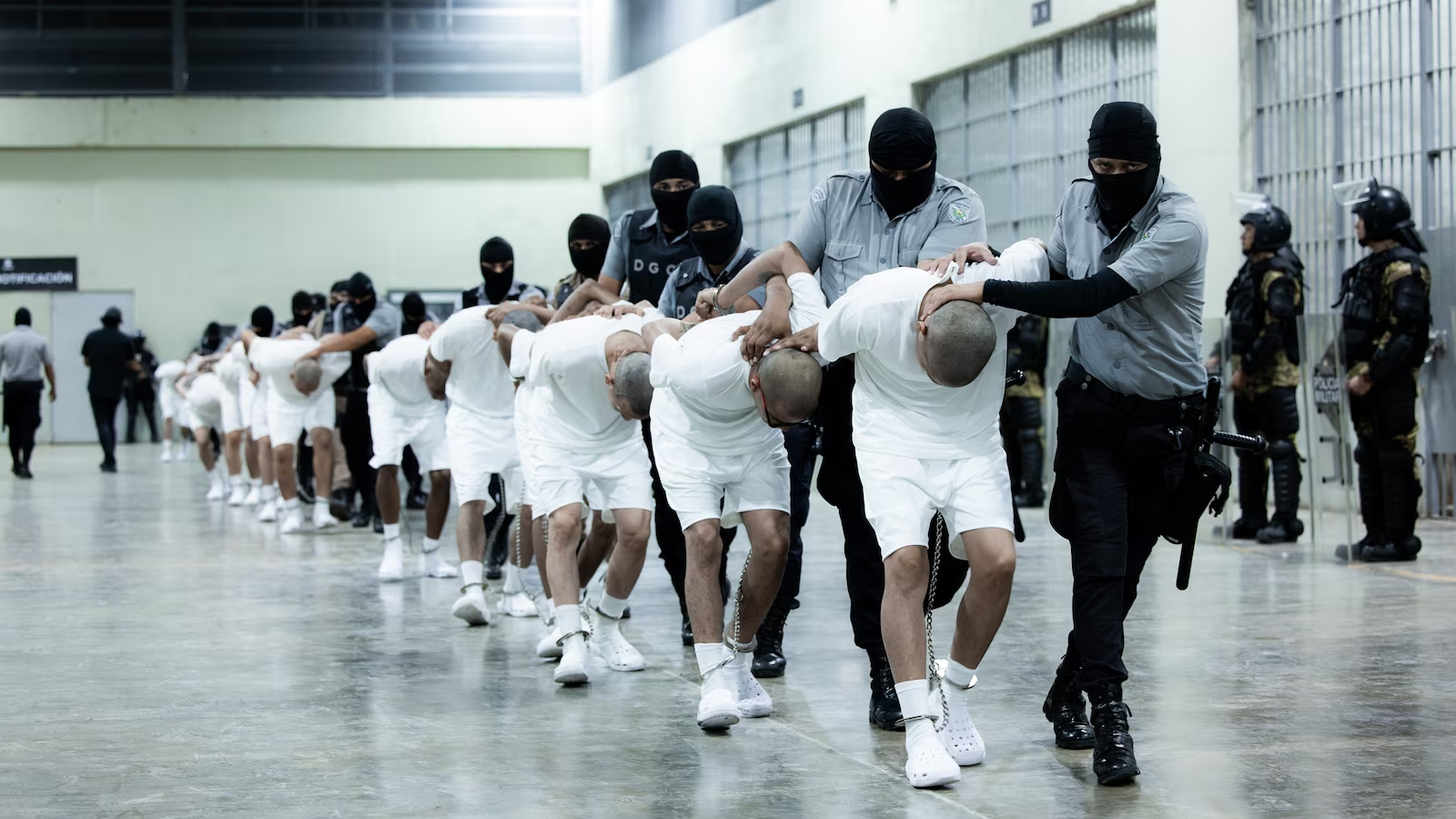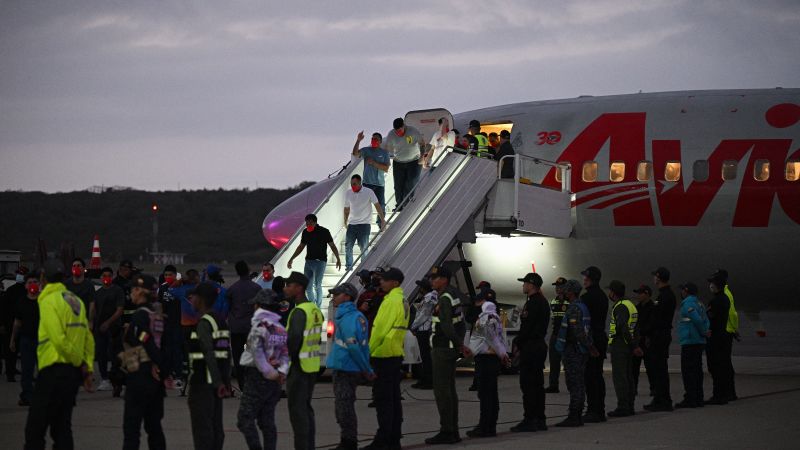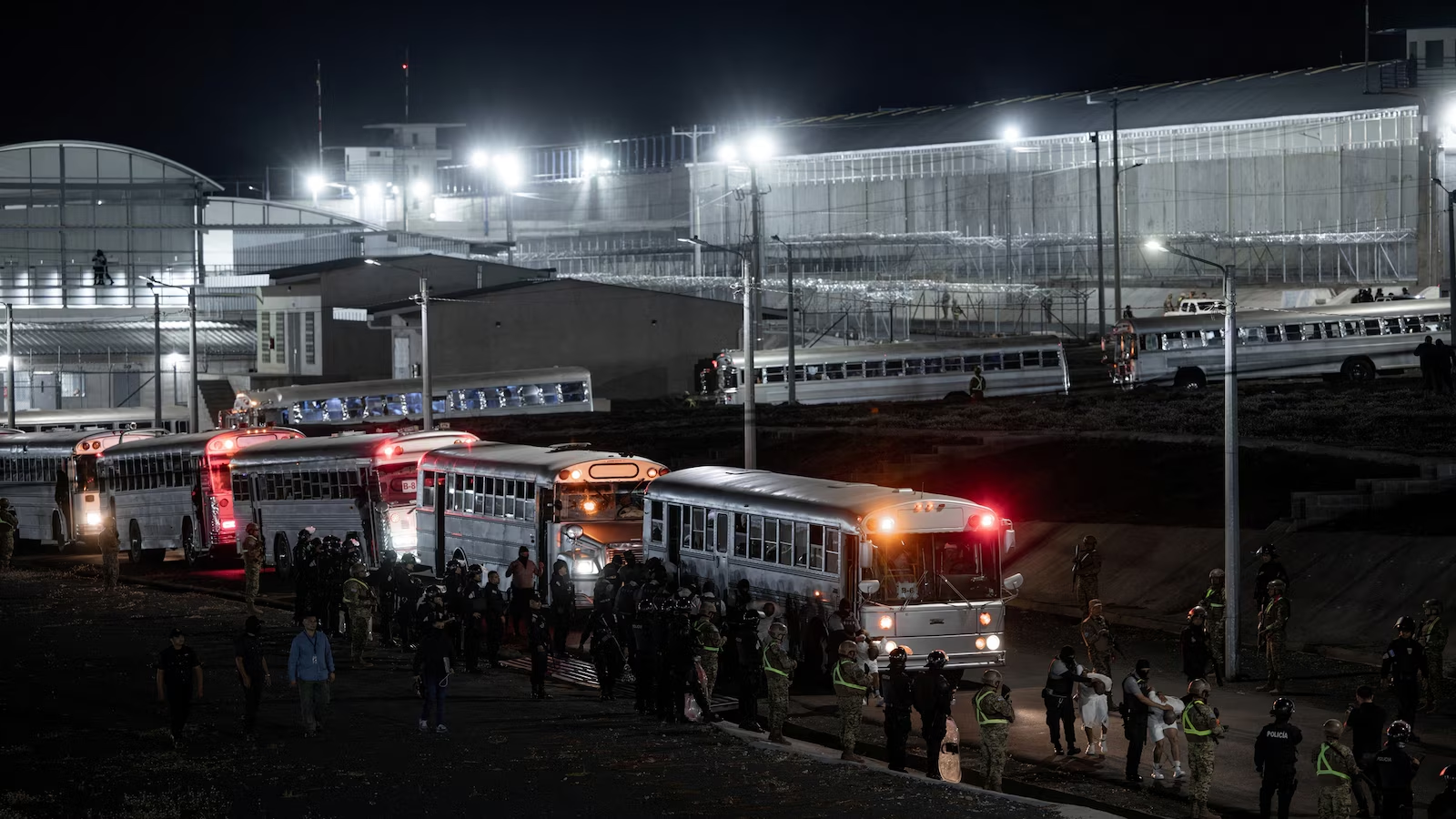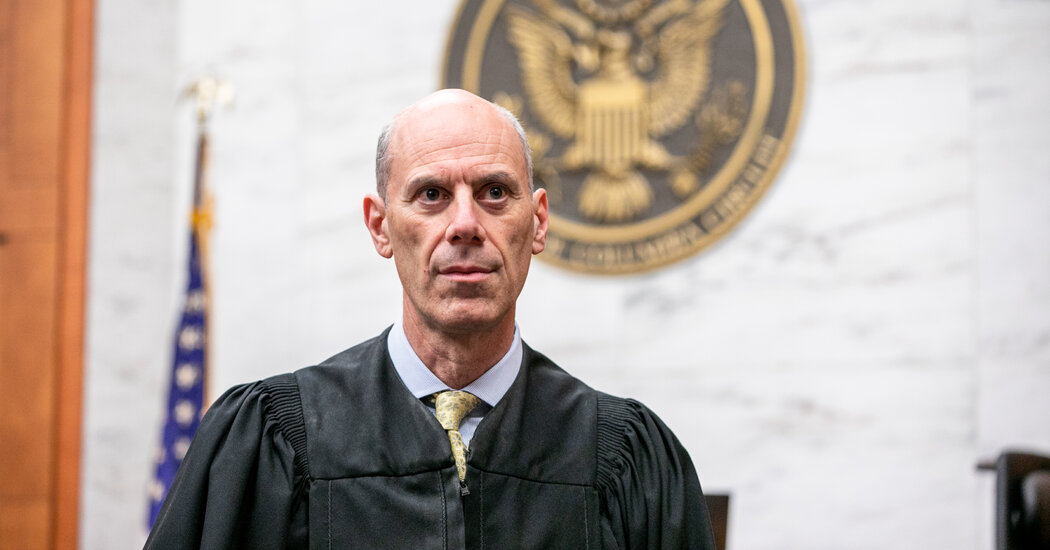
A U.S. federal judge ordered the Trump administration to submit plans to provide hearings or facilitate the return of over 200 migrants deported to El Salvador's CECOT prison under the Alien Enemies Act, citing violations of due process and the need for fair contest of their designation as members of a criminal gang.
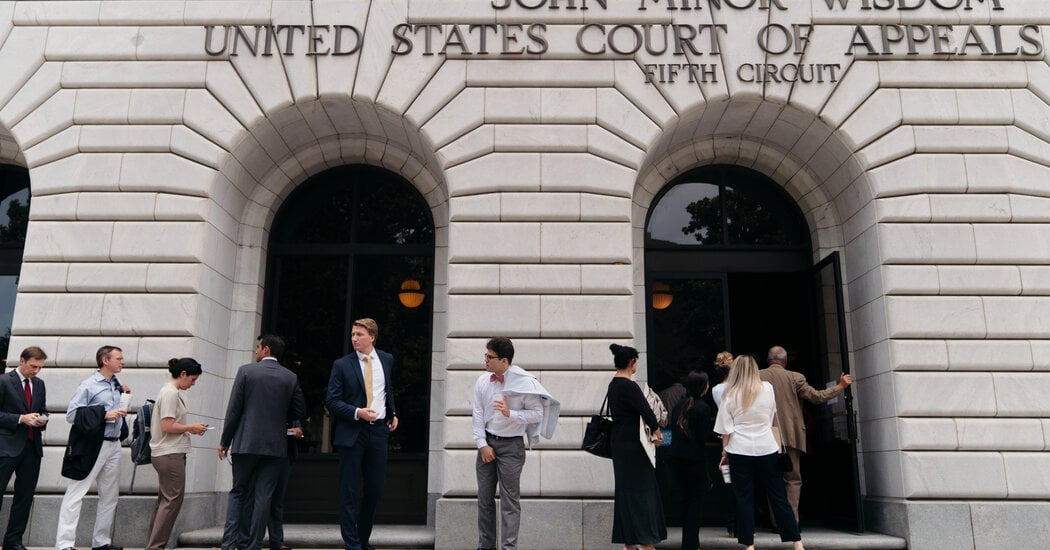
A U.S. appeals court blocked President Trump's attempt to use the 18th-century Alien Enemies Act to deport Venezuelan immigrants accused of gang membership, ruling that immigration does not equate to a military invasion, which could impact Trump's broader anti-immigration policies. The case may return to the Supreme Court for further review.
A federal appeals court blocked Trump's use of the 1798 Alien Enemies Act to deport Venezuelan migrants, ruling that their presence did not constitute an invasion or wartime threat, marking a significant legal setback for the administration's immigration policies and likely heading to the Supreme Court.
A U.S. appeals court blocked President Trump from using the 18th-century Alien Enemies Act to deport Venezuelan migrants, ruling that the law did not apply as there was no invasion or incursion by a foreign power, marking a setback for the administration's deportation efforts.
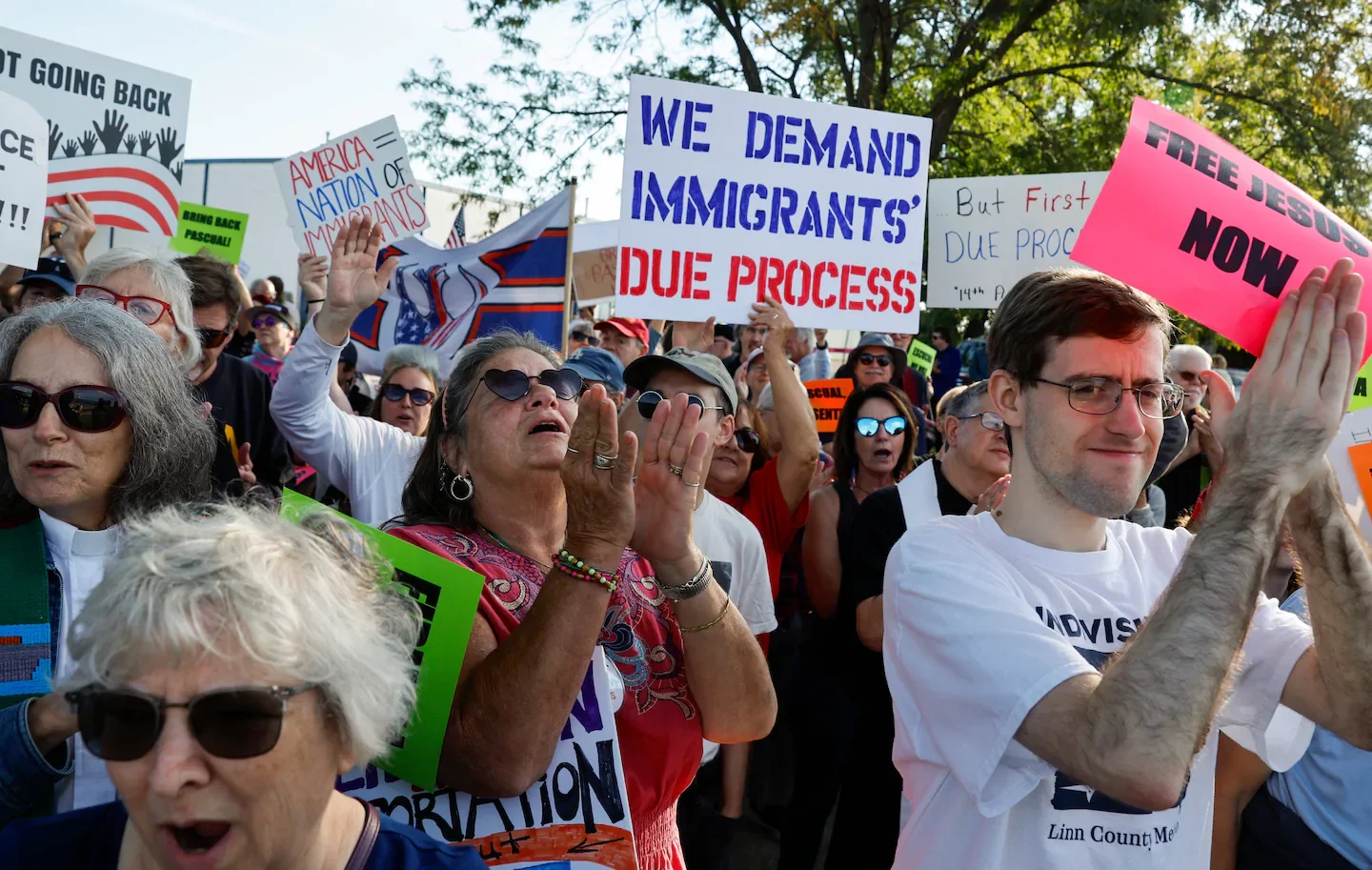
A U.S. appeals court blocked the Trump administration from using the Alien Enemies Act of 1798 to quickly deport Venezuelans suspected of gang membership, ruling that the law cannot be applied to mass immigration scenarios lacking an invasion or incursion, emphasizing the importance of due process in deportation cases.
A federal appeals court blocked President Trump's use of the Alien Enemies Act to deport Venezuelans accused of gang membership, citing that wartime powers should not be used during peacetime for immigration enforcement, potentially leading to a Supreme Court review.
An appeals court rejected former President Trump's attempt to deport Venezuelan immigrants labeled as 'alien enemies' under the Alien Enemies Act, citing lack of evidence of an invasion and emphasizing the availability of other legal tools for deportation. This decision follows multiple legal challenges and Supreme Court interventions that have limited Trump's use of the Act for mass deportations.
A divided federal appeals court ruled that President Trump unlawfully invoked the Alien Enemies Act to deport alleged Venezuelan gang members, blocking its use in several southern states and signaling a potential Supreme Court review of the issue.
An appeals court panel dismissed Judge Boasberg’s contempt proceedings related to deportations under the Alien Enemies Act, citing the Supreme Court's rejection of his original order and recent developments in the deportation case, with dissenting opinions emphasizing judicial authority and the pressures faced by the judge.
An appeals court blocked contempt proceedings against Trump officials over deportation flights, ruling that a judge abused his authority, and highlighting ongoing legal disputes over the use of the Alien Enemies Act and executive power in immigration enforcement.
The Maduro regime will facilitate the return of deported individuals under the Alien Enemies Act if ordered by US courts, potentially ending a legal dispute over the deportation of Venezuelan men and the detention of Americans in Venezuela, amid ongoing tensions and legal battles involving the Trump administration.
A federal judge has ordered the Trump administration to allow approximately 200 deported migrants to challenge their detention and removal under the Alien Enemies Act, emphasizing their right to due process despite national security concerns. The administration must develop a plan by June 11 to facilitate this legal process, marking a significant development in the ongoing legal dispute over the deportations to El Salvador.
A federal judge ordered the Trump administration to provide due process to nearly 140 Venezuelan migrants deported to El Salvador under the Alien Enemies Act, criticizing the lack of hearings and fairness in their expulsion, and highlighting the need for legal rights even in wartime deportations.
A federal judge ordered the Trump administration to provide due process to migrants deported to El Salvador under the Alien Enemies Act, allowing them to challenge their detention and removal, highlighting concerns over the legality and fairness of the deportations carried out swiftly and without proper judicial review.
President-elect Donald Trump plans to invoke the Alien Enemies Act of 1798 to target and deport migrant criminal networks, claiming it provides significant authority to bypass the immigration court system. Legal experts argue that using the law, which was historically applied during declared wars, could face legal challenges as it may not apply to current circumstances. The act has a controversial history, having been used during World War II to intern nationals from enemy countries, and its potential use today raises concerns about discrimination and due process.