The article explores the ambiguity in defining what constitutes a moon, highlighting the discovery of quasi-moons and mini-moons around Earth and other planets, and discusses the ongoing debate among scientists about proper terminology and classifications in astronomy.
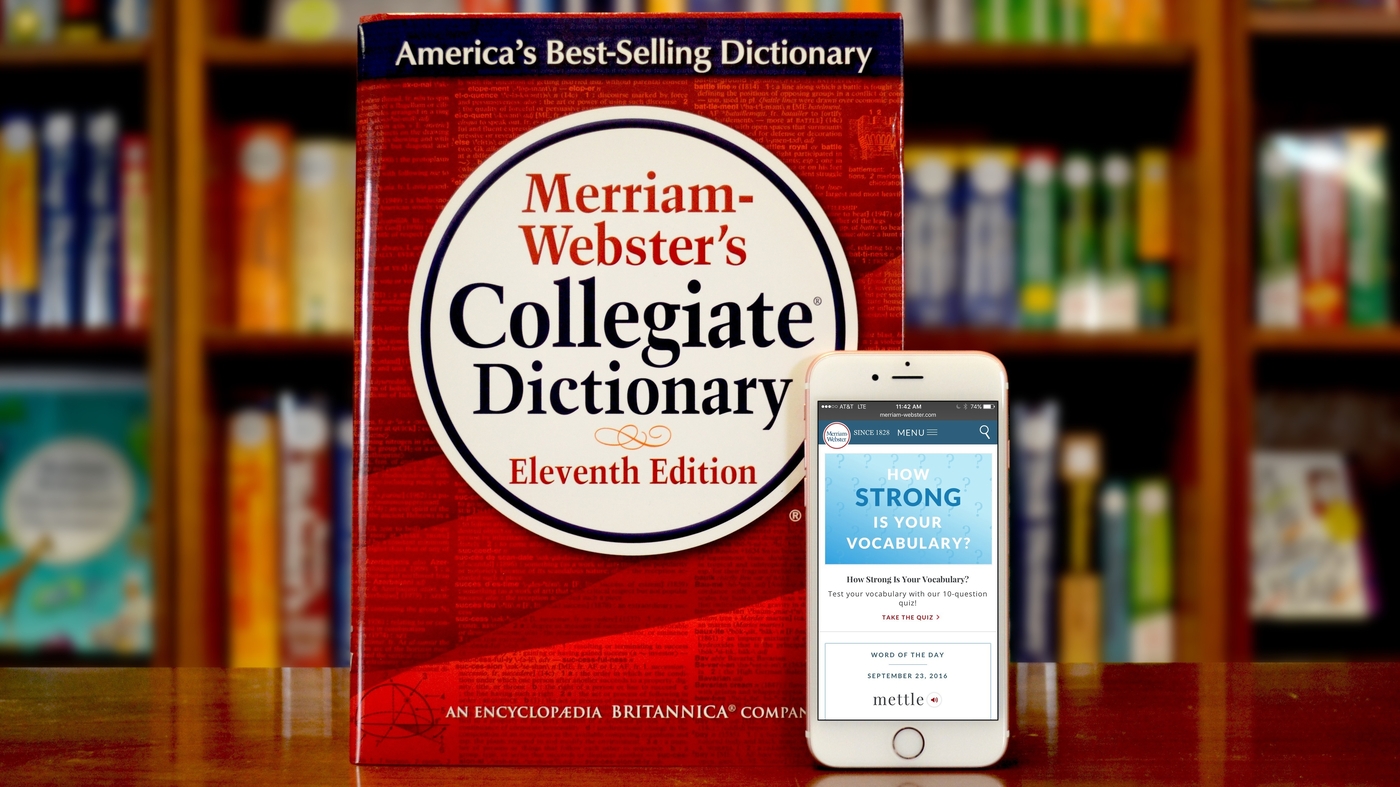
Merriam-Webster has chosen "authentic" as its word of the year for 2023, reflecting the ongoing debate and difficulty in defining the term. The word saw a substantial increase in look-ups, as people sought to understand its various meanings and connotations in a changing age. Other notable words in the look-up data included coronation, dystopian, EGOT, and deepfake, highlighting the connection between language and current events.
Merriam-Webster has announced "authentic" as its word of the year for 2023, reflecting a crisis of authenticity in an age of deepfakes and post-truth. The increased interest in the word throughout the year signifies a growing recognition of the importance of authenticity in various aspects of life. Other notable words that attracted attention include "rizz," "kibbutz," "implode," "deadname," and "doppelganger."
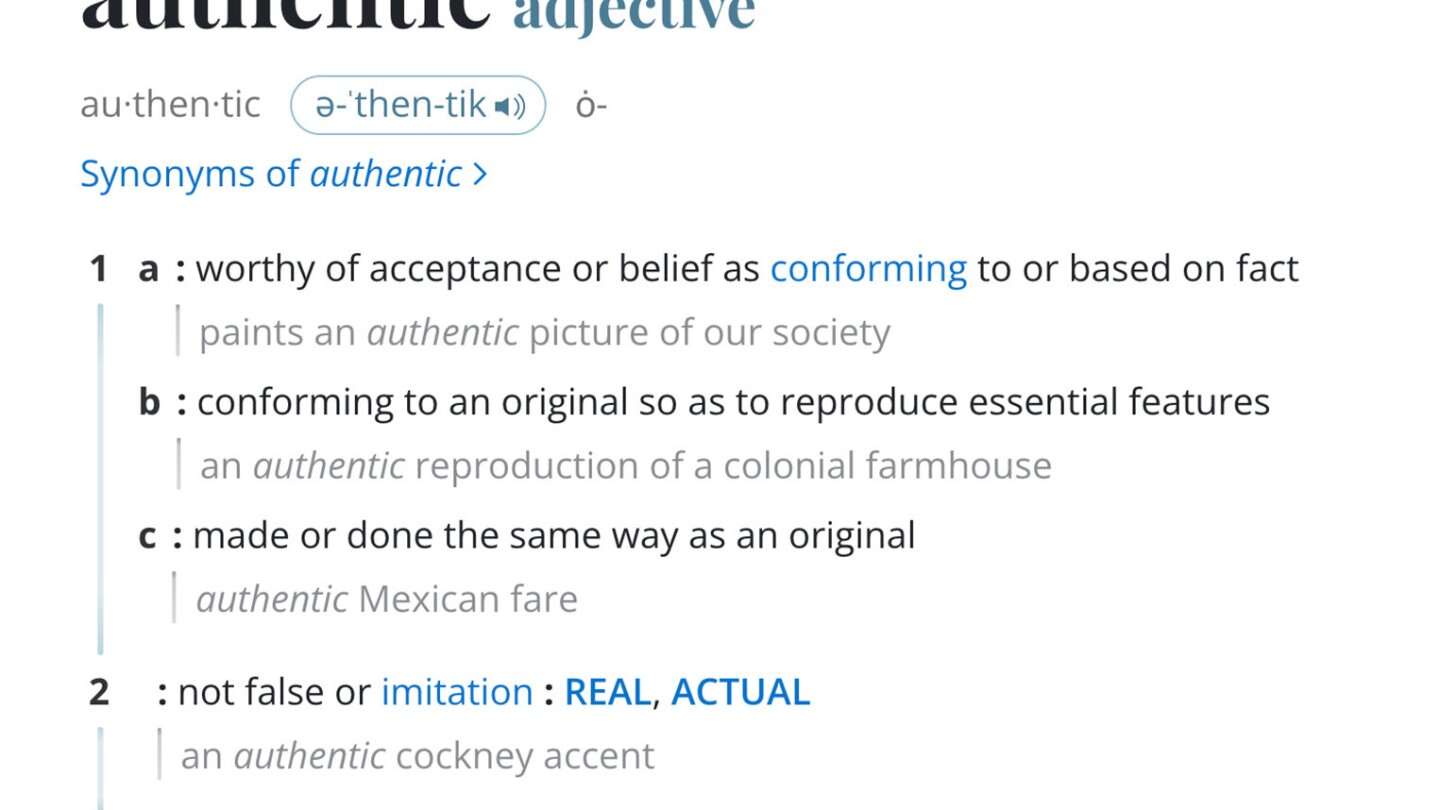
Merriam-Webster has announced "authentic" as its word of the year for 2023, reflecting a crisis of authenticity in an age of deepfakes and post-truth. The increased interest in the word throughout the year is attributed to the rise of artificial intelligence, leadership crises, and public figures like Taylor Swift and Prince Harry seeking authenticity in their words and actions. Merriam-Webster's definition of "authentic" encompasses various meanings, including being real, true to oneself, conforming to an original, and reproducing essential features. Other notable words that attracted attention in 2023 include "rizz," "kibbutz," "implode," "deadname," and "doppelganger."
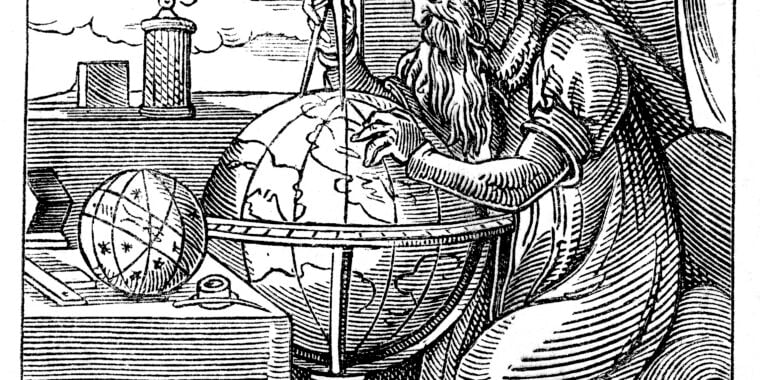
The debate over the origin of science continues as historians explore the global origins of modern science, challenging the traditional Eurocentric narrative. James Poskett's book, "Horizons," argues that science was not limited to Europe but was a global effort, influenced by various cultures and their observations of the natural world. While Poskett's broad definition of science includes organized knowledge production, it raises questions about whether certain criteria, such as experiments and models, are necessary for something to be considered science. The book highlights the importance of non-European cultures' contributions to science but does not provide a counter-argument to the broader definition.
The risks of long COVID have been distorted due to flawed research, according to a study published in BMJ Evidence-Based Medicine. The study highlights overly broad definitions and a lack of comparison groups in previous studies on long COVID, leading to increased public anxiety, misdiagnoses, and a diversion of funds from those suffering from the long-term effects of COVID-19. The researchers argue for better case definitions, inclusion of control groups, and more stringent criteria to improve the understanding and treatment of long COVID.