Scientists have developed a new drug, PP405, that reactivates dormant hair follicles by increasing lactate levels, showing promise as a potential cure for baldness. The drug has passed safety trials and is set to undergo effectiveness testing next year, offering a different approach from current treatments by actively promoting hair growth rather than just slowing loss.
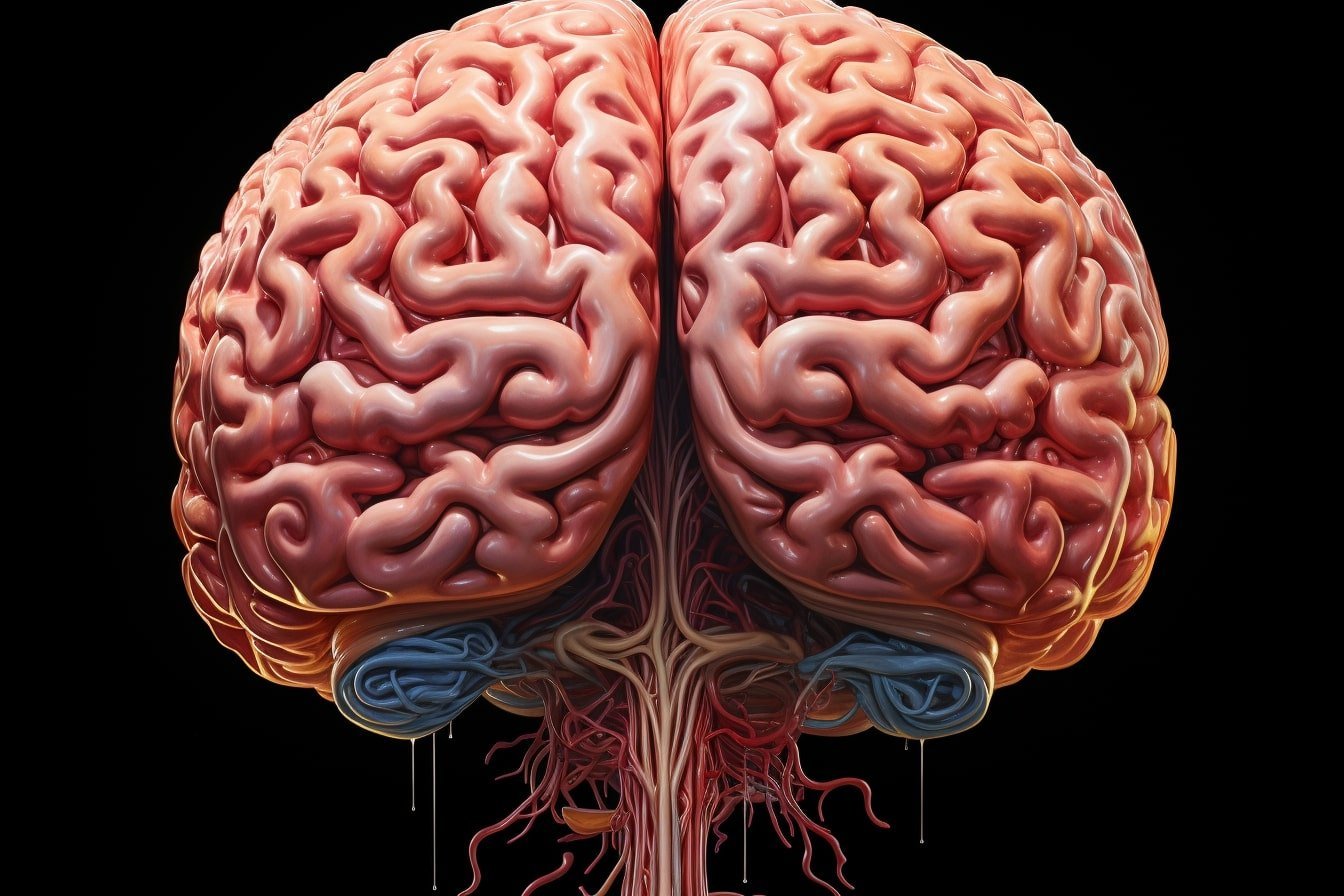
Researchers at Tohoku University have discovered that lactate, a byproduct of exercise and metabolism, plays a critical role in the development of neural stem cells into specialized neurons. Lactate sends signals to these cells, modifying and strengthening neuronal functions. The findings suggest that lactate signaling could be harnessed to prevent or control cognitive diseases. This study provides new insights into the mechanisms by which lactate affects brain development and neuronal differentiation, potentially paving the way for future therapeutic interventions.
New research suggests that high-energy workouts, even if they are quite short, can reduce a key appetite-upping hormone in many people, leading to less interest in food. The result, over time, could mean we eat less and control our weight better if we push ourselves a bit during exercise. The most striking finding was that lactate levels had soared in people's bloodstreams after the interval sessions, compared to the levels after the moderate run and the quiet sitting. Lactate partially blocked the release of acylated ghrelin from the stomach, where it normally originates, which is one of the primary hormones that increases appetite.
New research suggests that high-energy workouts, even if they are quite short, can reduce a key appetite-upping hormone in many people. The study found that brief, intense exercise had raised people’s lactate and, in the process, lowered ghrelin, one of the primary hormones that increases appetite. According to food diaries, the exercisers subsequently consumed fewer calories on the day of their high-intensity intervals, compared to the no-exercise day. The upshot is that if you’d like to keep your appetite in check after exercise, you may want to pick up the pace.
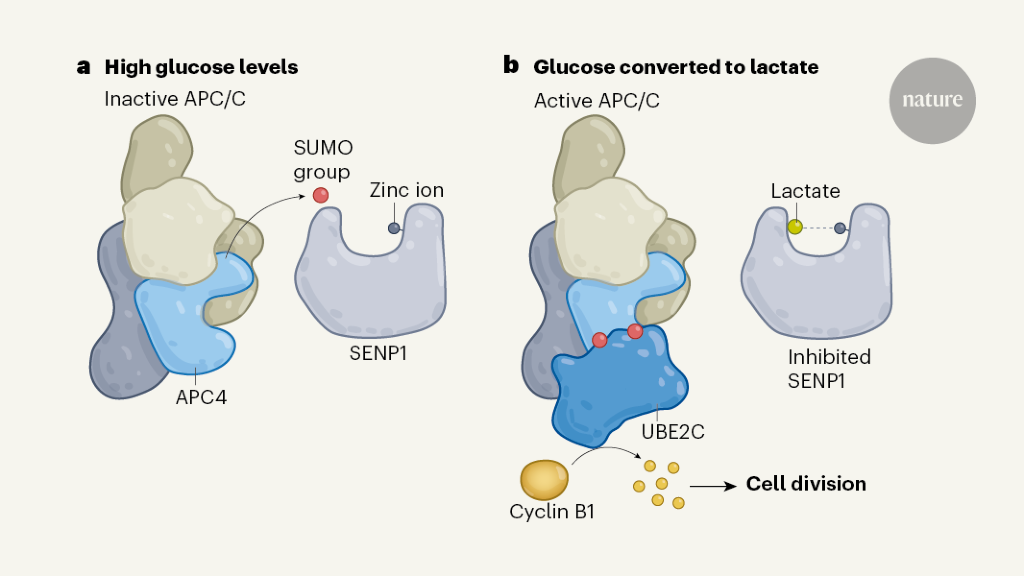
Researchers have identified a new binding partner of lactate, a molecule formed by the metabolism of glucose, which is made in high amounts by tumours and oxygen-deprived tissues. The study found that lactate aids cell proliferation by inhibiting a type of enzyme involved in cell-cycle regulation. The discovery sheds light on how cells link nutrient metabolism to the decision to divide and provides insight into the metabolic language of cancer.