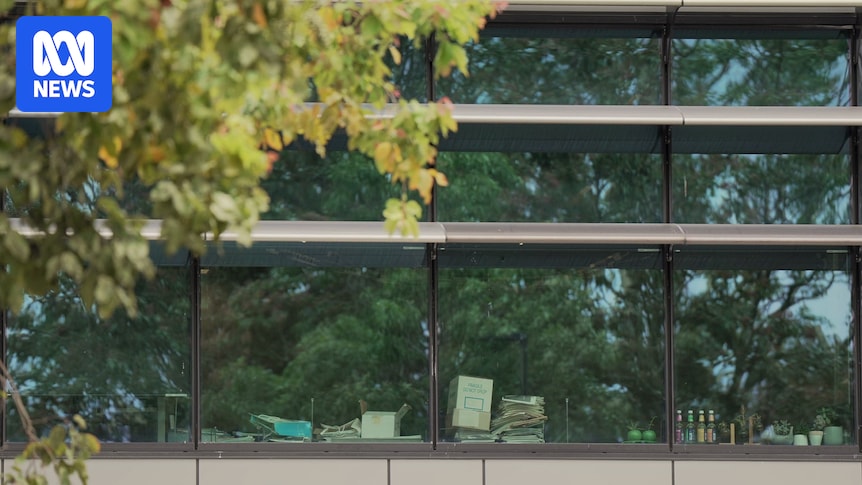
An investigation has been launched into a major biosecurity breach at a Queensland laboratory where nearly 100 live samples of the deadly Hendra virus, along with lyssavirus and hantavirus, went missing after a freezer malfunction in 2021. The breach, uncovered in August 2023, involved improper transfer procedures without necessary documentation. Despite the serious record-keeping lapse, health officials assure the public that the risk is low as the viruses degrade rapidly outside of low-temperature storage. Former Supreme Court Justice Martin Daubney will lead the investigation to review lab protocols and management.
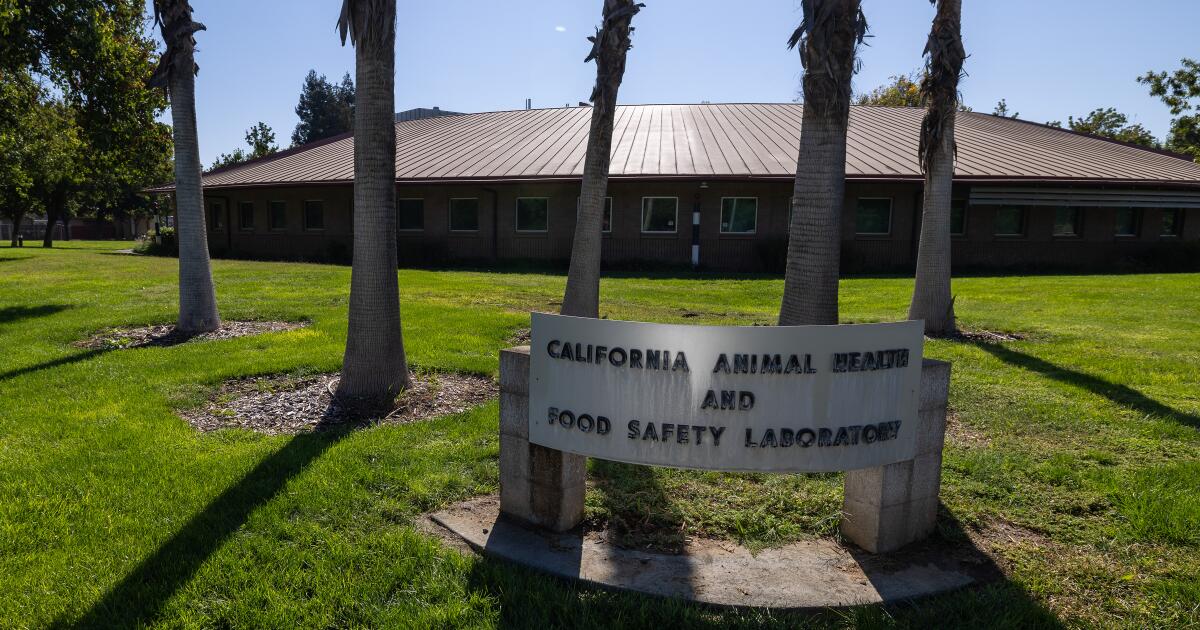
The California Animal Health and Food Safety Laboratory at UC Davis is facing significant workplace tensions due to understaffing and management issues, impacting its ability to test for the H5N1 bird flu virus. Employees report being overworked and struggling to meet testing demands, which could delay crucial responses to outbreaks. Despite denials from UC Davis officials, the lab has seen high staff turnover and errors in testing processes, raising concerns about its capacity to handle the ongoing avian flu crisis affecting California's poultry and dairy industries.
Scientists at China's Hebei Medical University have engineered a virus using parts of the Ebola virus to study its symptoms, raising concerns as the pathogen could potentially kill in three days. The study, published in Science Direct, aimed to replicate Ebola symptoms in a controlled environment to facilitate prevention strategies. The genetically modified virus caused severe systemic illnesses in lab hamsters, including multi-organ failure and vision issues. The research was conducted under approved animal experiment protocols and used a different virus to transport Ebola glycoprotein, allowing the study under less stringent biosafety conditions.
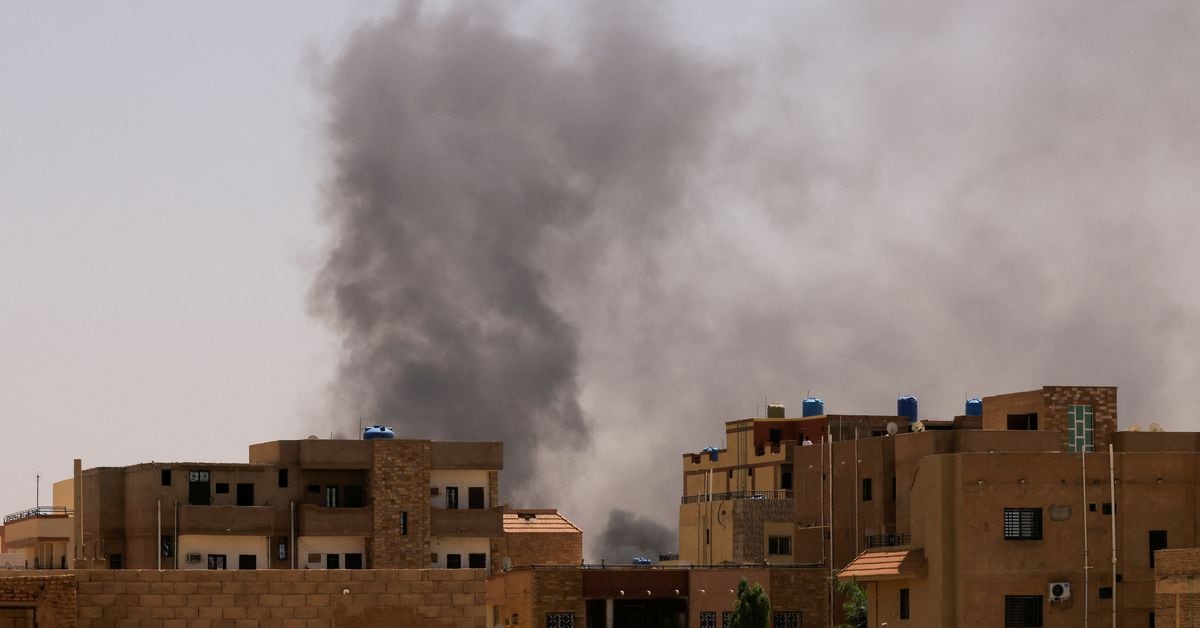
The World Health Organization (WHO) has warned of a "high risk of biological hazard" in Sudan's capital, Khartoum, after one of the warring parties seized a laboratory holding measles and cholera pathogens and other hazardous materials. The WHO's representative in the country said technicians were unable to gain access to the National Public Health Laboratory to secure the materials. Fighting between the Sudanese armed forces and Rapid Support Forces (RSF) paramilitaries has killed at least 459 people and injured 4,072, according to the WHO's latest figures.
The World Health Organization (WHO) has warned of a "high risk of biological hazard" at a laboratory in Sudan's capital Khartoum, which has been caught up in the ongoing conflict between the army and the paramilitary Rapid Support Forces (RSF). The lab holds a broad range of biological and chemical materials, including measles and cholera pathogens, and power cuts are making it impossible to properly manage the materials. A lack of power is also putting depleting stocks of blood bags stored at the lab at risk of spoiling.
The World Health Organization (WHO) has warned of a "high risk of biological hazard" after a laboratory in Sudan was seized by unidentified individuals. The laboratory, which was used to store dangerous pathogens, was reportedly looted and ransacked. The WHO has called for the immediate return of the pathogens and for the perpetrators to be brought to justice.
The World Health Organization has warned of a "high risk of biological hazard" in Khartoum, Sudan, after a laboratory holding measles and cholera pathogens and other hazardous materials was seized by one of the warring parties. The WHO's Nima Saeed Abid said technicians were unable to access the National Public Health Laboratory to secure the materials. Fighting between the Sudanese armed forces and Rapid Support Forces (RSF) paramilitaries has killed at least 459 people and injured 4,072, according to the WHO's latest figures.
Yan Zeng and his team at Berkeley Lab have built a new material research laboratory called A-Lab, equipped with three robotic arms and eight furnaces, where robots do the work and AI can make routine decisions, thereby accelerating the pace of research by as much as 100 times compared to a human. The A-Lab aims to synthesize novel materials for use in clean energy technologies such as solar cells, fuel cells, and thermoelectrics.
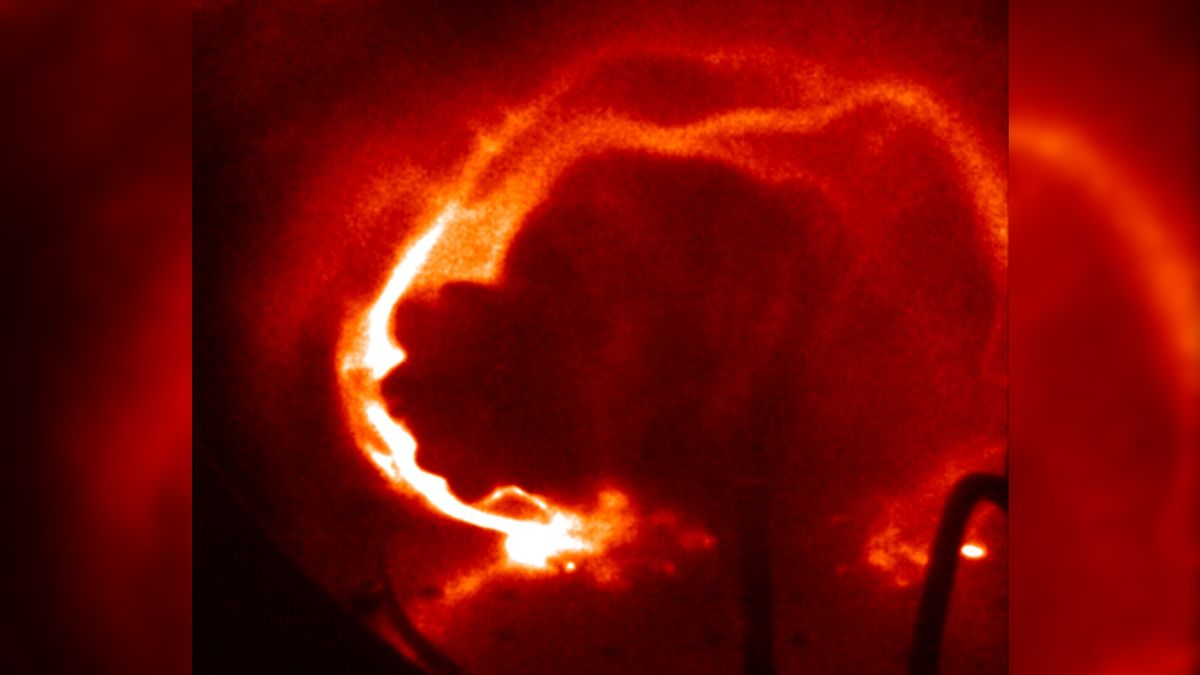
Researchers from California Institute of Technology have created mini solar flares in a laboratory for the first time. The team created artificial corona loops in a magnetized, gas-filled chamber and discharged electricity from a pair of electrodes to ionize the gas, creating a string of plasma between the two electrodes. The loops were around 8 inches long and lasted for around 10 microseconds. The study confirmed that the artificial loops looked like ropes, just as other researchers had previously proposed. The rope-like structure may play a key role in the birth of solar flares.
Researchers at Applied Physics have created an artificial black hole using sound waves and a dielectric medium in a laboratory environment. The team says their discovery is significantly more cost-effective and efficient than current methods in use by researchers who want to simulate the effects of a black hole. The black hole could help enable the development of a physical warp drive, which could be humanity's first real warp-drive spacecraft. The researchers caution that the first flight of a working warp drive spacecraft could still be decades away, but their solution provides a new tool to like-minded researchers who are banking on the possibility that making warp drive a reality can be achieved.