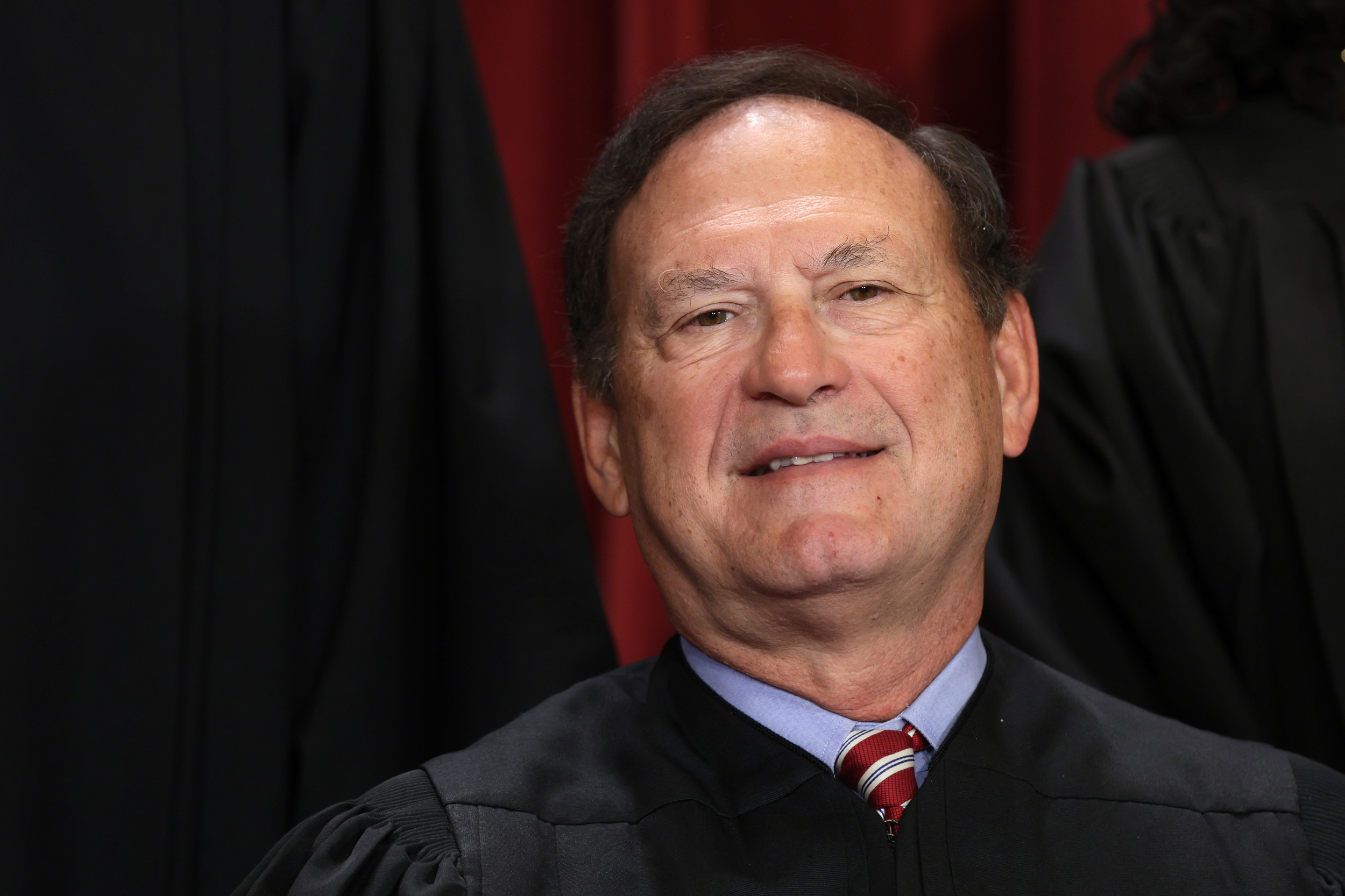
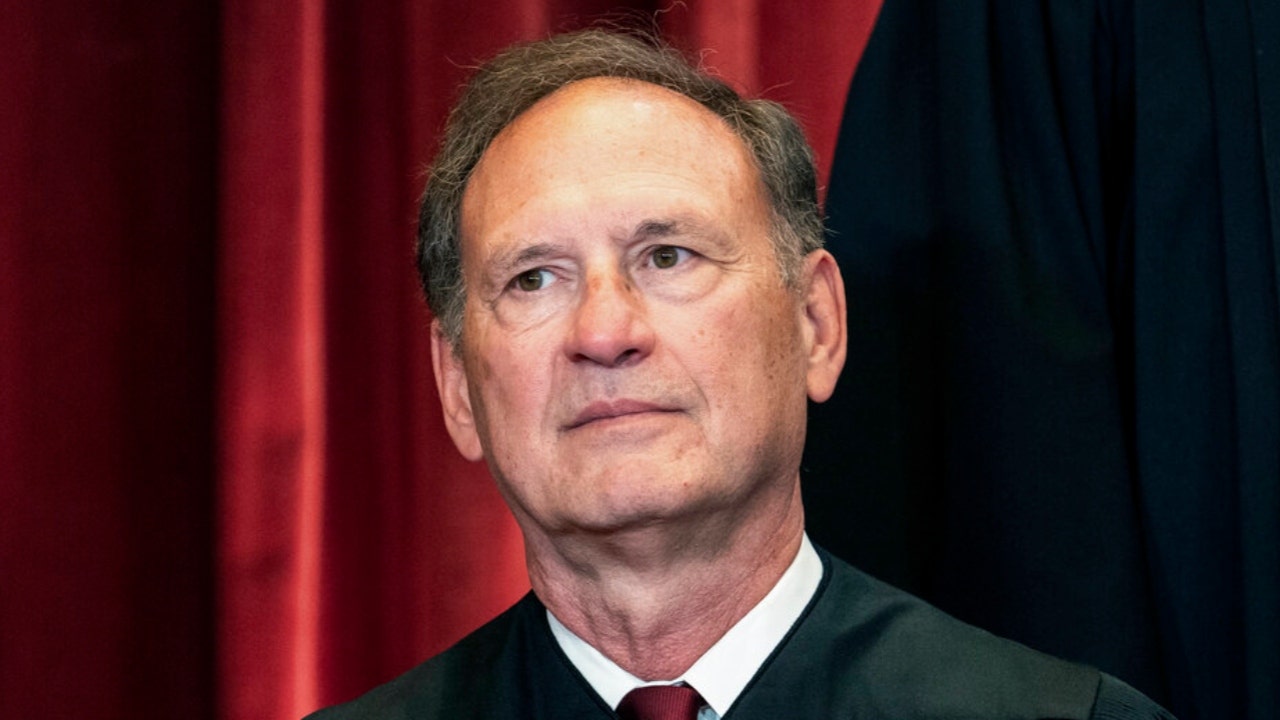
The article criticizes Supreme Court Justices Alito and Barrett for undermining the principle of originalism by dismissing expert consensus in favor of ideological and political motives, highlighting a hypocrisy in their reliance on professional opinion when it suits their outcomes, despite their criticism of such consensus in other contexts.
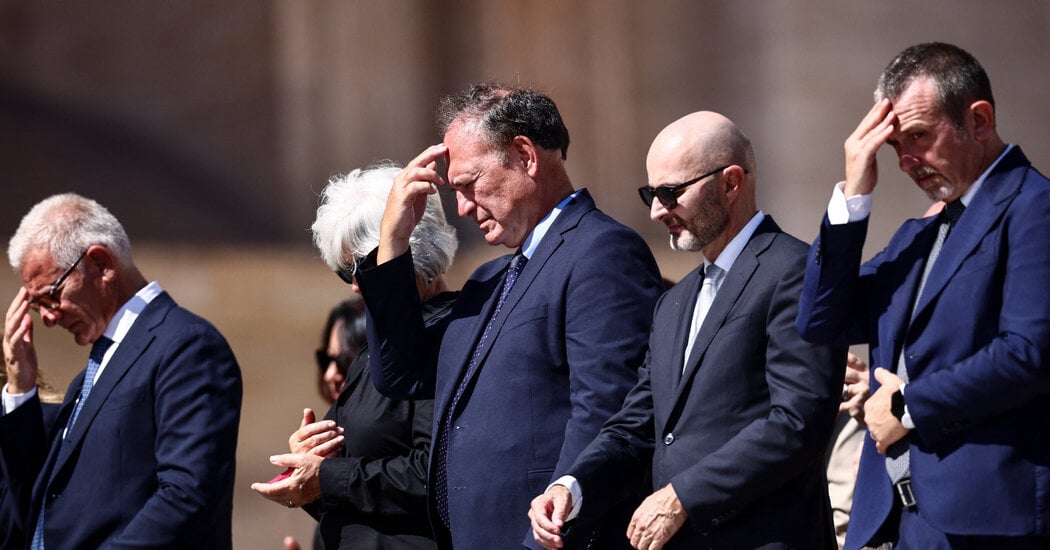
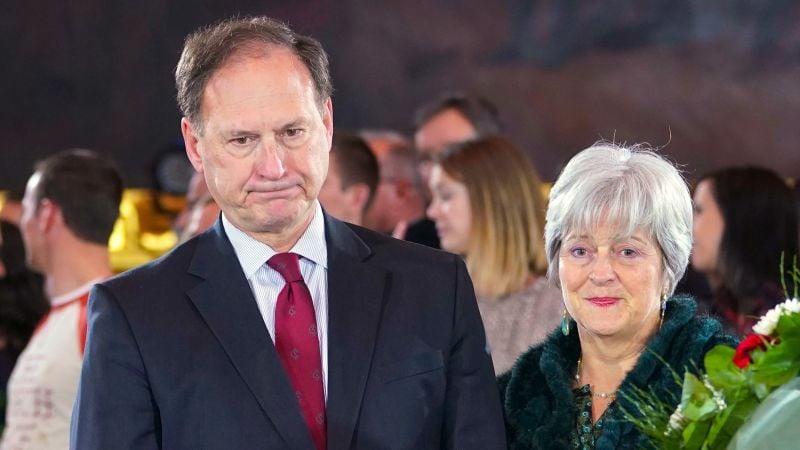
Justice Samuel Alito warned in Rome that religious liberty is under global threat, highlighting issues in countries like Nigeria, China, and Iraq, and discussed the compatibility of his Catholic faith with his role as a Supreme Court justice.
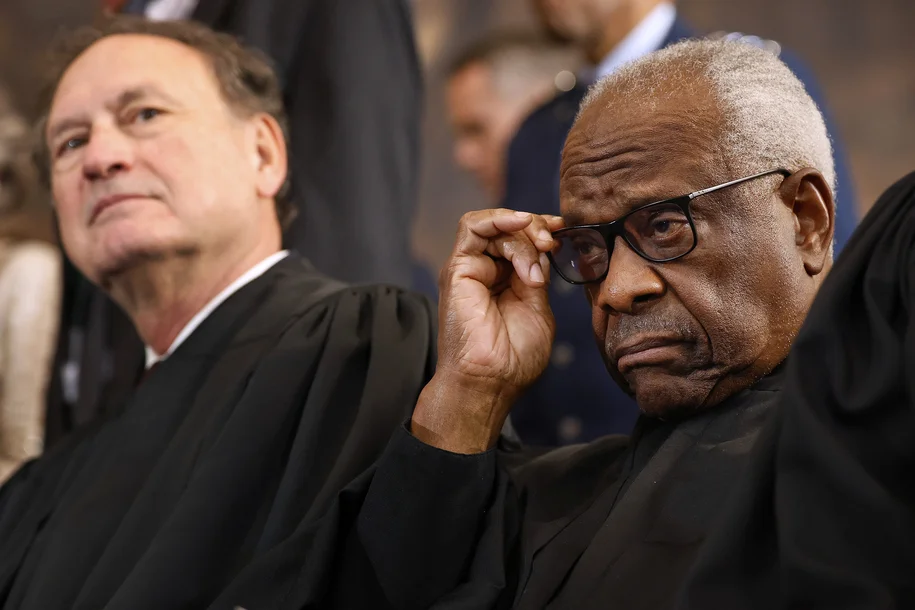
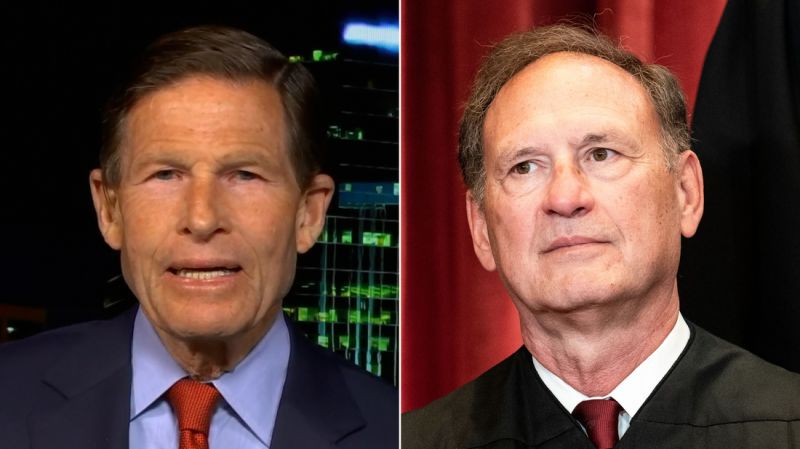
Sen. Richard Blumenthal criticized Justice Alito for not recusing himself from cases related to the 2020 presidential election and the January 6 Capitol riot, despite concerns over controversial flags displayed on Alito's properties.
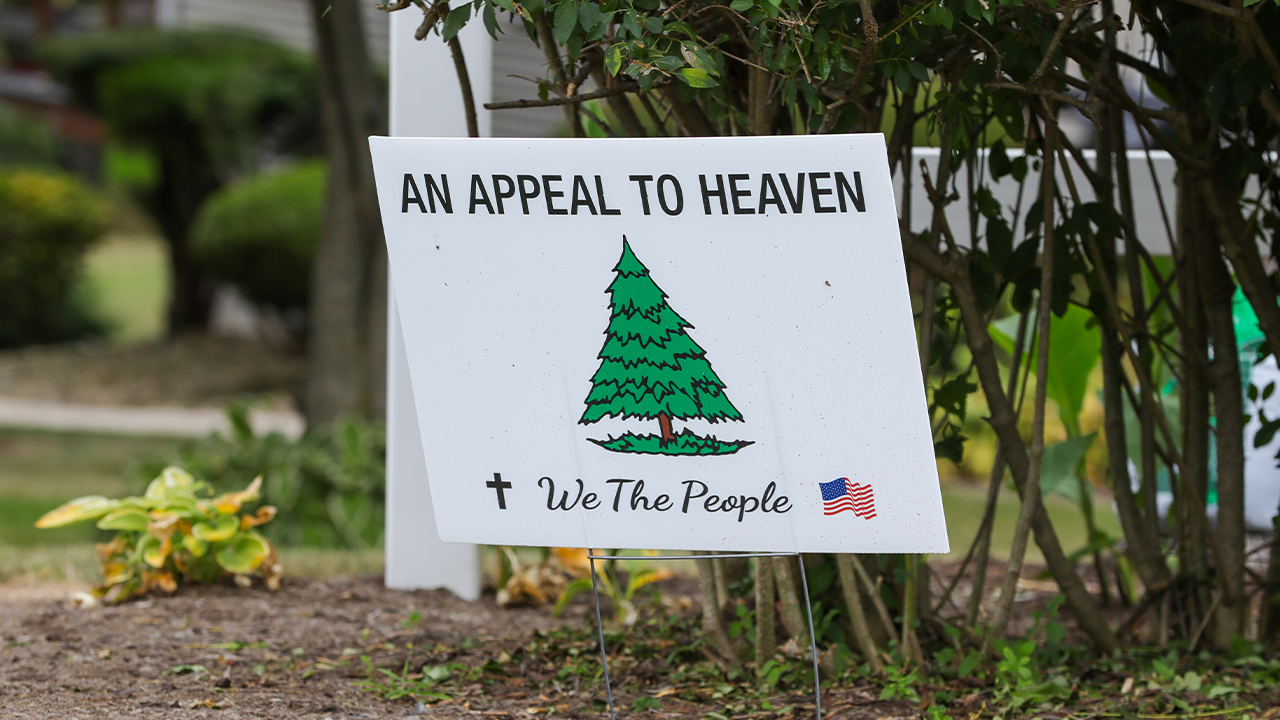
Conservatives criticized liberal politicians and media for labeling a Revolutionary War-era flag as a "MAGA battle flag" to link Supreme Court Justice Samuel Alito to the Jan. 6 Capitol riot. They argued the flag is a historic patriotic symbol, not a sign of insurrection, and defended Alito against accusations of supporting rioters.
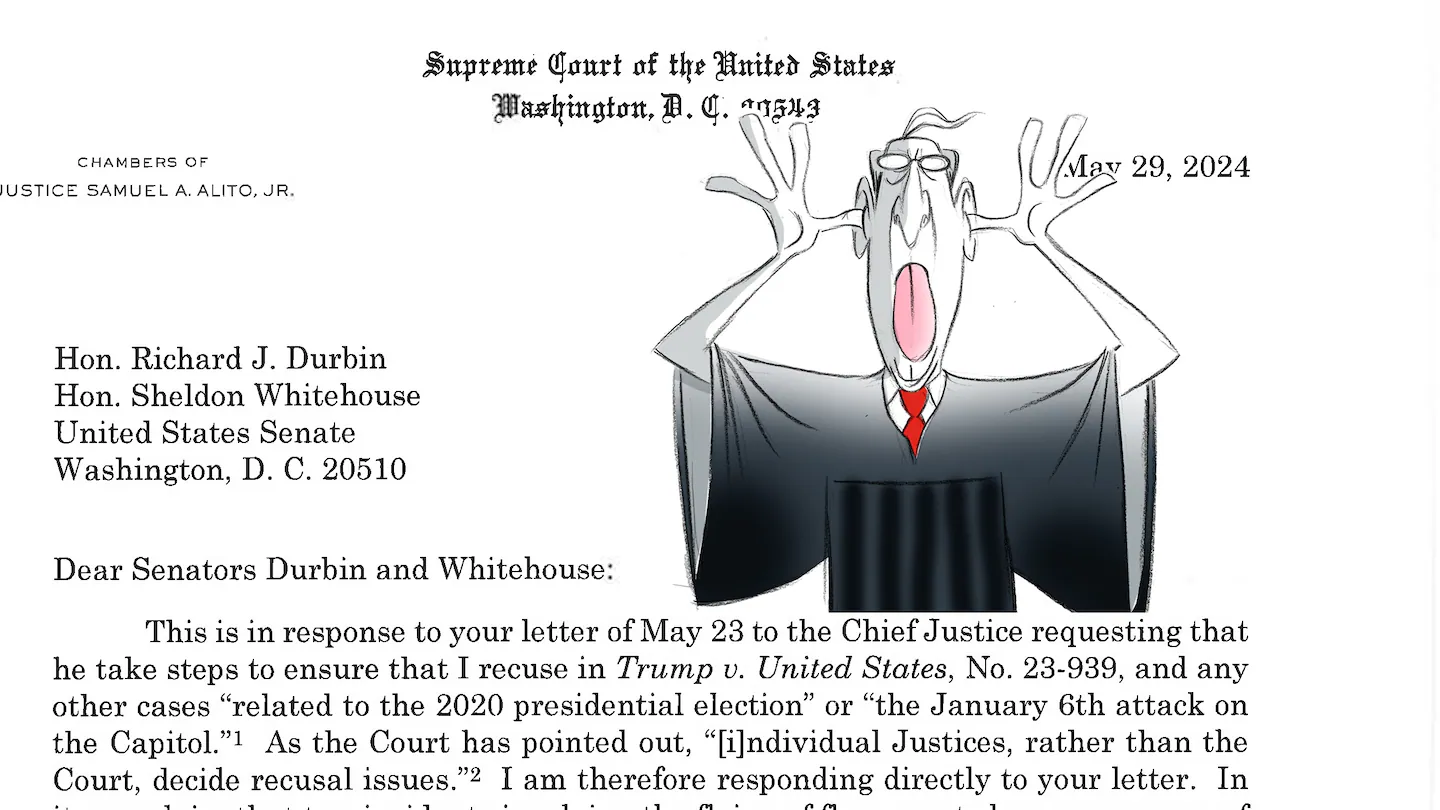
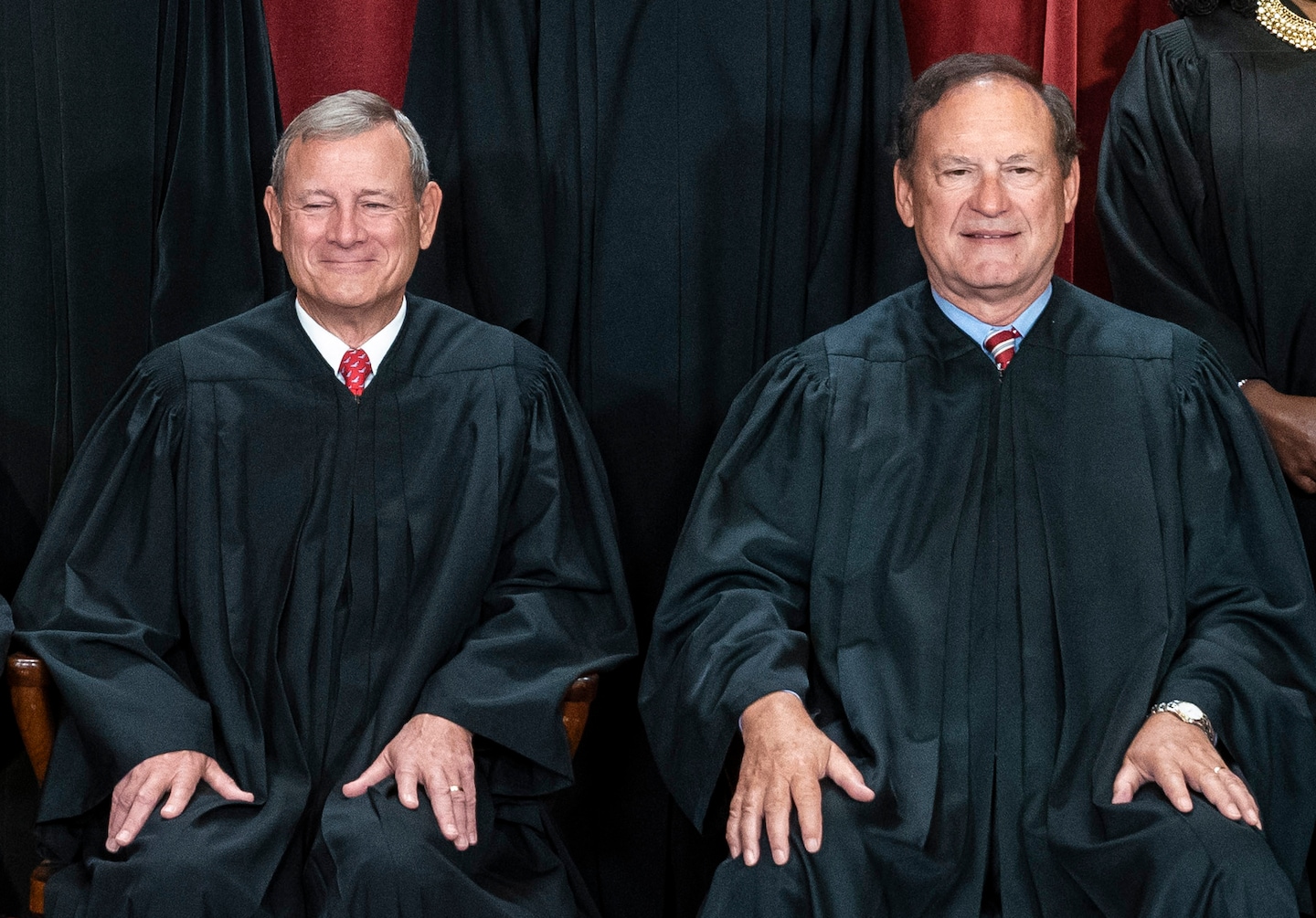
Two Democratic senators are urging Chief Justice John G. Roberts Jr. to ensure that Justice Samuel A. Alito Jr. recuses himself from Supreme Court cases concerning the 2020 presidential election and the January 6 Capitol attack.
Top Democratic senators Dick Durbin and Sheldon Whitehouse have requested a meeting with Chief Justice John Roberts to urge him to ensure Justice Samuel Alito recuses himself from cases related to the 2020 election and the January 6th Capitol attack, citing Alito's display of "Stop the Steal" symbols as a conflict of interest. They also highlighted broader concerns about Supreme Court justices' ethics and called for support of the Supreme Court Ethics, Recusal, and Transparency Act.
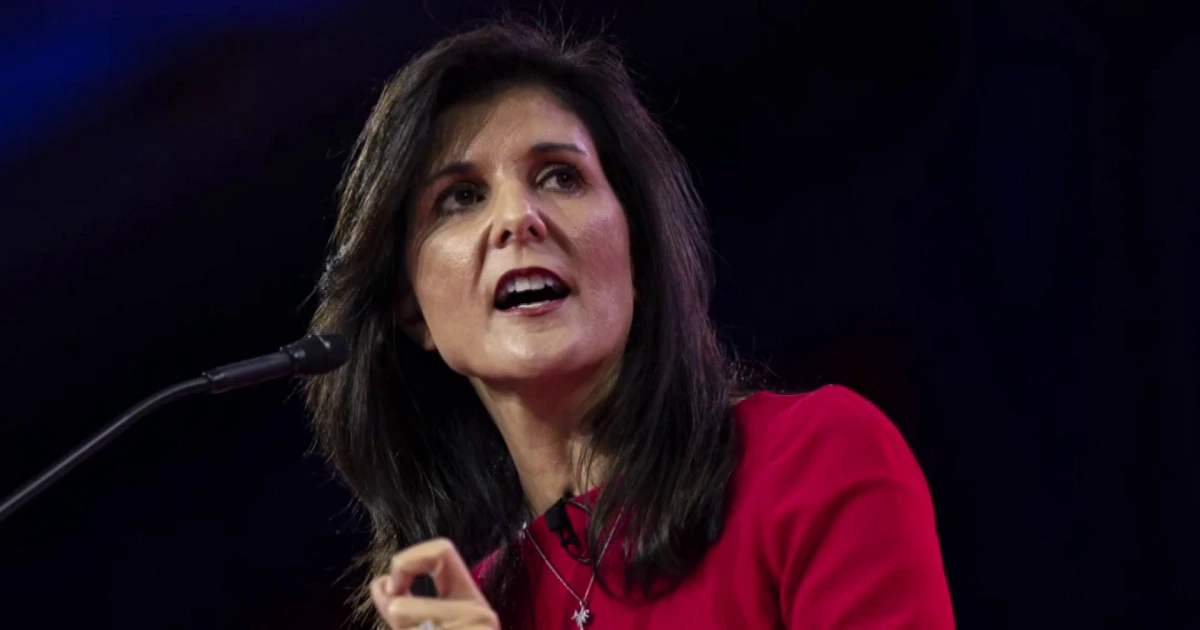
Nicolle Wallace criticized Nikki Haley for betraying her voters by supporting Donald Trump, despite his past mockery of her husband's military service. The article also covers various controversies involving Trump, including his hush money trial, claims about the FBI, and Justice Alito's actions post-2020 election.
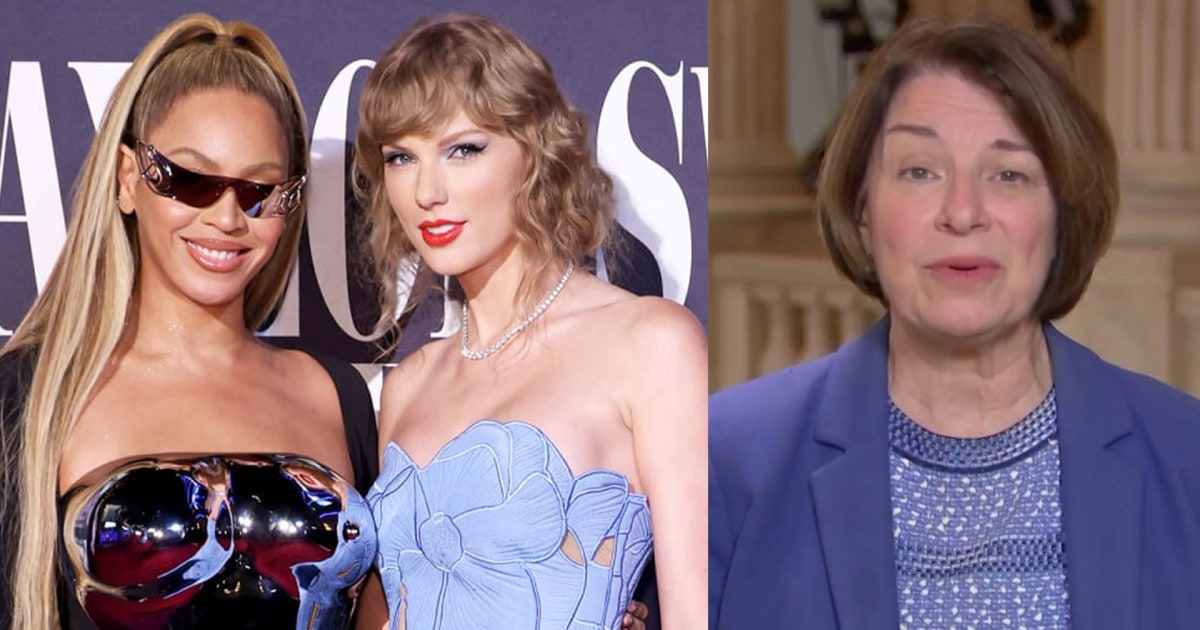
The Justice Department is preparing to announce a new lawsuit against Ticketmaster's owner, with Sen. Amy Klobuchar expressing support and discussing the need for action. She also addresses the increasing demands for Justice Alito to recuse himself from January 6th cases.
The article criticizes the lack of action from all three branches of the U.S. government regarding the ethical issues surrounding Supreme Court Justices, particularly Justice Samuel Alito. It highlights Alito's display of insurrectionist symbols and the acceptance of undisclosed luxury benefits by Justices Alito and Clarence Thomas. The author calls for the Department of Justice to take a stronger stance and investigate these ethical breaches to restore the legitimacy of the Supreme Court.
During a Supreme Court hearing on state laws affecting social media content regulation, Justice Alito's question about the "newspaper weight" of YouTube sparked reactions on social media, with some mocking his age and understanding of technology. The laws in question aimed to address conservative complaints of censorship by social media platforms, and tech trade groups representing the companies sued the states, claiming the laws violated free speech rights. The outcome of the case could have significant implications for how social media platforms are regulated.
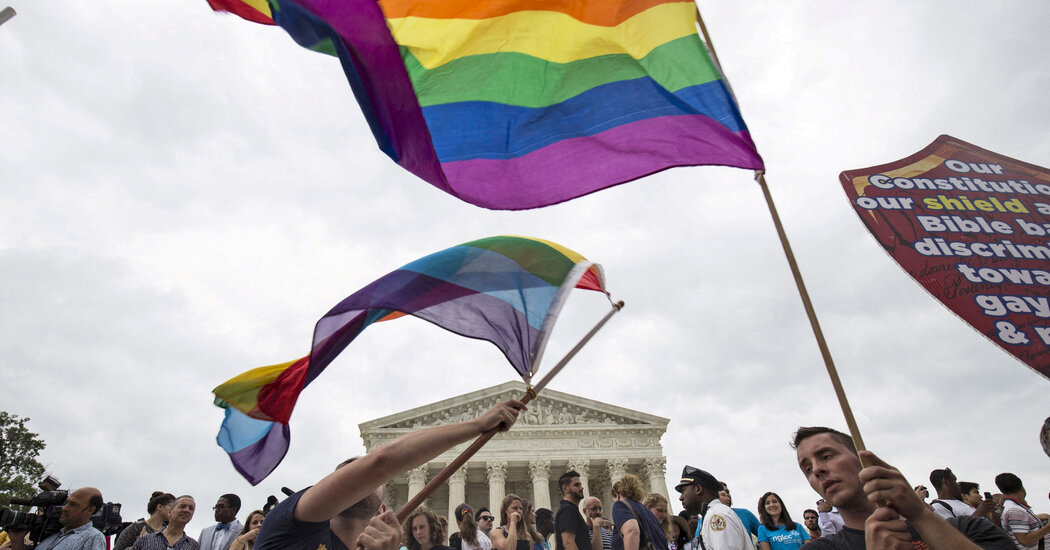
Justice Alito renewed his criticism of the Supreme Court's 2015 decision on same-sex marriage, expressing concerns that those with traditional religious views could be labeled as bigots by the government. His statement came in response to the rejection of a Missouri case involving jurors removed for voicing religious objections to gay relationships, highlighting the ongoing discontent with the landmark ruling.
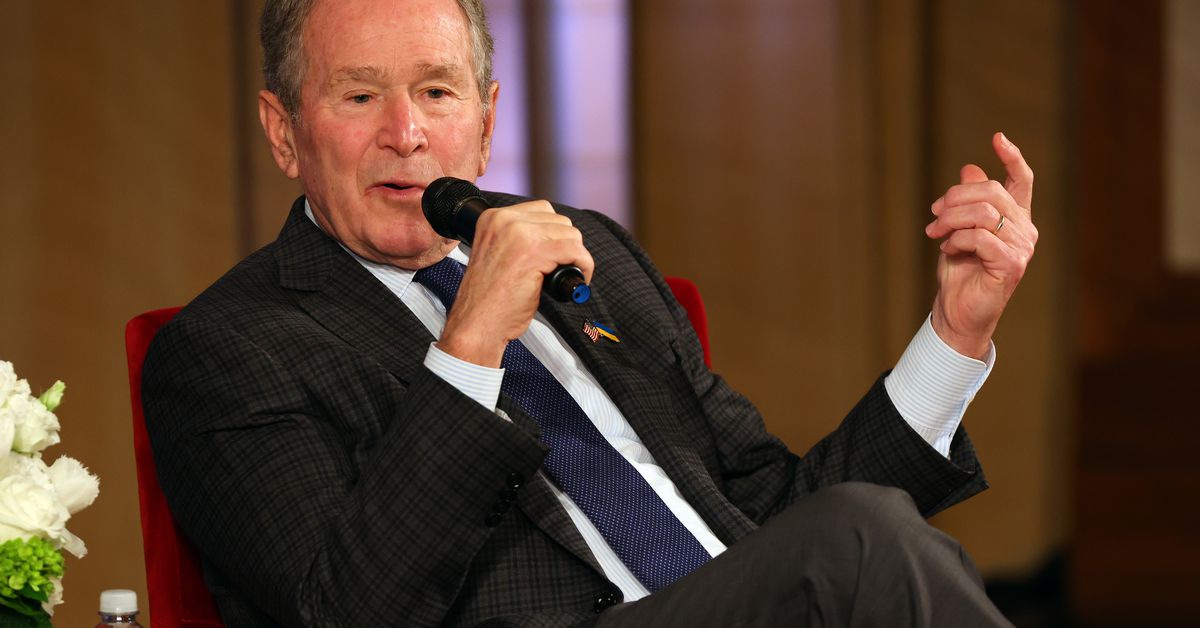
Justice Alito expressed anger over a school admissions policy similar to one championed by George W. Bush, which aimed to diversify Texas universities without considering race. The Supreme Court declined to hear a case involving a Virginia magnet school's admissions process, which was designed to increase racial diversity without explicitly considering race. The decision suggests that the Court may still tolerate some attempts to diversify schools using methods previously approved by Republicans, but it does not guarantee the future of such programs. If the Court were to rule against these programs, it could have significant implications for diversity on campuses and would reflect the Republican Party's shift on race issues.
Supreme Court declined to review a case challenging a Virginia high school's admissions program that allegedly discriminates against Asian Americans, prompting a fiery 10-page dissent from Justice Alito. The case involves Thomas Jefferson High School, accused of using a roundabout way to filter for race in admissions. The school's policies have been the subject of controversy, with the Fairfax County School Board defending the new admissions process as constitutional and in the best interest of all students. The dissenting justices argue that the lower court's decision effectively licenses official actors to discriminate against any racial group with impunity, while critics of the school's policies claim that discrimination based on race is ethically wrong and a violation of the Constitution's guarantee of equal protection.