President Trump faced multiple legal setbacks, including federal judges ordering the administration to continue funding food stamps during the shutdown and ruling that his proof-of-citizenship requirement for voting is unconstitutional. Additionally, the Justice Department sought 2020 election records from Georgia, and critics like Harrison Ford condemned Trump's climate policies. Other political developments included discussions on the filibuster and investigations into Trump's administration actions.
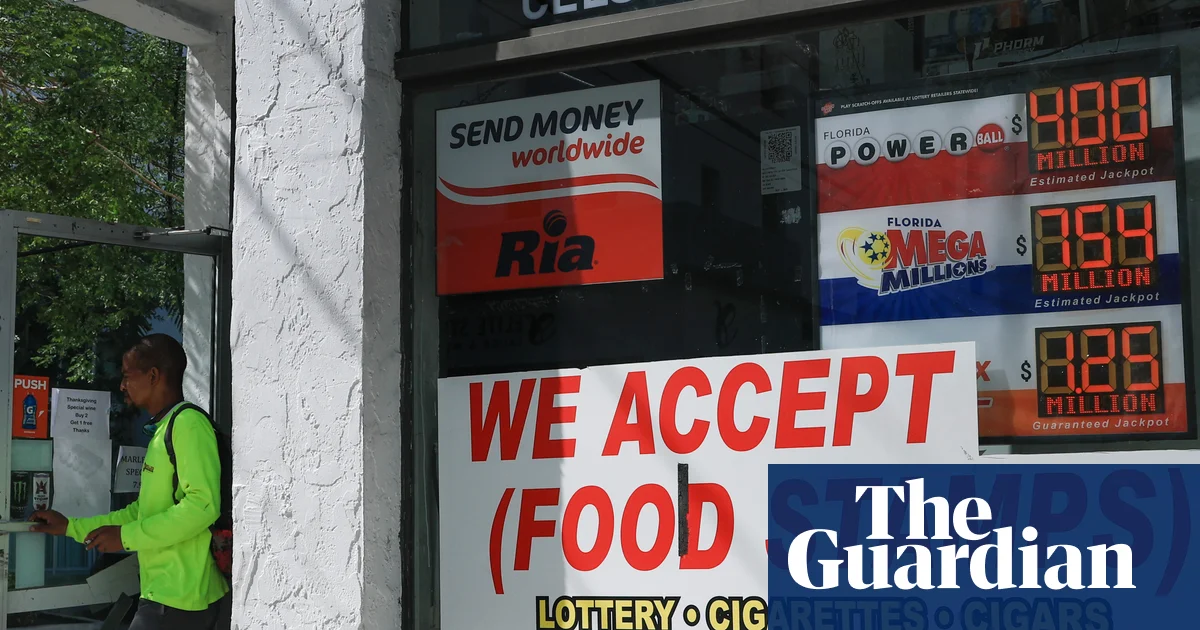
Two federal judges ordered the Trump administration to use emergency reserve funds to continue funding SNAP during the government shutdown, delaying benefit payments for many recipients and highlighting ongoing political disputes over food assistance programs.
Over 100 judges have ruled against the Trump administration's mandatory detention policy, which the administration claims is a legal interpretation to enhance national security, but courts have rejected it as unlawful and inconsistent with longstanding legal standards, citing its impact on families and legal rights.
A federal judge has blocked President Trump's executive order targeting law firm Susman Godfrey, marking the fourth such legal victory against his orders aimed at elite law firms, which have been deemed unconstitutional for violating First and Fifth Amendment rights. The rulings highlight the judiciary's role in upholding the rule of law against executive overreach, with all four cases resulting in permanent injunctions against the orders.
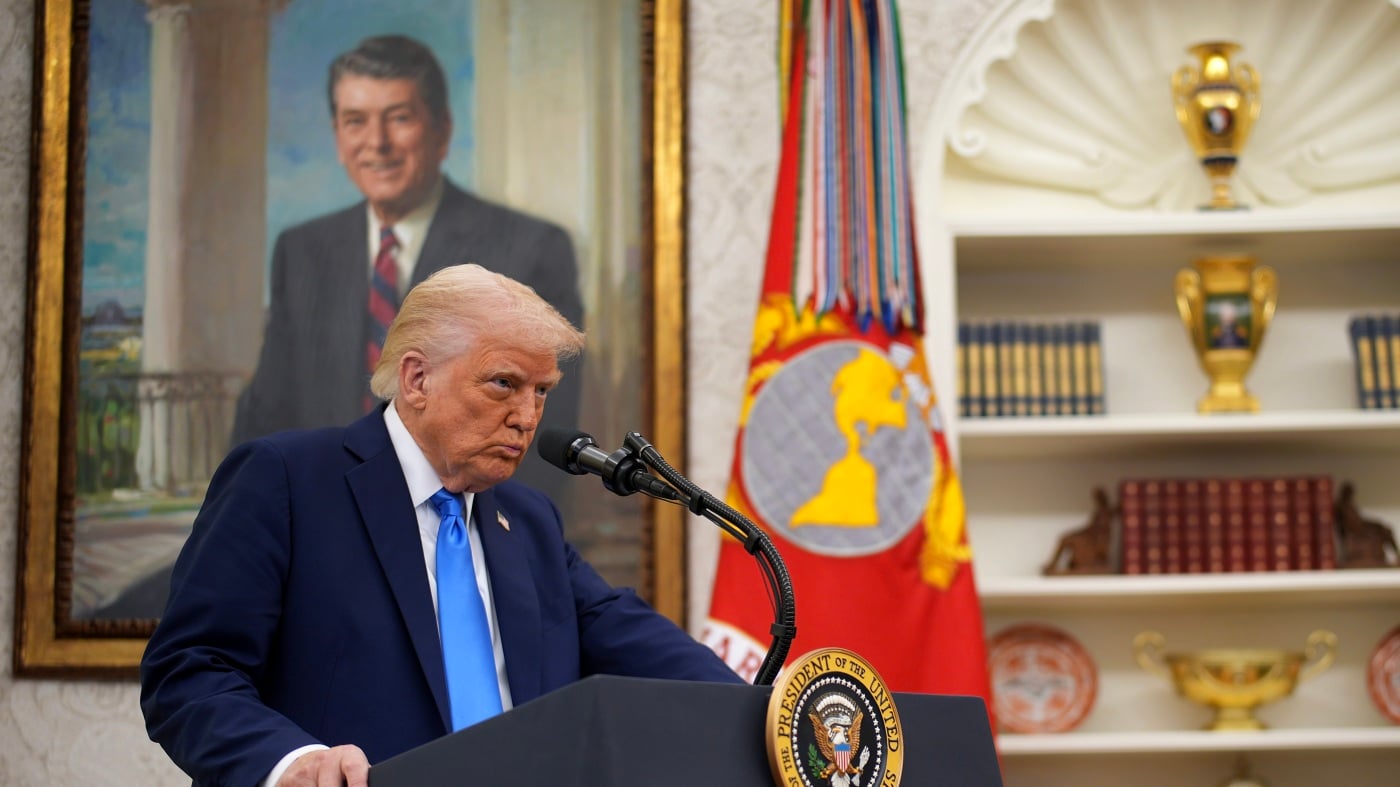
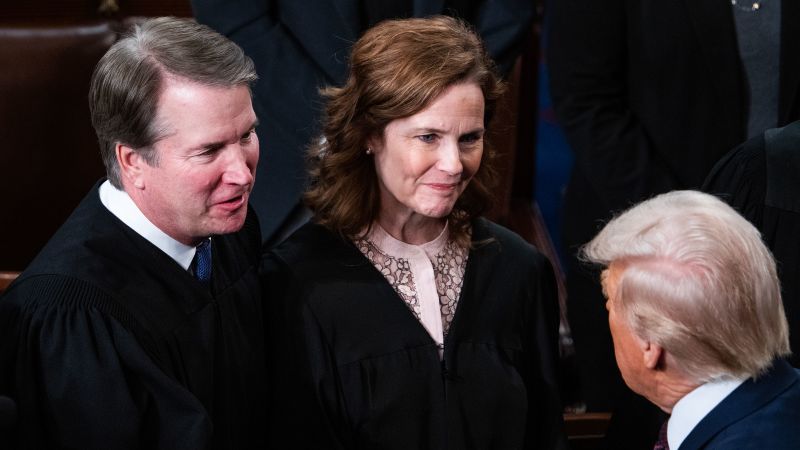
President Donald Trump has privately expressed frustration with the Supreme Court justices he appointed, especially Amy Coney Barrett, criticizing their rulings and perceived lack of support for his agenda, amid ongoing tensions with the judiciary and conservative legal figures.
The US Supreme Court, with its conservative majority, faces high stakes as it hears cases that could impact key constitutional rights and potentially serve as a check on Donald Trump's influence, amid concerns about the court's impartiality and adherence to the law.
Federal courts have repeatedly invalidated President Trump's attempts to reinterpret and use old or obscure laws to implement his agenda, including tariffs, immigration policies, and labor rights, emphasizing that such reinterpretations often exceed presidential authority and are subject to judicial review.
Former President Donald Trump faces setbacks as judges reject his attempts to dismiss criminal cases in Georgia and federal courts, with trials still a possibility. The delay strategy employed by Trump has been successful in prolonging pretrial litigation, and his arguments for presidential immunity are being considered in multiple cases. While a judge declined Trump's request to dismiss the federal classified documents case, she left open the possibility for him to use the argument in his defense at trial. In the Georgia election subversion case, the judge rejected the argument that Trump's alleged efforts were protected under the First Amendment, signaling a step forward for the prosecution.
Former President Donald Trump faces setbacks in his attempts to dismiss criminal cases against him, as judges in Georgia and federal courts reject his bids to have the cases thrown out. The prospect of the cases going to trial remains, with delays being a key part of Trump's strategy. The judges' rulings indicate that Trump's alleged actions are not protected under the First Amendment, and his claims of presidential immunity are being challenged. The legal battles continue as the cases move forward, with the possibility of trials in the near future.