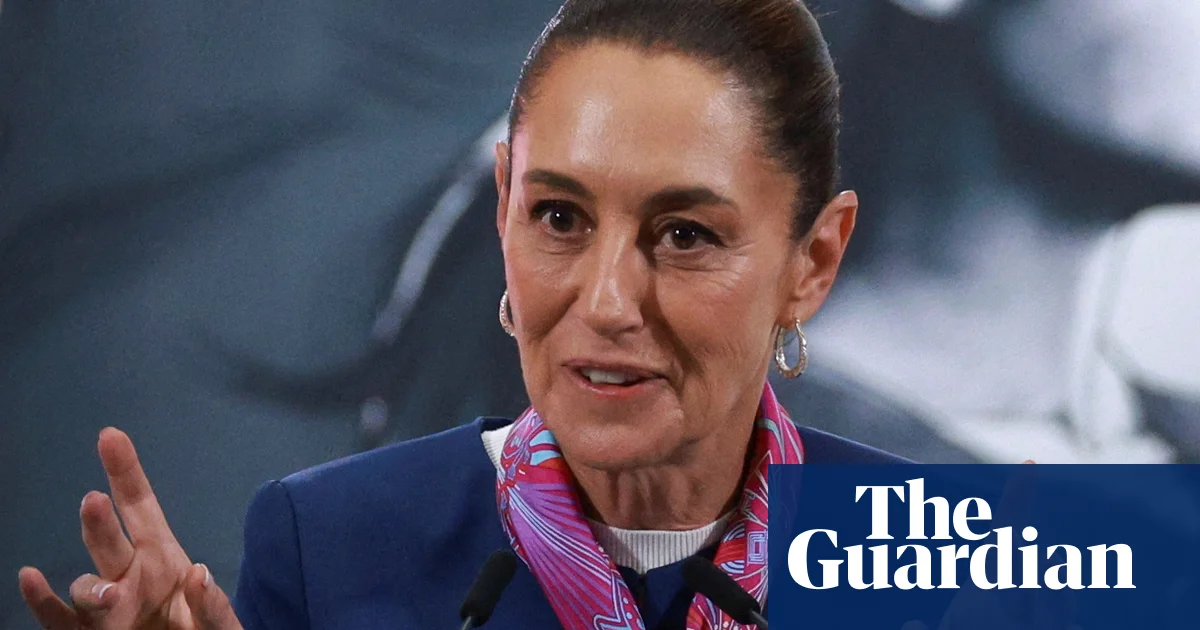
Mexico held its first-ever judicial elections with only 13% voter turnout, a record low, but President Claudia Sheinbaum declared it a success, emphasizing the reform aimed at reducing corruption and increasing responsiveness, despite criticism and concerns over legitimacy and influence from various interests.
A Manhattan federal judge has recommended appointing a third-party receiver to oversee Rikers Island jails due to persistent safety and use-of-force issues, citing nine years of failed reforms by the Department of Correction. Despite opposition from Mayor Eric Adams, who points to recent improvements, Judge Laura Taylor Swain argues that a receivership is necessary to address ongoing threats and non-compliance with court orders. The decision requires parties to agree on the receiver's powers and role by January 14, 2024, amid concerns about the jails' culture of brutality and management inefficiencies.
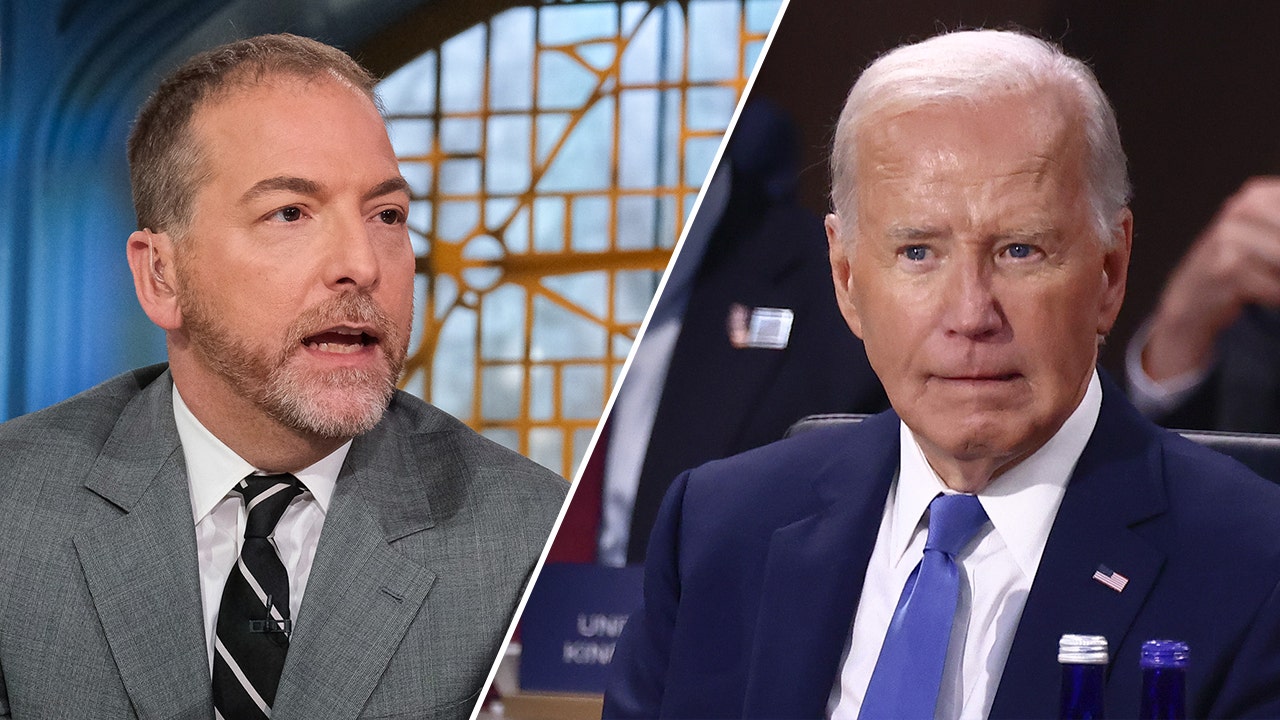
NBC's Chuck Todd criticized President Biden's reported support for Supreme Court reforms, calling it a sign of "desperation" to appease progressive supporters. Todd noted that Biden's move comes amid internal Democratic Party struggles and calls for Biden to step down, contrasting with the Republican Party's unity under Trump. Biden's proposed reforms include term limits for justices and an enforceable ethics code, following controversial court decisions and ethics investigations.
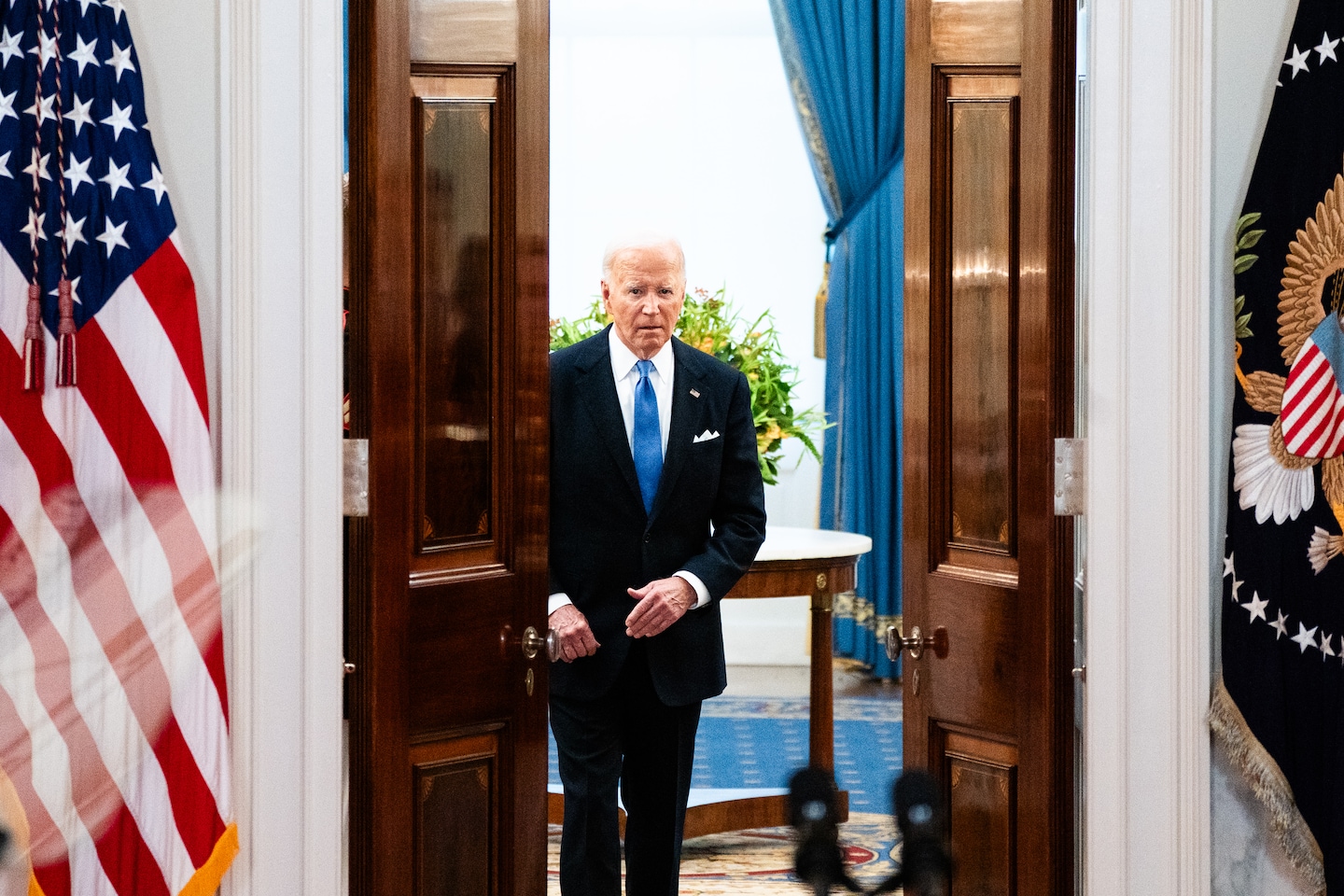
President Joe Biden is seriously considering proposals to establish term limits for U.S. Supreme Court justices and implement an enforceable ethics code, amid growing concerns about accountability and recent controversial court decisions. These changes would require congressional approval, which is unlikely in a divided Congress. Biden's move comes as he faces pressure from Democrats and aims to counter the conservative majority established by former President Donald Trump.
President Biden is preparing to endorse significant reforms to the Supreme Court, including term limits for justices and an enforceable ethics code, in response to recent ethics scandals and controversial rulings. He is also considering a constitutional amendment to eliminate broad immunity for presidents. The proposed changes, which would require congressional approval, mark a shift for Biden, who has previously resisted calls for court reform.
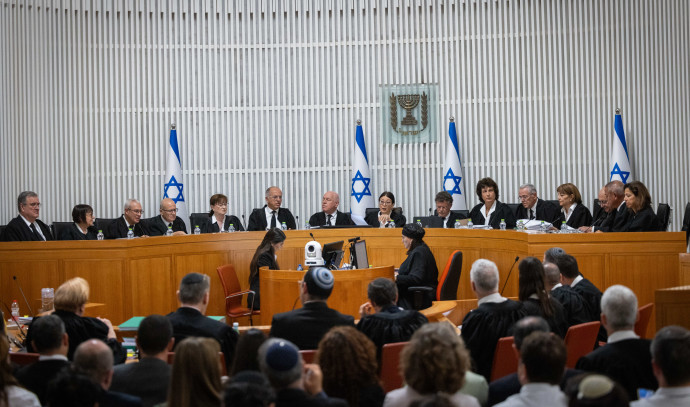
Israel has lodged a formal complaint against German ambassador Steffen Seibert for attending a historic High Court hearing on the government's judicial reform amendment, considering it as interference in Israel's internal affairs. Seibert, who had previously expressed opposition to the reform plan, stated that he wanted to witness the important developments for Israel's democracy. Germany has emphasized the importance of an independent justice system and is closely monitoring the Israeli dispute over the proposed judicial changes.
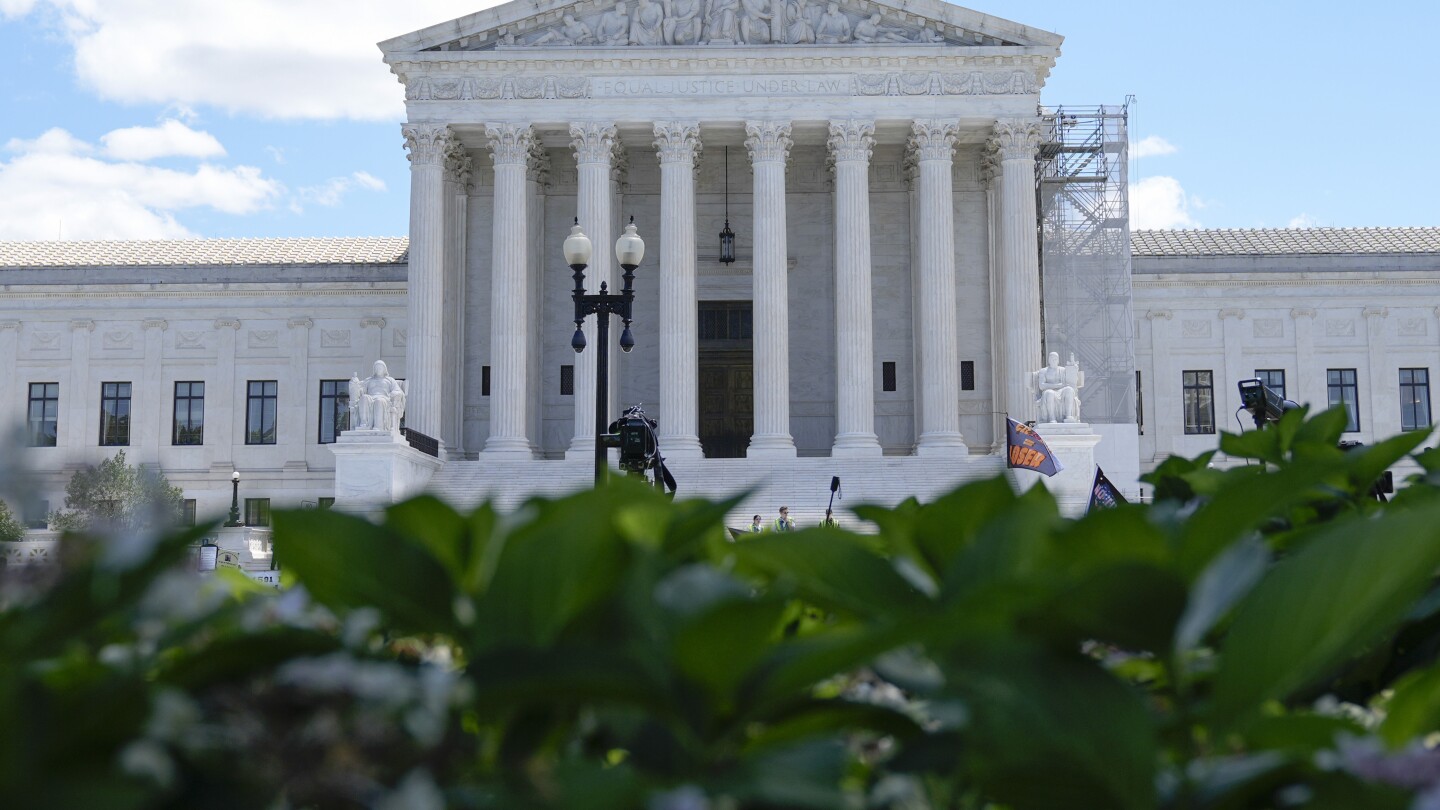
Thousands of anti-government protesters gathered at the Supreme Court in Israel ahead of a historic hearing on a bid by Prime Minister Benjamin Netanyahu's coalition to curb the court's powers. The court will hear appeals against a judicial amendment passed by Netanyahu's coalition in July, which critics argue weakens the court and damages democracy. The government's judicial overhaul campaign has sparked widespread protests and a political crisis in Israel. Efforts to reach agreements between Netanyahu and opponents have been unsuccessful so far, but a court ruling could be delayed until January, allowing for negotiations over agreed reforms.
Thousands of protesters gathered in Jerusalem in support of judicial reform ahead of a hearing on petitions against a legal overhaul article. Protesters expressed concerns about the power exerted by the Supreme Court, with some portraying the justices as Roman emperors. Speakers at the rally criticized the court for allegedly attacking religious values, settlements, and the military. The main organizer of the rally, Tekuma 2023, called on the Supreme Court not to cancel their voices. The court is set to hear arguments against the Law to Cancel the Reasonableness Standard, which passed in July. Protesters emphasized the importance of democratic outcomes and the governance of the elected government rather than the court.
Israel's Supreme Court has announced that a full panel of 15 justices will hear petitions in September against a controversial law passed by Prime Minister Benjamin Netanyahu's government, which aims to curtail the power of the Supreme Court. The law, part of a broader judicial overhaul plan, has sparked mass protests and drawn criticism from the White House. Critics argue that the measures concentrate power in the ruling coalition and undermine checks and balances, while proponents claim they are necessary to limit the influence of activist judges. The law in question removes the high court's ability to annul government decisions deemed "unreasonable." The hearing is scheduled for September 12 and is expected to be highly contentious.
While most Israelis oppose the government's plan to weaken the courts, a minority of right-leaning Israelis, who largely support Prime Minister Benjamin Netanyahu, back the controversial judicial overhaul. They see it as a necessary step towards democracy, arguing that the current judicial system lacks checks and balances. Critics, however, view the reform as a threat to Israeli democracy, as it curtails the powers of the Supreme Court, the only body that checks the executive and legislative branches. Supporters of the overhaul include those loyal to Netanyahu, those seeking to protect Israel's Jewish nationalist identity, and those frustrated with Supreme Court decisions.
Thousands of Israelis staged massive protests across the country against the government's judicial reform package, which was pushed through despite widespread opposition. The reform includes scrapping the "reasonableness" law, which allows the Supreme Court to overturn government decisions. The protests, which have been ongoing for months, reflect concerns about a power grab by Prime Minister Benjamin Netanyahu and fears of deepening divisions within Israeli society. The government argues that the reform is necessary to rebalance the relationship between elected officials and the judiciary.
Thousands of protesters in Israel took to the streets for the 30th consecutive week to oppose Prime Minister Benjamin Netanyahu's judicial overhaul plan. The protests come after Netanyahu pushed through a controversial law limiting some Supreme Court powers. The first part of his reform package, known as the "reasonableness clause" bill, was ratified by the parliament, sparking a constitutional crisis. Critics argue that Netanyahu's reforms threaten democratic principles and the independence of the courts. The government's plans include changes to the balance of power between the Knesset and the High Court of Justice, as well as limiting the ability to petition against government actions. Protesters aim to prevent further reforms after the summer recess.
Israeli Prime Minister Benjamin Netanyahu has refused to commit to abiding by a potential Supreme Court ruling that could strike down his controversial judicial reform law, which limits the power of Israel's Supreme Court. Netanyahu warned that such a ruling could lead to "uncharted territory" and compared it to the US Supreme Court declaring a constitutional amendment unconstitutional. The law, passed by the Knesset, has sparked protests and criticism, including from the White House. Critics argue that the reforms would erode Israeli democracy and grant Netanyahu excessive powers. Netanyahu denied these claims and emphasized the strong relationship between Israel and the United States.
A new study reveals that climate change is not only increasing the frequency of heat waves but also intensifying their severity. In Israel, thousands of military reservists are refusing to serve, doctors are on strike, and protests have erupted following the passage of a controversial law that limits the power of the Supreme Court. President Biden is expected to designate three sites as national monuments in honor of Emmett Till, a 14-year-old African American boy who was brutally murdered in 1955. The Department of Justice has sued Texas Governor Greg Abbott over his refusal to remove buoys placed in the Rio Grande to hinder border crossings. Additionally, a Harvard University study highlights the bias favoring wealthy students in college admissions, emphasizing the need for reform.
The Israeli parliament, the Knesset, has passed a controversial judicial reform bill proposed by Prime Minister Benjamin Netanyahu's conservative and nationalist government. The reform aims to reset the balance of power between the executive, legislative, and judiciary branches. Critics argue that the reform threatens democracy and draws comparisons to Poland and Hungary, while supporters claim it strengthens Israeli democracy. The reform's main focus is on limiting the power of the Supreme Court, and further reforms giving the government more control over judicial appointments are expected to be voted on in the future. Protests against the reform have been ongoing, with concerns that it could deepen societal divisions and strengthen the ultra-Orthodox wing. The issue has even reached the military, with reservists threatening to quit if the reform is passed. The reform's constitutionality may be challenged in the Supreme Court, potentially leading to a national crisis or the collapse of the coalition government.