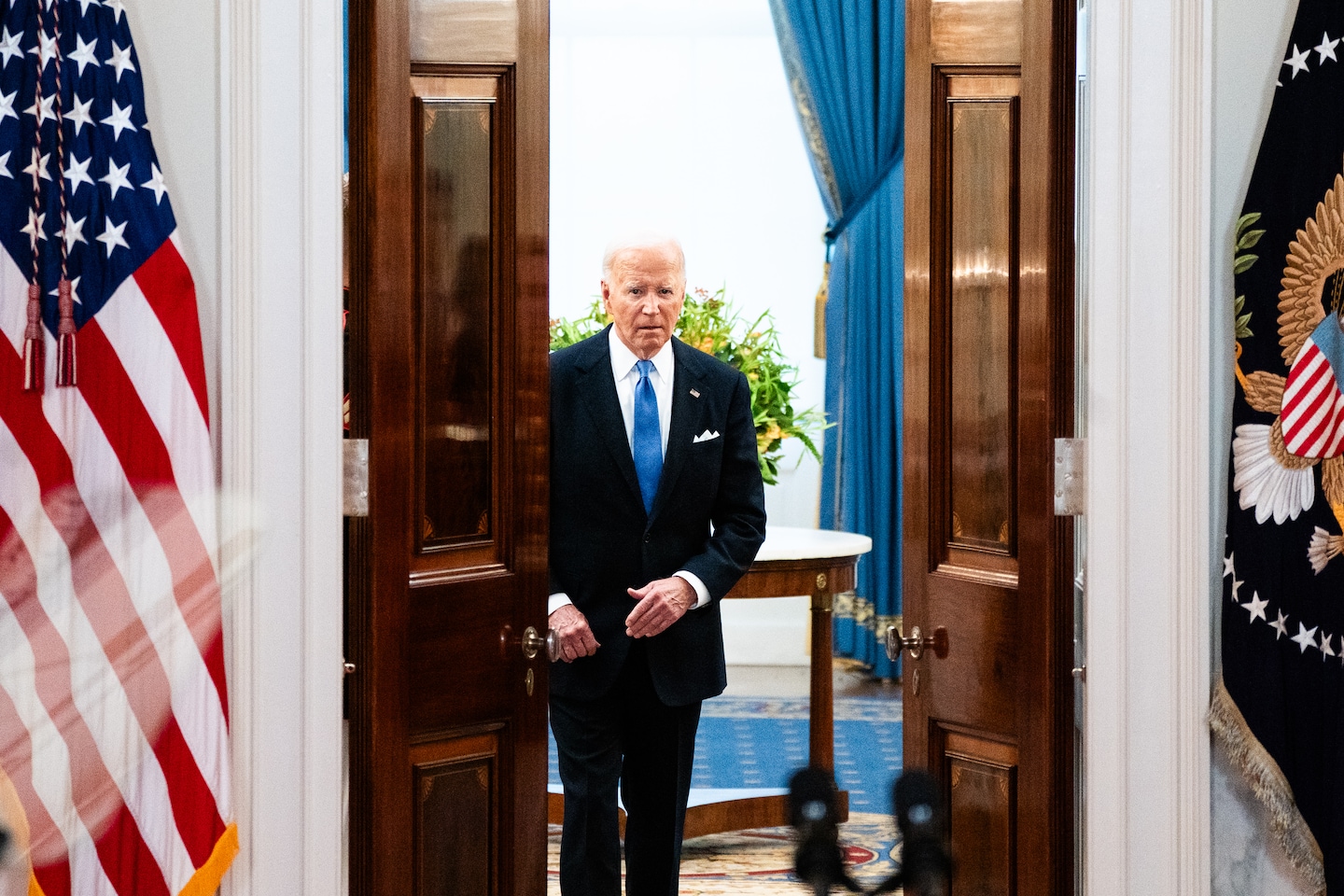
President Biden is set to propose term limits and a mandatory ethics code for U.S. Supreme Court justices, marking a significant shift in his stance. However, these changes would require a constitutional amendment or congressional action, both challenging in the current political climate. The proposals come as Biden seeks to appeal to progressives and other key voter groups ahead of the presidential election.
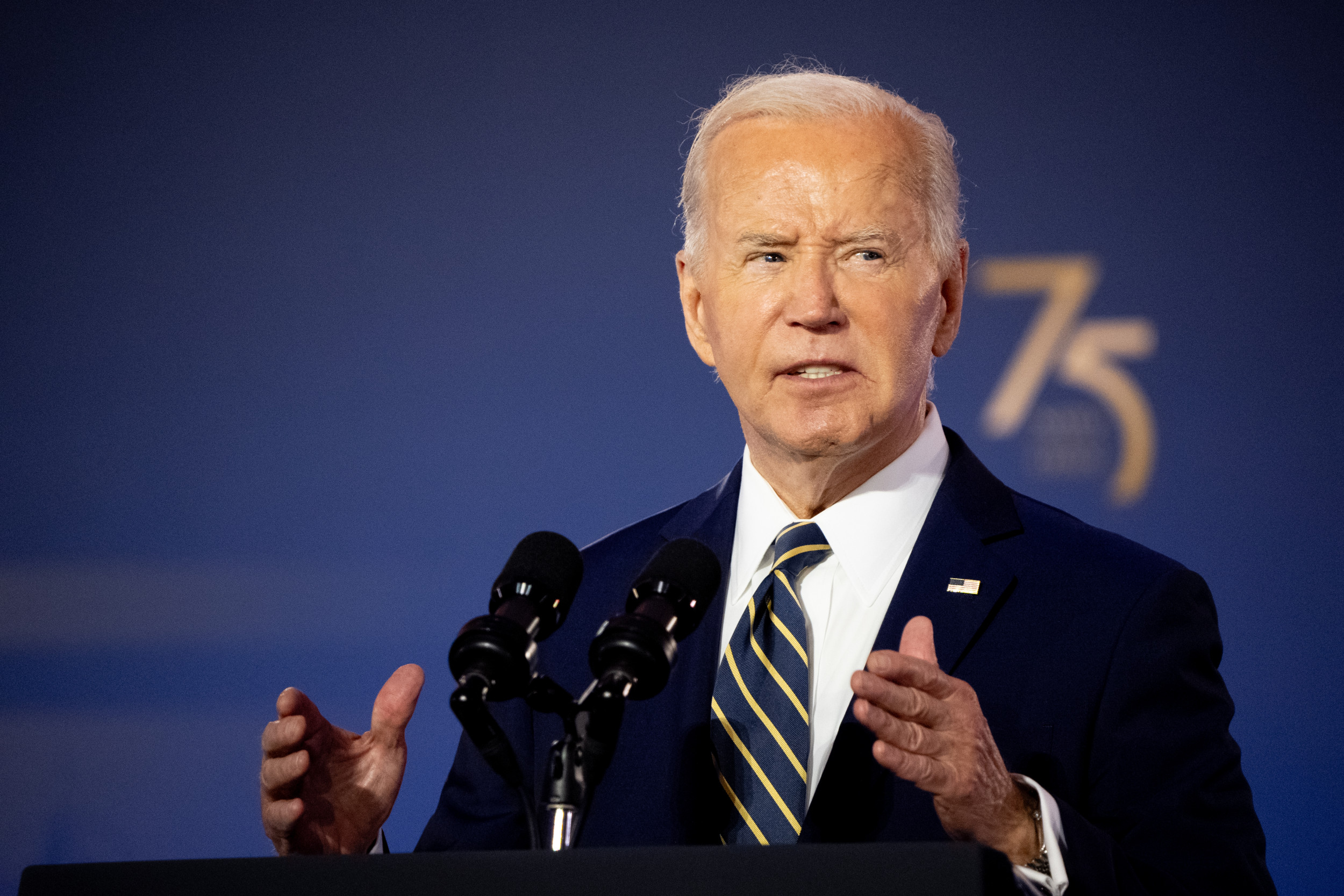
President Joe Biden's plan to endorse term limits and an enforceable ethics code for U.S. Supreme Court justices has garnered support from a majority of Republicans, according to recent polls. While Biden's plan does not include expanding the court, it aims to address recent ethics scandals and controversial decisions. The proposal reflects broad public support across political parties, though its success in Congress remains uncertain.
President Joe Biden is seriously considering proposals to establish term limits for U.S. Supreme Court justices and implement an enforceable ethics code, amid growing concerns about accountability and recent controversial court decisions. These changes would require congressional approval, which is unlikely in a divided Congress. Biden's move comes as he faces pressure from Democrats and aims to counter the conservative majority established by former President Donald Trump.
President Biden is considering legislative proposals to impose term limits and an enforceable code of ethics on Supreme Court justices, as well as a constitutional amendment to limit presidential immunity. These changes would require congressional approval, which is unlikely given the current political landscape.
President Biden is preparing to endorse significant reforms to the Supreme Court, including term limits for justices and an enforceable ethics code, in response to recent ethics scandals and controversial rulings. He is also considering a constitutional amendment to eliminate broad immunity for presidents. The proposed changes, which would require congressional approval, mark a shift for Biden, who has previously resisted calls for court reform.
The U.S. Supreme Court has adopted its first-ever ethics code in response to public pressure, but critics argue that it lacks enforcement mechanisms. Israel claims to have evidence of a Hamas military compound beneath a Gaza City hospital, while hospitals in Gaza are struggling with dire conditions and lack of treatment. A federal government report highlights the impact of climate change on the U.S., revealing that natural disasters cause about $150 billion in direct losses annually, disproportionately affecting people of color and those in poverty. In Iowa, voters express conservative values and concerns about abortion and border security, while hoping for a president who can bridge political divides. Gene-editing technology shows promise in reducing high cholesterol levels, potentially leading to new ways of preventing heart disease.
The Supreme Court has issued a broad code of conduct aimed at promoting "integrity and impartiality" among the justices, following controversies over their ethics. However, the code lacks an enforcement mechanism and does not address past transgressions or specific issues such as lavish trips and gifts received by some justices. Critics argue that the code gives justices too much discretion over recusal decisions and fails to provide a remedy for violations. While some see it as a positive step, others believe it falls short in holding the justices accountable. The issuance of the code comes amid ongoing pressure from Senate Democrats to investigate the trips taken by Justices Clarence Thomas and Samuel A. Alito Jr. funded by wealthy donors.
The US Supreme Court has unveiled its first formal code of conduct, addressing ethical behavior for its nine justices. The code comes in response to months of pressure and media reports revealing undisclosed luxury trips and connections with wealthy benefactors. Critics have expressed concerns about the lack of an enforcement mechanism. The code prohibits outside relationships from influencing official conduct, restricts participation in fundraising, and emphasizes limits on accepting gifts. The court's statement accompanying the code clarifies that it aims to dispel the perception that the justices are unrestricted by ethics rules. Senate Democrats have pursued legislation to mandate an ethics code for the Supreme Court, and while some view the code as a step in the right direction, others believe it falls short of the ethical standards applied to other federal judges.
The Supreme Court has announced the adoption of an ethics code for its justices following revelations about undisclosed property deals and gifts. While lower federal judges are bound by an ethics code, the Supreme Court justices have never been required to abide by the same rules due to their special constitutional status. The code aims to clarify and consolidate the ethics rules and principles that guide the conduct of the court's members. However, it remains unclear how the code will be enforced. The decision comes after calls for the court to adopt an ethics code intensified, particularly in light of potential conflicts of interest and allegations of failing to disclose connections to wealthy individuals.
The Supreme Court has announced the adoption of a 14-page code of ethics in response to criticism over undisclosed gifts and travel received by some justices. The code, which lacks an enforcement mechanism, aims to dispel the perception that the justices consider themselves exempt from ethics rules. The move comes after reports revealed that Justice Clarence Thomas had accepted luxury trips without reporting them, and Justice Samuel Alito failed to disclose a fishing trip. The code covers canons of conduct related to integrity, impartiality, and refraining from political activity. Senate Democrats, who had called for ethics reform and launched an investigation, have yet to comment on the new code. Republicans have opposed efforts to impose ethics standards on the court, accusing Democrats of attempting to influence conservative justices' rulings.
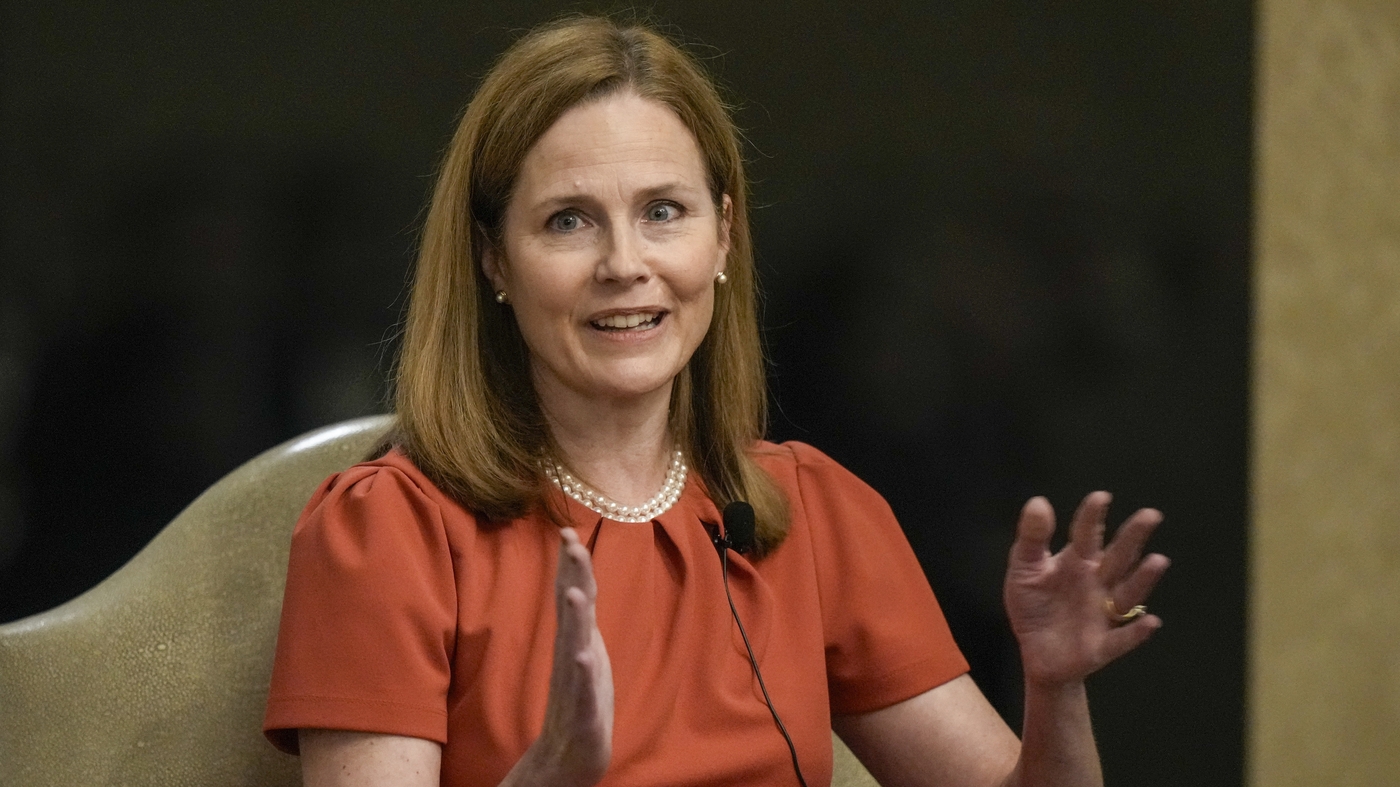
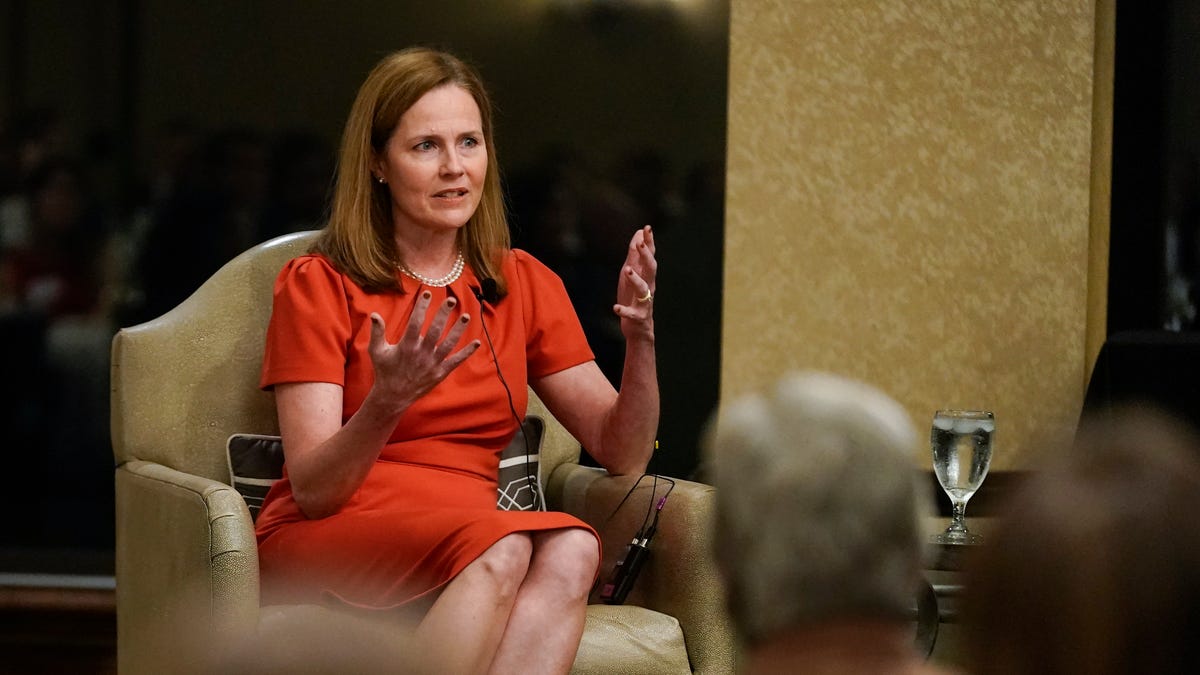
Supreme Court Justice Amy Coney Barrett expressed support for implementing an ethics code for the high court, stating that it would help communicate their actions to the public more clearly. However, she did not provide a timeline or specifics on what the code would entail. Recent investigations have raised concerns about possible ethics violations among justices, including failure to disclose trips and interactions with donors. Barrett joins other justices, including Elena Kagan and Brett Kavanaugh, in advocating for a code of ethics. The Senate Judiciary Committee has voted to send a bill to the Senate floor that would require the Supreme Court to adopt a code of ethics and provide explanations for recusal decisions.
Supreme Court Justice Amy Coney Barrett expressed support for the adoption of a formal code of conduct for the court, stating that it would help communicate their actions to the public more clearly. Barrett emphasized that all nine justices already agree on holding themselves to the highest ethical standards. While she did not offer an opinion on calls for an official code of conduct, Barrett mentioned that the justices already follow statutes that apply to all judges and personally adhere to the canons of conduct from their previous roles. The issue of ethics has gained attention recently, with concerns raised about justices' activities outside of their judicial duties.
Justice Amy Coney Barrett expressed support for the adoption of an ethics code for the Supreme Court during a conversation at the University of Minnesota Law School. She emphasized the need for greater public transparency and communication about the court's activities. Barrett joined other justices in backing the idea, following recent scrutiny over ethics practices, including failure to report gifts and luxury travel. However, she could not provide a timeline or specific details about the code. Demonstrators briefly interrupted the event, protesting Barrett's vote on abortion rights. Barrett also discussed the collegial atmosphere of the court and the challenges of balancing her personal and professional life.
Justice Amy Coney Barrett expressed support for implementing a code of conduct for the Supreme Court, stating that it would be a "good idea" to communicate their actions clearly to the public. Barrett's remarks align with recent statements from other justices, including Elena Kagan and John Roberts, who have advocated for ethics changes at the high court. The Supreme Court has faced criticism for controversies surrounding lavish travel and potential conflicts of interest. Barrett did not provide a reason for the court's delay in adopting an ethics code.
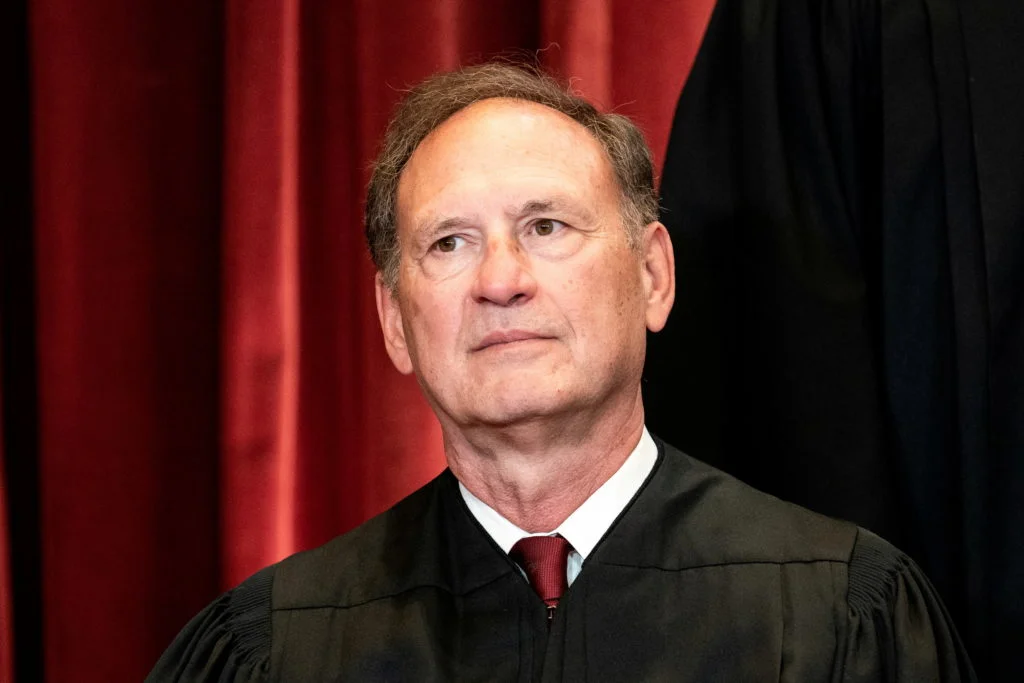
Justice Samuel Alito has rejected Senate Democrats' demands for him to step aside from an upcoming Supreme Court case due to his interactions with one of the lawyers involved. Alito attached a statement to a routine list of court orders, stating that there is no valid reason for his recusal. Senate Democrats have criticized Alito and the court for not adopting an ethics code, citing undisclosed paid trips taken by Justice Clarence Thomas and Alito. The Democrats argued that Alito's interviews with a lawyer involved in the case cast doubt on his ability to judge fairly. Alito responded, stating that the lawyer participated as a journalist, not an advocate, and that his involvement in the case was disclosed.