The Israeli government has approved the closure of Army Radio after 75 years, citing concerns over political content and military involvement, amid broader efforts to tighten control over media and restrict press freedom, which has sparked opposition and legal challenges.
NYC mayoral candidate Zohran Mamdani's statement marking two years since the Oct. 7 attacks, criticizing Israel's response and calling for an end to occupation and apartheid, was condemned as 'shameful' by Israel, sparking controversy and debate over his stance on the Israel-Palestine conflict.
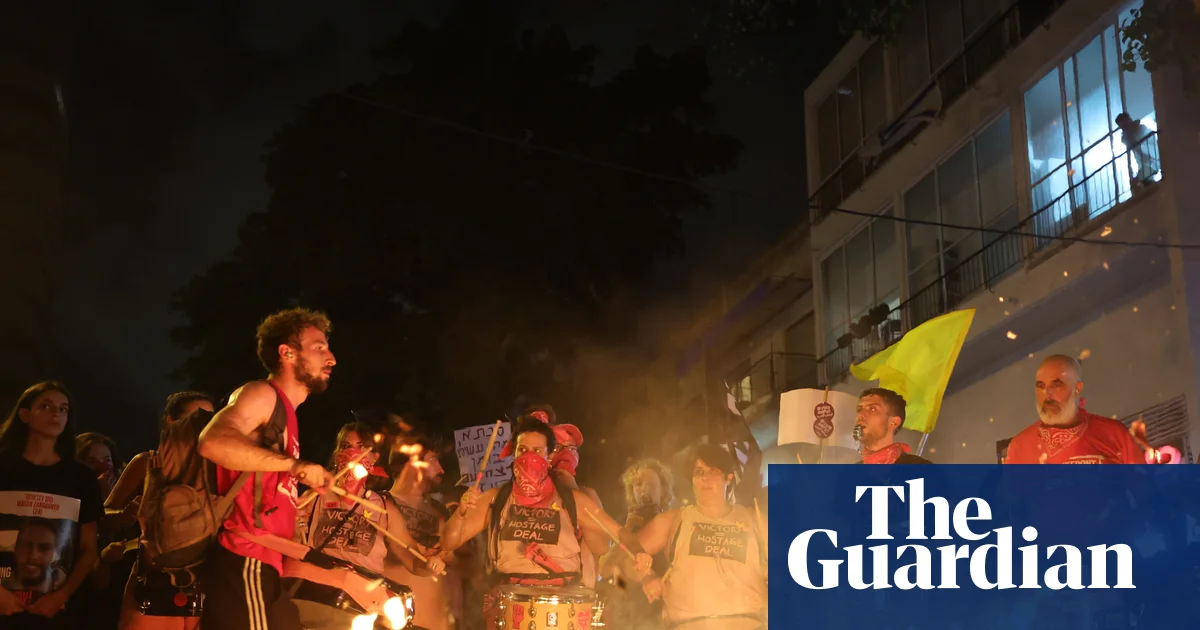
Tens of thousands of protesters in Tel Aviv demand an end to the Gaza war and the release of hostages, criticizing the Israeli government's military actions and calling for negotiations, amid ongoing clashes and a humanitarian crisis in Gaza.
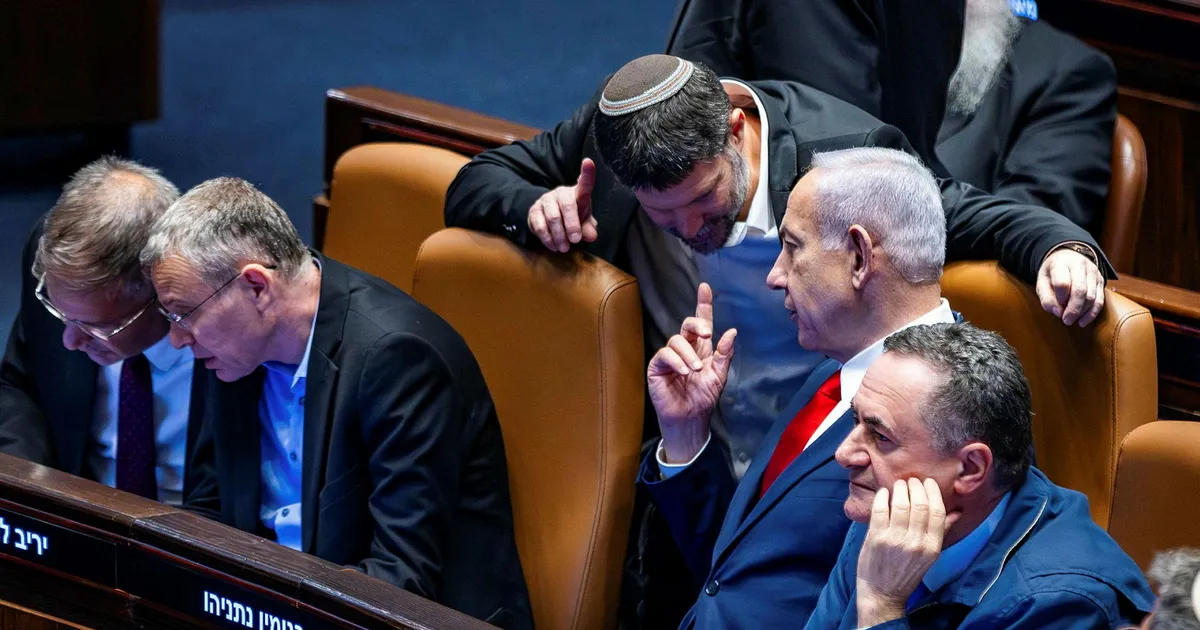
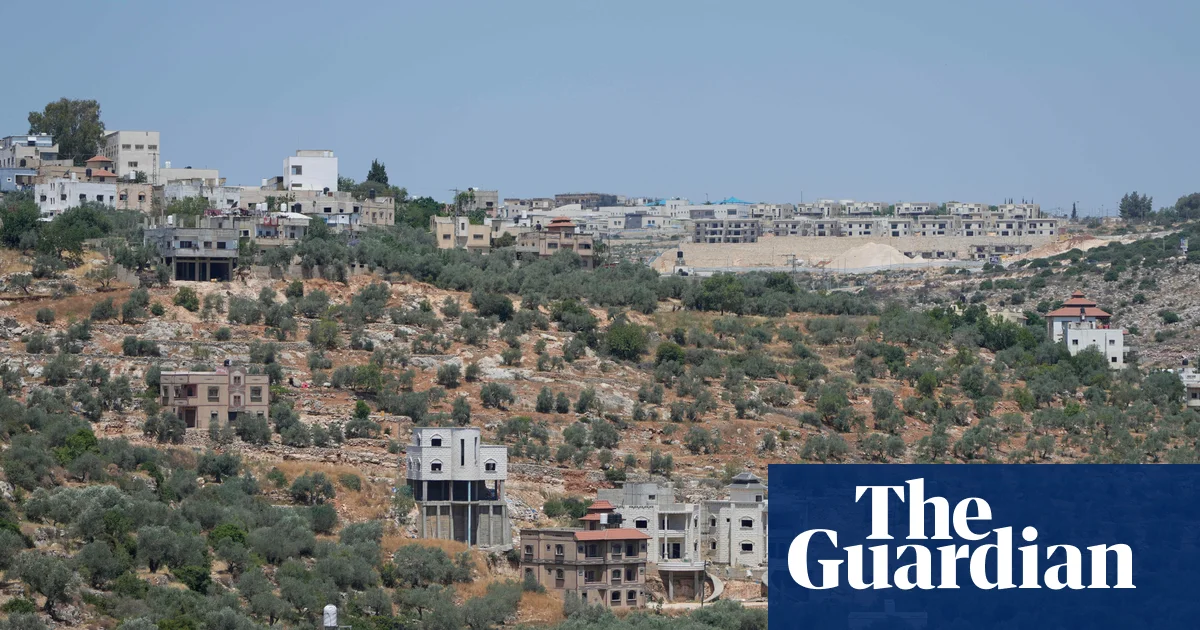
Israeli Finance Minister Bezalel Smotrich announced approval of a new E1 settlement plan in Ma'aleh Adumim, which he claims will effectively end the idea of a Palestinian state by splitting the West Bank, though official confirmation is pending. The plan involves constructing 3,401 housing units and has received strong local support, but has been criticized internationally as a setback to the two-state solution.
Prime Minister Netanyahu is considering a plan to annex parts of Gaza if Hamas does not agree to a ceasefire, aiming to appease far-right ministers and with support from the Trump administration, potentially leading to international backlash.
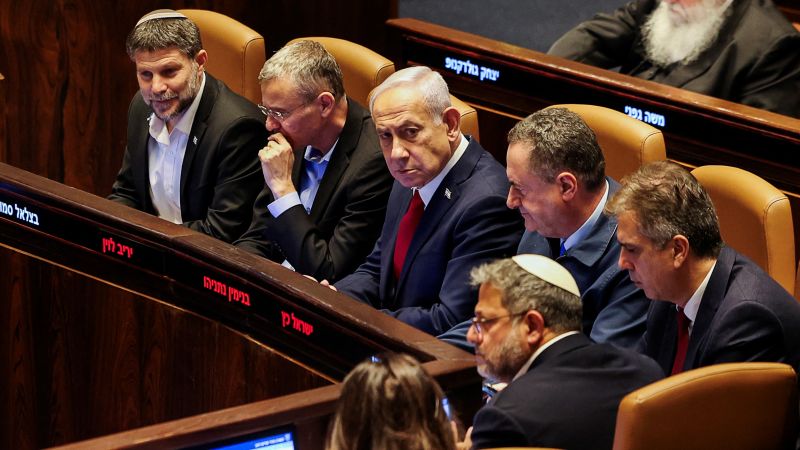
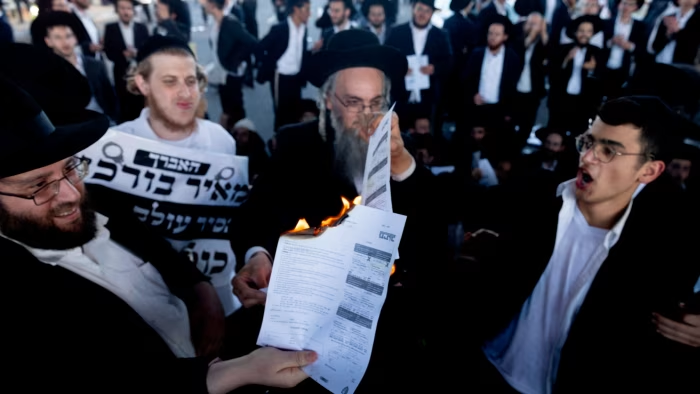
Benjamin Netanyahu's government faces a setback as the ultraorthodox Shas party withdraws over the failure to pass legislation exempting religious students from military service, highlighting divisions within his coalition. Despite the departure, Shas remains in the coalition, and early elections are unlikely unless opposition parties push for them. The dispute over military exemptions for Haredi students remains a contentious issue in Israeli politics.
Israel plans to establish 22 new settlements in the occupied West Bank, including legalizing existing outposts, as part of a broader strategy to strengthen control over the area and prevent the establishment of a Palestinian state, amid ongoing land seizures and political support from far-right officials and international allies.
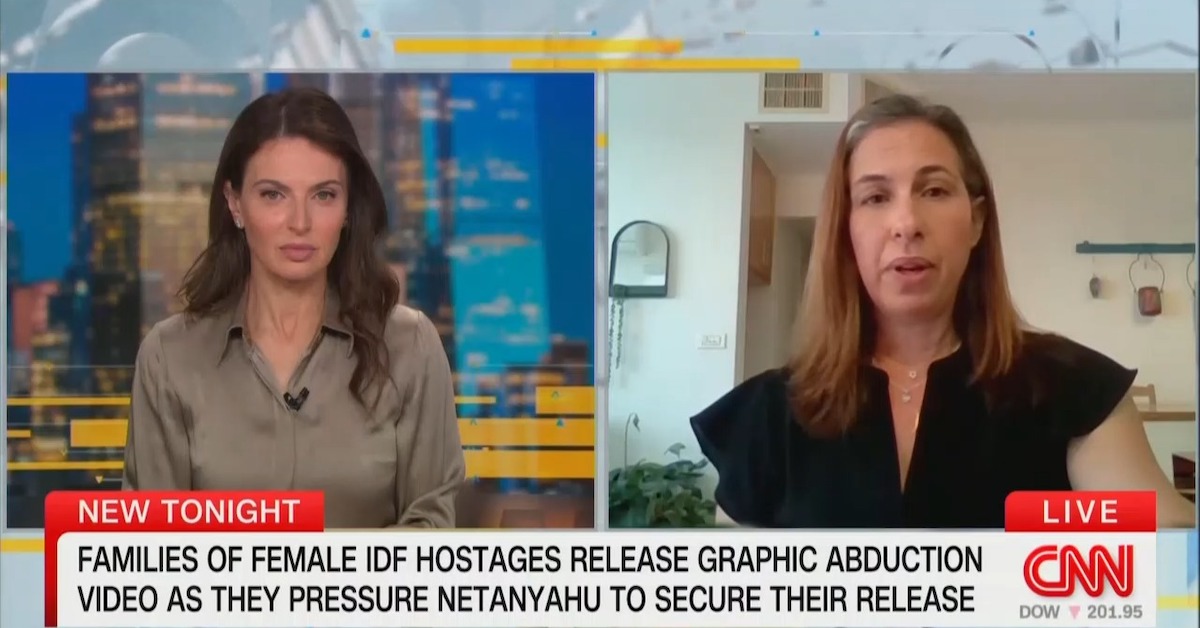
Dr. Ayelet Levy Shachar, mother of a hostage held by Hamas, criticized Israeli officials for refusing to watch a video of her daughter's kidnapping, claiming they wanted to "sleep ok at night." She expressed frustration over the lack of progress in hostage negotiations and the government's prioritization. The video, showing bloodied women being zip-tied and threatened, highlights the ongoing trauma since the Oct. 7 attack by Hamas, which resulted in over 1,000 deaths and numerous kidnappings. Concerns about potential sexual violence against the hostages were also raised.
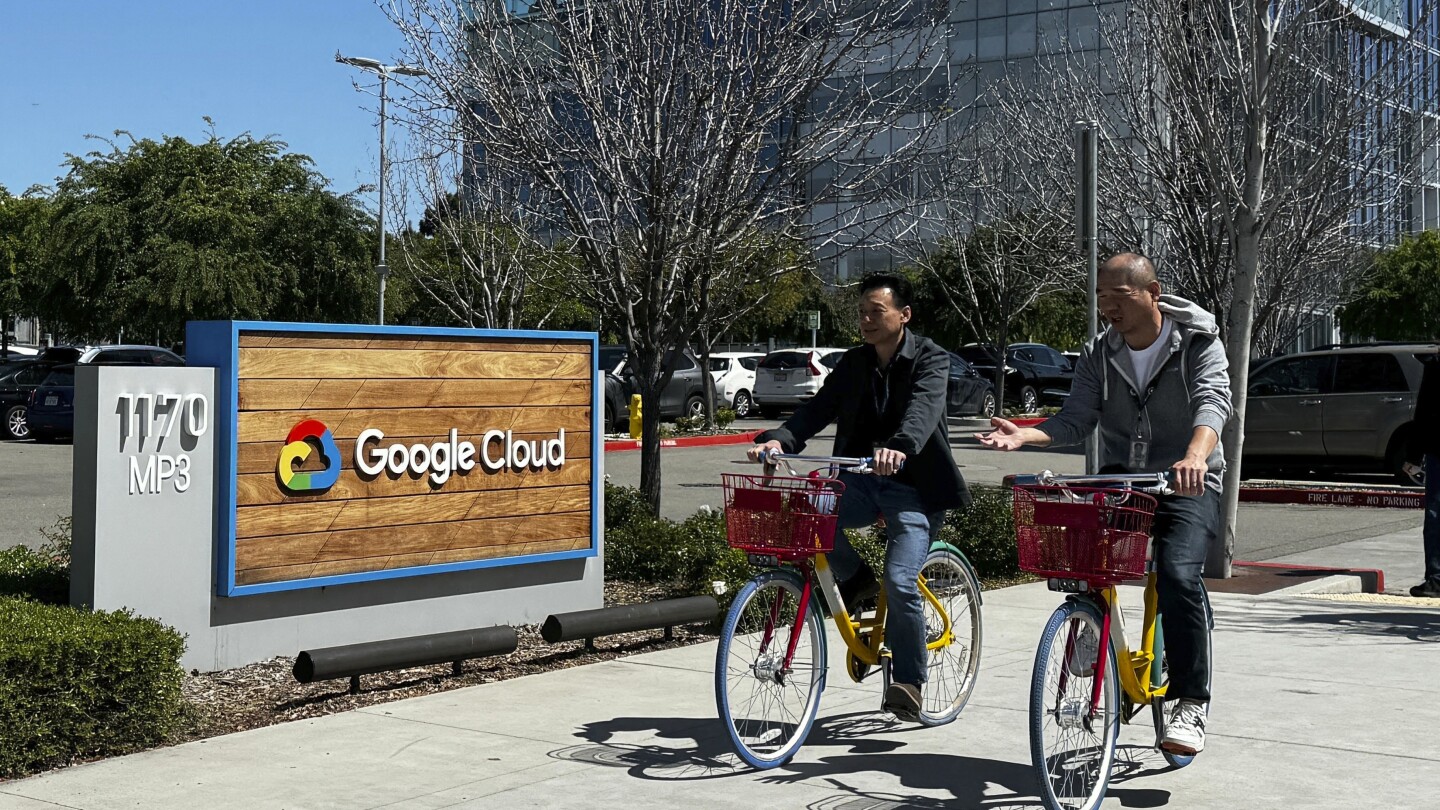
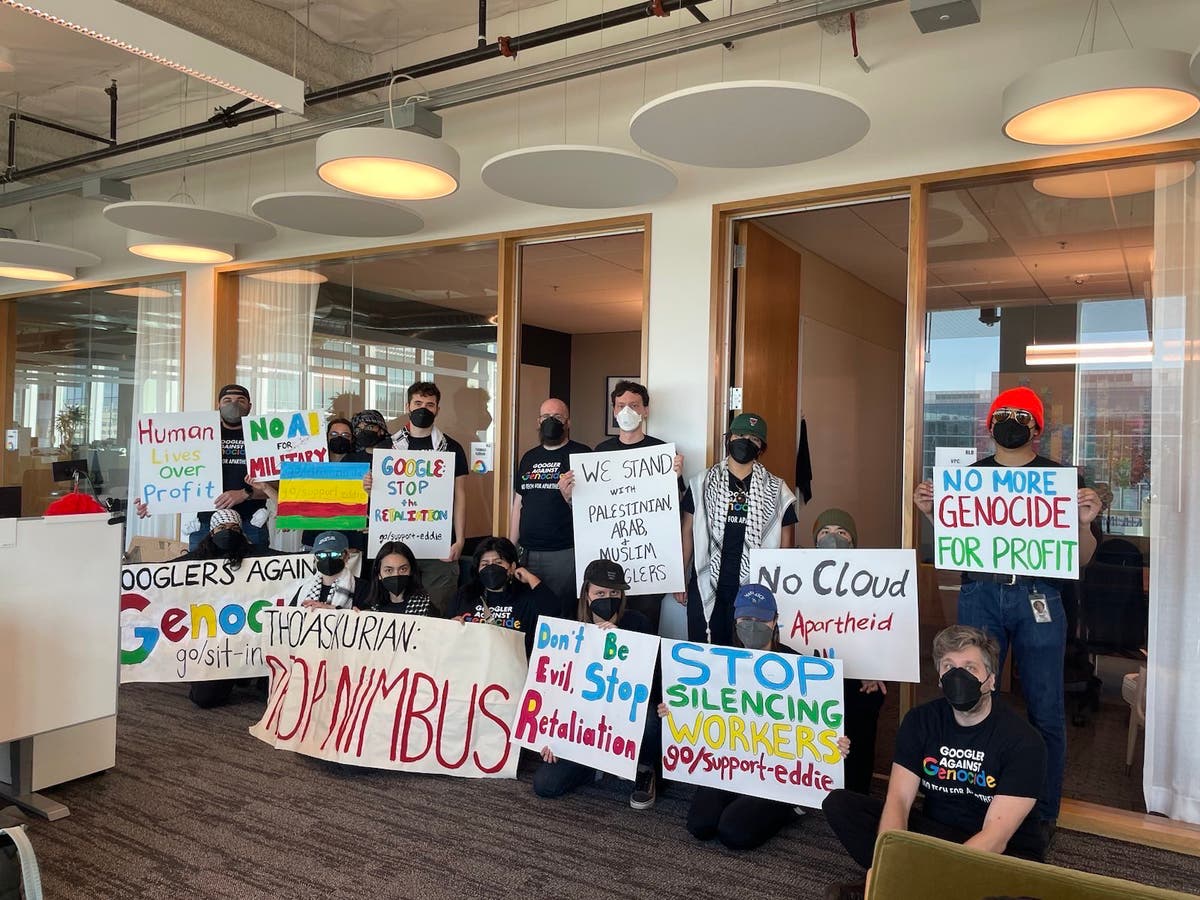
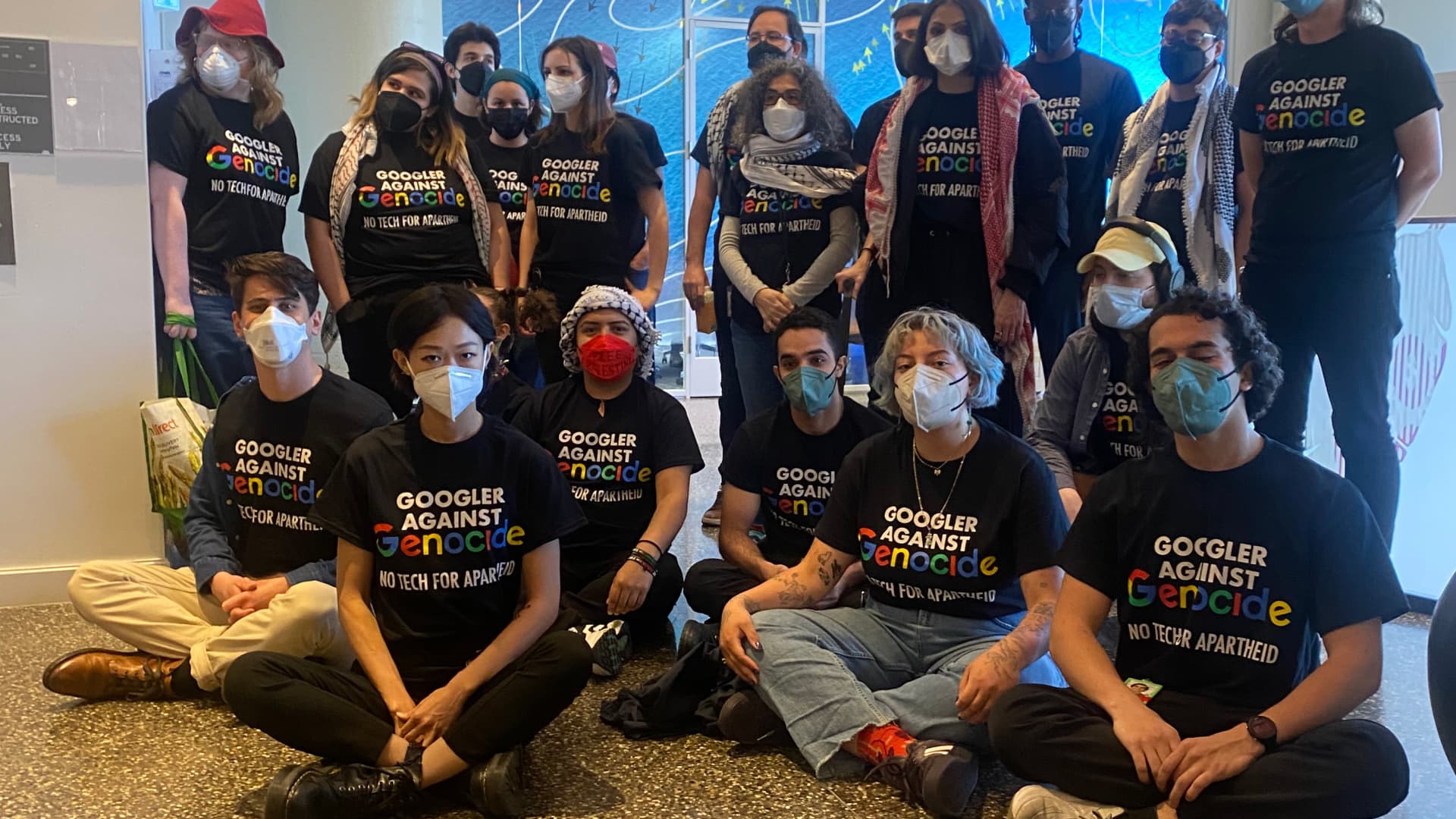
Google has fired 28 employees following protests over a $1.2 billion contract with the Israeli government for cloud computing and AI services, leading to tensions and arrests. The company cited "completely unacceptable behavior" and a threatening atmosphere as reasons for the firings, while the protesting group, No Tech For Apartheid, accused Google of prioritizing the contract over its workers. This incident adds to previous employee uprisings over ethical concerns, but Google's revenue continues to thrive primarily through digital advertising.
Google terminated 28 employees who participated in protests against the company's cloud contract with the Israeli government, citing disruption of work and violation of policies. The protesting employees, affiliated with the No Tech for Apartheid campaign, accused Google of valuing its contract with the Israeli government over its workers. The contract in question, Project Nimbus, is a $1.2bn deal to supply cloud services to the Israeli government, which the protesting faction claims supports the development of military tools. This is not the first time Google has faced internal resistance over its government contracts, as employees successfully pushed the company to shelve a contract with the US military in 2018.
Google terminated 28 employees who participated in protests against the company's cloud contract with the Israeli government, citing disruption of work and violation of policies. The protesting employees, affiliated with the No Tech for Apartheid campaign, called it a "flagrant act of retaliation" and emphasized their right to peacefully protest labor conditions. The contract in question, Project Nimbus, has raised concerns about supporting the development of military tools by the Israeli government, although Google maintains that it is not directed at sensitive or military workloads.
Google fired 28 employees after protests at its offices against a cloud contract with the Israeli government, leading to arrests and accusations of indiscriminate terminations. The protests were in response to a $1.2bn contract with the Israeli government, known as Project Nimbus. Google claims the contract is not for military workloads, but protestors argue against supporting any military contracts. The terminations have sparked controversy, with accusations that Google values its contract with the Israeli government more than its own workers.
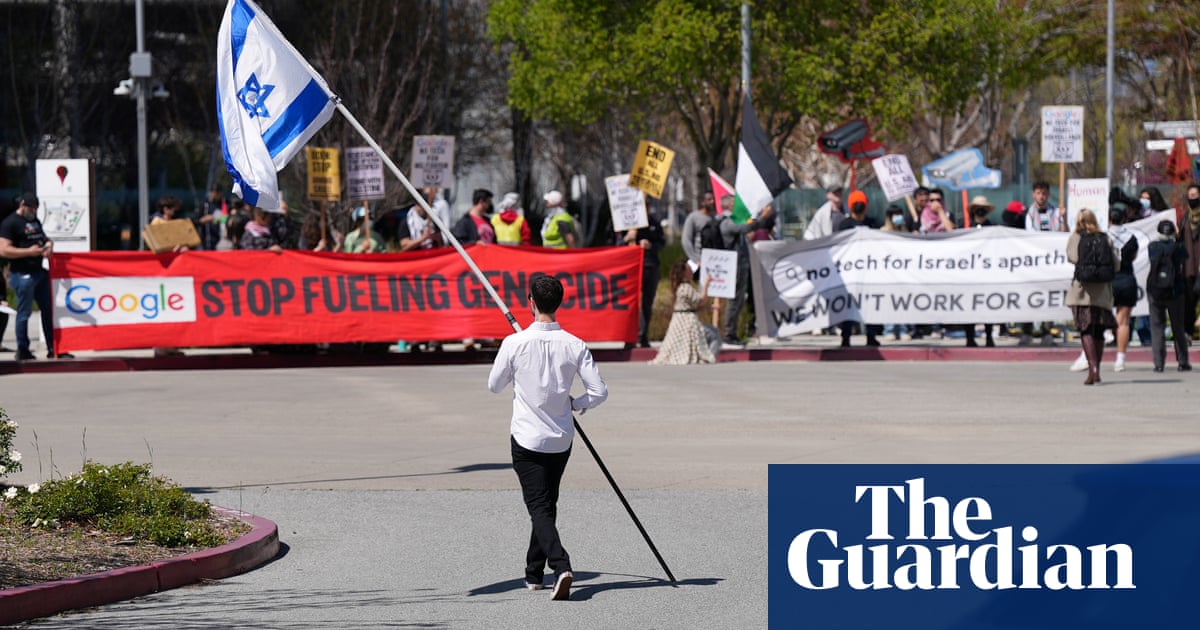
Nine Google workers were arrested after staging a sit-in protest at the company's offices in New York and Sunnyvale, California, against the Project Nimbus contract, a joint $1.2 billion deal with the Israeli government and military for cloud computing services. The protests, led by the "No Tech for Apartheid" organization, focused on opposing Google's involvement in providing technology for military use. The workers were also protesting their labor conditions and demanding the company address the health and safety crisis workers are facing due to the potential impacts of their work.
Google employees in Sunnyvale, Calif., and New York City protested the company's $1.2 billion contract with the Israeli government, organizing sit-ins and demanding the tech giant back out of the deal. The contract, known as Project Nimbus, provides cloud computing services to the Israeli government and has faced backlash from workers and activists, particularly in light of Israel's military campaign in Gaza. Google has stated that the contract is for non-sensitive workloads and complies with its terms of service, but the protests have led to some employees being put on administrative leave.
Israeli government and critics accuse Oscar celebrities, including Billie Eilish and Mark Ruffalo, of wearing a Palestinian "symbol of bloodlust" at the Oscars, which they claim originated from a 2000 Palestinian lynching of two Israelis. The red hand pin, worn in support of a ceasefire in the Middle East, has sparked controversy, with critics denouncing it as a symbol of "homicidal Jew-hatred." The pin's origins are tied to a gruesome event during the Second Intifada, and its use by celebrities has reignited tensions surrounding the Israeli-Palestinian conflict.