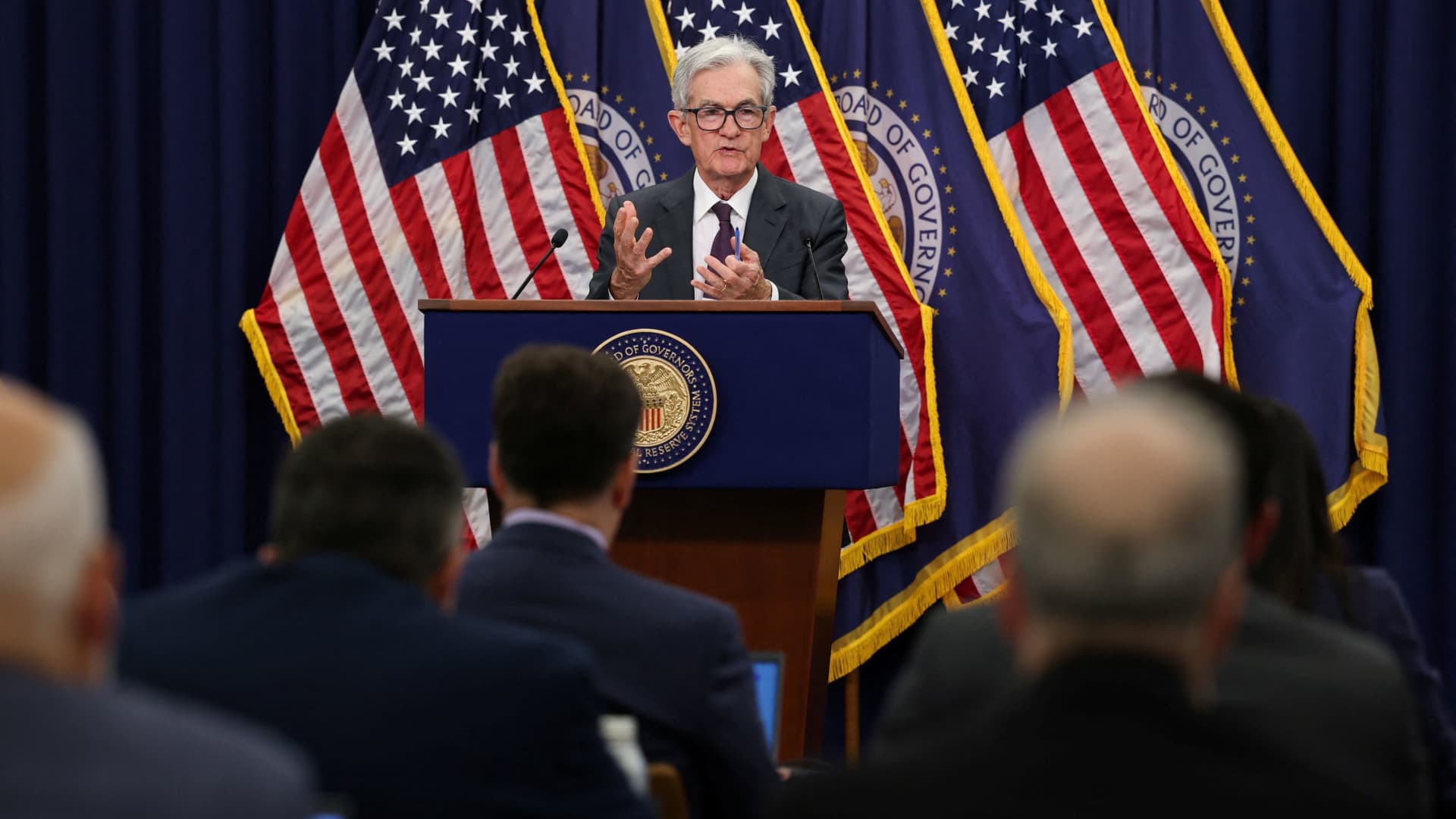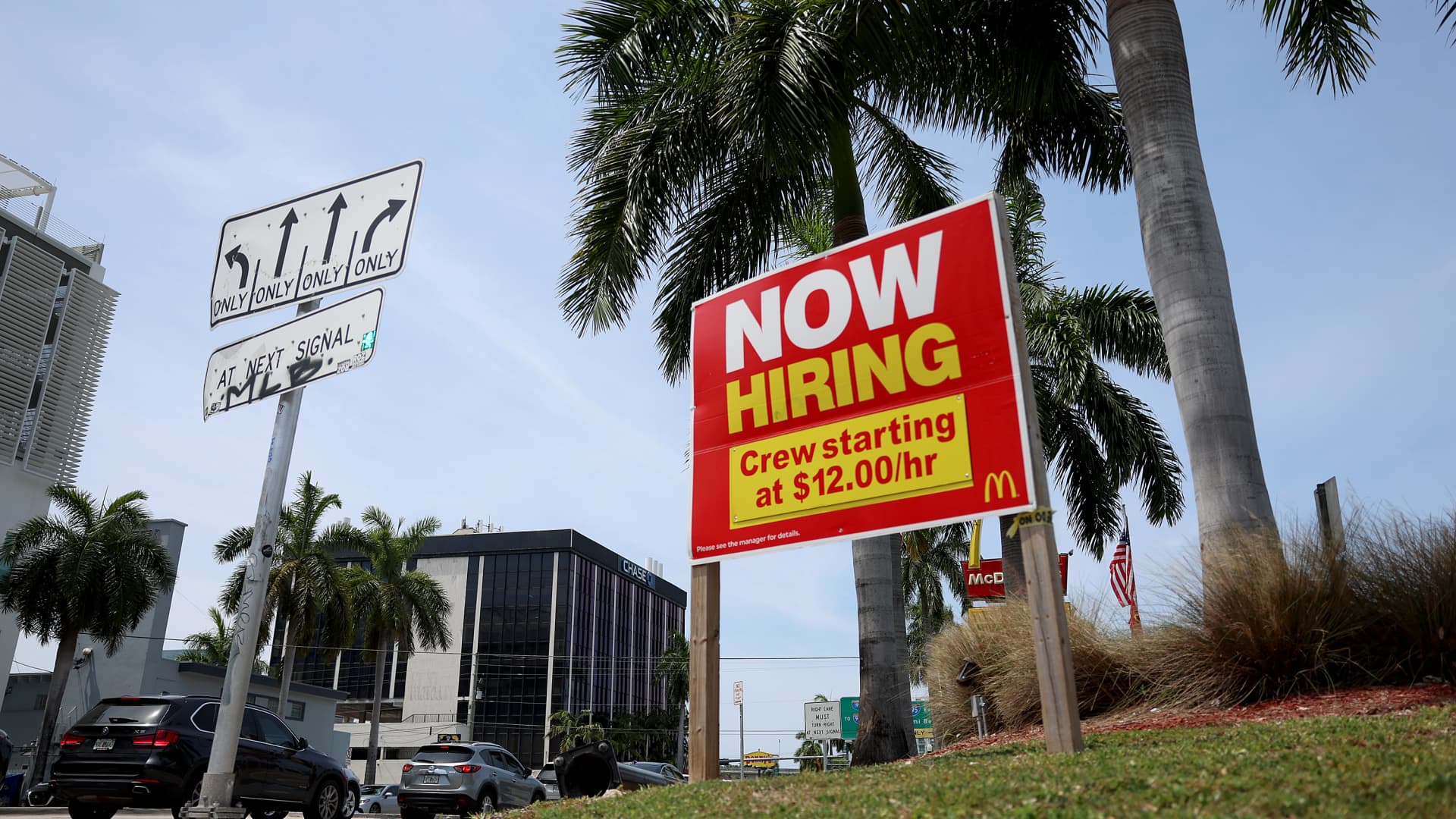
The US labor market is experiencing weak job growth and low turnover, leaving many workers unemployed or underemployed, especially affecting young, mid-career, and older workers, amid economic uncertainty and industry slowdowns, prompting concerns from the Federal Reserve about potential impacts on employment and economic stability.
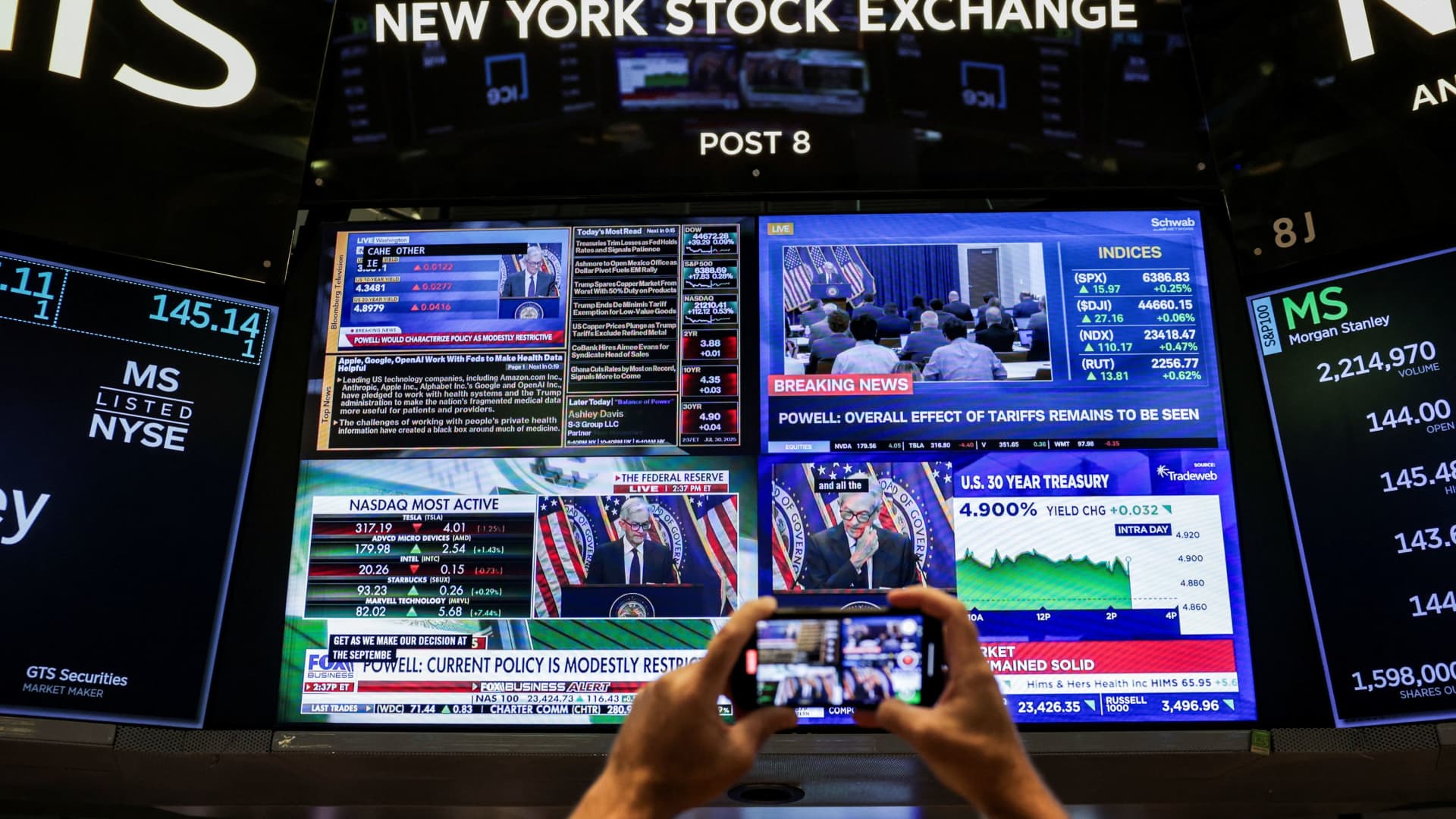
Wall Street faces a dilemma as hopes for a Federal Reserve rate cut conflict with signs of slowing jobs growth, leading to market volatility and uncertainty about future monetary policy actions.
Jim Cramer has issued an urgent message to Federal Reserve Chair Jerome Powell following disappointing jobs growth in July, highlighting concerns about the economic outlook.
US job growth slowed in May amid shifting trade policies and cautious consumer spending, with economists predicting a rise of around 125,000 jobs. Uncertainty around trade tariffs and global economic conditions is influencing Federal Reserve decisions and economic outlooks worldwide, including Europe and Asia, where inflation and growth data are closely watched. The overall tone suggests a cautious but resilient global economic environment amid ongoing trade tensions and policy adjustments.
The US labor market is still hot with 253,000 new nonfarm jobs last month, beating Wall Street estimates. Berkshire Hathaway held its annual meeting and CEO Warren Buffett shared his favorite stocks. US markets jumped on Friday due to Apple's better-than-expected earnings and April's jobs report. US Treasury Secretary Janet Yellen warned of a "steep economic downturn" if the White House fails to raise the debt ceiling. JPMorgan Chase upgraded three regional bank stocks to "overweight," causing the SPDR S&P Regional Banking ETF to rise 6.3%.