Iran declares end to nuclear deal and restrictions
Iran announced it is no longer bound by the 2015 nuclear deal, officially expired, and considers all restrictions terminated, amid ongoing tensions and stalled negotiations with Western powers.
All articles tagged with #jcpoa

Iran announced it is no longer bound by the 2015 nuclear deal, officially expired, and considers all restrictions terminated, amid ongoing tensions and stalled negotiations with Western powers.

The article discusses the controversy surrounding Iran's use of the 'snapback' mechanism in the JCPOA, highlighting its role as a legal and geopolitical tool that exposes deep divisions in the international order, with implications for sovereignty, legitimacy, and global governance.

Iran faces 'snapback' sanctions reimposed by the UN due to alleged violations of the JCPOA nuclear deal, leading to potential increased isolation and reduced oversight, amid ongoing tensions and Iran's defiance.

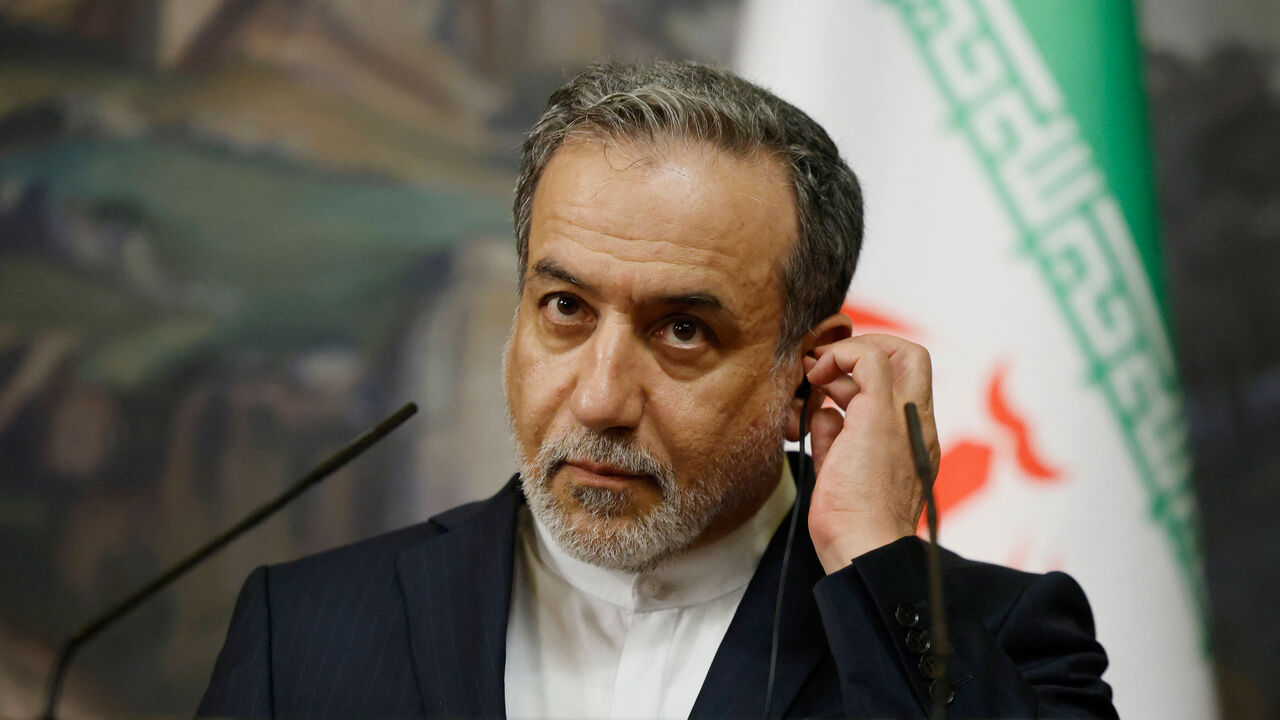
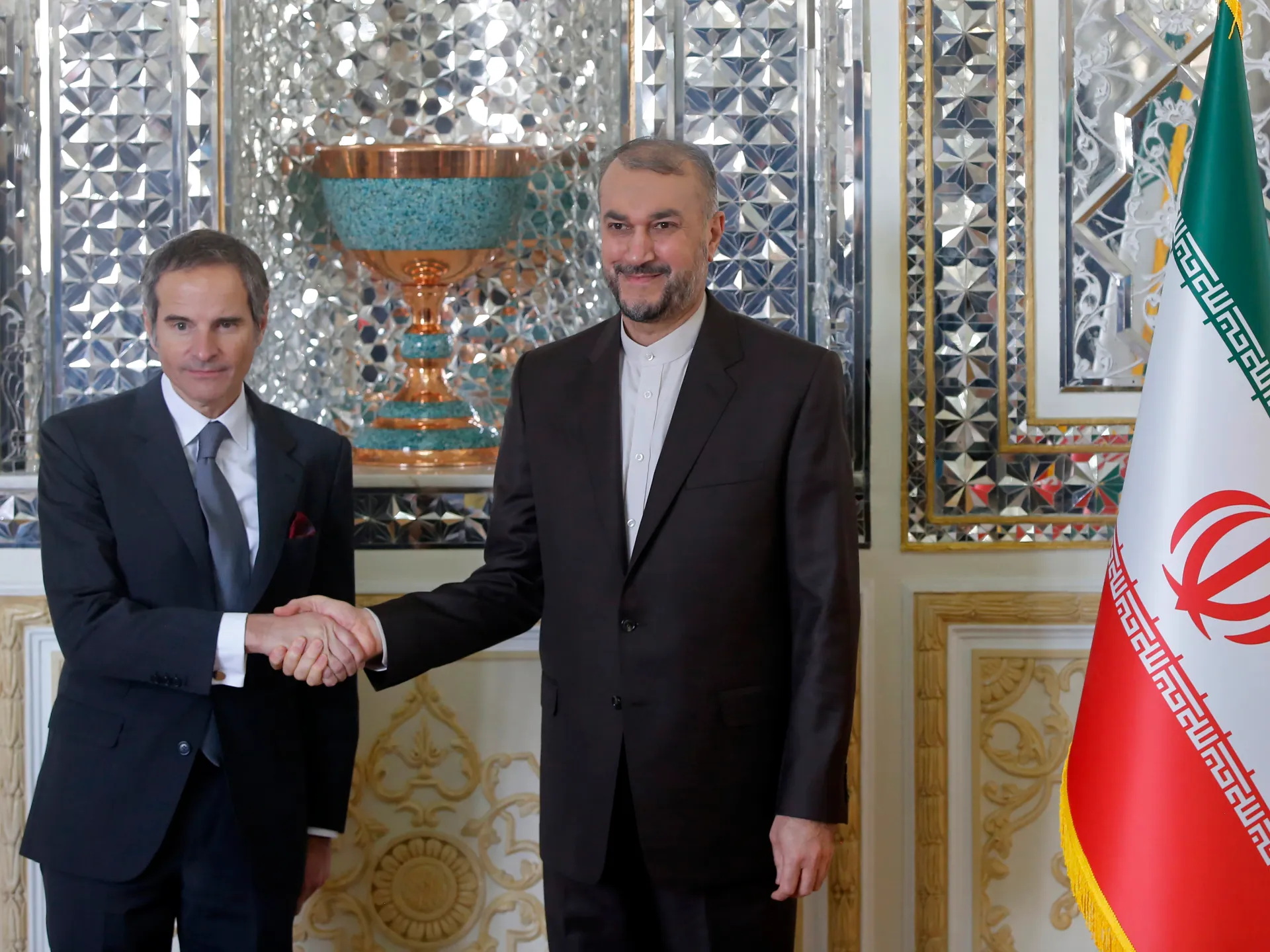
The article discusses the history of Iran's nuclear negotiations, highlighting Abbas Araghchi's role in the development of the JCPOA and the impact of Donald Trump's withdrawal from the agreement in 2018, which has complicated efforts to address Iran's nuclear program and regional security.

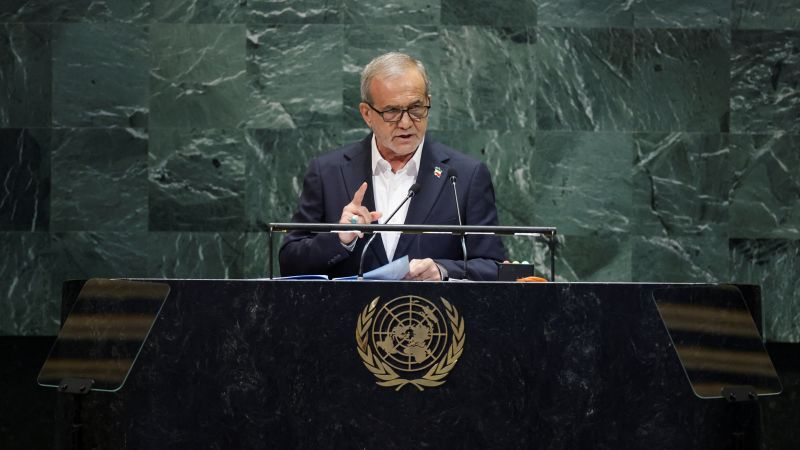
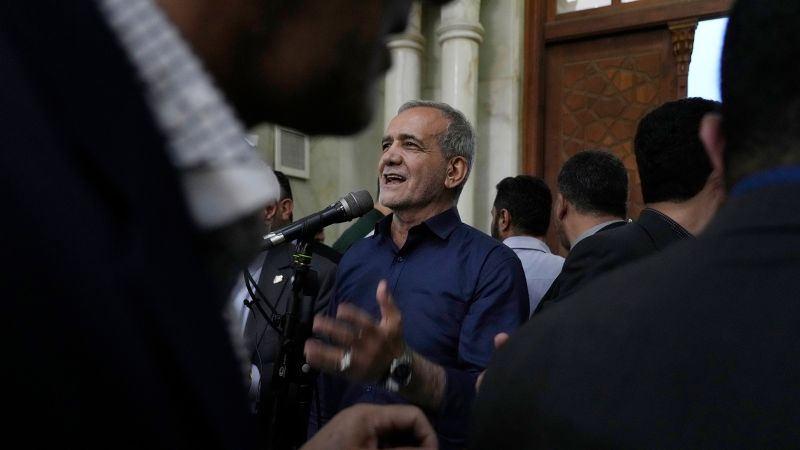
Iran’s President-elect Masoud Pezeshkian aims to improve relations with Europe despite accusing it of failing to uphold commitments to mitigate US sanctions. He emphasizes constructive dialogue and mutual respect, while criticizing European countries for not fulfilling their promises under the JCPOA. Pezeshkian, a reformist, advocates for addressing Iran's nuclear program through dialogue and urges the US to reconsider its policies. However, Iran's Supreme Leader Ayatollah Khamenei holds ultimate authority on foreign policy.

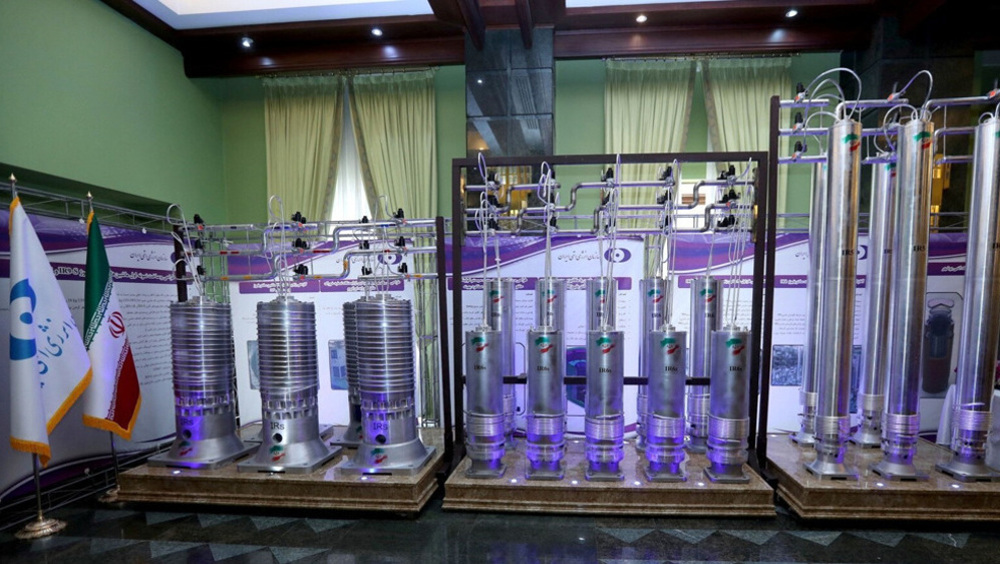
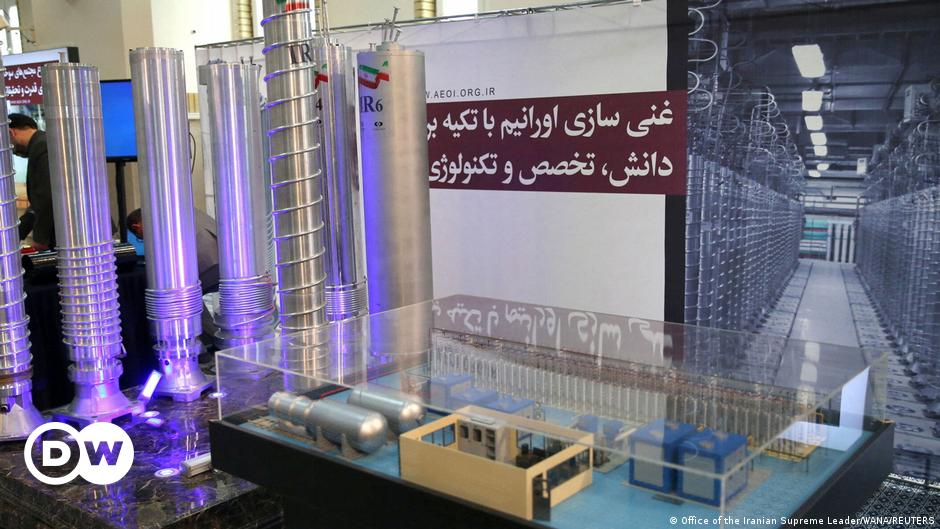
Iran has urged France, Germany, Britain, and the United States to stop pressuring its nuclear program and instead take necessary political steps. The Iranian Foreign Ministry spokesman responded to a joint Western statement condemning Iran's increased production of highly enriched uranium, emphasizing the peaceful nature of the program and the importance of diplomacy. Iran criticizes the E3 and the US for abandoning negotiations and insists on continuing cooperation with the IAEA, while reminding that its enrichment activities are in line with peaceful needs and under IAEA supervision. Iran has been reducing its JCPOA commitments since 2019 after the US withdrawal from the deal and the E3's failure to meet their obligations.

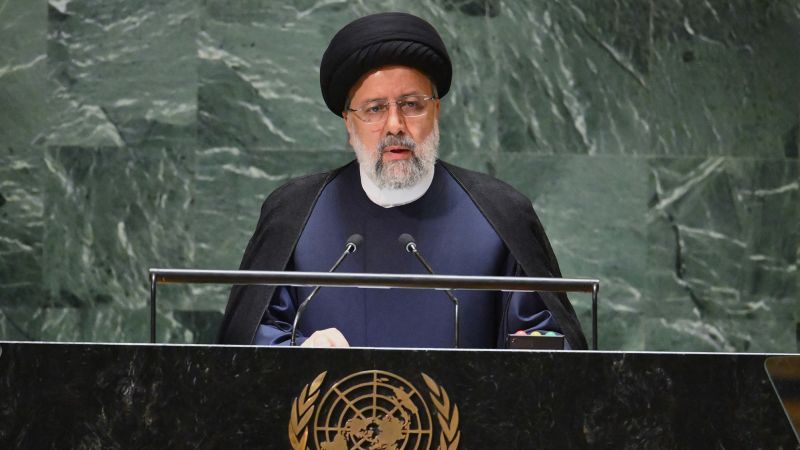
Iranian President Ebrahim Raisi defended Iran's enrichment of uranium to near weapons-grade levels, stating that it was in response to European states not fulfilling their commitments under the 2015 nuclear agreement. Raisi denied accusations that Iran seeks to build a nuclear bomb and reiterated Tehran's claim that it does not plan to acquire one. The Joint Comprehensive Plan of Action (JCPOA), signed between Iran and world powers, including the US and the European Union, aimed to limit Iran's nuclear program in exchange for sanctions relief. The US withdrew from the deal in 2018, affecting European trade with Iran. Iran has accused other JCPOA signatories of failing to uphold their parts of the agreement. Talks to revive the deal have been ongoing but have not yet resulted in an agreement.

The European Union has criticized Iran for withdrawing accreditation from several United Nations nuclear inspectors, a move that has a severe impact on the International Atomic Energy Agency's ability to conduct verification activities, including monitoring the Joint Comprehensive Plan of Action (JCPOA). The EU has called on Iran to reconsider its decision, while IAEA chief Rafael Grossi described it as disproportionate and unprecedented, hampering the agency's inspections in Iran. Iran's Foreign Ministry said the decision was in response to political abuses by the US, France, Germany, and the UK, all key actors in the JCPOA.

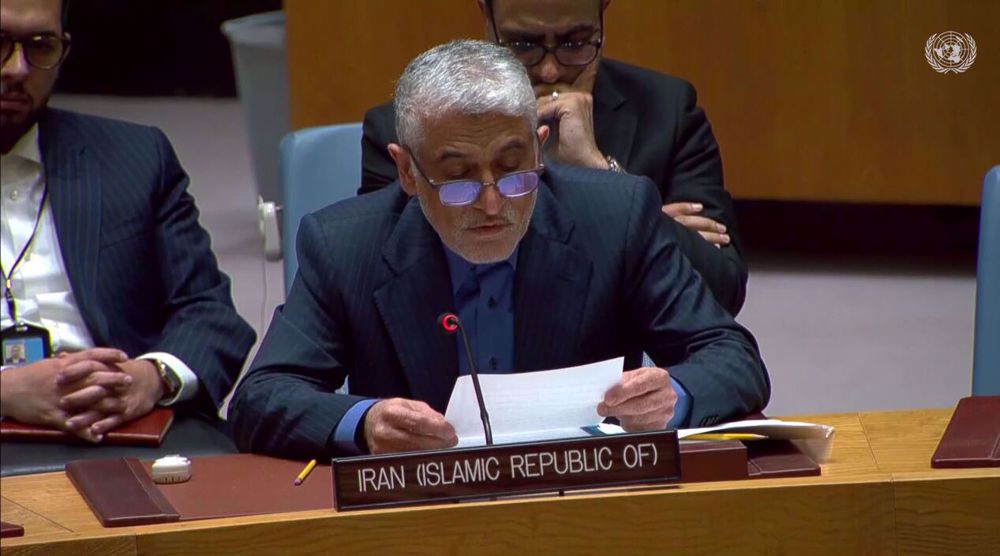
Iran's ambassador to the United Nations criticized the presence of the Ukrainian envoy at a Security Council meeting on non-proliferation and the implementation of the Iran nuclear deal, calling it unconstructive and an attempt to divert attention. Iran rejected Ukraine's allegations of Iranian military drone use in the Ukrainian conflict and accused Ukraine and the UK of abusing UN procedures. The ambassador blamed the US for the failure of the JCPOA due to its unilateral withdrawal and reimposition of sanctions, while also criticizing the European signatories for non-performance with their obligations.

Five years after the US withdrew from the Iran nuclear deal, efforts to restore the landmark accord have failed, contributing to rising tensions in the Middle East. The Trump administration's many designations of Iranian entities and institutions, specifically aimed at making it difficult for his successor Joe Biden to undo his damage, worked in tandem with a changing political climate to prevent a restored JCPOA. The fate of the deal promises to produce more confrontations between Tehran and the West in the coming months.

Despite Iran's recent drone attack on an American base in Syria resulting in the murder of a U.S. contractor, the Biden administration remains committed to pursuing the controversial nuclear pact with Tehran, known as the Joint Comprehensive Plan of Action (JCPOA). The White House is reportedly discussing a temporary deal that provides Tehran with some economic sanctions relief in exchange for a freeze of elements of its alleged atomic weapons program. Veteran Iran experts argue that the JCPOA is no longer tenable because it is riddled with serious defects about deterring Iran’s malign behavior, including failing to stop Tehran’s ongoing drone attacks against Americans.

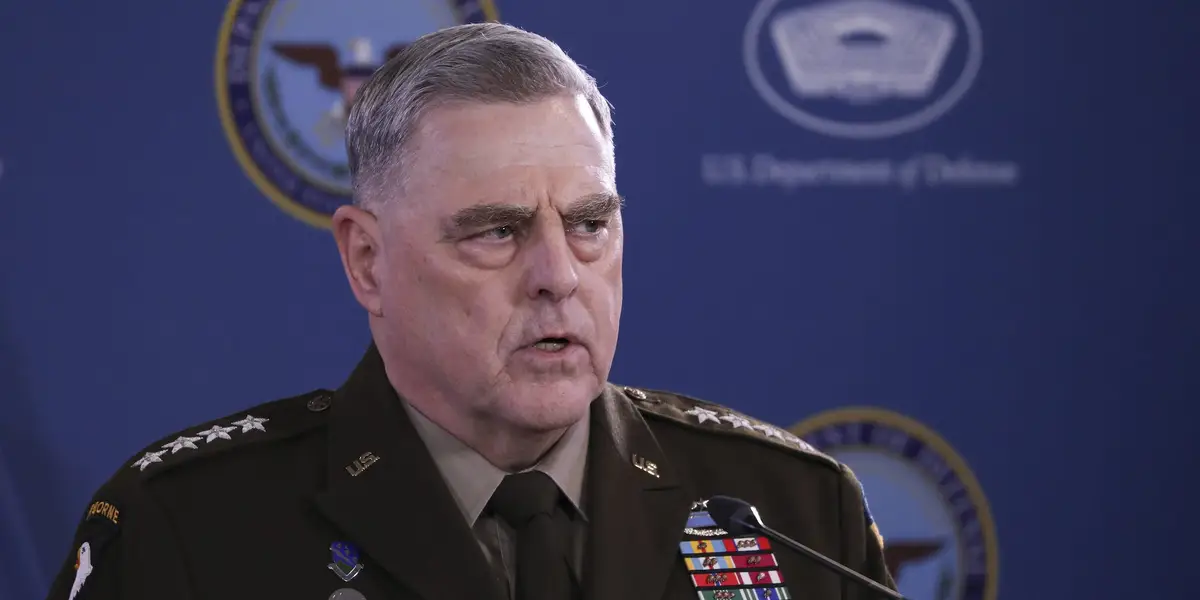
General Mark Milley told lawmakers that Iran could produce a nuclear weapon within "several" months, and the US military has "developed multiple options" for a potential response. Iran's nuclear program has rapidly advanced since the US withdrew from the 2015 nuclear deal, and tensions between Tehran and Washington have reached historic heights. UN inspectors recently found that Tehran has enriched uranium to 84%, close to weapons-grade levels of 90%. The Biden administration has signaled that the effort to save the JCPOA deal is "not on our agenda."