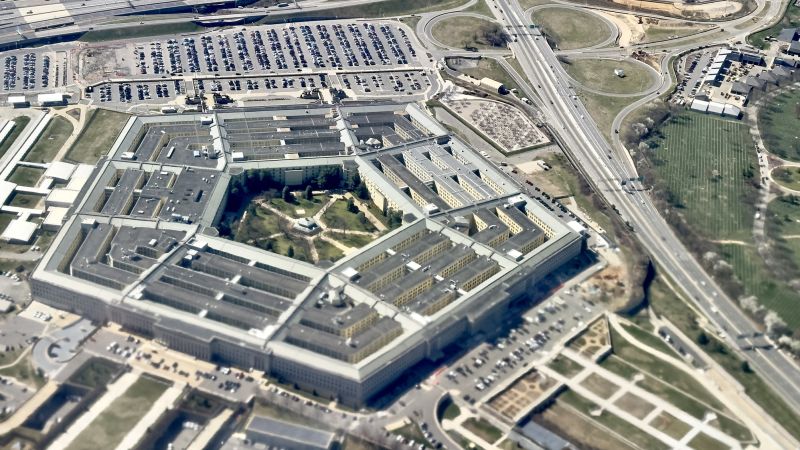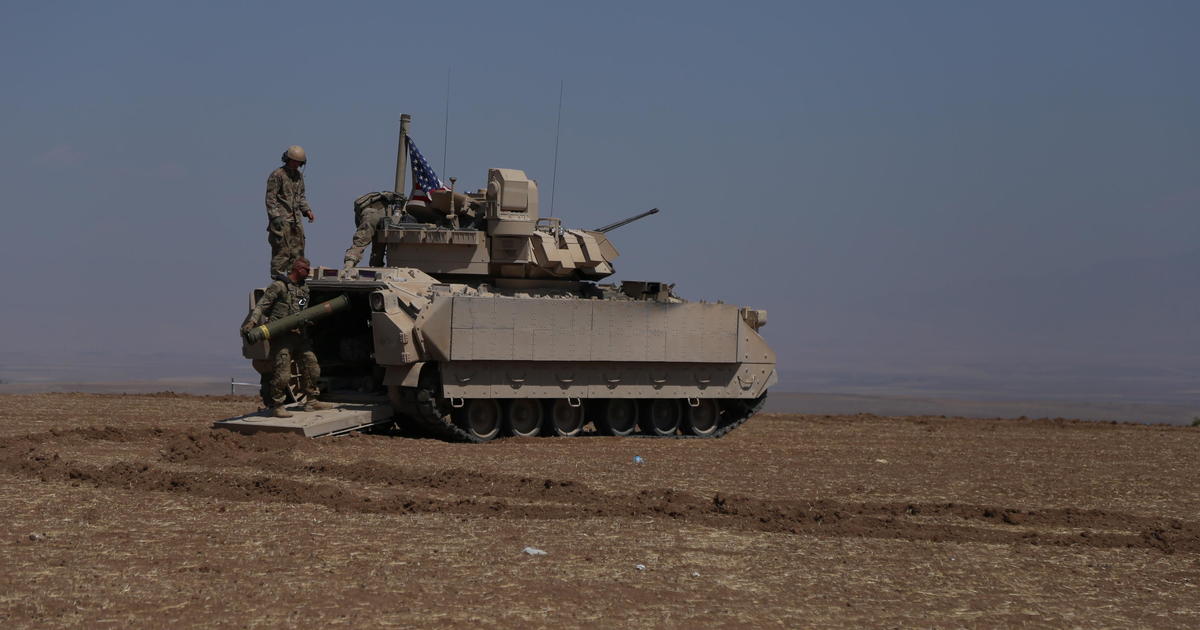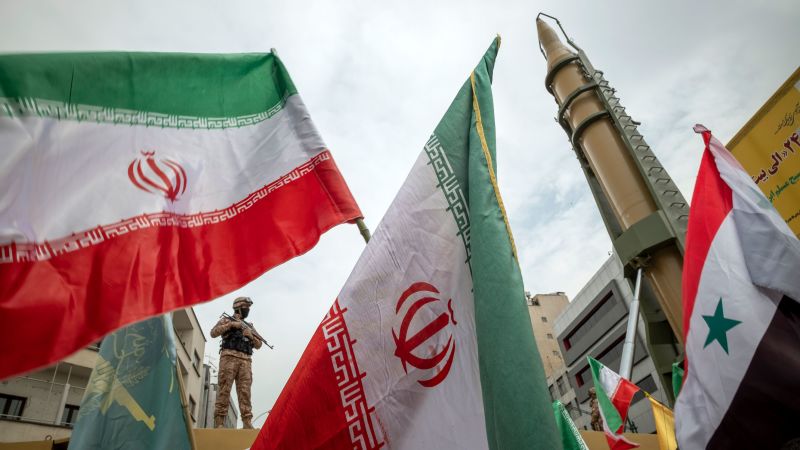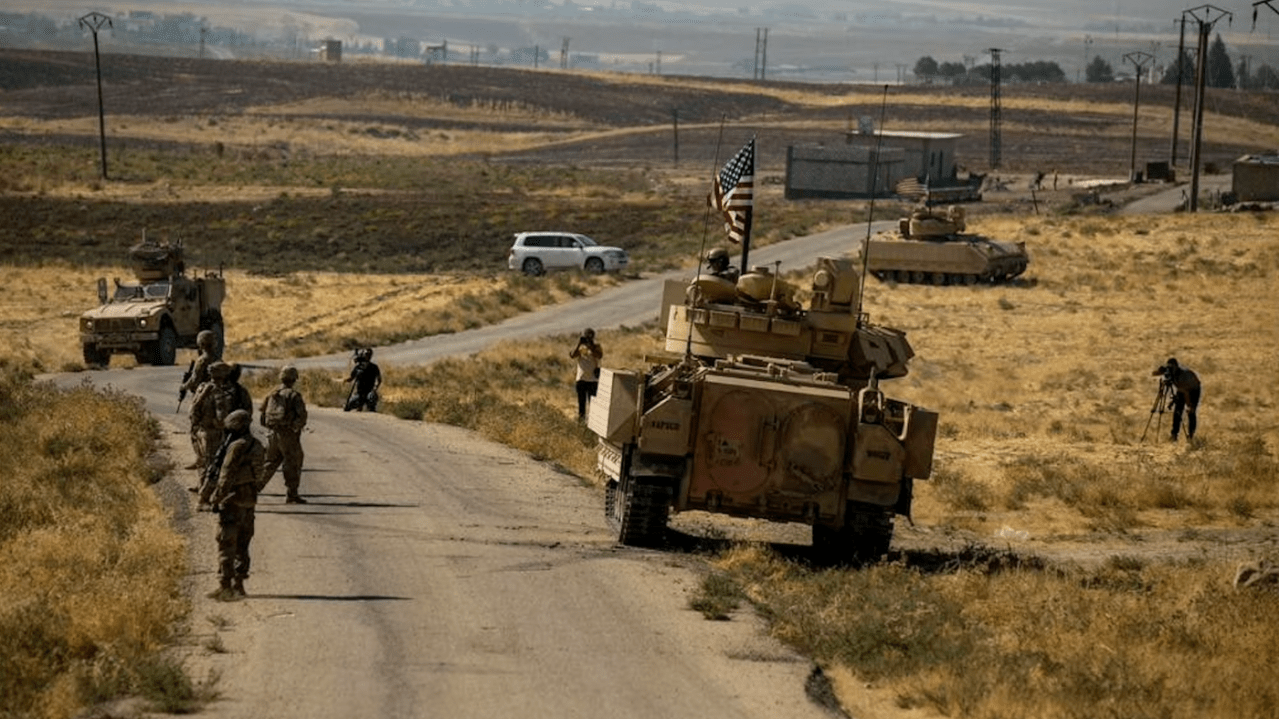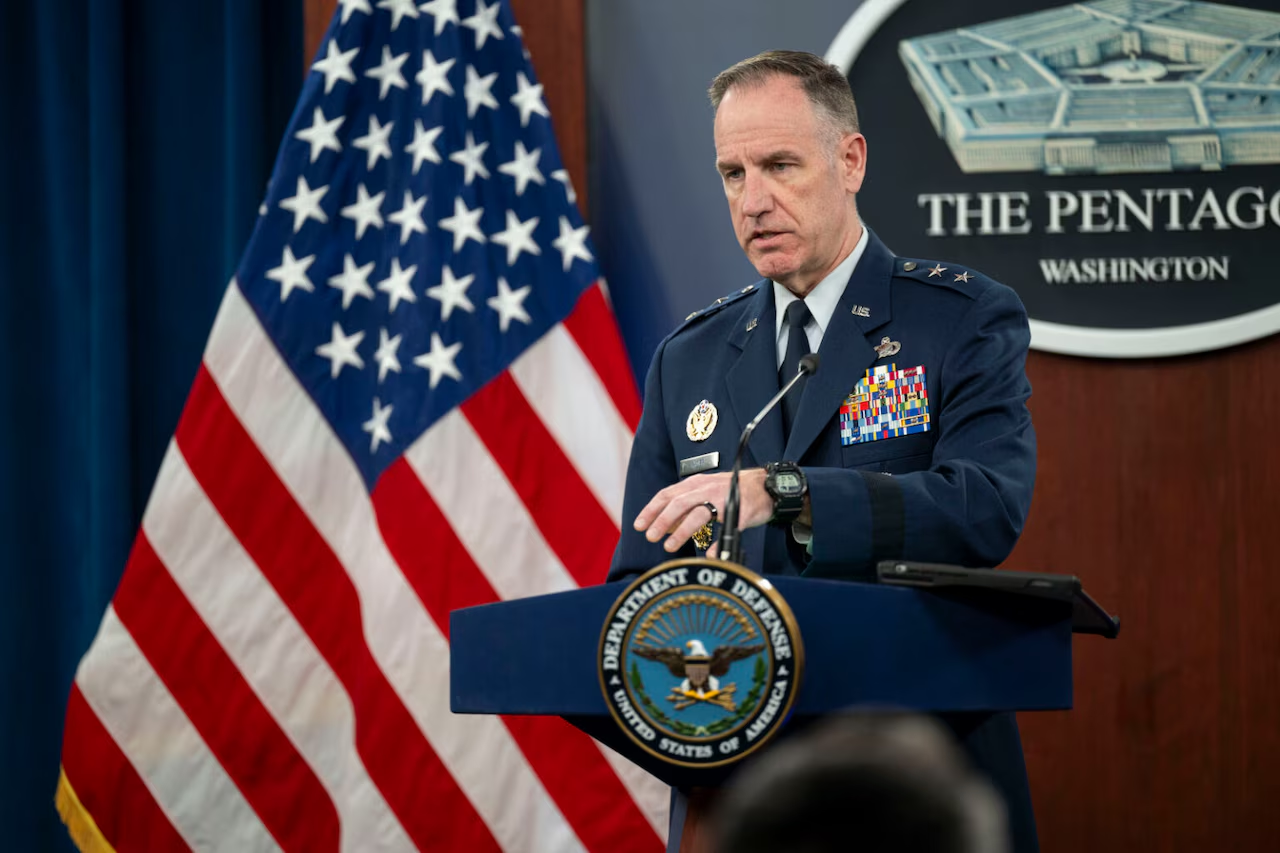
U.S. Central Command destroyed several weapon systems in Syria that posed an imminent threat to U.S. and coalition forces, including rocket launchers and a tank. The attack was a self-defense measure after these systems fired near U.S. positions. While the operators of the weapons are still being assessed, Iranian-backed militias are suspected. This marks the second such defensive action in a week, with the U.S. focusing on protecting its personnel and countering ISIS in partnership with the Syrian Democratic Forces.
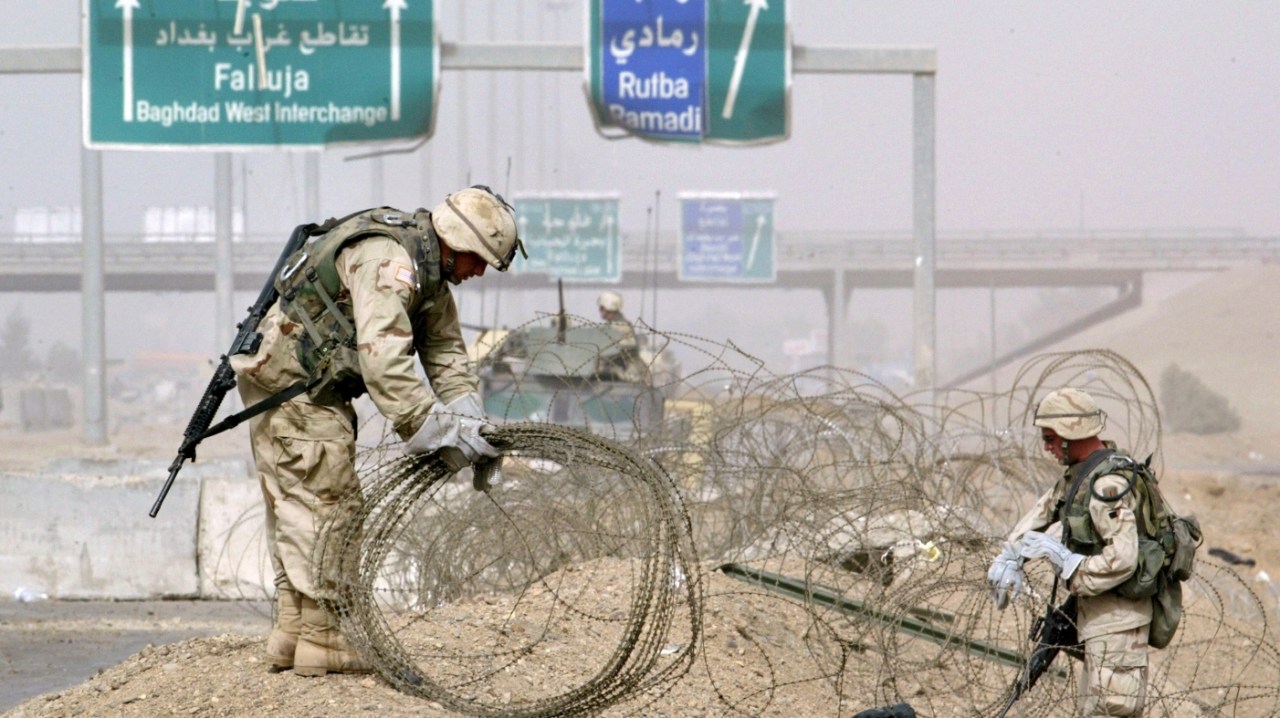
A massive explosion occurred at a military base used by Iraq's Popular Mobilization Forces (PMF) south of Baghdad, with reports suggesting it was targeted by airstrikes. The attack, allegedly carried out by drones and F-35 jets, caused material damage but no casualties. The PMF, an Iranian-backed militia with over 100,000 fighters, has become an official government-paid force in Iraq since the defeat of ISIS, posing a threat to US and Israeli forces.
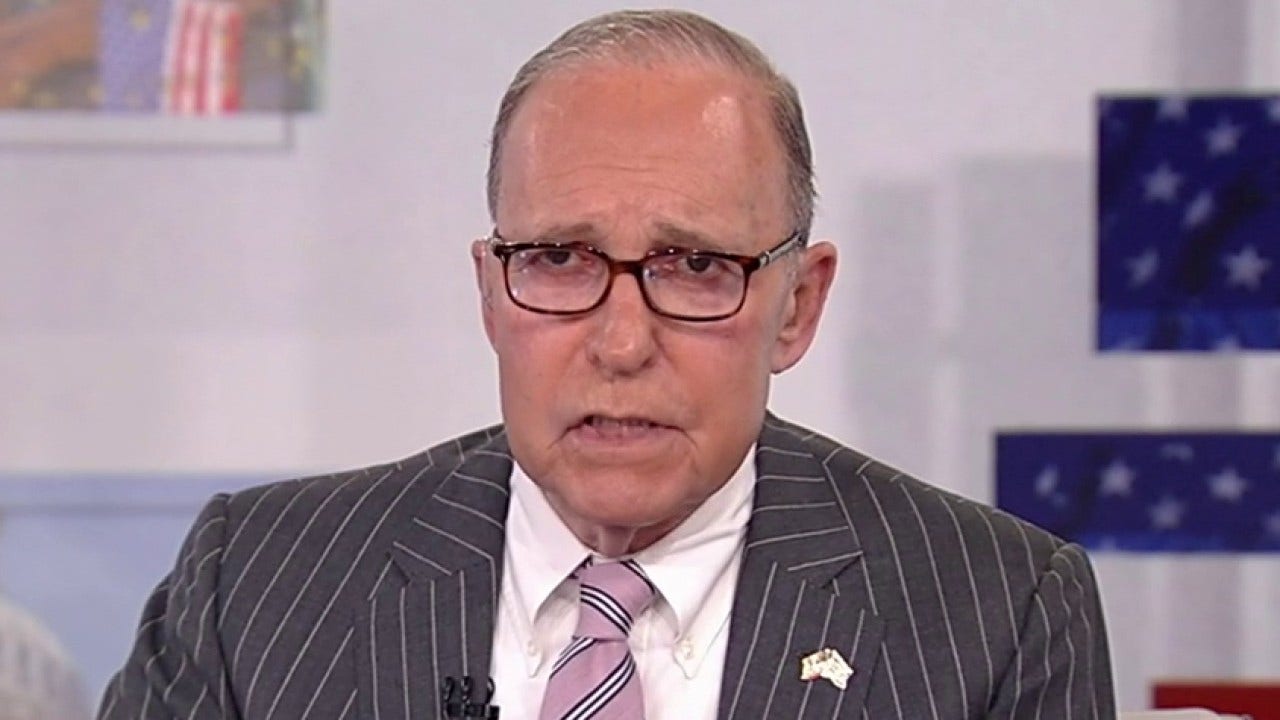
Larry Kudlow criticizes the Biden administration for not retaliating against Iran following recent attacks on US military personnel, arguing that Iran has essentially declared war against the US 166 times through its sponsorship of attacks. Kudlow believes the administration's approach of Iranian appeasement is delusional and calls for clear economic and military deterrence, citing the need for a stronger response to the ongoing provocations.
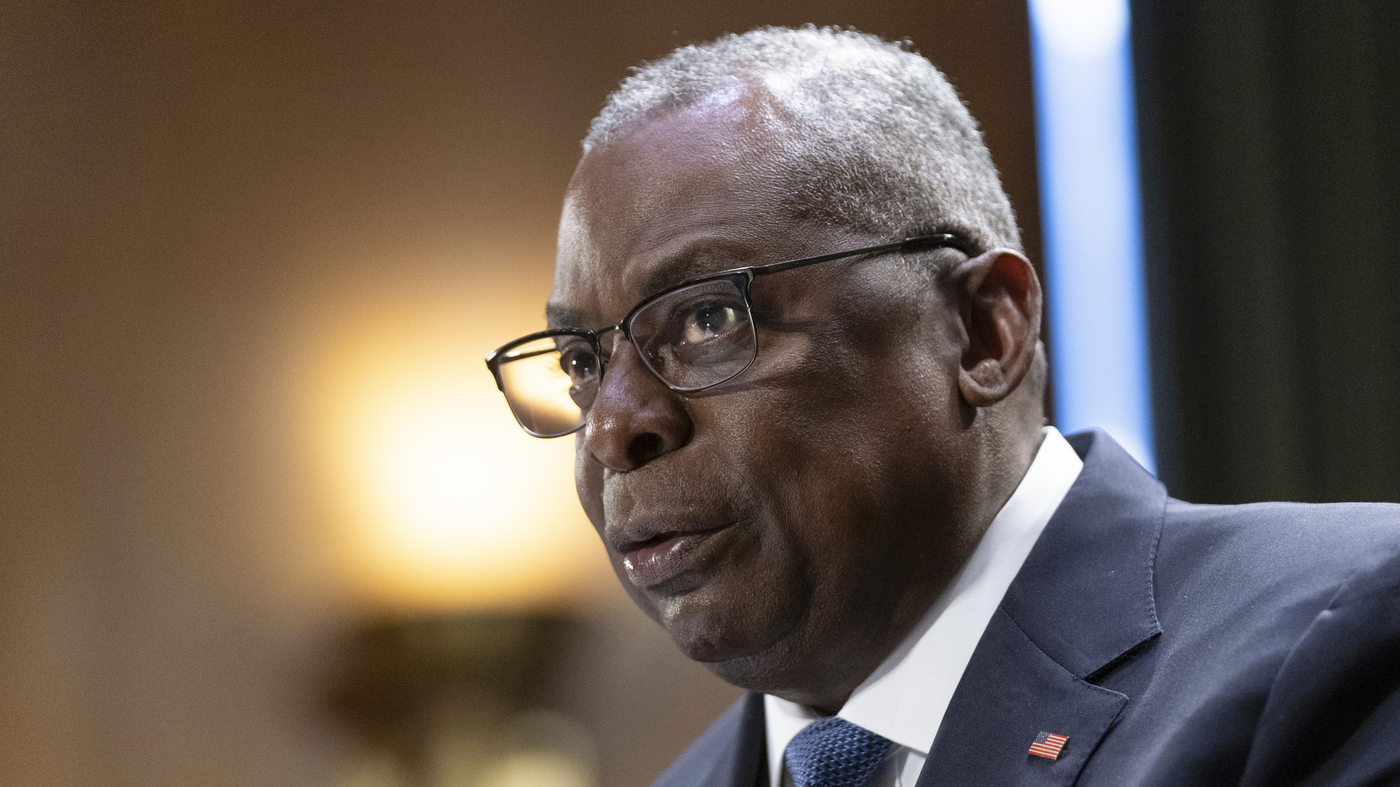
The US conducted airstrikes in Iraq targeting facilities used by Iranian-backed militias in response to repeated attacks on US forces, with Defense Secretary Lloyd Austin stating that the strikes are a direct response to escalatory attacks. The strikes come after US personnel at Al-Asad Air Base were injured in a ballistic missile and rocket attack, and tensions have been heightened by ongoing attacks on US forces in Iraq and Syria. The US has also been managing regular attacks by the Iran-backed Houthis in Yemen, and the strikes on Tuesday followed previous strikes on the Houthis by the US and UK.
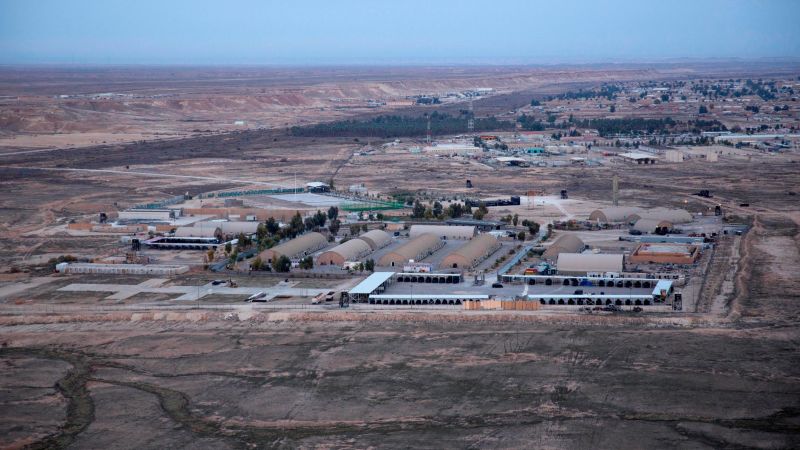
US personnel were injured in a ballistic missile attack on Al-Asad Air Base in Iraq, with some sustaining minor injuries and being evaluated for traumatic brain injuries. The attack, claimed by an Iranian-backed militia group, comes amid increased tensions in the region and follows multiple threats and attacks on US and coalition forces by Iranian-backed Shia militias. The US faces threats not only in Iraq but also in the Red Sea and the Gulf of Aden from Iranian-backed Houthi rebels, prompting a series of strikes targeting Houthi assets.
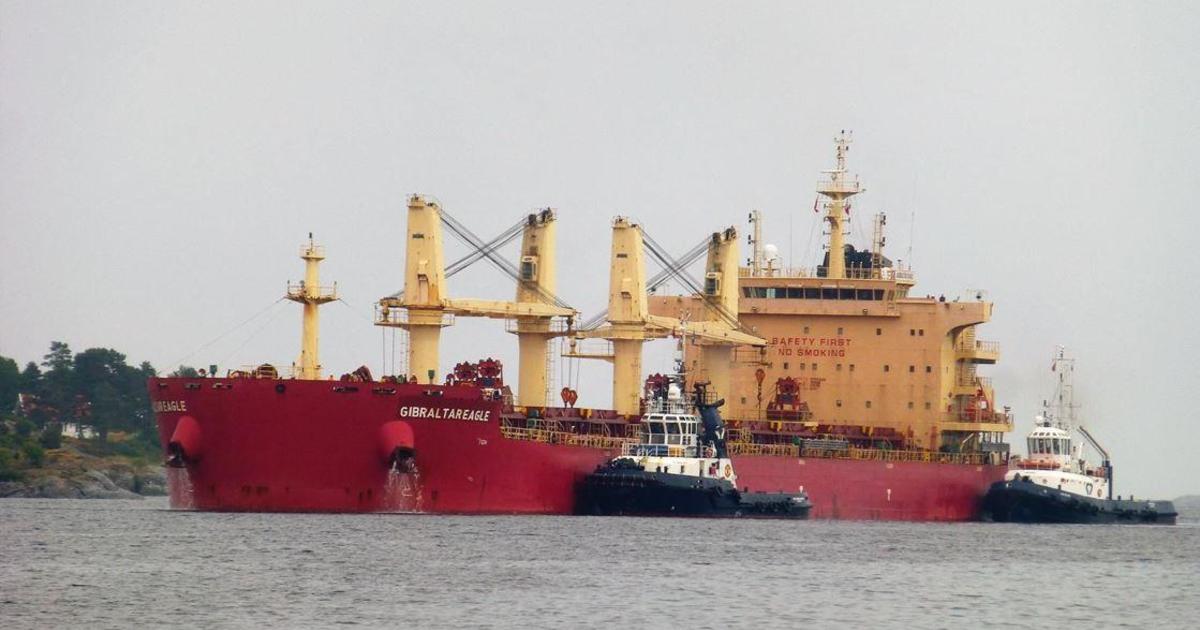
Despite a series of U.S. military strikes targeting Houthi positions in Yemen, the Iranian-backed group launched another attack on a merchant ship in the Red Sea just hours after the strikes. The U.S. Central Command stated that the strikes had disrupted and degraded the Houthi's military capabilities, but the continued attacks indicate ongoing instability in the region, extending beyond Israel's conflict with Hamas to include Iranian-backed militia attacks on U.S. forces in Iraq and Syria.
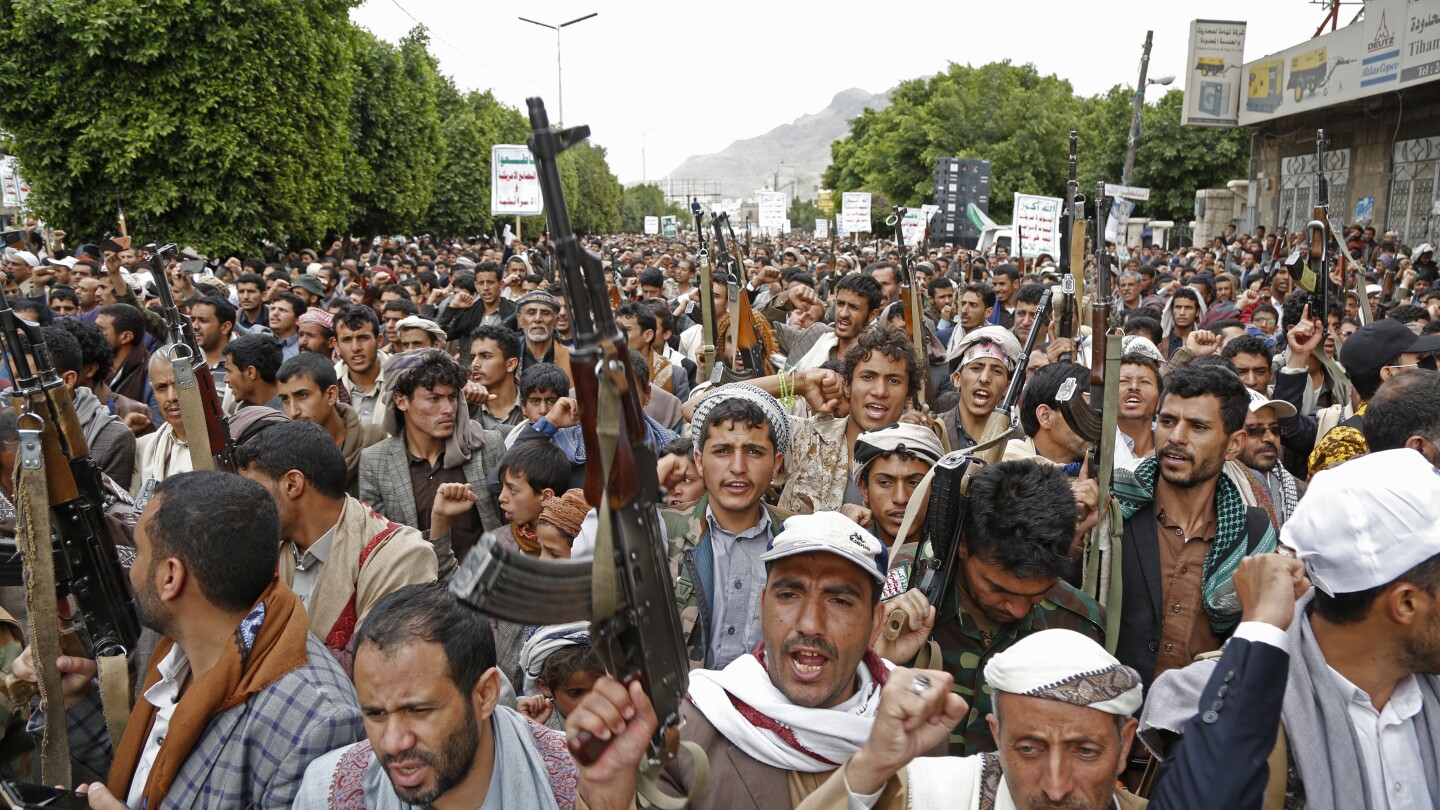
The US and UK launched airstrikes against Iranian-backed Houthi rebels in Yemen after a series of attacks on commercial vessels in the Red Sea. The conflict in Yemen, which has caused widespread suffering, involves a Saudi-led coalition and has become a proxy war between Saudi Arabia and Iran. The Houthi attacks on ships have prompted international condemnation and led to retaliatory strikes to degrade their capabilities. The US has been cautious about upending the fragile truce in Yemen and triggering a wider conflict in the region, but has also taken action against Iranian-backed militias in Iraq and Syria. The situation remains complex, with concerns about protecting commercial shipping while avoiding escalation into a broader regional conflict.
Iraqi Prime Minister Mohammed Shia al-Sudani has announced plans to initiate dialogue with the U.S. regarding the withdrawal of American troops from Iraq, following a U.S. airstrike that killed an Iraqi militia leader in Baghdad. The strike, which targeted an Iranian-backed militia group, was deemed a violation of Iraq's sovereignty by al-Sudani. The Pentagon maintains that the U.S. forces are in Iraq to combat ISIS and will protect themselves as necessary, emphasizing the importance of the partnership with Iraq.
U.S. and Iranian officials are concerned that a miscalculation amid ongoing tit-for-tat attacks could escalate the conflict in the Middle East, potentially leading to a larger regional war. Iranian-backed militias have launched over 70 rocket and drone attacks against U.S. troops in Iraq and Syria, prompting four rounds of U.S. airstrikes. While none of the reprisal attacks have provoked an escalation so far, there are fears that a combination of miscalculations and each side's belief that the other does not want a larger fight could trigger a regional conflict. The U.S. is closely monitoring Iran and the groups it supports, including Hezbollah, the Houthis, and militias in Iraq and Syria.
The US conducted an airstrike on a weapons warehouse in eastern Syria used by Iranian-backed militias in response to a series of attacks on bases housing US troops in the region. The strike targeted facilities associated with Iran's Revolutionary Guard and aimed to disrupt and degrade the capabilities of groups responsible for attacking US forces. The US believes no civilians were killed in the strike. This is the second time in less than two weeks that the US has targeted facilities used by these militant groups. The Biden administration seeks to deter future aggression while avoiding further escalation and provoking a wider conflict in the region.
The US launched an airstrike on a weapons warehouse in eastern Syria used by Iranian-backed militias in response to a series of attacks on bases housing US troops in the region. The strike targeted a facility associated with Iran's Revolutionary Guard and aimed to disrupt and degrade the capabilities of groups responsible for attacking US forces. The US believes no civilians were killed in the strike. This is the second time in less than two weeks that the US has targeted facilities used by these militant groups.
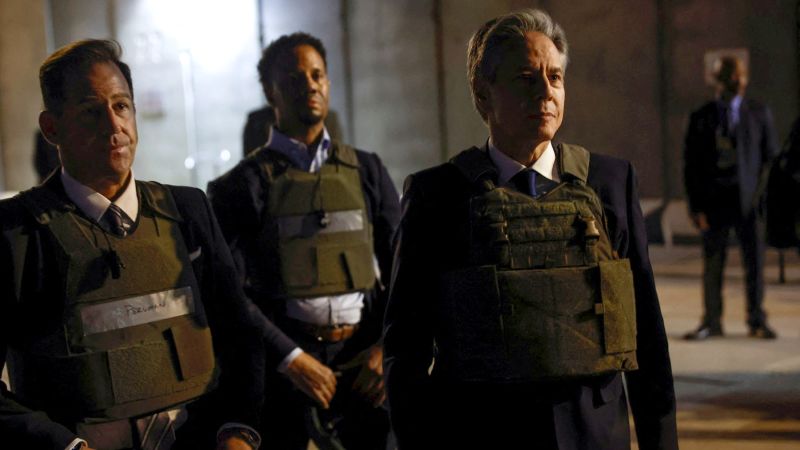
US Secretary of State Antony Blinken made an unannounced visit to Iraq, meeting with Prime Minister Mohammed Shia al-Sudani and discussing the threat posed by Iranian-backed militias. Blinken emphasized that attacks against US personnel are unacceptable and reiterated the US commitment to protecting its personnel and military facilities. They also discussed preventing the conflict in Gaza from spreading further in the region. Blinken's visit to Iraq is part of his broader trip to the Middle East, which includes stops in Israel, Jordan, the West Bank, Cyprus, and Turkey.
The U.S. military conducted strikes against two facilities in eastern Syria used by Iranian-backed groups in retaliation for recent attacks against U.S. forces in Iraq and Syria. The strikes targeted a weapons storage area and an ammunition storage area. Iranian-backed groups have targeted U.S. forces with drones and rockets multiple times, resulting in injuries. The Biden administration has taken action to deter Iranian-backed groups and Iran, including surging support to the Middle East and launching retaliatory strikes.
US officials have intelligence indicating that Iranian-backed militia groups are planning to increase attacks against US forces in the Middle East, taking advantage of the regional backlash to US support for Israel. While Iran is not explicitly directing the groups, it is providing guidance and assurance that they will not be punished for attacking US or Israeli targets. The US is deeply concerned about the potential escalation and is preparing to defend its forces and respond decisively. Qatar is acting as an intermediary between the US and Iran. The US is bolstering its defenses and deploying additional air defense systems in response to recent escalations.
A US service member was wounded in additional attacks on US bases in Syria, following an initial attack on a base by Iranian-backed militias. Rockets hit one facility and injured a service member, while three drones attacked another facility, but no one was injured. This is the third set of attacks on US bases in Syria in less than two days. Almost 80 rocket or drone attacks have happened at US bases in Syria since the start of 2021.