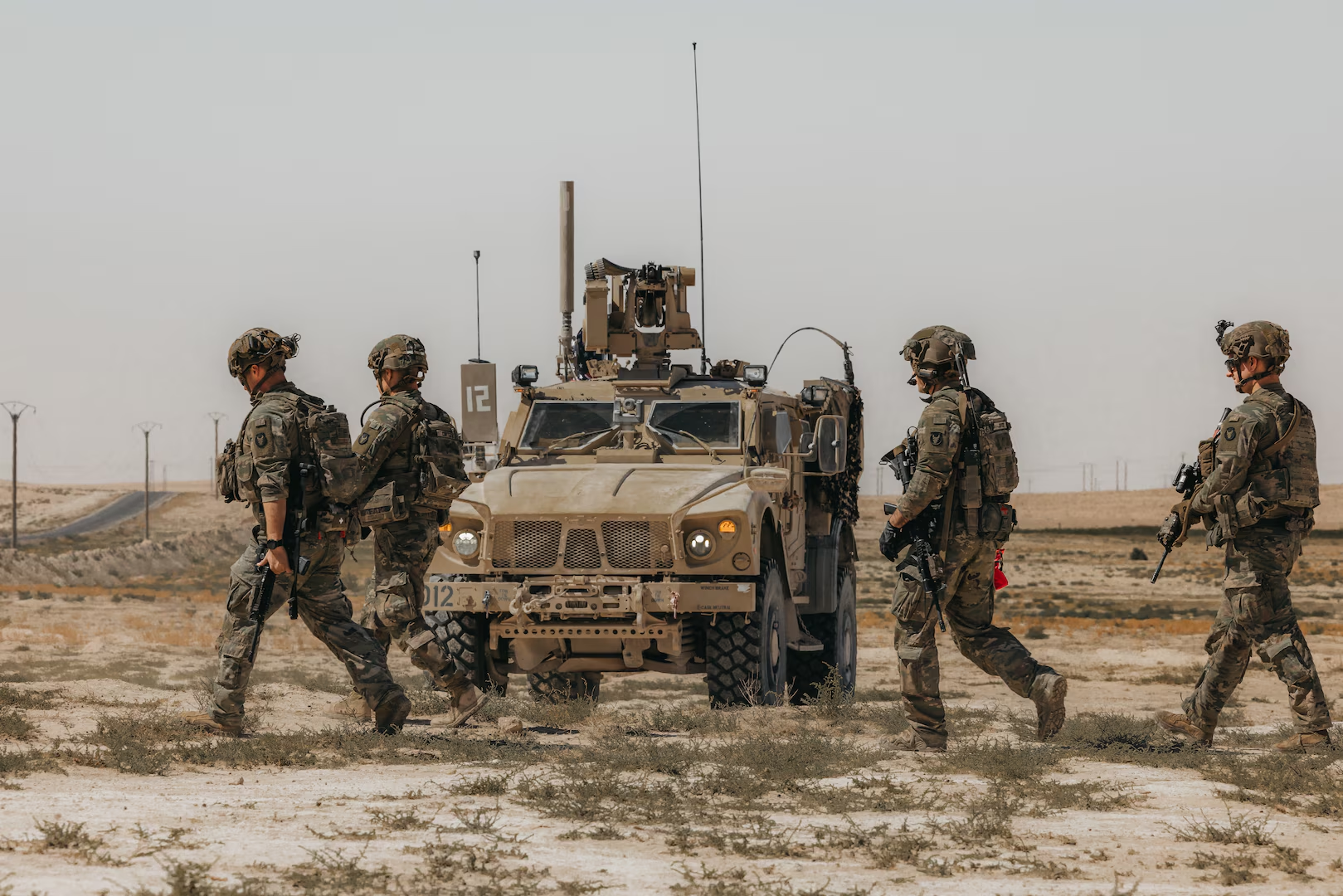
U.S. and partner forces in Syria killed or captured nearly 25 ISIS operatives following a large-scale strike on Dec. 19, targeting ISIS infrastructure and weapons caches, as part of ongoing efforts to eliminate ISIS threats and prevent resurgence.
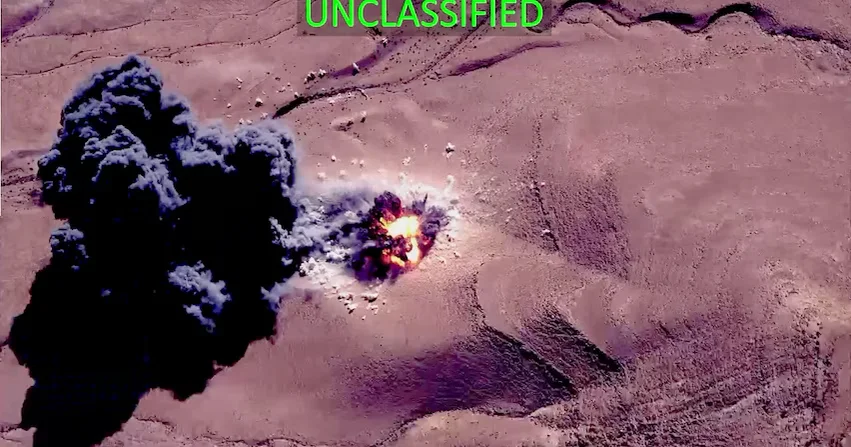
U.S. Central Command launched Operation Hawkeye Strike against ISIS in Syria, targeting over 70 locations with precision munitions in response to recent attacks on U.S. forces, aiming to prevent terrorist threats to the U.S. homeland.
The US Central Command has established the Civil-Military Coordination Center in Israel to facilitate international, humanitarian, and military efforts aimed at stabilizing Gaza and promoting civilian governance, with full operational capacity expected within two weeks.
The U.S. Central Command has established a Civil-Military Coordination Center in Israel to support stabilization efforts in Gaza, facilitating humanitarian and logistical aid without deploying troops into Gaza, and monitoring ceasefire implementation as part of a broader peace process.
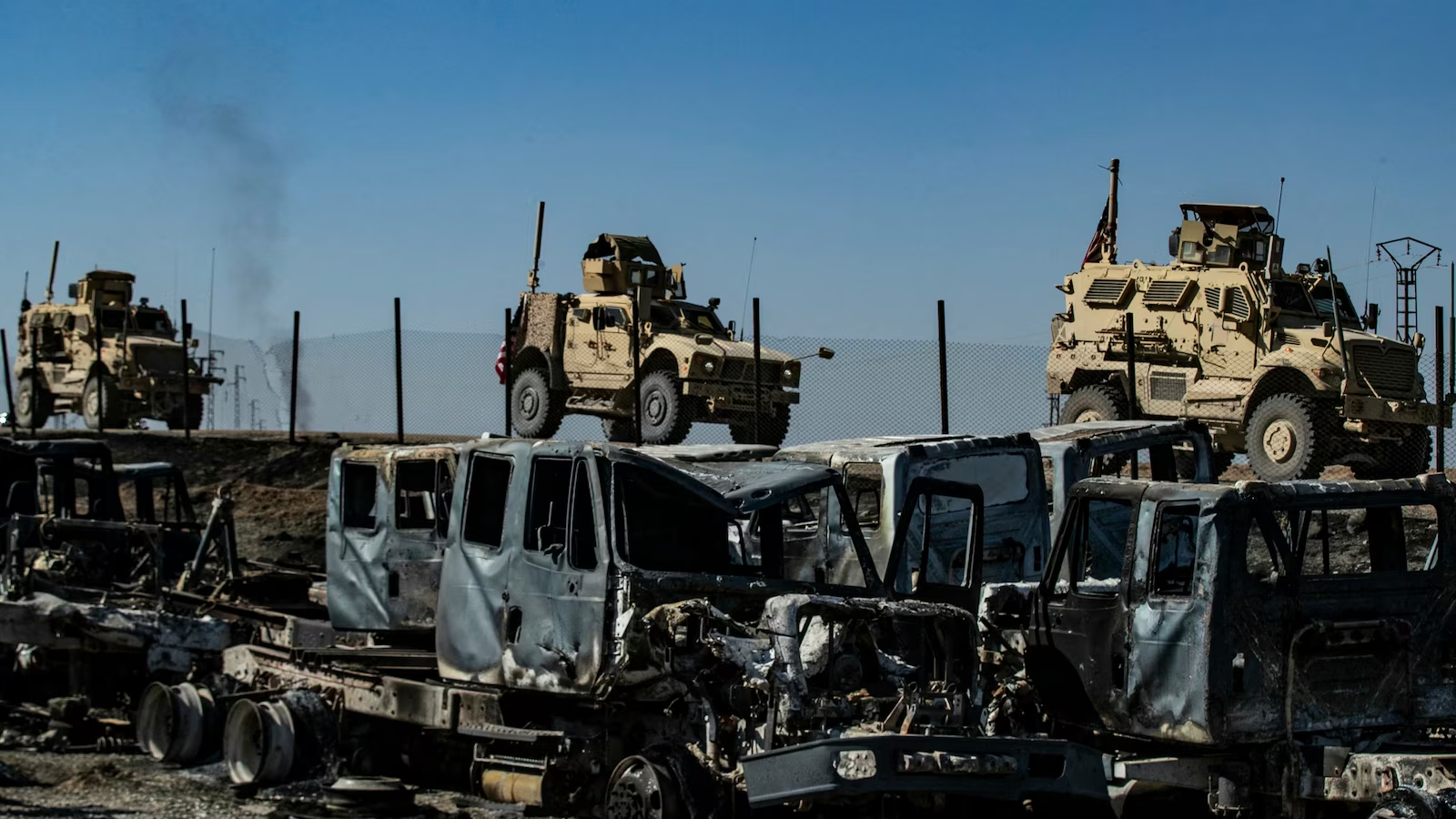
U.S. Central Command destroyed several weapon systems in Syria that posed an imminent threat to U.S. and coalition forces, including rocket launchers and a tank. The attack was a self-defense measure after these systems fired near U.S. positions. While the operators of the weapons are still being assessed, Iranian-backed militias are suspected. This marks the second such defensive action in a week, with the U.S. focusing on protecting its personnel and countering ISIS in partnership with the Syrian Democratic Forces.
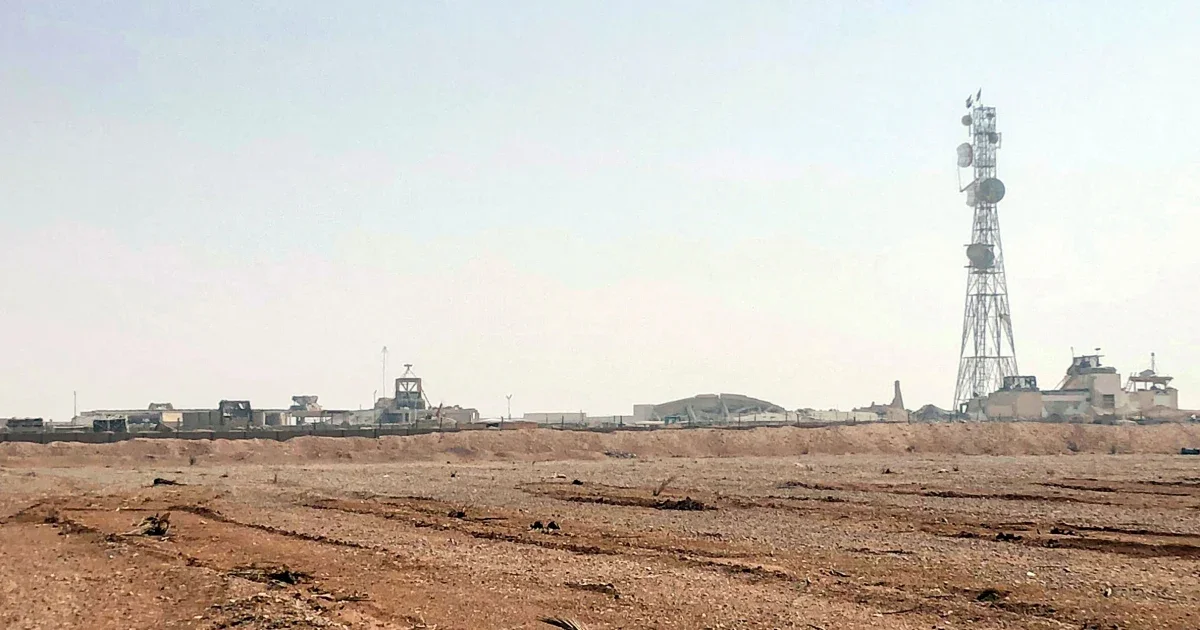
The U.S. Central Command (CENTCOM) conducted airstrikes on Iran-linked militia groups in Syria following a rocket attack on the American Patrol Base Shaddadi, which caused no casualties or damage. These strikes aim to weaken the militia's ability to launch future attacks on U.S. and coalition forces in the region. CENTCOM Commander Gen. Michael Erik Kurilla emphasized the U.S.'s commitment to defending its personnel and allies against threats. The U.S. maintains around 900 troops in Syria as part of efforts against Islamic State militants, with American positions frequently targeted by Iranian-backed groups.
The US conducted nine airstrikes on Iranian-backed targets in Syria in response to recent attacks on US personnel, according to CENTCOM. The strikes aimed to diminish the terror group's ability to launch further attacks, with CENTCOM Commander Gen. Michael Erik Kurilla emphasizing that attacks on US and coalition forces will not be tolerated. This action follows increased regional tensions, including Iran-backed groups targeting Israel and US forces in Syria and Iraq.
Heavy seas have swept away vessels supporting a US-built pier for Gaza aid, but the pier remains functional. Four vessels broke free, with two beached near the pier and two drifting towards Israel. Recovery efforts are ongoing with no reported injuries. The $320m pier, completed in May, has faced criticism as a costly alternative to opening land crossings for aid. Despite initial challenges, the World Food Programme has received 97 trucks of aid since the pier's operation began.
Three U.S. service members were injured in a non-combat-related incident involving a forklift aboard the USNS Benavidez near a U.S.-built pier off Gaza. Two have returned to duty, while the third is in critical condition at an Israeli hospital.
The US has transferred thousands of seized Iranian machine guns, sniper rifles, rocket launchers, and ammunition to Ukraine to help the country defend against Russia's invasion. The weapons were originally seized from stateless vessels and obtained through the Justice Department's civil forfeiture process. This transfer follows previous shipments of seized Iranian ammunition to Ukraine and is part of the Biden administration's efforts to legally send the seized weapons to the Ukrainians.
The US military shot down a Houthi drone over the Red Sea and destroyed another on Yemeni soil, with U.S. Central Command stating that the Iranian-backed group launched two unmanned aerial vehicles from Houthi-controlled areas of Yemen. The strikes come as the Houthis launched a suspected attack in the Gulf of Aden, with an explosive detonating near a ship, and also fired three anti-ship ballistic missiles toward the Red Sea. This follows reports of the Houthis possessing a new hypersonic missile capable of reaching speeds of up to Mach 8.
The US has conducted defensive airstrikes in Yemen after Houthi rebels fired anti-ship ballistic missiles into the Red Sea, targeting merchant vessels. The US Central Command has reported destroying unmanned underwater vessels and 18 anti-ship missiles in response to the Houthi attacks, aiming to protect freedom of navigation and ensure the safety of US Navy and merchant vessels in the region. The US has shot down and destroyed over 100 Houthi missiles since January, but the rebel attacks show no signs of abating.
The US Air Force and the Royal Jordanian Air Force conducted a joint mission to airdrop over 11,500 meals into northern Gaza as part of ongoing efforts to provide humanitarian aid to civilians affected by the conflict. This follows a previous airdrop of meals and water. The aid drops come amid calls for a cease-fire and the release of Israeli hostages, with reports of civilian casualties from a previous airdrop. The US Central Command has denied involvement in the reported civilian casualties and continues to plan follow-on aerial deliveries.
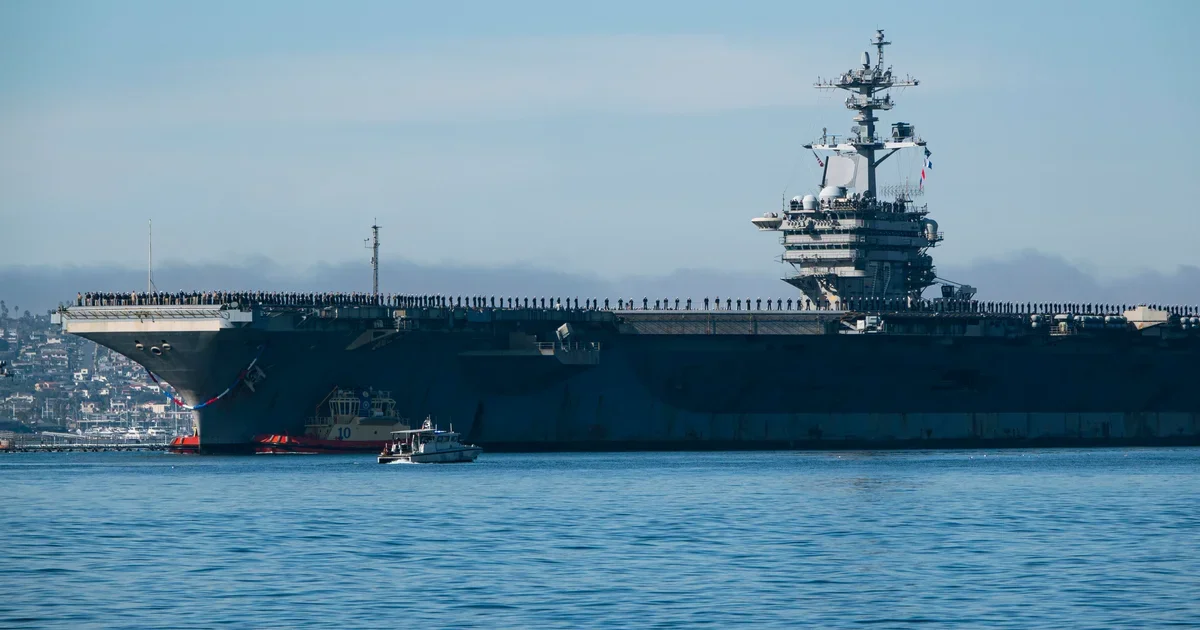
The U.S. destroyer USS Carney intercepted and destroyed drones and a missile launched by Yemen's Houthi rebels in the Red Sea, with CENTCOM later conducting self-defense strikes against additional threats. The attacks, aimed at U.S. Navy ships and merchant vessels, were in response to the ongoing conflict between Houthi militants and U.S. and British forces. The Houthi rebels have been targeting ships in the region, leading to the sinking of a U.K.-owned cargo ship and ongoing tensions in the area.
U.S. CENTCOM forces intercepted and destroyed anti-ship missiles and unmanned aerial systems launched from Houthi-controlled areas of Yemen toward USS Carney in the Red Sea, with no injuries or damage to the ship. Later, they destroyed additional missiles and unmanned surface vessels in self-defense, aiming to protect freedom of navigation and ensure the safety of U.S. Navy and merchant vessels in the region.