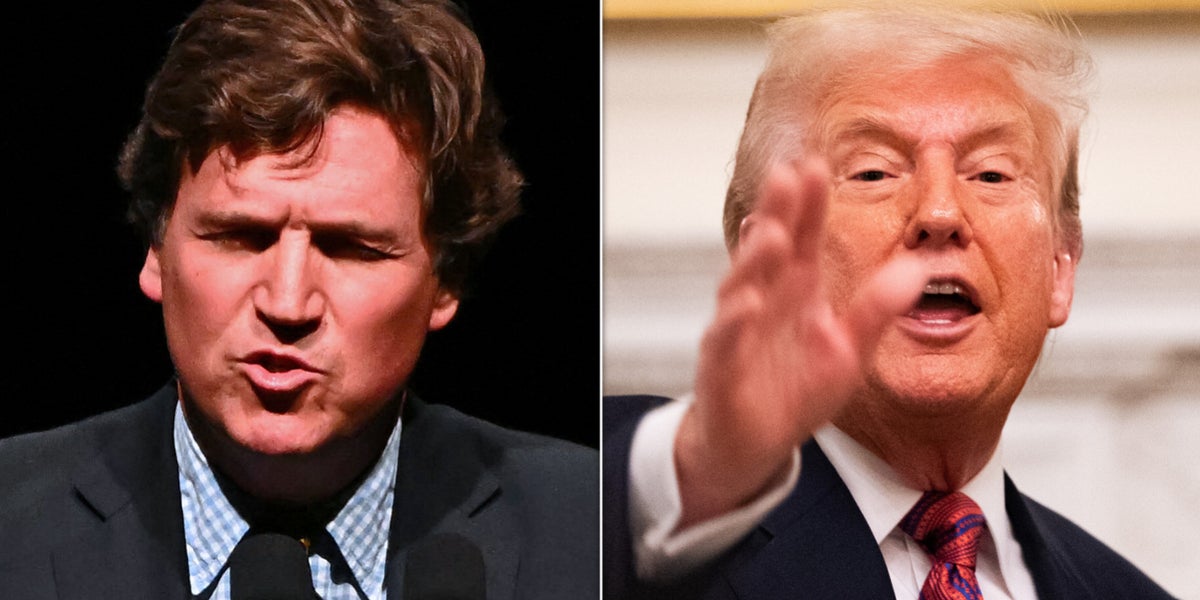
Tucker Carlson denied Trump's claim that he called to apologize for criticizing the president, stating he has no such call and is willing to apologize if needed, but he did not believe he owed one for his previous comments.
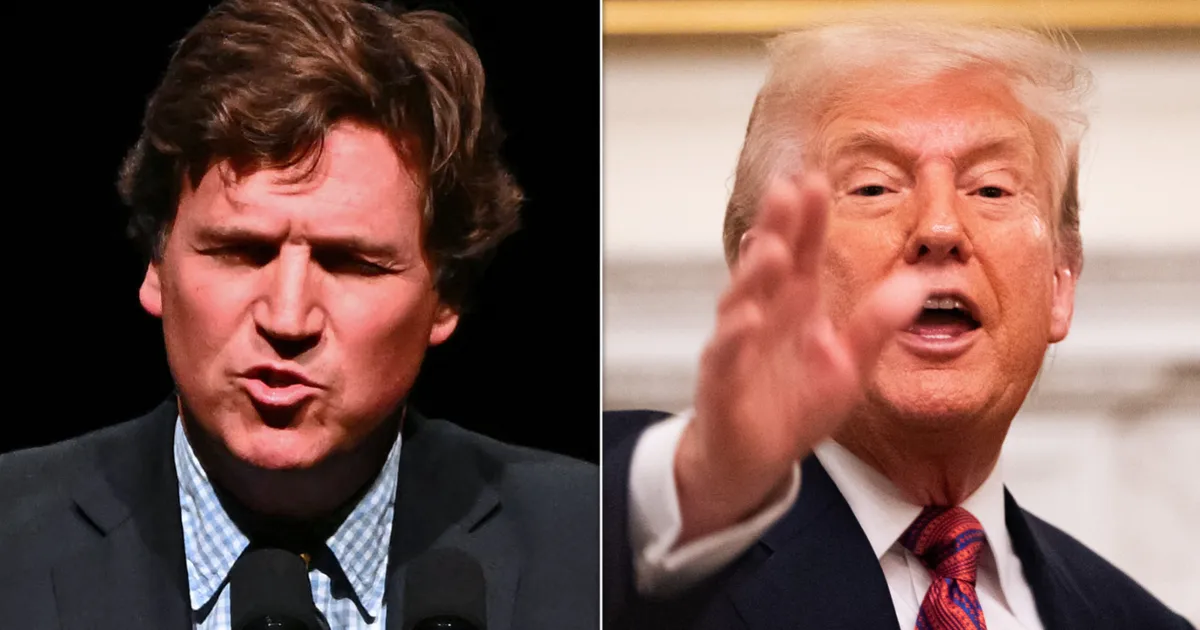
Tucker Carlson denied Trump's claim that he called to apologize for criticizing the president, stating he has no such memory and is willing to apologize if needed, while Trump continues to deny U.S. involvement in Iran's attack.
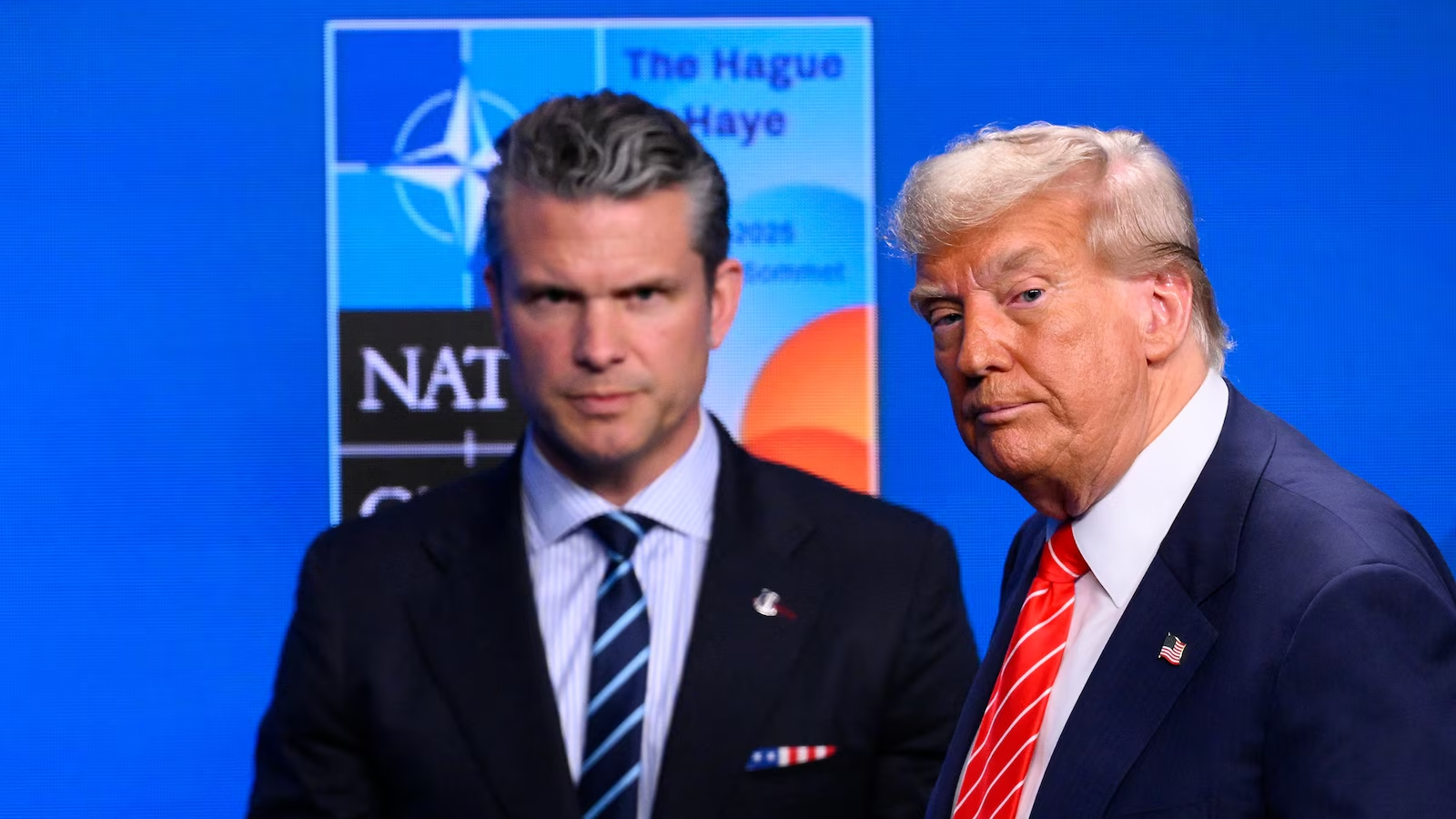
President Trump and Defense Secretary Hegseth criticized media coverage of the US airstrike on Iranian nuclear sites, claiming the reports downplaying the damage are false and disrespectful to the pilots, while some intelligence assessments suggest limited damage to Iran's nuclear program.
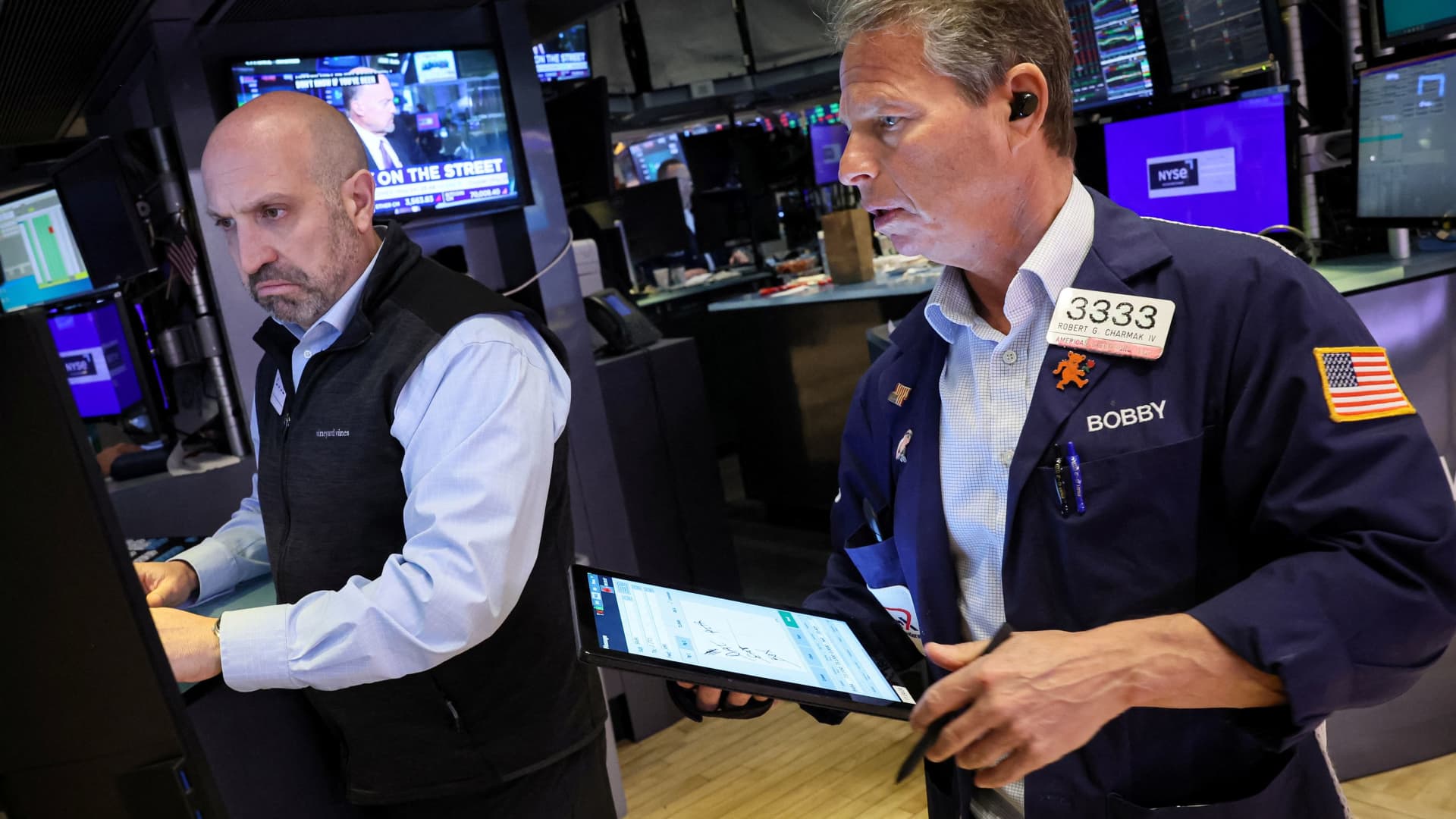
The stock market rose and oil prices fell after Iran's missile attack on a U.S. base in Qatar, which was seen as a limited response, easing fears of escalation. The Dow, S&P 500, and Nasdaq all gained, while oil prices dropped significantly. The market's outlook remains optimistic, with upcoming Federal Reserve testimony and potential rate cuts in focus.
Stocks finished higher amid a continued downtrend in oil prices, with markets reacting cautiously to geopolitical tensions and economic data. Oil's decline suggests decreased demand, while US stocks rallied on strong performances from tech giants like Tesla and positive economic indicators. Despite geopolitical tensions from the Iran attack, markets showed resilience, though investor sentiment and market breadth hint at potential future volatility.
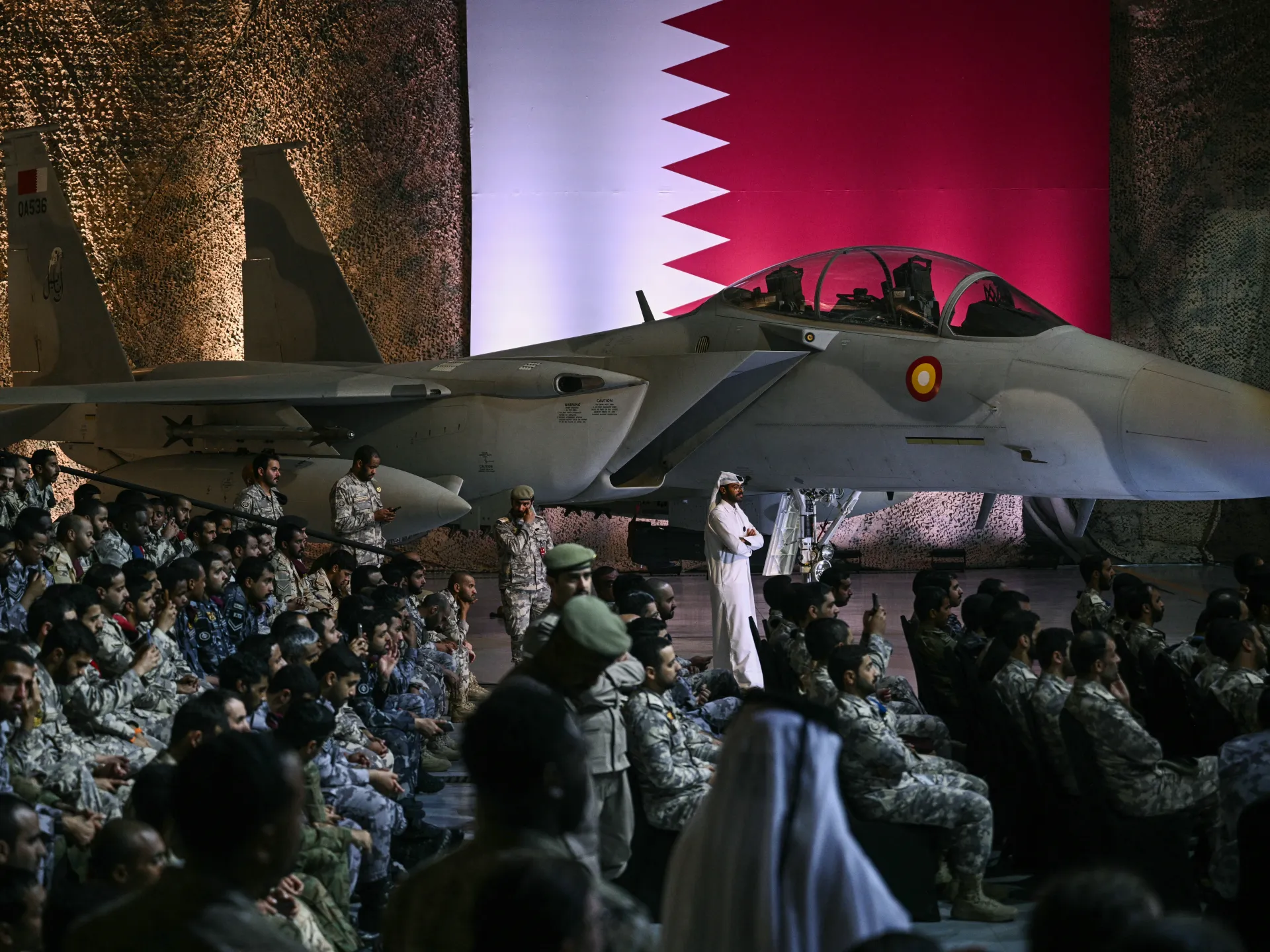
Iran targeted Al Udeid Air Base in Qatar, the largest US military base in the Middle East, in retaliation for US actions against Iran's nuclear sites. Qatar temporarily closed its airspace and intercepted missiles, condemning the attack as a violation of sovereignty. The base, housing around 10,000 troops and serving as a key hub for US military operations, had taken precautionary measures prior to the attack.
US stock futures rose as concerns over Iran's attack on Israel eased, with focus returning to corporate earnings and inflation risks. Oil prices fell after rising ahead of the attack, while chipmakers Nvidia and Intel are being watched for potential upside. Geopolitical risks, particularly in relation to oil, continue to be monitored, with Citi suggesting that oil prices could reach $100 a barrel.
Dow futures remained relatively unchanged following Iran's missile and drone strike on Israel, capping off the worst week for the Dow Jones Industrial Average in 2024. Concerns over inflation and geopolitical tensions contributed to market volatility, with gold futures surging as investors sought safety. Despite the attack, oil prices were slightly lower, and the focus remains on Israel's potential response. Additionally, upcoming earnings reports and economic data releases are anticipated to impact market sentiment.
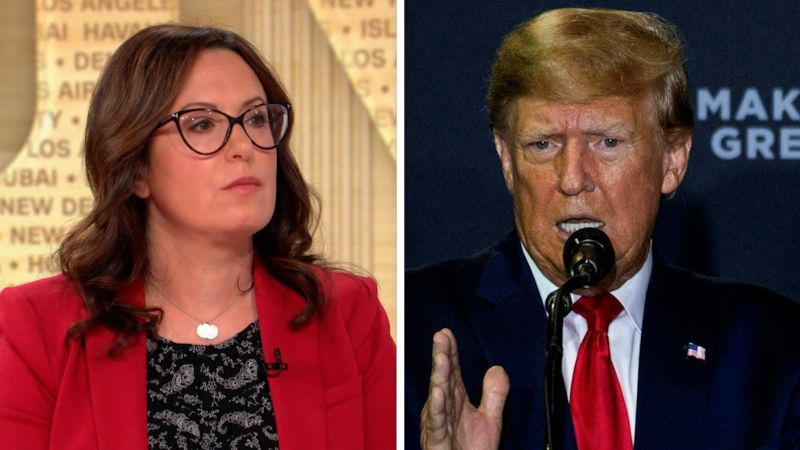
Federal prosecutors have obtained an audio recording of former President Donald Trump speaking about a classified document pertaining to a potential attack on Iran that he held onto after his presidency, which is "very problematic for Trump," according to CNN political analyst Maggie Haberman.