The incoming Archbishop of Canterbury, Dame Sarah Mullally, is urged by Conservative MPs and peers to halt a £100m fund aimed at addressing the Church of England's historical links to slavery, with critics arguing the funds should be used for core church activities rather than controversial projects. The fund was announced following a report revealing the Church's historical investments in slavery, and the Church emphasizes its commitment to justice and transparency in managing the fund.
The article discusses the upcoming challenges for the new Archbishop of Canterbury, Dame Sarah Mullally, including ongoing debates over same-sex blessings, divisions within the Anglican Communion, and the church's efforts to rebuild trust after abuse scandals, highlighting a period of turbulence and potential change for the Church of England.
The appointment of Bishop Sarah Mullally as the first woman archbishop of Canterbury marks a significant step for gender equality in the Church of England, but ongoing structural discrimination and opposition from conservatives mean she cannot preside over communion in hundreds of churches, highlighting persistent misogyny within the church's hierarchy.
The article criticizes the appointment of Sarah Mullally as the new Archbishop of Canterbury, viewing it as a continuation of the Church of England's decline due to theological revisionism and cultural capitulation, and questions her ability to address the church's spiritual and doctrinal issues. Despite challenges, the author emphasizes that Christ is still building His church through faithful believers and ministries outside the church hierarchy.
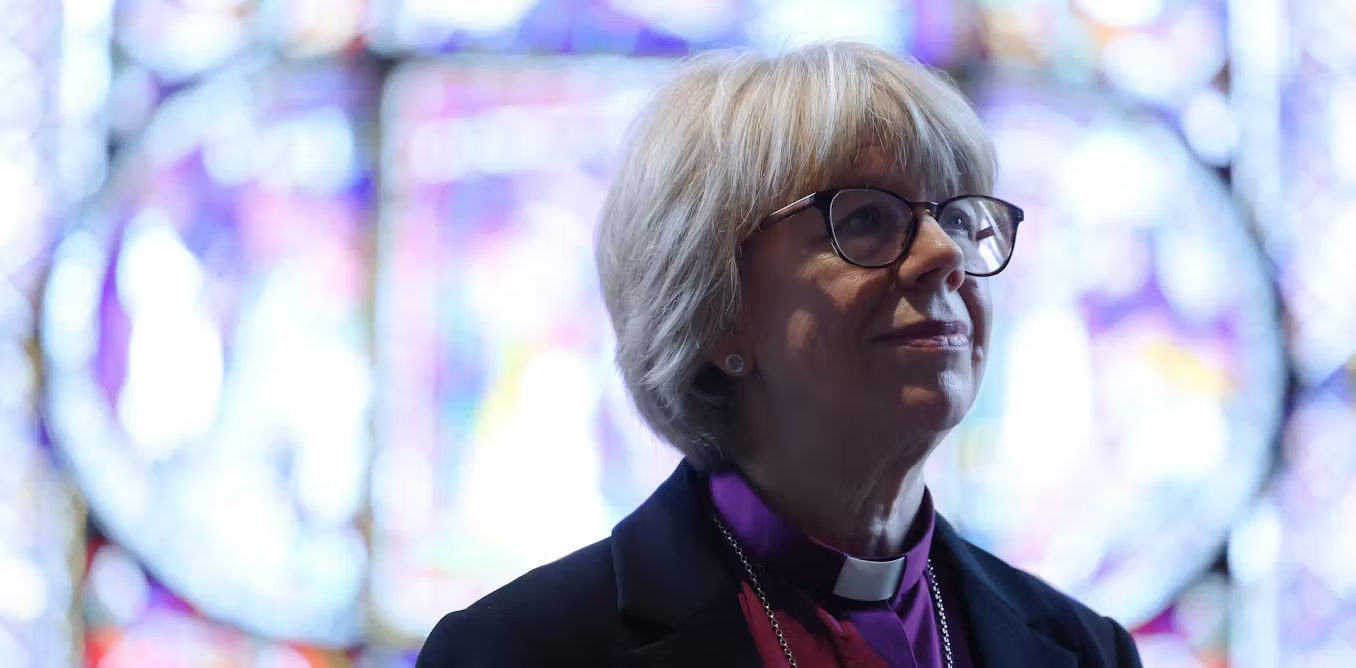
Sarah Mullally, the first woman to become Archbishop of Canterbury and a former nurse, is expected to bring a pastoral and caring approach to her role, influenced by her experience treating terminally ill patients and her stance on ethical issues like assisted dying.
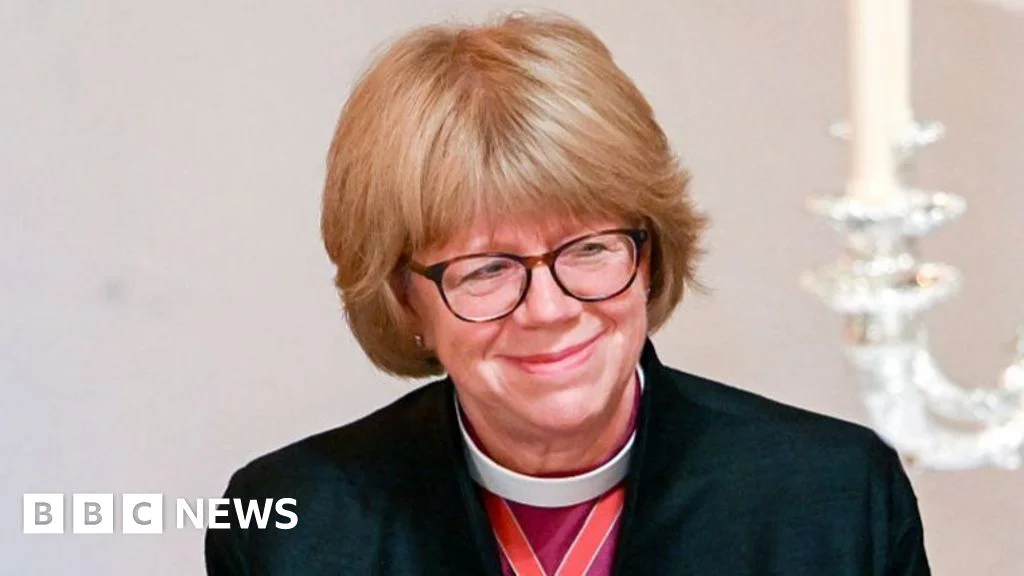
Sarah Mullally has been appointed as the first woman archbishop of Canterbury, marking a historic milestone in the nearly 500-year history of the Church of England.
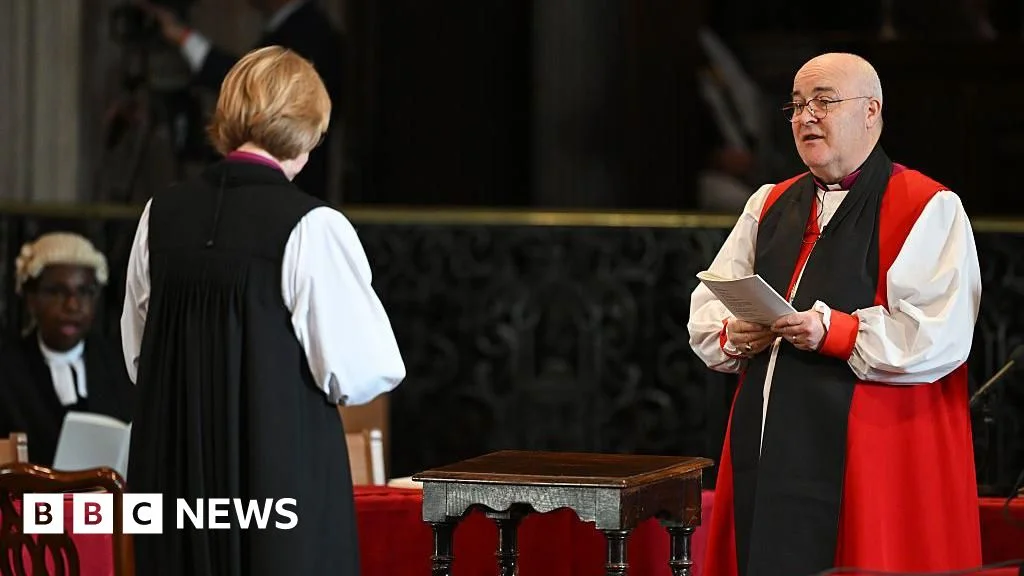
Dame Sarah Mullally has been appointed as the first woman Archbishop of Canterbury in nearly 500 years, addressing global issues, church reforms, and social challenges in her inaugural speech, while receiving support from leaders and acknowledging the church's ongoing struggles with safeguarding and internal disagreements.
Sarah Mullally has been appointed as the first female Archbishop of Canterbury in the history of the Church of England, marking a historic milestone. She will be installed in 2026 and is recognized for her leadership and service, coming from a background as a nurse and bishop of London. Her appointment follows a period of reflection and change within the church, emphasizing kindness, healing, and social responsibility.
Sarah Mullally, the bishop of London and a vocal supporter of women's rights, has been appointed as the first female Archbishop of Canterbury, becoming the spiritual leader of 85 million Anglicans worldwide and succeeding Justin Welby.
Sarah Mullally has been appointed as the first woman Archbishop of Canterbury, making her the leader of the 85 million Anglicans worldwide. She is a former nurse and Bishop of London, and her appointment was approved by King Charles III. Mullally's leadership comes at a time of division within the Anglican Church over issues like gender and LGBTQ rights, as well as ongoing sexual abuse scandals.
Sarah Mullally has been appointed as the first woman Archbishop of Canterbury, leading the Church of England amidst challenges like declining attendance and safeguarding scandals, with a focus on modernizing the church and fostering safety and inclusion.
Jay Hulme, a gay and trans volunteer at St Nicholas Church in Leicester, was subjected to stalking and harassment by Venessa Pinto after rejecting her romantic advances, leading to a lengthy campaign of online abuse, police inaction, and institutional failures within the Church of England, which ultimately resulted in Venessa's conviction for stalking and harassment.
The Church of England faces a critical juncture following the resignation of Archbishop of Canterbury Justin Welby, amid ongoing issues of trust and safeguarding failures. Welby's tenure was marked by efforts to unify diverse factions within the Church, but his handling of abuse cases and the Church's stance on social issues like same-sex unions have drawn criticism. As the Church grapples with declining membership and internal divisions, there is debate over whether the next leader should be more of a theologian or a skilled political operator.
Survivors of abuse linked to the Church of England are calling for further resignations following Archbishop of Canterbury Justin Welby's decision to step down. This comes after a report revealed that Welby and other church officials failed to report the abuse by John Smyth to authorities. The Church is under pressure to address its handling of the scandal, with some bishops open to more resignations. The Archbishop of York, however, believes that bishops should not be the ones to resign. The process to select Welby's successor is expected to take several months.
The Church of England is under pressure to hold individuals accountable for covering up abuse allegations following the resignation of Archbishop of Canterbury Justin Welby. Welby stepped down after a report criticized his handling of abuse claims against John Smyth, who harmed over 115 children and young men. Archbishop of York Stephen Cottrell emphasized the need for accountability, while Bishop of Lincoln Stephen Conway faces calls to resign for not adequately addressing the allegations. The scandal highlights ongoing challenges in safeguarding within the church.