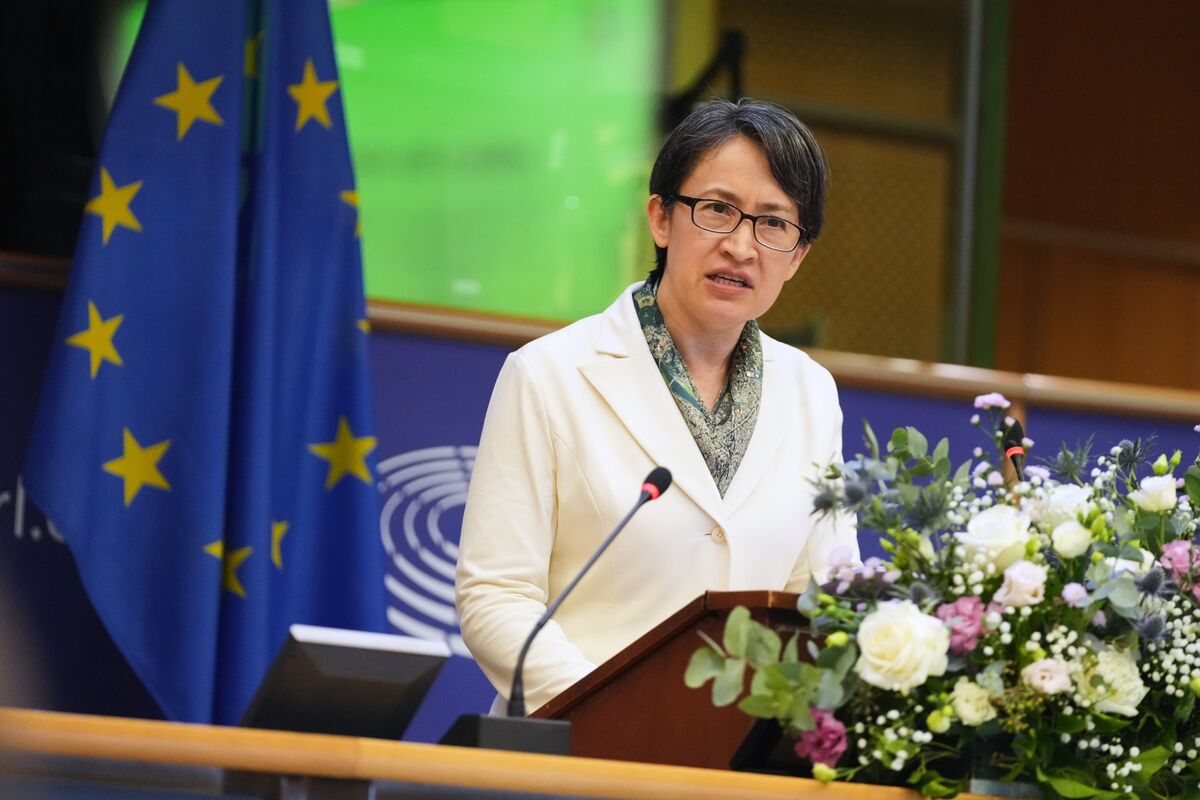
Taiwan’s Vice President Hsiao Bi-khim urged for increased international support and recognition for Taiwan during a rare speech at the European Parliament, emphasizing the importance of Taiwan to global stability amid China's claims and efforts to isolate the island.
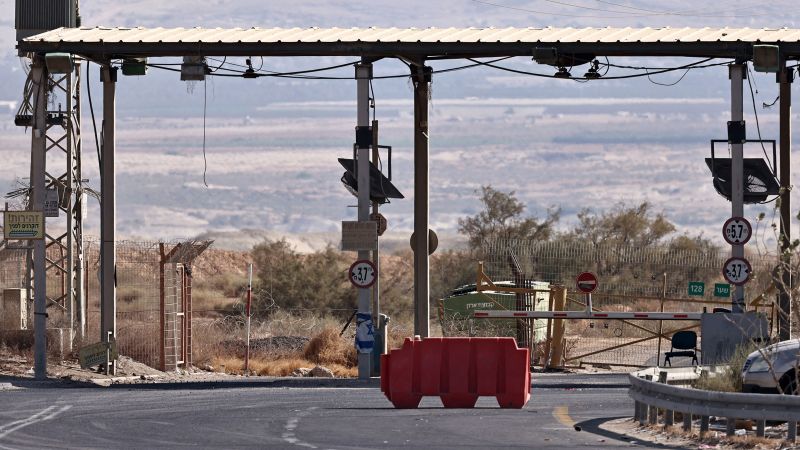
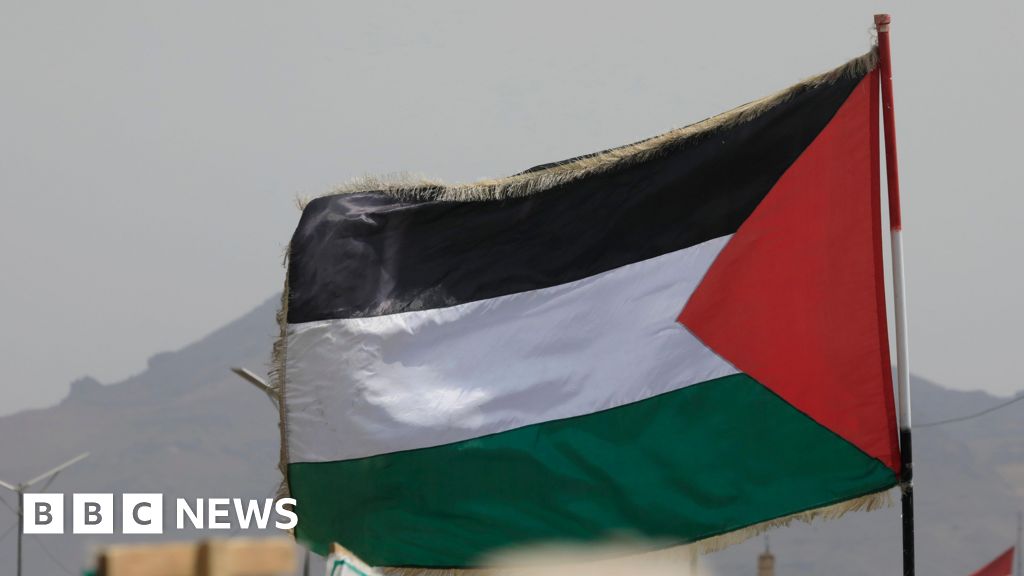
Israel's indefinite closure of the sole land crossing to the West Bank has caused significant hardship for Palestinians, including family separations and medical delays, amid fears of increased restrictions following Western recognition of Palestine as an independent state, which Israel condemns.
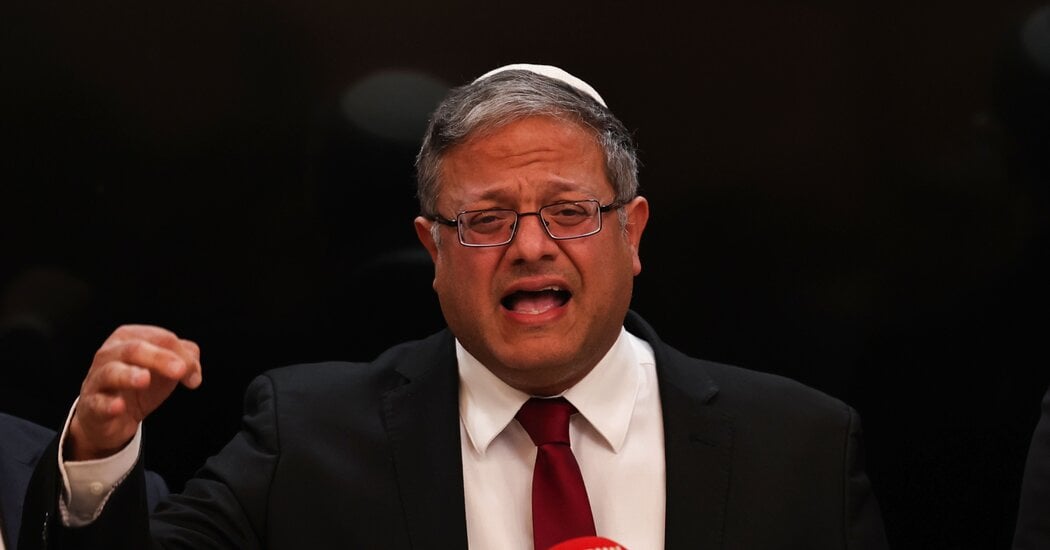
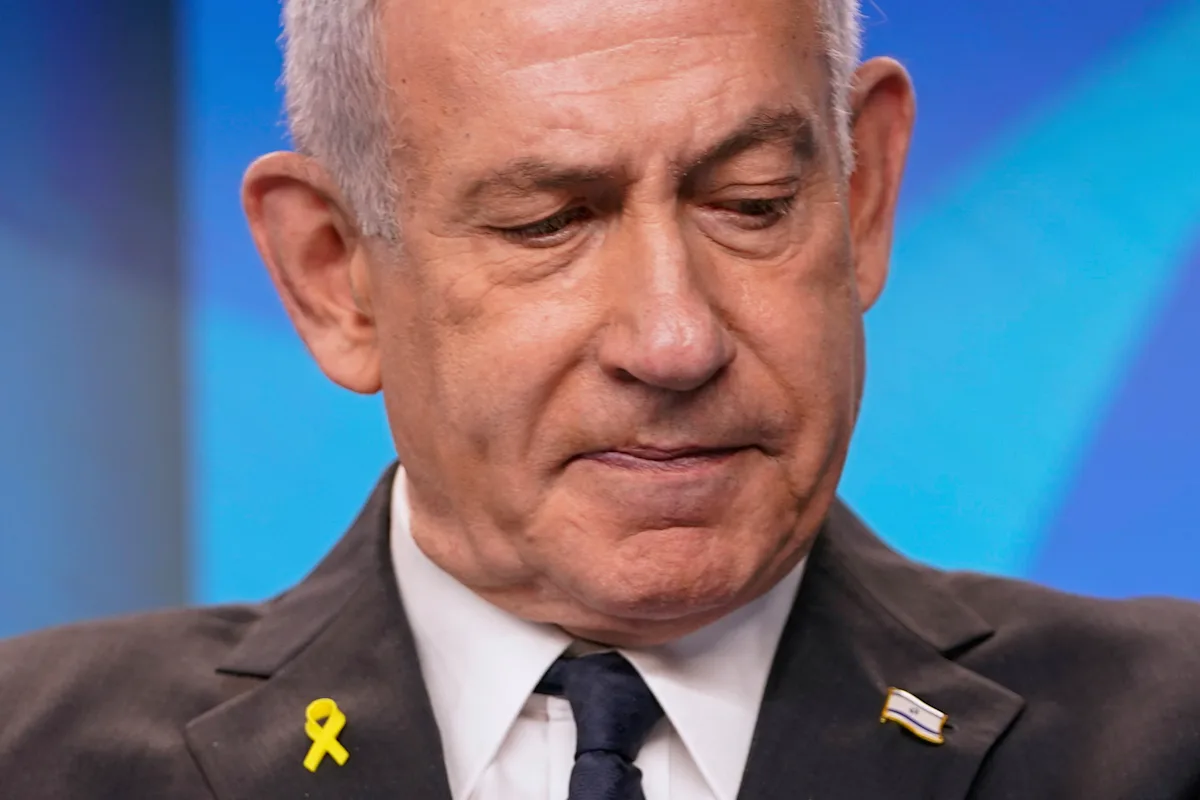
The recognition of Palestinian statehood by several countries has led to Israeli government threats of countermeasures, including annexation of the West Bank, with Israel's national security minister proposing sovereignty applications and warning of harsh actions against the Palestinian Authority amid ongoing tensions and conflict.
The push for Palestinian statehood has gained significant international support, with countries like the UK, Canada, and Australia recognizing Palestine as an independent state, and a UN resolution outlining steps toward a two-state solution, though key players like the US and Israel remain absent from the discussions amid ongoing debates about the feasibility of peace.
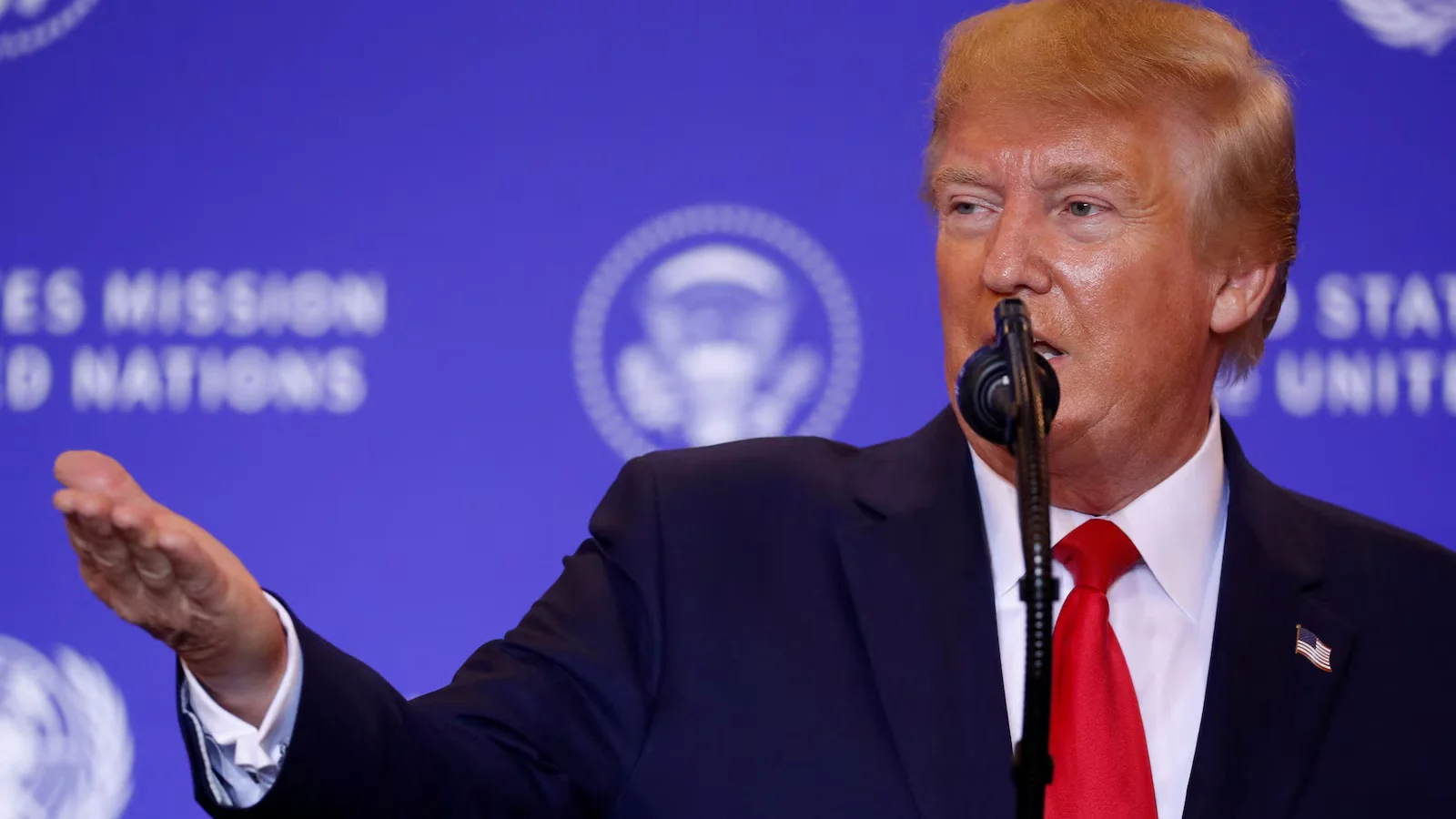
President Trump is set to address the UN General Assembly amid global discussions on Palestinian statehood and the Gaza war, with several countries recognizing Palestine and tensions rising with Israel and the US over the issue. The conference highlights international efforts for peace, US opposition to Palestinian recognition, and upcoming meetings with world leaders on key regional issues.
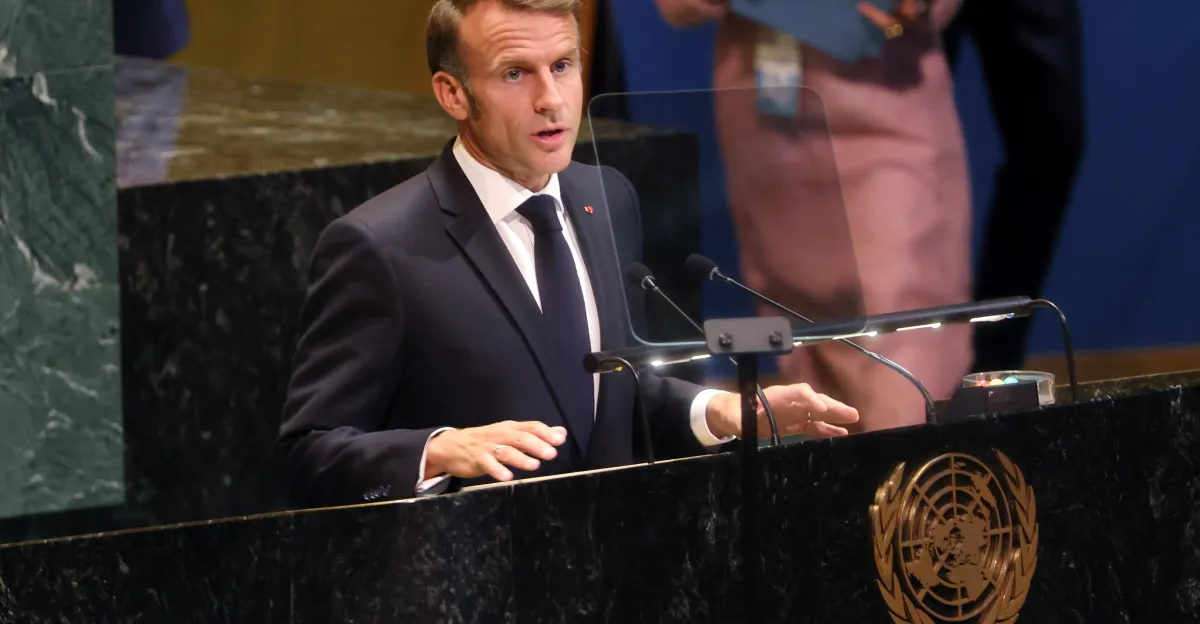
Efforts by France and Saudi Arabia to promote a two-state solution for Israel and Palestine face significant obstacles, including opposition from the US and Israel, amid ongoing violence in Gaza. While some countries recognize Palestinian statehood, key issues like borders, refugees, and Jerusalem remain unresolved, and recent plans aim for a phased, demilitarized Palestinian state with international support, but face skepticism and geopolitical challenges.
The article argues that recognizing Palestine as a state amid ongoing conflict and territorial division is largely symbolic and unlikely to improve the situation for Palestinians, as it overlooks the reality of their fragmented territories and military defeat, and risks fostering illusions of sovereignty that do not address the core issues.
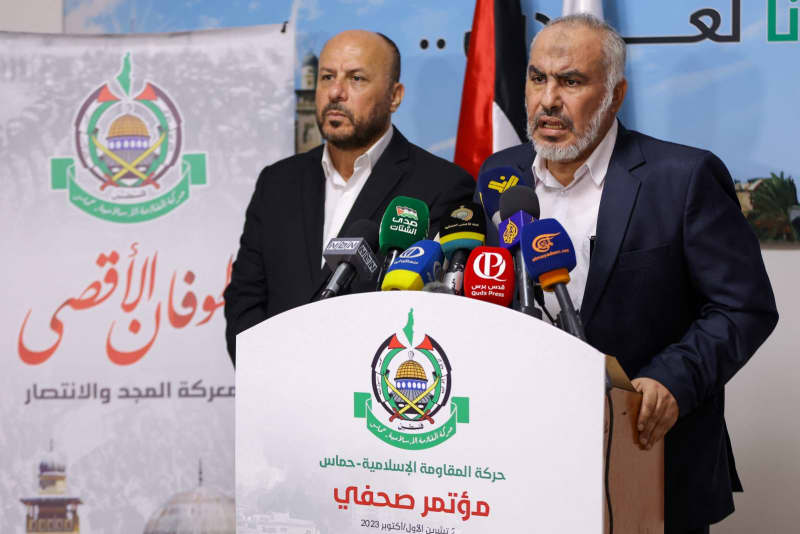
A senior Hamas official claims that the group's actions, including the October 7 massacre, have revitalized the global push for Palestinian statehood, with several European countries planning to recognize Palestine, citing the group's resistance as a key factor in shifting international attention. The article also discusses ongoing diplomatic efforts and statements from leaders in France, the UK, and Canada regarding recognition of Palestinian statehood.
The UK plans to recognize a Palestinian state in September if Israel meets certain conditions, such as agreeing to a ceasefire in Gaza and reviving the two-state solution, marking a significant symbolic move amid ongoing conflict and international debates about Palestinian sovereignty.
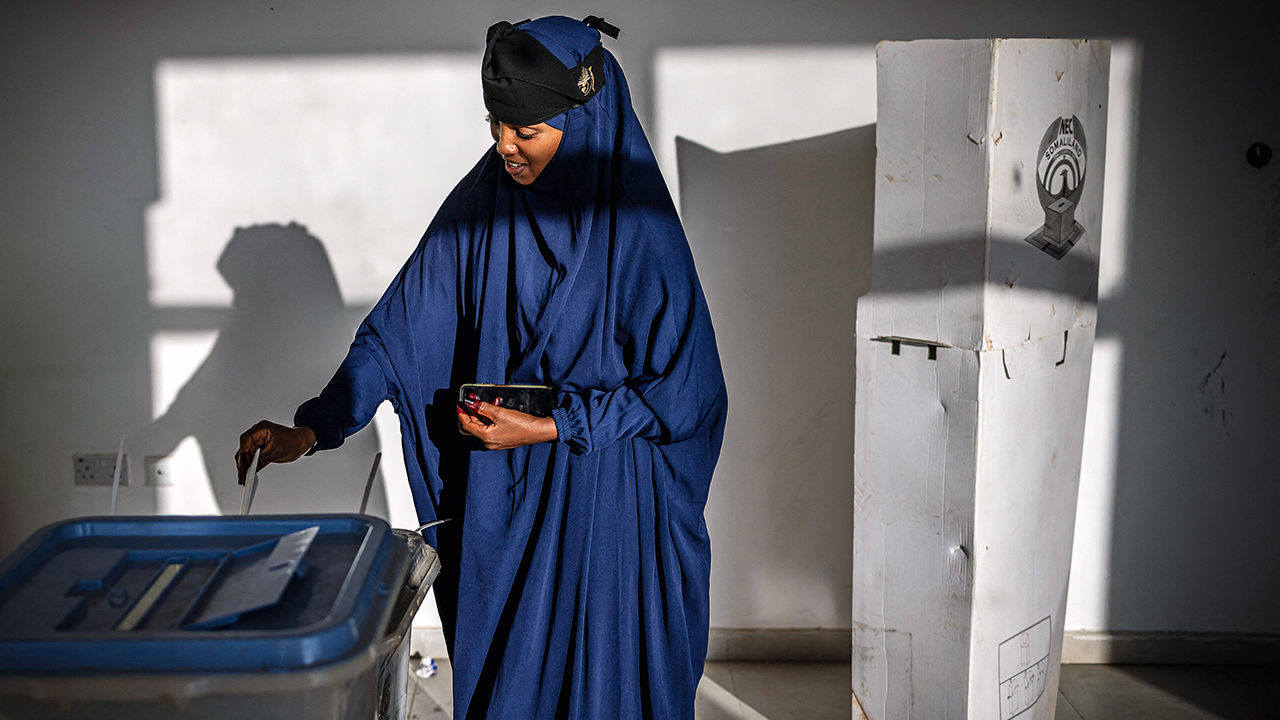
Somaliland, which declared independence from Somalia in 1991, remains unrecognized internationally despite establishing a stable democracy in a region dominated by autocracy. Recent geopolitical shifts and Donald Trump's election have raised hopes for recognition, but internal tensions ahead of the November 13th presidential election could jeopardize their aspirations for sovereignty.
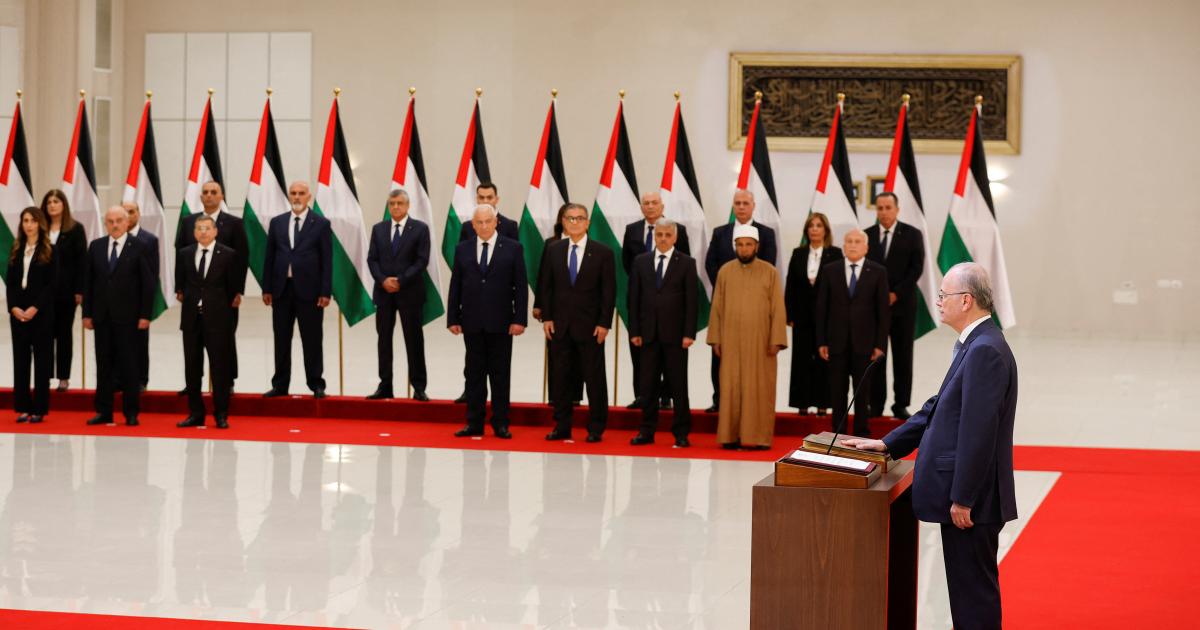
The Palestinian Authority (PA) is on the brink of collapse due to financial insolvency, internal corruption, and Israeli policies undermining its authority. Despite recent international recognitions of Palestine, the PA's inability to govern effectively poses a significant risk to the viability of a Palestinian state. To advance a two-state solution, international actors must focus on strengthening the PA's governance and economic stability before recognizing statehood, using targeted measures to curb Israeli encroachments and support Palestinian state-building efforts.
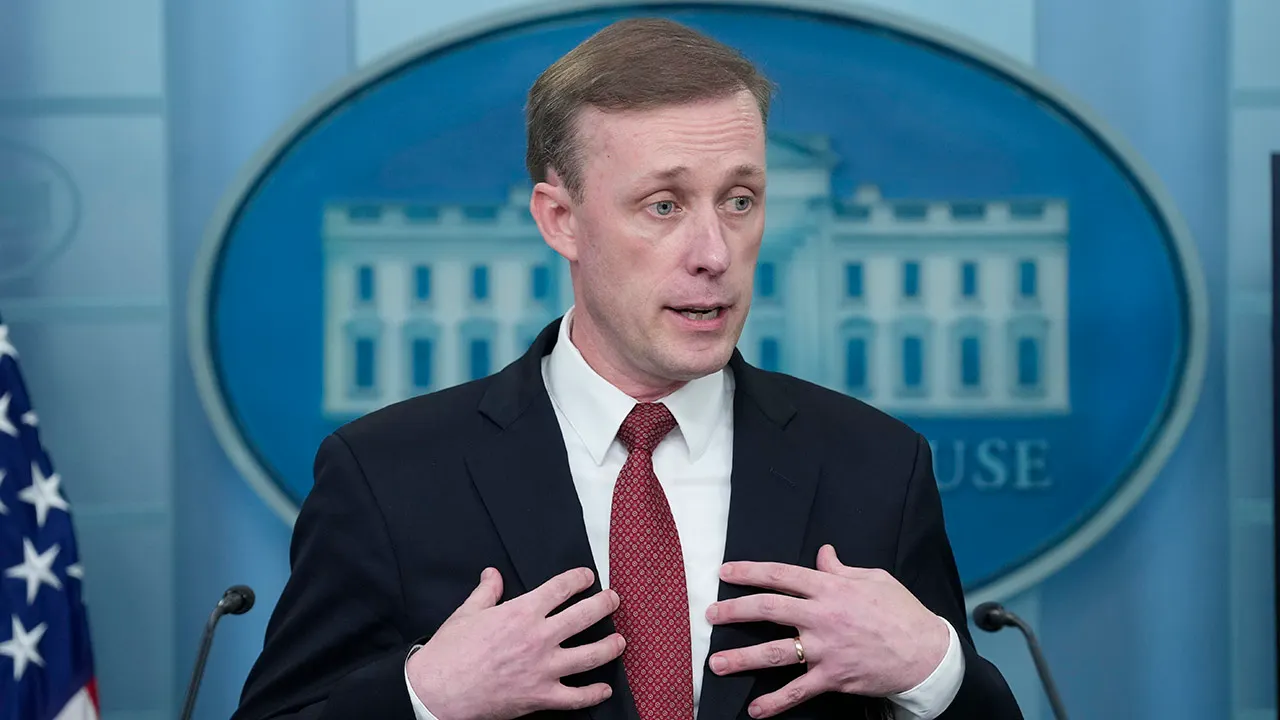
White House National Security Adviser Jake Sullivan addressed the growing international recognition of a Palestinian state by countries like Ireland, Spain, and Norway, emphasizing President Biden's support for a two-state solution achieved through direct negotiations. Sullivan reiterated the U.S. stance against unilateral recognition and discussed the importance of regional stability and integration. He also criticized Israel's decision to withhold tax revenue from the Palestinian Authority, arguing it undermines security and prosperity efforts in the West Bank.
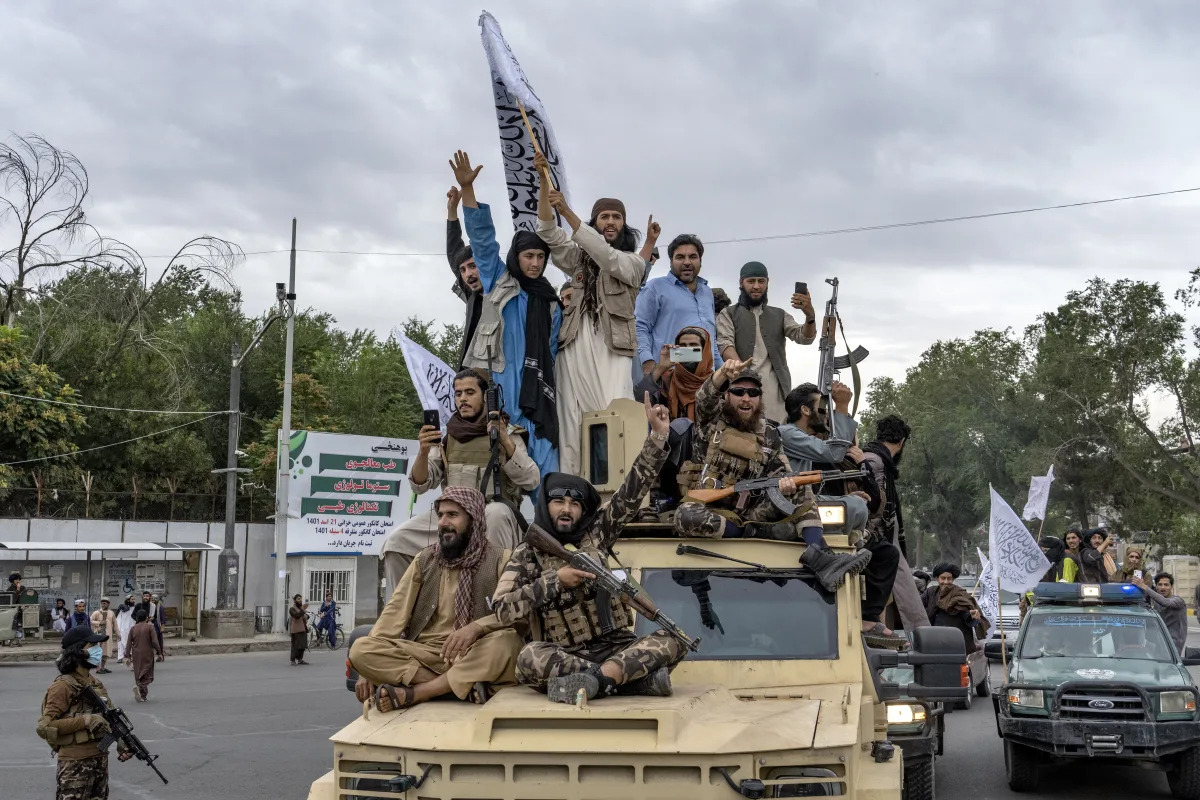
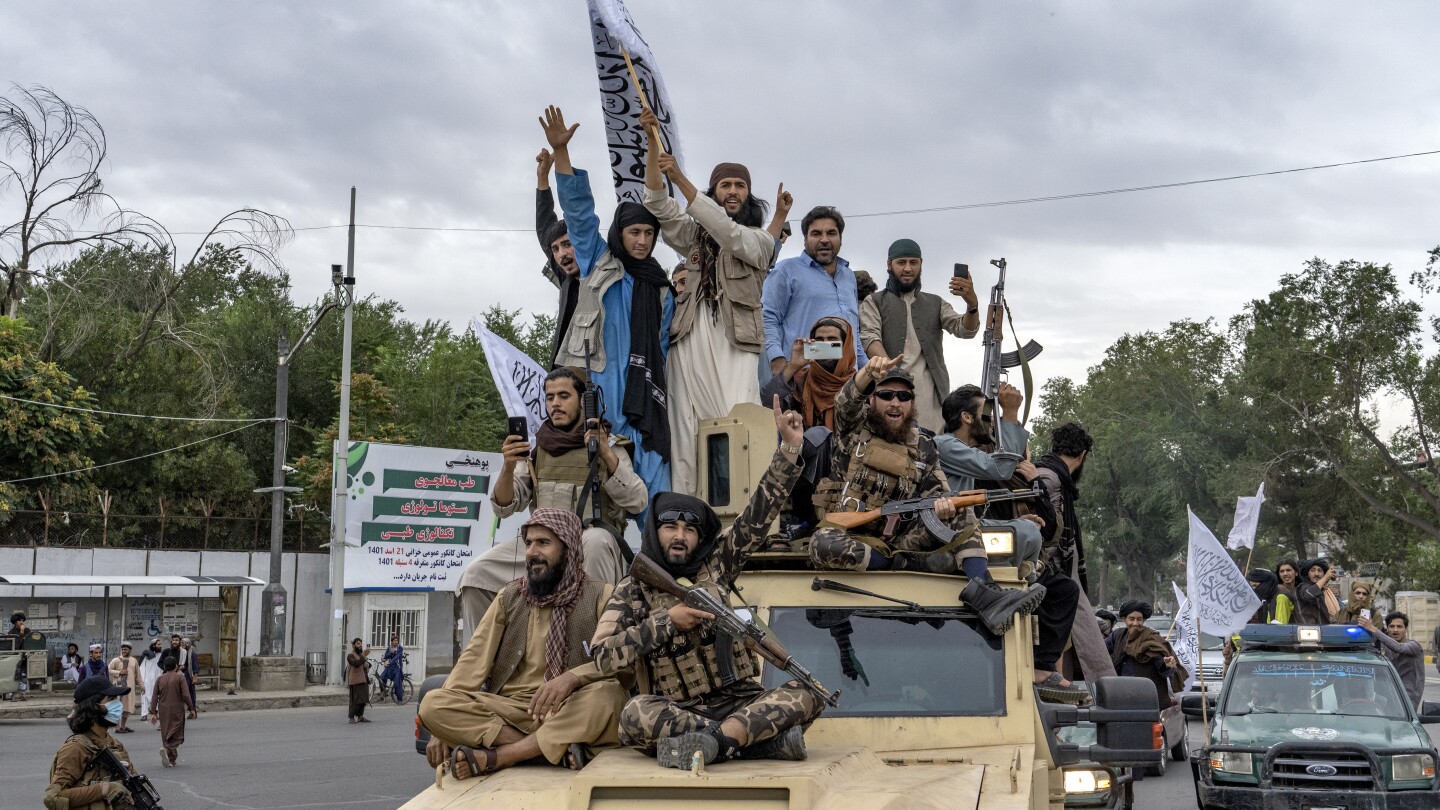
Two years after seizing power in Afghanistan, the Taliban have solidified their rule with no significant opposition. While they have improved domestic security and kept the economy afloat through investment talks, their bans on Afghan women and girls have drawn international condemnation. The restrictions on women's education, employment, and public spaces have hindered the Taliban's quest for international recognition and led to a decline in foreign aid, exacerbating the country's already dire living conditions. The Taliban's leader, Hibatullah Akhundzada, holds absolute power and any changes to the bans will depend on his orders. Despite their isolation, the Taliban have engaged in bilateral relations and are seeking an end to sanctions, but face challenges in finding common ground with the international community. There is currently no significant armed or political opposition to the Taliban.
Two years after seizing power in Afghanistan, the Taliban have solidified their rule with no significant opposition. While they have improved domestic security and engaged in investment talks with regional countries, their bans on Afghan girls and women from public spaces and higher education have drawn international condemnation. The lack of international funding and exclusion of women from delivering essential services have worsened living conditions in Afghanistan. The Taliban's economic situation remains precarious, with limited access to frozen funds and sanctions relief contingent on lifting restrictions on women. The ultimate direction of the Taliban's rule lies with their leader, Hibatullah Akhundzada, who has shown no signs of deviating from their strict interpretation of Islamic law. Despite their isolation, the Taliban have engaged in bilateral relations and are seeking international recognition, particularly from countries like China and Russia. There is currently no armed or political opposition capable of toppling the Taliban, although the Islamic State poses a threat with sporadic high-profile attacks.